Your Ultimate Guide to Finding the Perfect 3/4 Ton Truck For Sale: Power, Purpose, and Performance
Your Ultimate Guide to Finding the Perfect 3/4 Ton Truck For Sale: Power, Purpose, and Performance Typestruck.Guidemechanic.com
The search for the ideal vehicle can be a complex journey, especially when you’re in the market for something as capable and specialized as a 3/4 ton truck. These heavy-duty workhorses are not just larger versions of their half-ton counterparts; they represent a significant leap in power, towing, and hauling capabilities, designed for those who demand more from their ride. If you’re looking for 3/4 ton trucks for sale, you’ve come to the right place.
This comprehensive guide will demystify the world of heavy-duty pickups, providing you with the in-depth knowledge and expert insights you need to make an informed decision. Our goal is to equip you with the confidence to navigate the market, understand the nuances, and ultimately drive away with a truck that perfectly matches your needs and lifestyle. Let’s embark on this journey to discover your next powerful partner.
Your Ultimate Guide to Finding the Perfect 3/4 Ton Truck For Sale: Power, Purpose, and Performance
What Exactly Defines a 3/4 Ton Truck? Unpacking the Heavy-Duty Difference
Before diving into the buying process, it’s crucial to understand what distinguishes a 3/4 ton truck from other pickup classes. The "3/4 ton" designation is largely historical, a relic from a time when truck capacities were more literally measured in fractions of a ton. Today, it primarily refers to a class of heavy-duty trucks positioned between the lighter half-ton (1/2 ton) pickups and the even more robust one-ton (1-ton) models.
The true measure of a 3/4 ton truck’s capability lies in its Gross Vehicle Weight Rating (GVWR). This critical figure represents the maximum allowable weight of the fully loaded truck, including the vehicle itself, passengers, cargo, and any tongue weight from a trailer. Typically, 3/4 ton trucks boast GVWRs ranging from approximately 8,500 to 10,000 pounds. This higher GVWR translates directly into superior payload and towing capacities compared to a half-ton.
Payload refers to the maximum weight your truck can carry in its cab and bed, while towing capacity indicates the maximum weight it can pull. A 3/4 ton truck is engineered with stronger frames, more robust suspension systems, heavy-duty axles, and often larger, more powerful engine options to handle these increased demands. Understanding these core differences is your first step in appreciating the value and utility of a heavy-duty pickup.
Who Truly Needs the Power of a 3/4 Ton Truck? Identifying Your Purpose
Not everyone requires the substantial capabilities of a 3/4 ton truck, and for many, a half-ton might suffice. However, for a specific set of demanding tasks and lifestyles, a 3/4 ton is not just an option—it’s a necessity. Identifying your primary use case is paramount to making the right choice when looking for 3/4 ton trucks for sale.
If you frequently tow large travel trailers, fifth-wheel campers, or substantial boat trailers, a 3/4 ton truck provides the stability, power, and braking performance essential for safe and comfortable travel. Its increased Gross Combined Weight Rating (GCWR)—the total allowable weight of the truck, trailer, and all their contents—ensures you can handle significant loads without overtaxing the vehicle. This is particularly true for larger RVs that often exceed the safe limits of a half-ton.
For professionals in construction, landscaping, agriculture, or other trades, a 3/4 ton truck serves as a vital mobile workstation. It can easily carry heavy tools, equipment, materials like lumber or gravel, and pull utility trailers loaded with machinery. Farmers often rely on these trucks to transport feed, move smaller implements, or haul livestock trailers. The durability and strength of these vehicles are indispensable in demanding work environments.
Even serious hobbyists, such as those with large car haulers, toy haulers, or substantial off-road vehicles, will find the added capacity invaluable. Furthermore, if you live in an area prone to heavy snowfall and plan to attach a snowplow, the robust front suspension and frame of a 3/4 ton truck are designed to withstand the stress and weight of plowing operations. In essence, if your daily or frequent tasks involve heavy lifting or serious towing, a 3/4 ton truck is built to meet those challenges head-on.
Key Factors to Consider When Searching for 3/4 Ton Trucks For Sale
The decision to purchase a 3/4 ton truck involves numerous considerations, each impacting performance, cost, and long-term satisfaction. Based on my extensive experience in the automotive industry, overlooking any of these factors can lead to regret down the road. Let’s explore the critical aspects to evaluate.
New vs. Used: Weighing Your Options
The choice between buying a new or used 3/4 ton truck is often the first significant hurdle. A brand-new truck offers the latest technology, full factory warranty, and the peace of mind that comes with zero miles. You also get to customize it exactly to your specifications, from trim levels to optional packages. However, new trucks come with a premium price tag and experience immediate depreciation the moment they leave the lot.
Opting for a used 3/4 ton truck can offer substantial savings, allowing you to acquire a higher trim level or more features for your budget. Heavy-duty trucks are generally built to last, so a well-maintained used model can still provide years of reliable service. The downside is the potential for unknown maintenance history, wear and tear, and the absence of a comprehensive factory warranty. Always factor in a thorough pre-purchase inspection for any used vehicle.
Engine Type: Gas vs. Diesel Powerhouses
This is perhaps the most significant mechanical decision when considering 3/4 ton trucks for sale. Both gas and diesel engines offer distinct advantages and disadvantages.
Gas Engines:
Gas engines typically have a lower upfront cost, both for the truck itself and for ongoing maintenance. They tend to be simpler in design, resulting in less expensive repairs when issues arise. Gas trucks often provide quicker acceleration when unloaded and are perfectly capable of handling significant towing and hauling tasks. They are an excellent choice if your heavy-duty needs are occasional or if you prioritize a lower initial investment and simpler upkeep.
Diesel Engines:
Diesel engines are the undisputed champions of torque and longevity. They excel at sustained heavy towing, providing consistent power and often better fuel economy when under a load. The robust construction of a diesel engine means it’s built for hundreds of thousands of miles, making it a favorite for commercial users and serious haulers. However, diesel trucks command a higher purchase price, and their maintenance—including DEF (Diesel Exhaust Fluid) refills and specialized filters—can be more expensive. My advice: if you plan on consistently towing heavy loads or putting on high mileage, the long-term benefits of a diesel often outweigh the higher initial cost.
Towing and Payload Capacity: Matching the Truck to Your Load
Understanding your specific towing and payload requirements is non-negotiable. Don’t just guess; accurately determine the weight of your trailer (Gross Trailer Weight, GTW) and the combined weight of all passengers and cargo you’ll carry (payload). Always consult your trailer’s specifications and weigh your loaded trailer if possible.
Pro tips from us: Always factor in a safety margin. Never purchase a truck that barely meets your maximum load requirements. Aim for a truck with capacities that comfortably exceed your heaviest anticipated load by at least 15-20%. This margin provides a buffer for unexpected weight, offers better performance, and significantly enhances safety and longevity. Overloading a truck is dangerous and can lead to costly damage.
Drivetrain: 2WD vs. 4WD
Your intended use and geographical location will dictate whether you need two-wheel drive (2WD) or four-wheel drive (4WD). A 2WD truck is lighter, less complex, and generally more fuel-efficient, making it suitable for paved roads and light-duty towing in dry conditions.
However, if you anticipate driving on rough terrain, in mud, snow, or ice, or need to launch boats on slippery ramps, 4WD is essential. While it adds to the purchase price and can slightly reduce fuel economy, the added traction and capability are invaluable for off-road adventures or challenging weather conditions. For a deeper dive into choosing between gas and diesel engines, check out our comprehensive guide on .
Cab and Bed Configuration: Tailoring Space to Your Needs
3/4 ton trucks come in various configurations to suit different requirements.
- Regular Cab: Offers seating for two or three, with maximum bed length and lowest price. Ideal for work trucks where passenger space isn’t a priority.
- Extended Cab (or Quad Cab/Double Cab): Provides a small rear seating area, often with smaller, reverse-opening doors. Good for occasional rear passengers or extra storage.
- Crew Cab (or Mega Cab): The most popular choice, offering full-size rear doors and ample legroom, making it comfortable for four or five adults. Perfect for families or crews.
Bed lengths typically include short beds (around 6.5 feet) and long beds (around 8 feet). Long beds are necessary for certain commercial applications, larger fifth-wheel hitches, or carrying full sheets of plywood. Short beds are more maneuverable but limit cargo space and sometimes fifth-wheel compatibility.
Trim Levels and Features: Comfort, Technology, and Safety
Modern 3/4 ton trucks can range from basic work trucks to luxurious cruisers. Consider which features are truly necessary. Do you need advanced infotainment, leather seats, or specific towing technology like integrated trailer brake controllers or surround-view cameras? While high-end trims offer comfort and convenience, they also add significantly to the price. Balance your desire for amenities with your budget and actual needs.
Budget and Financing: Beyond the Sticker Price
When budgeting for your 3/4 ton truck for sale, look beyond the initial purchase price. Factor in:
- Insurance: Heavy-duty trucks can be more expensive to insure.
- Fuel Costs: Especially with fluctuating gas and diesel prices, and lower MPG compared to smaller vehicles.
- Maintenance: Diesels, in particular, can have higher maintenance costs.
- Registration and Taxes: These vary by location.
- Accessories: Bed liners, tonneau covers, hitches, and other accessories can add up.
A common mistake many first-time 3/4 ton truck buyers make is underestimating these ongoing costs. Get insurance quotes before you buy, and research typical maintenance schedules and costs for the models you’re considering. For example, if you’re unsure about determining your precise towing needs, our article on can provide valuable guidance.
Popular 3/4 Ton Truck Models on the Market
While the market offers several compelling 3/4 ton truck options, a few stand out as consistent leaders, each with its unique strengths. It’s important to research specific model years and configurations as capabilities and features evolve.
- Ford F-250 Super Duty: A long-standing titan in the heavy-duty segment, the F-250 is renowned for its robust capabilities, powerful engine options (including the legendary Power Stroke diesel), and a wide range of trim levels from basic work truck to luxurious King Ranch or Platinum models. Ford consistently pushes the envelope in towing and payload capacities.
- Ram 2500: Known for its refined ride quality (thanks to coil-spring rear suspension on many models) and luxurious interiors, the Ram 2500 offers a compelling blend of comfort and capability. Its available Cummins turbo-diesel engine is a powerhouse, and the Uconnect infotainment system is often lauded for its user-friendliness.
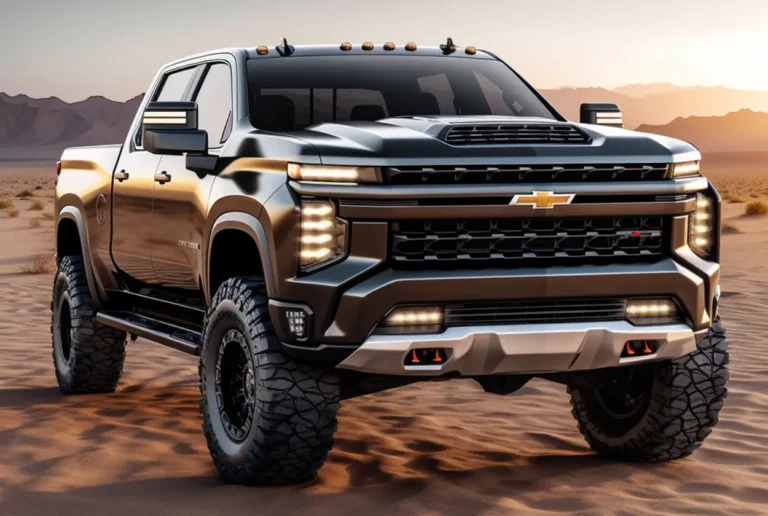
- Chevrolet Silverado 2500HD: The Silverado 2500HD combines impressive towing and hauling numbers with a comfortable cabin and a strong lineup of gas and Duramax diesel engines. It often features advanced trailering technology and a straightforward, functional interior design that appeals to many buyers.
- GMC Sierra 2500HD: Sharing many mechanical underpinnings with the Silverado, the GMC Sierra 2500HD distinguishes itself with a more premium aesthetic and often offers unique features and higher-end materials in its Denali trim. It’s a great choice for those seeking heavy-duty capability with a touch of luxury.
When looking at 3/4 ton trucks for sale, remember that each of these models has a loyal following for good reason. Test driving multiple options is crucial to determine which truck’s ergonomics, ride, and features best suit your preferences.
Where to Find 3/4 Ton Trucks For Sale
The journey to finding your ideal 3/4 ton truck involves exploring various avenues, each with its own benefits and considerations. Knowing where to look can significantly streamline your search.
1. Authorized Dealerships (New and Used):
Franchised dealerships for Ford, Ram, Chevrolet, and GMC are the primary source for new 3/4 ton trucks. They offer factory warranties, access to financing, and professional service departments. Many also have extensive inventories of certified pre-owned (CPO) 3/4 ton trucks, which often come with extended warranties and rigorous inspections, providing a good balance between new and used. Independent used car dealerships also offer a wide selection, though their inventory quality can vary.
2. Online Marketplaces:
Websites like Autotrader, Cars.com, CarGurus, and Edmunds are invaluable resources for browsing a vast selection of 3/4 ton trucks for sale from both dealerships and private sellers. These platforms allow you to filter by make, model, year, mileage, price, features, and location, making it easy to narrow down your options. They also provide detailed vehicle histories (like CarFax or AutoCheck reports) for used trucks.
3. Private Sellers:
You can often find great deals on 3/4 ton trucks directly from private sellers through platforms like Facebook Marketplace, Craigslist, or local classifieds. Buying from a private party can eliminate dealership markups, but it requires more due diligence on your part. Common mistakes to avoid here include not verifying ownership, skipping a professional inspection, and not being cautious about meeting locations. Always bring a friend and meet in a public place.
4. Auctions:
Government, fleet, and public auctions can sometimes offer heavily discounted 3/4 ton trucks. However, this route is best for experienced buyers, as vehicles are often sold "as-is" with little to no opportunity for detailed inspection or test drives. While potential savings are high, so is the risk.
The Buying Process: A Step-by-Step Guide to Your New Truck
Navigating the purchase of a 3/4 ton truck can be complex, but following a structured approach will ensure a smooth and confident transaction. From years of helping buyers find their ideal heavy-duty vehicles, I’ve learned that preparation is key.
1. Define Your Needs and Budget: As discussed, clearly outline your towing, payload, and feature requirements. Establish a firm budget that includes not just the purchase price but also insurance, registration, and potential maintenance.
2. Research Models and Configurations: Once your needs are clear, delve into specific models. Read reviews, compare specifications, and identify the engine, cab, and bed configurations that align with your criteria. Look for common issues or known strengths of particular years or models.
3. Locate Potential Trucks: Use online resources and visit dealerships to find trucks that match your research. Don’t be afraid to cast a wide net initially.
4. Conduct a Thorough Pre-Purchase Inspection (for used trucks): This is absolutely critical for used vehicles. Even if the seller provides a vehicle history report, hire an independent, certified mechanic to perform a comprehensive inspection. This small investment can save you thousands in unexpected repairs. They can identify potential issues that might not be visible to the untrained eye.
5. Test Drive: Take any truck you’re seriously considering for an extended test drive. Pay attention to engine performance, transmission shifts, brake feel, steering, and overall ride comfort. If possible, test drive it with a load similar to what you’d typically haul or tow. This is your chance to really feel how the truck handles under stress.
6. Negotiation: Be prepared to negotiate the price. Research market values for similar trucks in your area. Be firm but polite, and don’t be afraid to walk away if you can’t reach a fair deal. Pro tips from us: Have your financing pre-approved before you start negotiating, as this gives you leverage.
7. Financing and Insurance: Secure your financing (if needed) and obtain insurance quotes. Compare rates from different lenders and insurers.
8. Final Paperwork: Carefully review all sales contracts and documentation before signing. Ensure all agreed-upon terms, warranties, and prices are accurately reflected. Don’t hesitate to ask questions if anything is unclear.
Essential Pre-Purchase Inspection Checklist for Used 3/4 Ton Trucks
When considering used 3/4 ton trucks for sale, a meticulous inspection is your best defense against hidden problems. While a professional mechanic’s inspection is highly recommended, here’s a checklist of items you should personally examine:
- Exterior and Frame: Look for rust, dents, scratches, and mismatched paint (indicating previous repairs). Inspect the frame for bends, cracks, or signs of welding, especially around the suspension mounts and hitch points.
- Engine Compartment: Check for fluid leaks (oil, coolant, power steering, transmission). Examine belts and hoses for cracks or wear. Listen for unusual noises during startup and idling.
- Fluids: Check the level and condition of engine oil, transmission fluid, coolant, brake fluid, and power steering fluid. Dark, burnt-smelling fluids can indicate neglect or problems.
- Tires and Brakes: Assess tire tread depth and evenness of wear (uneven wear can signal alignment or suspension issues). Check brake pad thickness and rotors for deep grooves or warping.
- Suspension and Steering: Bounce each corner of the truck to check shocks/struts. Look for sagging, especially in the rear. Check steering for excessive play.
- Transmission: During the test drive, ensure smooth shifts, without hesitation or clunking. Test all gears, including reverse.
- Drivetrain (4WD): If it’s a 4WD truck, engage 4-High and 4-Low to ensure they engage smoothly and without unusual noises.
- Electricals: Test all lights (headlights, tail lights, turn signals, brake lights), horn, wipers, power windows, mirrors, radio, and HVAC system.
- Interior: Check upholstery for rips, stains, or excessive wear. Ensure all seatbelts function correctly.
- Documentation: Verify the VIN on the truck matches the title. Review maintenance records if available. Run a vehicle history report (CarFax, AutoCheck) to check for accidents, salvage titles, flood damage, or odometer discrepancies.
- Test Tow (if applicable): If you have a trailer, and the seller permits, test towing it. This is the ultimate test for a heavy-duty truck.
Understanding Gross Vehicle Weight Rating (GVWR) is crucial for safe towing and hauling; you can find more official definitions and safety information from organizations like the National Highway Traffic Safety Administration (NHTSA).
Living with a 3/4 Ton Truck: What to Expect
Owning a 3/4 ton truck is a unique experience, and it comes with its own set of realities that differ from smaller vehicles. Being prepared for these aspects will enhance your ownership satisfaction.
Fuel Economy: Expect lower fuel economy compared to half-ton trucks or smaller SUVs. These vehicles are heavy, powerful, and designed for work, not necessarily efficiency. Diesel engines might offer better mileage when towing heavy loads, but their unladen city mileage can still be modest.
Maneuverability: Due to their larger size and longer wheelbases, 3/4 ton trucks have a larger turning radius and can be more challenging to maneuver in tight parking lots or crowded urban environments. Parking sensors, backup cameras, and surround-view cameras (if equipped) become invaluable aids.
Maintenance Costs: While heavy-duty trucks are built tough, their components are also larger and often more expensive to replace. Diesel engines, in particular, can have higher maintenance costs due to specialized filters, fluids, and more complex systems. Regular, diligent maintenance is key to their longevity.
Insurance: As mentioned, insurance premiums for 3/4 ton trucks can be higher due to their higher purchase price, repair costs, and perceived risk. Always get multiple quotes before committing to a purchase.
Resale Value: Generally, 3/4 ton trucks, especially diesel models, tend to hold their resale value well. Their utility and durability make them desirable on the used market, especially if they have been well-maintained. This strong resale value can offset some of the higher initial costs.
Conclusion: Your Journey to Finding the Perfect 3/4 Ton Truck Starts Now
The journey to finding the right 3/4 ton truck for sale is an exciting one, opening up a world of unparalleled capability and utility. Whether you’re a seasoned contractor, an avid RVer, or someone who simply needs the robust power only a heavy-duty pickup can offer, understanding the nuances of these formidable machines is key. From dissecting the differences between gas and diesel engines to meticulously inspecting a used model, every step you take brings you closer to making an intelligent and satisfying purchase.
Remember to define your needs clearly, set a realistic budget, and perform thorough research and inspections. With the insights provided in this comprehensive guide, you are now well-equipped to navigate the market with confidence and make an informed decision. Don’t just buy a truck; invest in a tool that will empower your work, fuel your adventures, and serve you reliably for years to come. Start your search for 3/4 ton trucks for sale today and unlock the true potential of heavy-duty performance!