Your Ultimate Guide to Buying a Used Toyota Tacoma: Adventure Awaits!
Your Ultimate Guide to Buying a Used Toyota Tacoma: Adventure Awaits! Typestruck.Guidemechanic.com
The Toyota Tacoma stands as a true legend in the world of mid-size pickup trucks. Renowned for its bulletproof reliability, impressive off-road prowess, and unwavering durability, it’s no wonder that a used Toyota Tacoma pickup truck for sale remains one of the most sought-after vehicles on the pre-owned market. If you’re looking to combine workhorse capability with weekend adventure, a used Tacoma might just be your perfect match.
However, navigating the used truck market can be daunting. This comprehensive guide, crafted from years of experience in the automotive industry, is designed to equip you with all the knowledge you need to confidently find, inspect, and purchase your ideal used Tacoma. We’ll delve deep into what makes these trucks special, what to look for, and how to avoid common pitfalls, ensuring you make a smart investment that lasts for years to come.
Your Ultimate Guide to Buying a Used Toyota Tacoma: Adventure Awaits!
Why a Used Toyota Tacoma is a Smart Investment
Choosing a used vehicle often means compromising on certain aspects, but with a Toyota Tacoma, those compromises are remarkably few. Its reputation isn’t just hype; it’s built on decades of proven performance and owner satisfaction. When you invest in a used Tacoma, you’re buying into a legacy of quality.
1. Legendary Reliability and Durability:
Toyota’s commitment to engineering excellence is perhaps best exemplified by the Tacoma. These trucks are designed and built to withstand harsh conditions, heavy use, and the test of time. It’s not uncommon to see Tacomas with well over 200,000 or even 300,000 miles still running strong. This inherent durability translates directly into lower long-term ownership costs and fewer unexpected repairs.
2. Exceptional Resale Value:
One of the most compelling reasons to buy a used Tacoma is its incredible ability to hold its value. Tacomas consistently rank among the vehicles with the highest resale values across all segments. This means your initial investment depreciates much slower than with many other trucks, making it a financially savvy choice. Should you decide to sell it down the line, you’re likely to recoup a significant portion of your purchase price.
3. Versatility for Work and Play:
Whether you need a reliable truck for hauling equipment to a job site, towing a small boat to the lake, or conquering challenging off-road trails, the Tacoma delivers. Its balanced size makes it maneuverable enough for city driving, yet capable enough for serious adventures. This versatility is a major draw for a wide range of buyers.
4. Strong Aftermarket Support:
The Toyota Tacoma boasts one of the most robust aftermarket communities in the automotive world. From lift kits and specialized suspension systems to heavy-duty bumpers and rooftop tents, an endless array of parts and accessories are available. This allows owners to customize their trucks precisely to their needs and preferences, enhancing both capability and personal expression.
Understanding the Generations: A Deep Dive into Tacoma Evolution
To truly appreciate and evaluate used Toyota Tacoma pickup trucks for sale, it’s essential to understand the different generations. Each generation brought significant changes, unique characteristics, and specific points to consider.
First Generation (1995-2004): The Compact Trailblazer
The original Tacoma built its reputation as a rugged, compact workhorse. These trucks are known for their simple, robust design and excellent off-road capabilities, especially the 4×4 models. Engine options included a reliable 2.4L 4-cylinder, a more potent 2.7L 4-cylinder, and the popular 3.4L V6. Many enthusiasts still prefer the compact size and mechanical simplicity of this generation.
Based on my experience, finding a first-gen Tacoma in pristine condition can be challenging due to its age, but well-maintained examples are highly sought after. Key areas to inspect are the frame for rust (a common issue across generations) and the condition of the suspension components, as many of these trucks were used hard.
Second Generation (2005-2015): Growing Up and Getting Stronger
The second-generation Tacoma represented a significant redesign, growing in size and capability. It became a true mid-size truck, offering more interior space, increased towing capacity, and a more comfortable ride. Engine options included an updated 2.7L 4-cylinder and a powerful 4.0L V6, which quickly became a favorite for its strong performance and reliability. This generation also introduced more advanced off-road trims like the TRD Off-Road and TRD Sport.
Pro tips from us: The 4.0L V6 is a workhorse, but always check for proper maintenance history, especially regarding timing chain and water pump service on higher mileage examples. Frame rust remains a critical inspection point, particularly on trucks from colder climates where road salt is prevalent. Toyota did offer a frame replacement program for some years, so it’s worth checking if a particular vehicle had this service.
Third Generation (2016-Present): Modernization and Refinement
The current, third-generation Tacoma brought a refreshed exterior design, a more refined interior, and significant technological updates. The engine lineup shifted to a 2.7L 4-cylinder and a new 3.5L V6 Atkinson cycle engine, paired with a 6-speed automatic or manual transmission. This generation introduced modern safety features, improved infotainment systems, and further enhanced off-road capabilities with models like the TRD Pro.
Common mistakes to avoid are assuming the newer generation is entirely problem-free. While generally reliable, some owners report transmission hunting issues with the 3.5L V6 and automatic transmission, which can feel like the truck constantly searches for the right gear. Test driving extensively at various speeds is crucial to assess if this characteristic bothers you. Also, keep an eye on paint quality and interior wear, as some earlier third-gen models had minor issues in these areas.
Key Factors to Consider When Searching for a Used Tacoma
Before you even start looking at specific trucks, clarify your needs and priorities. This will help narrow down your search and prevent you from being swayed by features you don’t actually need.
- Your Budget and Financing: Set a realistic budget that includes not just the purchase price but also potential registration fees, insurance, and any immediate maintenance or upgrades. Research financing options in advance if needed.
- Intended Use: Will this be a daily commuter, a dedicated off-road rig, a work truck, or a family adventure vehicle? Your primary use case will heavily influence the ideal trim level, cab configuration, and drivetrain (2WD vs. 4WD).
- Mileage vs. Age: While lower mileage is generally desirable, don’t automatically discount a higher-mileage Tacoma if it has a meticulous service history. A well-maintained truck with 150,000 miles can be a better buy than a lower-mileage one that has been neglected. Conversely, a very old truck with extremely low miles might have sat for long periods, leading to dry rot in seals and hoses.
- Trim Levels and Features: Toyota offers a range of Tacoma trims, each with distinct features:
- SR/SR5: Workhorse trims, good value, basic features.
- TRD Sport: On-road performance, sport-tuned suspension, hood scoop, body-colored accents.
- TRD Off-Road: Off-road focused, Bilstein shocks, locking rear differential, crawl control (3rd gen).
- TRD Pro: Top-tier off-road, Fox shocks, unique styling, enhanced capability.
- Limited: Luxury-oriented, leather seats, premium audio, refined ride.
- Cab and Bed Configurations:
- Access Cab: Extended cab with small rear jump seats, longer bed option.
- Double Cab: Four full doors, comfortable rear seating, typically shorter bed.
- Short Bed (5-foot): More maneuverable, common with Double Cab.
- Long Bed (6-foot): Greater hauling capacity, available with Access Cab and some Double Cabs.
- 2WD vs. 4WD: A crucial decision. If you live in a warm climate and primarily drive on paved roads, 2WD might suffice and save you money. However, for off-roading, snow, or adverse weather conditions, 4WD is essential.
What to Look For: A Comprehensive Pre-Purchase Inspection Guide
This is where your detective skills come into play. A thorough inspection is paramount to uncovering potential issues and negotiating a fair price. Don’t rush this process.
1. The Critical Frame Rust Inspection:
Based on my experience, this is the single most important inspection point for any used Tacoma, especially models from the first and second generations, and those from rust-belt states. Toyota had a significant frame rust recall/replacement program.
- Where to Look: Pay close attention to the frame rails, especially near the rear leaf spring mounts, control arm mounts, and around any welds. Get underneath the truck with a flashlight and a small hammer (or tap with a wrench handle).
- What to Look For: Surface rust is common and usually cosmetic. However, flaking, bubbling, or perforating rust that you can poke through is a major red flag and a deal-breaker. Common mistakes to avoid are ignoring even minor rust, as it can quickly become structural damage. If you see signs of fresh undercoating, be wary; it might be hiding something.
2. Undercarriage and Suspension:
- Leaks: Check for oil, coolant, transmission fluid, or differential fluid leaks.
- Dents/Scrapes: Significant dents on the skid plates, differential housing, or lower control arms could indicate hard off-road use.
- Bushings and Shocks: Look for cracked rubber bushings (control arms, sway bars) and leaking or worn shocks. Worn suspension components can lead to poor handling and expensive repairs.
- Drive Shafts/U-Joints: Check for excessive play or rust on the U-joints.
3. Engine and Transmission:
- Engine Bay: Look for cleanliness (excessive grime can hide leaks), frayed belts, corroded battery terminals, and any aftermarket modifications.
- Fluids: Check oil, coolant, brake, and power steering fluid levels and condition. Dark, burnt-smelling transmission fluid is a major red flag.
- Start-Up: Listen for any unusual noises (knocks, ticks, squeals) on a cold start.
- Transmission: During the test drive, ensure smooth shifts, no hesitation, and that it engages gears without grinding. For automatic transmissions, pay attention to any "hunting" between gears, especially in third-gen models.
4. Brakes and Tires:
- Tire Condition: Check tread depth (use the penny test), evenness of wear, and tire brand. Uneven wear can indicate alignment issues or suspension problems.
- Brake Rotors/Pads: Look for deep grooves on the rotors, which indicate worn pads or neglected maintenance. Listen for squealing or grinding during the test drive.
5. Interior Condition:
- Wear and Tear: Check seats, carpet, steering wheel, and pedals for excessive wear that doesn’t match the odometer reading.
- Electronics: Test all lights, windows, locks, radio, AC/heater, and other electronic accessories. Ensure all dashboard warning lights illuminate and then turn off after starting.
- Smells: Any persistent strange odors (smoke, mildew, chemicals) could indicate underlying issues.
6. Exterior Body and Paint:
- Panel Gaps: Look for inconsistent panel gaps, which can indicate previous accident damage or poor repairs.
- Paint Match: Check for areas where the paint color doesn’t quite match, another sign of repairs.
- Dents/Scratches: Minor cosmetic blemishes are common, but significant damage could point to neglect.
- Lighting: Ensure all exterior lights (headlights, tail lights, turn signals) are functional.
7. Service Records (Absolutely Essential):
Pro tips from us: Always ask for detailed service history. A well-documented maintenance history is gold. It shows responsible ownership and helps you predict future maintenance needs. Look for records of oil changes, fluid flushes, major services (e.g., timing belt if applicable), and any significant repairs. If no records are available, assume the worst and budget for a comprehensive service.
8. The Test Drive:
This is your chance to feel how the truck performs.
- Drive on various road surfaces (pavement, gravel, bumps).
- Test acceleration, braking, and steering response.
- Listen for any unusual noises (clunks, squeaks, hums) from the suspension, engine, or drivetrain.
- Engage 4WD (if equipped) to ensure it works correctly.
- Test all gears, including reverse.
Common Issues and How to Spot Them (E-E-A-T)
While Tacomas are reliable, no vehicle is perfect. Being aware of common issues allows you to inspect more thoroughly and negotiate effectively.
- Frame Rust (Revisited): This can’t be stressed enough. On second-generation models (2005-2015), specifically inspect the frame near the rear leaf spring mounts and the catalytic converter. Extensive, penetrating rust is a deal-breaker.
- Automatic Transmission Hesitation/Shifting Issues (3rd Gen, 2016+): Many owners report that the 3.5L V6 with the 6-speed automatic can "hunt" for gears, especially on inclines or at highway speeds. This is often a characteristic of the transmission tuning, but ensure it’s not a sign of a deeper mechanical problem. A software update might sometimes improve it.
- Leaf Spring Sag (2nd Gen): The rear leaf springs on second-generation Tacomas are known to sag over time, especially if the truck frequently carried heavy loads or towed. Look for the rear end sitting lower than the front, even when unloaded. This can be fixed with aftermarket leaf springs or an "add-a-leaf" kit.
- Water Pump Leaks (Older V6 Models): While not extremely common, some older 3.4L V6 and 4.0L V6 engines can develop water pump leaks. Look for coolant stains or drips underneath the front of the engine.
- Secondary Air Injection Pump Failure (2nd Gen V6): This system, designed for emissions control, can fail, leading to a "check engine" light and potentially expensive repairs. Listen for a loud whirring noise from the engine bay on a cold start, which can indicate the pump running excessively or failing.
- Ball Joint Wear (Older Models): Worn lower ball joints can lead to clunking noises over bumps and affect steering precision. Have a mechanic check for play in the front wheels.
Where to Find Used Toyota Tacoma Pickup Trucks For Sale
The search for your perfect Tacoma can take you to several different avenues, each with its own advantages and disadvantages.
- Franchise Dealerships (Toyota Dealers):
- Pros: Often offer certified pre-owned (CPO) vehicles with warranties, rigorous inspections, and reconditioning. Access to service history.
- Cons: Generally higher prices due to overhead and reconditioning costs.
- Independent Used Car Dealerships:
- Pros: Wider variety of makes and models, potential for negotiation.
- Cons: Quality can vary greatly. Less likely to have extensive service history. Always get an independent pre-purchase inspection.
- Private Sellers:
- Pros: Often the lowest prices, direct communication with the previous owner (can get more history), more room for negotiation.
- Cons: No warranty, "as-is" sale. Requires more due diligence on your part.
- Internal Link: For more tips on navigating private sales and what questions to ask, check out our comprehensive guide on .
- Online Marketplaces:
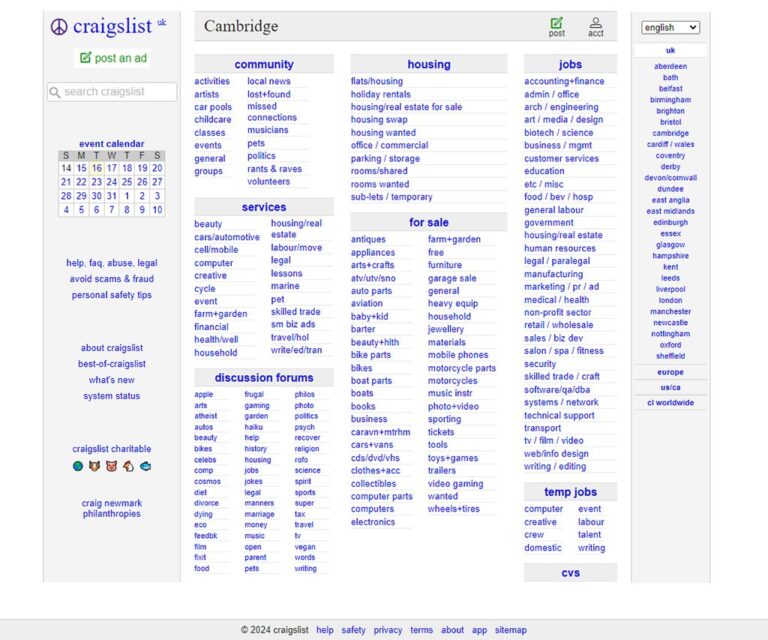
- Pros: Vast selection, easy to filter by criteria (year, mileage, price). Examples include AutoTrader, CarGurus, Cars.com, Facebook Marketplace, and Craigslist.
- Cons: Can be overwhelming, need to filter out scams and misleading listings. Always verify information.
Negotiating the Price and Closing the Deal
Once you’ve found a promising used Toyota Tacoma pickup truck for sale, it’s time to talk numbers. Approach this process with confidence and preparation.
1. Research Market Value:
Before making an offer, research the fair market value of similar Tacomas in your area. Use reputable sources like Kelley Blue Book (KBB) or Edmunds to get a good estimate based on year, mileage, condition, and features.
- External Link: Check current market values on Kelley Blue Book.
2. Be Prepared to Walk Away:
Your strongest negotiating tool is your willingness to walk away if the deal isn’t right. Don’t fall in love with a truck before the price is settled.
3. Leverage Your Inspection Findings:
Any issues discovered during your pre-purchase inspection (even minor ones) can be used to negotiate a lower price. Get quotes for repairs and use those figures as leverage.
4. Get an Independent Pre-Purchase Inspection (PPI):
Even if you’re confident in your own inspection, hiring a trusted, independent mechanic to perform a PPI is highly recommended. For a small fee, they can uncover issues you might miss, giving you peace of mind or powerful negotiation points.
5. Understand the Paperwork:
Ensure all necessary documents are in order: the vehicle title (clear title, no liens), bill of sale, and any service records. Understand your state’s requirements for registration and taxes.
Your Tacoma Adventure Begins!
Congratulations! You’ve successfully navigated the process of finding and purchasing a used Toyota Tacoma pickup truck for sale. This vehicle is more than just transportation; it’s a gateway to adventure, a reliable partner for work, and a testament to enduring quality.
Remember to stick to the manufacturer’s recommended maintenance schedule to ensure your Tacoma continues to perform reliably for years to come. Explore the vast world of aftermarket upgrades if you want to further customize your truck for specific needs or just to make it uniquely yours. Most importantly, get out there and enjoy the open road, the trails, and all the possibilities your "new" Tacoma brings!