Used Dodge 2500 Trucks For Sale: The Ultimate Buyer’s Guide
Used Dodge 2500 Trucks For Sale: The Ultimate Buyer’s Guide Typestruck.Guidemechanic.com
Embarking on the journey to find the perfect heavy-duty truck can be both exciting and daunting. For many, the allure of a Used Dodge 2500 is undeniable. These robust machines, known for their legendary power, durability, and versatility, have carved out a significant niche in the world of workhorses and adventure vehicles.
As an expert in the automotive market, especially with a keen eye on the used truck segment, I understand the appeal and the potential pitfalls. This comprehensive guide is designed to empower you with the knowledge needed to make an informed decision, ensuring you drive away with a Used Dodge 2500 that meets your needs and exceeds your expectations.
Used Dodge 2500 Trucks For Sale: The Ultimate Buyer’s Guide
Why Choose a Used Dodge 2500? The Value Proposition
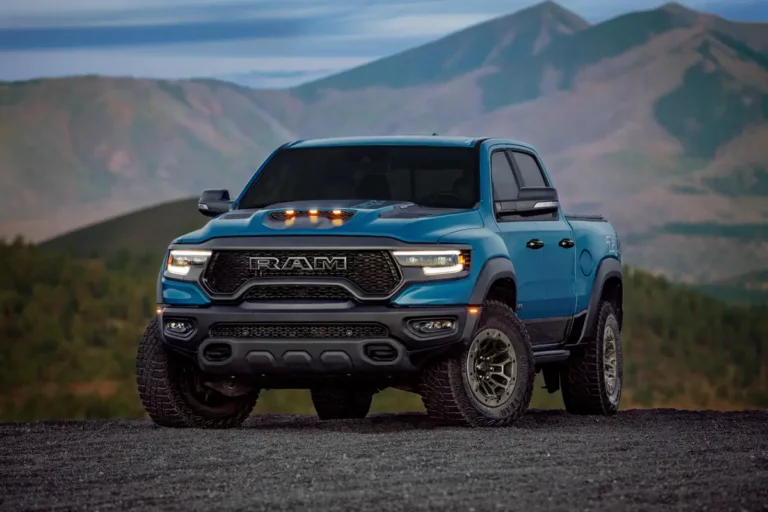
When considering a heavy-duty truck, the Dodge 2500 (now part of the Ram Trucks brand) consistently stands out. Opting for a used model offers a compelling combination of power, capability, and significant financial savings compared to buying new. These trucks are engineered for demanding tasks, from towing large trailers to hauling substantial payloads.
Based on my experience, a well-maintained Used Dodge 2500 represents an excellent investment. You get a proven platform with incredible towing and hauling capabilities, often at a fraction of the cost of a brand-new equivalent. This makes them highly attractive for small businesses, contractors, outdoor enthusiasts, and anyone needing serious truck power without the new vehicle price tag.
The Undeniable Appeal of Heavy-Duty Power
The Dodge 2500 series has always been synonymous with robust performance. Whether you’re pulling a fifth-wheel camper across the country or transporting heavy equipment to a job site, these trucks are built to handle it all. Their heavy-duty chassis, powerful engine options, and sophisticated suspension systems contribute to their legendary work ethic.
Many buyers seek out these trucks specifically for their reputation for longevity and reliability, particularly models equipped with the Cummins diesel engine. This inherent strength means they often have a long service life, even after years of use and high mileage. With proper maintenance, a Used Dodge 2500 can serve its next owner faithfully for many more years.
Generations and Powertrains of the Dodge Ram 2500
Understanding the different generations and available powertrains is crucial when searching for a Used Dodge 2500. Each era brought distinct design changes, technological advancements, and engine options. Knowing what to look for will help you narrow down your search and identify models that best fit your specific requirements.
Over the years, the Dodge Ram 2500 (and later simply Ram 2500) has evolved significantly. Key generations include the third generation (2003-2009), fourth generation (2010-2018), and the current fifth generation (2019-present). Each iteration improved upon its predecessor in terms of comfort, technology, and capability.
The Heart of the Beast: Cummins Diesel Engines
The most celebrated engine option in the Dodge/Ram 2500 lineup is undoubtedly the Cummins Turbo Diesel. This engine has a cult-like following for its incredible torque, durability, and relatively simple design in earlier models. Different versions of the Cummins have been offered over the years, each with its own characteristics.
- 5.9L Cummins (2003-2007): Renowned for its mechanical simplicity and robust nature. These engines are highly sought after by those who value reliability and ease of maintenance, though they are older and may have higher mileage.
- 6.7L Cummins (2007.5-Present): Introduced to meet stricter emissions standards, this engine offers more power and torque. While incredibly capable, it comes with more complex emissions systems (DPF, DEF) that require specific maintenance and can be a source of potential issues if not properly cared for.
Pro tip from us: When evaluating a Cummins-powered Used Dodge 2500, always inquire about the history of its emissions system maintenance. A well-maintained system is key to avoiding costly repairs down the line.
Powering with Gasoline: The Hemi V8 Engines
While the Cummins gets much of the spotlight, the Hemi V8 gasoline engines offered in the Dodge 2500 are also formidable powerplants. These engines provide strong performance, a smoother ride, and typically a lower upfront cost than their diesel counterparts. They are an excellent choice for those who don’t necessarily need the extreme towing capabilities of the Cummins or prefer gasoline over diesel.
- 5.7L Hemi V8 (2003-2013): A reliable and powerful engine for its time, offering good performance for most heavy-duty tasks. It’s known for its distinctive sound and solid output.
- 6.4L Hemi V8 (2014-Present): This larger Hemi offers even more horsepower and torque, making it a very capable gas engine option for the 2500 series. It’s often praised for its responsiveness and strong acceleration.
Common mistakes to avoid are underestimating the capability of the Hemi engines. While not a diesel, a 6.4L Hemi-equipped Ram 2500 can still tow over 15,000 lbs in many configurations, which is more than enough for most recreational or light commercial uses.
Essential Pre-Purchase Inspection for a Used Ram 2500
Buying a Used Dodge 2500 requires diligence. A thorough inspection can save you from significant headaches and expenses down the road. Never rush this process; take your time, and if possible, bring a knowledgeable friend or mechanic along. This is where your attention to detail truly pays off.
My experience shows that the most common reason for buyer’s remorse stems from skipping critical inspection steps. Don’t be that buyer. A comprehensive check will reveal the truck’s true condition, helping you negotiate a fair price or walk away from a bad deal.
Exterior and Frame Inspection
Start with the truck’s exterior. Look for signs of accidents, rust, and poorly executed repairs. Pay close attention to panel gaps, paint match, and any ripples in the bodywork. Rust is a particular concern, especially on the frame, suspension components, and brake lines.
- Frame: Inspect the entire frame for bends, cracks, or excessive rust. This is the backbone of the truck, and any damage here can compromise safety and structural integrity.
- Tires and Wheels: Check tire tread depth and wear patterns. Uneven wear can indicate alignment issues or suspension problems. Look for curb rash or damage on the wheels.
- Suspension: Examine leaf springs, coil springs, shocks, and bushings for wear, leaks, or damage. Bounce each corner of the truck to test the shocks; it should rebound once or twice, not continuously bounce.
Interior and Electronics Check
The interior condition often reflects how well the previous owner cared for the vehicle. Look for excessive wear on seats, steering wheel, and pedals. Test every electrical component, no matter how small.
- Dashboard and Controls: Turn on the ignition and check for any warning lights that stay illuminated after startup. Test the radio, navigation, air conditioning, heater, power windows, locks, and mirrors.
- Seats and Carpeting: Look for tears, stains, or excessive wear. Lift floor mats to check the condition of the carpeting underneath.
- Odors: Be wary of strong odors, especially mildew (indicating water leaks) or burning smells.
Under the Hood: The Engine Bay
The engine bay provides a wealth of information. Look for fluid leaks, frayed belts, and corroded battery terminals. A clean engine bay can be a good sign, but sometimes it might also hide leaks if it was recently power-washed.
- Fluids: Check oil, transmission fluid, coolant, brake fluid, and power steering fluid levels and condition. Dark or milky fluids can indicate problems.
- Belts and Hoses: Inspect for cracks, fraying, or bulging.
- Battery: Look for corrosion on the terminals.
- Engine Sounds: Listen for unusual noises during startup and idle, such as knocking, ticking, or whining.
The All-Important Test Drive
The test drive is your chance to feel how the truck performs on the road. Drive it in various conditions – city streets, highway, and ideally, some rougher terrain if applicable. Pay attention to how it shifts, brakes, and steers.
- Transmission: Check for smooth shifts, both up and down. Any clunking, slipping, or hesitation is a red flag.
- Brakes: Ensure the brakes feel firm and stop the truck effectively without pulling to one side or pulsating.
- Steering: The steering should feel tight and responsive, without excessive play or strange noises when turning.
- Acceleration: Test acceleration to ensure the engine has adequate power and doesn’t hesitate or misfire.
- Differentials: Listen for any grinding or clunking noises, especially when turning sharply at low speeds.
Vehicle History Report (VHR) and Pre-Purchase Inspection (PPI)
These two steps are non-negotiable when buying a Used Dodge 2500. A VHR from services like CARFAX or AutoCheck can reveal accidents, flood damage, salvage titles, service history, and mileage discrepancies. Don’t just rely on what the seller tells you; verify it.
- Vehicle History Report: This report provides a detailed past of the vehicle, including previous ownership, accident records, maintenance history, and title issues. It’s an indispensable tool for uncovering hidden problems.
- Pre-Purchase Inspection (PPI): Even if you’re mechanically inclined, a professional PPI by an independent mechanic is invaluable. They can spot issues you might miss and often have specialized tools for diagnostics. This small investment can save you thousands in future repairs.
Common mistakes to avoid are skipping the PPI or relying solely on a clean VHR. While a VHR is great, it only reports what was recorded. A mechanic can physically inspect components that might be worn out but not yet failed or reported.
Common Issues & Maintenance Tips for Your Heavy-Duty Truck
Even the most robust vehicles have their quirks and common wear points. Knowing what to look for and how to maintain your Used Dodge 2500 will significantly extend its life and save you money. Based on my experience, proactive maintenance is always cheaper than reactive repairs.
Specifics for Cummins Diesel Engines
While incredibly durable, certain generations of Cummins engines have known issues:
- 5.9L Cummins:
- Killer Dowel Pin (KDP): An issue with the 12-valve and early 24-valve engines where a dowel pin can back out and cause catastrophic engine damage. Most reputable sellers would have addressed this, but it’s worth asking.
- VP44 Fuel Pump (late 24-valve 5.9L): These electronic fuel pumps are known for failure, often without warning.
- 6.7L Cummins:
- Emissions Systems (DPF, EGR, DEF): These components can be prone to clogging or failure, especially if the truck is used for short trips or not properly maintained. Regular long drives and proper fluid top-offs are crucial.
- Turbocharger Issues: Soot buildup can affect turbo performance and longevity.
Pro tips from us: For 6.7L Cummins owners, consider regular "regen" cycles and ensure you use the correct DEF fluid. For older 5.9L engines, verify if the KDP has been addressed.
Specifics for Hemi Gasoline Engines
Hemi engines are generally reliable, but they also have common areas of concern:
- MDS Lifter Failure (5.7L and 6.4L with MDS): The Multi-Displacement System (MDS) can sometimes lead to lifter failure, causing ticking noises and potentially camshaft damage.
- Exhaust Manifold Bolts: These bolts are known to break, leading to exhaust leaks and a ticking sound, especially when the engine is cold.
- Spark Plugs: Hemi engines have 16 spark plugs (two per cylinder), making spark plug changes a more involved and often overlooked maintenance item.
General Heavy-Duty Truck Maintenance
Regardless of the engine, heavy-duty trucks like the Ram 2500 require specific attention to components that endure greater stress:
- Brakes: Due to their weight and towing capacity, brake components wear faster. Inspect pads, rotors, and calipers regularly.
- Suspension Components: Ball joints, tie rod ends, control arm bushings, and wheel bearings take a beating. Listen for clunks or feel for looseness.
- Transmission Service: Regular transmission fluid and filter changes are vital, especially if the truck has been used for heavy towing.
- Differential Fluids: Don’t forget to service the front and rear differential fluids.
- Cooling System: Ensure the radiator is clean, hoses are in good condition, and the coolant is fresh.
for a deeper dive into extending the life of your truck.
Towing & Payload Capabilities: Understanding the Numbers
One of the primary reasons to buy a Used Dodge 2500 is its impressive towing and payload capacity. However, understanding these numbers is critical for safe and effective use. Don’t just look at the maximum advertised number; consider the specific configuration of the truck you’re interested in.
Every Ram 2500 has a specific Gross Vehicle Weight Rating (GVWR) and Gross Combined Weight Rating (GCWR), which determine its maximum payload and towing capacity. These figures vary based on engine, transmission, axle ratio, cab configuration, and even trim level. Always check the sticker on the driver’s side door jamb for the exact ratings of that particular truck.
What Do These Terms Mean?
- Payload Capacity: The maximum amount of weight a truck can carry in its bed and cab, including passengers, cargo, and tongue weight of a trailer.
- Towing Capacity: The maximum weight a truck can safely pull.
- GVWR (Gross Vehicle Weight Rating): The maximum total weight of a fully loaded truck, including the vehicle itself, passengers, cargo, and trailer tongue weight.
- GCWR (Gross Combined Weight Rating): The maximum allowable weight of the fully loaded truck and its fully loaded trailer.
Common mistakes to avoid are exceeding these ratings. Overloading a truck can lead to premature wear, reduced braking performance, unstable handling, and dangerous situations on the road. Always err on the side of caution.
Trim Levels and Features: Finding Your Comfort Zone
Dodge and Ram 2500 trucks have been offered in various trim levels over the years, ranging from basic work trucks to luxurious cruisers. Understanding these options can help you find a truck that matches your desired level of comfort, technology, and aesthetics.
Some popular trim levels include the Tradesman (base work truck), Big Horn/Lone Star (mid-range with more features), Laramie (upscale with leather and advanced tech), and Longhorn/Limited (top-tier luxury). The availability of features like touchscreen infotainment, heated/cooled seats, advanced safety systems, and premium audio will depend heavily on the trim level and model year.
Pro tips from us: Decide what features are "must-haves" versus "nice-to-haves." Sometimes, a lower trim level with an added package can offer better value than a higher trim with features you don’t need.
Smart Buying: Pricing and Negotiation for Your Used Dodge 2500
Once you’ve identified a promising Used Dodge 2500, the next step is to understand its market value and negotiate a fair price. Pricing can vary widely based on model year, mileage, condition, engine type, trim level, and geographic location. Do your homework before making an offer.
Utilize resources like Kelley Blue Book (KBB.com), Edmunds, and NADAguides to get an estimate of the truck’s value. Look at comparable listings online from both dealerships and private sellers in your area. This research provides leverage during negotiations.
Factors Influencing Price
- Mileage: Lower mileage generally commands a higher price, but don’t rule out higher mileage trucks if they have a strong service history.
- Condition: Excellent condition (interior, exterior, mechanical) will fetch a premium.
- Engine Type: Cummins diesel models typically hold their value better and command higher prices than Hemi gasoline versions.
- Trim Level and Features: Higher trim levels with more amenities will naturally be more expensive.
- Maintenance History: A comprehensive service record adds significant value and peace of mind.
Common mistakes to avoid are falling in love with a truck before doing your financial homework. Set a budget and stick to it. Be prepared to walk away if the price isn’t right or if the seller is unwilling to negotiate reasonably.
Where to Buy Your Used Dodge 2500
You have several options when it comes to purchasing a Used Dodge 2500, each with its own advantages and disadvantages.
- Dealerships: Often provide certified pre-owned (CPO) options, warranties, and financing. Prices tend to be higher, but you usually get more peace of mind.
- Private Sellers: Can offer lower prices as there’s no dealer markup. However, the process requires more due diligence on your part, and there’s less recourse if issues arise.
- Online Marketplaces: Websites like AutoTrader, CarGurus, Facebook Marketplace, and eBay Motors list both dealer and private seller vehicles. They offer a vast selection but require careful filtering and verification.
Pro tips from us: If buying from a private seller, always meet in a safe, public location. If buying from a dealership, don’t be afraid to negotiate the "out-the-door" price, not just the sticker price.
Financing and Insurance for Your Heavy-Duty Truck
Securing financing and insurance for a Used Dodge 2500 is a crucial step. Pre-approving for a loan before you shop can give you significant negotiating power and a clear budget. Interest rates for used vehicles can vary, so shop around with different lenders.
Insurance costs for heavy-duty trucks can be higher than for passenger cars, especially for diesel models. Factors like the truck’s age, your driving record, and the level of coverage you choose will all impact your premium. Get quotes from multiple insurance providers before finalizing your purchase.
The Pros and Cons of a Used Dodge 2500
To help summarize your decision-making process, here’s a quick overview of the advantages and disadvantages:
Pros:
- Exceptional Power & Capability: High towing and payload capacities.
- Value for Money: Significant savings over a new truck.
- Durability: Built to last, especially Cummins-equipped models.
- Strong Aftermarket Support: Plenty of parts and modifications available.
- Proven Reliability: Especially for well-maintained models.
Cons:
- Fuel Economy: Generally lower MPG, particularly with gasoline engines and under load.
- Maintenance Costs: Can be higher, especially for diesel engines with complex emissions systems.
- Maneuverability: Larger size can make city driving and parking challenging.
- Ride Quality: Can be stiffer than lighter-duty trucks when unloaded.
- Potential for Hidden Issues: Requires thorough inspection due to its heavy-duty usage history.
Conclusion: Driving Away with Confidence
A Used Dodge 2500 offers a compelling package of power, capability, and value. With its strong engines, robust chassis, and comfortable interiors, it’s an excellent choice for anyone needing a serious heavy-duty truck. By following the detailed steps in this guide – from understanding generations and powertrains to conducting thorough inspections and smart negotiations – you can navigate the used truck market with confidence.
Armed with this knowledge, you are now well-prepared to find that perfect Used Dodge 2500 Trucks For Sale that will serve you reliably for years to come. Take your time, ask the right questions, and don’t hesitate to seek professional help when needed. Happy truck hunting!