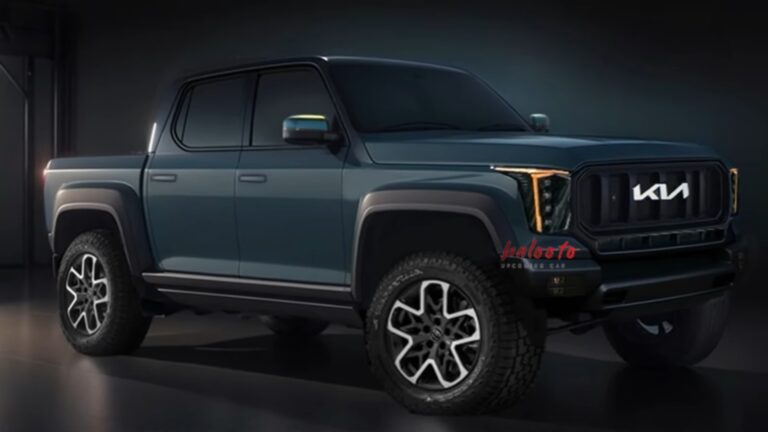
Unveiling the Mystery: What Are Gills On A Pickup Truck and Why Do They Matter?
Unveiling the Mystery: What Are Gills On A Pickup Truck and Why Do They Matter? Typestruck.Guidemechanic.com
When you’re cruising down the highway, you’ve probably noticed an interesting design feature on many modern pickup trucks: those distinctive, often slat-like openings on the fenders, hood, or even behind the wheels. They resemble the gills of a fish, hence the popular term “gills on a pickup truck.” But are these just for show, or do they serve a crucial purpose in the rugged world of trucking?
As an expert blogger and someone deeply immersed in the automotive world, I’ve seen countless debates and misconceptions surrounding these features. This comprehensive guide will peel back the layers, revealing everything you need to know about these fascinating components. From their functional roles in engine performance and aerodynamics to their significant contribution to a truck’s aesthetic appeal, we’ll explore why these "gills" are far more than just decorative elements.
Unveiling the Mystery: What Are Gills On A Pickup Truck and Why Do They Matter?
What Exactly Do We Mean by “Gills” on a Pickup Truck?
The term "gills" on a pickup truck is an informal but widely understood way to describe various types of vents, louvers, or scoops integrated into the vehicle’s bodywork. These can appear on the front fenders, near the wheel wells, on the hood, or sometimes even along the side panels. Visually, they often feature multiple parallel slits or a mesh-like design, evoking a sense of powerful, aggressive styling—much like the respiratory organs of a fish.
While they might look similar, their specific design and placement often hint at their intended function. Some are subtle, blending seamlessly with the truck’s lines, while others are bold and pronounced, making a strong visual statement. Understanding their true nature requires looking beyond their appearance and delving into their engineering purpose.
The Primary Purpose: Functionality Beyond Aesthetics
It’s easy to assume that all design elements on a vehicle are purely for looks. However, in the demanding world of pickup trucks, functionality often dictates form. The "gills" on a pickup truck frequently play critical roles in enhancing performance, longevity, and overall driving dynamics. These aren’t just cosmetic flourishes; many are integral engineering solutions.
Based on my experience evaluating vehicle designs, the most effective "gills" are those that serve a clear, practical purpose. They are designed to manage airflow, heat, and even pressure around the vehicle. This strategic engineering contributes significantly to the truck’s operational efficiency, especially under challenging conditions.
1. Engine Cooling and Heat Extraction
One of the most vital functions of "gills" on a pickup truck is to aid in engine cooling. Modern truck engines, especially those used for heavy-duty hauling, towing, or high-performance applications, generate an immense amount of heat. If this heat isn’t efficiently dissipated, it can lead to overheating, reduced performance, and long-term engine damage.
Hood vents and fender vents are often strategically placed to act as exhaust points for hot air. They allow superheated air trapped in the engine bay to escape, preventing it from recirculating and contributing to rising temperatures. This constant exchange of air helps maintain optimal operating temperatures for critical engine components. Pro tips from us: effective heat management is key to engine longevity, especially for trucks that work hard.
2. Aerodynamics and Airflow Management
Beyond cooling, many "gills" on a pickup truck are designed with aerodynamics in mind. Pickup trucks, by their very nature, are not the most aerodynamic vehicles. Their boxy shapes create significant air resistance, or drag, which can impact fuel efficiency and high-speed stability. Vents and louvers can strategically manipulate airflow around the vehicle.
For example, fender vents can reduce air pressure buildup within the wheel wells, which can otherwise create lift and drag. By allowing air to escape from these areas, they can smooth the airflow along the sides of the truck, potentially improving stability and reducing wind noise. While the impact might seem minor, every little bit counts in optimizing a vehicle’s aerodynamic profile. To understand more about the physics behind automotive aerodynamics, a great resource is a reputable automotive engineering resource.
3. Air Intake for Performance Enhancement
In some high-performance or off-road oriented pickup trucks, "gills" can double as functional air intakes. These designs are often found on the hood as prominent scoops or integrated into the fender lines. Their purpose is to channel cooler, denser ambient air directly into the engine’s air intake system.
Cooler air contains more oxygen molecules than warm air, leading to a more efficient combustion process and increased horsepower. This "ram air" effect is particularly beneficial at higher speeds, where the forward motion of the truck helps force air into the intake. For trucks built for speed or extreme conditions, these functional air intakes are not just for show but are crucial for maximizing engine output.
The Secondary Purpose: Aesthetics and Brand Identity
While functionality is paramount for many "gills," their role in shaping a truck’s visual identity cannot be overstated. Automotive design is a powerful tool for branding and conveying a vehicle’s character. "Gills" often contribute significantly to a truck’s aggressive, rugged, or sophisticated appeal.
Manufacturers invest heavily in design elements that resonate with their target audience. These vents often become signature styling cues, instantly recognizable to enthusiasts. They help differentiate models within a brand’s lineup and across competitors, making a truck stand out in a crowded market.
1. Aggressive Styling and Rugged Appeal
There’s an undeniable appeal to a truck that looks powerful and capable. "Gills" inherently convey a sense of performance and engineering prowess. Their presence often suggests that the truck means business, whether it’s tackling tough terrain or hauling heavy loads. They add visual "muscle" to the vehicle’s profile.
This aesthetic choice is particularly common on performance-oriented trucks like the Ford F-150 Raptor or the Ram TRX. These vehicles are designed to look as formidable as they perform, and prominent vents are key to achieving that aggressive stance. They communicate strength and readiness for any challenge.
2. Brand Differentiation and Model Specificity
Many truck manufacturers use unique "gill" designs as part of their brand language. These styling elements can help distinguish a specific model or trim level within a brand’s lineup. For instance, the fender vents on a heavy-duty model might differ significantly from those on a lighter-duty counterpart.
This design strategy helps consumers quickly identify different versions of a truck, often associating specific vent styles with higher performance, luxury, or off-road capability. It’s a subtle yet effective way for brands to communicate value and identity through design.
3. Customization Opportunities
For many truck owners, personalization is a huge part of the ownership experience. "Gills" offer an excellent opportunity for customization, both from the factory and through the aftermarket. Owners can choose trucks with specific vent designs, or they can opt to add or modify existing ones to suit their personal taste.
This allows individuals to further tailor their truck’s appearance, making it truly unique. Whether it’s adding chrome accents to existing vents or installing entirely new functional or decorative ones, the possibilities for personalization are vast.
Types of "Gills" and Vents on Pickup Trucks
The world of truck vents is more diverse than you might initially imagine. While they all serve similar overarching purposes—either functional or aesthetic—their placement and design vary significantly. Recognizing these different types can help you better understand your truck’s design.
From subtle side markers to prominent hood scoops, each type of vent plays a role in the truck’s overall engineering and visual package. Knowing the distinctions can also help in maintenance and customization decisions.
1. Fender Vents (Side Gills)
These are perhaps the most common type of "gills" associated with pickup trucks. Located on the front fenders, typically behind or above the front wheels, they often feature multiple horizontal or vertical slats. They are frequently decorative, but on some performance trucks, they can be functional for heat extraction from the engine bay or to relieve air pressure from the wheel wells.
Their placement makes them highly visible, contributing significantly to the truck’s side profile. They are often adorned with badging or chrome accents, further emphasizing their role as a styling statement.
2. Hood Vents and Scoops
Hood vents are found directly on the truck’s hood. They can range from subtle, flush-mounted vents to prominent, raised scoops. Functional hood vents are typically designed to either extract hot air from the engine bay or to scoop in cool air for the engine intake. These are especially common on high-performance variants or heavy-duty trucks.
Decorative hood scoops also exist, mimicking the look of their functional counterparts without providing any actual airflow. These are purely for aesthetic enhancement, giving the truck a more aggressive and sporty look.
3. Bed Vents (Less Common)
While less common than fender or hood vents, some specialized pickup truck designs or utility bodies may incorporate vents in the bed area. These are usually for specific purposes, such as ventilating storage compartments, cooling auxiliary equipment, or managing airflow for specific cargo. They are typically seen on highly customized or commercial vehicles rather than standard consumer pickups.
4. Brake Cooling Ducts (Rare on General Pickups)
In some extreme performance trucks or concept vehicles, "gills" might be integrated near the wheels to serve as brake cooling ducts. These ducts channel air directly to the brake rotors and calipers, helping to dissipate heat generated during heavy braking. While common on sports cars, this feature is rarer on general pickup trucks but can be found on highly specialized performance models.
Are They Always Functional? The "Faux" Gills Phenomenon
This is perhaps one of the most debated aspects of "gills" on pickup trucks. The truth is, not all vents you see are functional. Many are purely decorative, designed to give the illusion of performance or ruggedness without serving a mechanical purpose. This phenomenon of "faux" or non-functional vents is widespread across the automotive industry.
Manufacturers include non-functional vents for several reasons. It allows them to incorporate popular styling cues without the added cost and complexity of engineering a fully functional airflow system. It also provides a way to differentiate trim levels, where a lower-cost model can visually mimic a higher-performance variant.
How to Tell the Difference Between Functional and Faux Gills
Distinguishing between functional and decorative "gills" can sometimes be tricky, but there are a few tell-tale signs:
- Visibility of an Opening: For functional vents, you should be able to see through them, or at least clearly see an opening that leads to the engine bay or an air duct. If it’s a solid piece of plastic or just a shallow indentation, it’s likely decorative.
- Location and Design: Functional vents are typically strategically placed where airflow would be most beneficial for cooling or intake. They might have grilles or mesh to prevent debris from entering but will allow air passage.
- Manufacturer Specifications: The most definitive way is to consult your truck’s owner’s manual or manufacturer’s specifications. They will typically highlight any functional airflow features.
Common mistakes to avoid are assuming every cool-looking vent is working to enhance your truck’s performance. Often, they’re just there for the aesthetic, which isn’t necessarily a bad thing, but it’s important to be aware.
The Undeniable Benefits of Functional Gills
When "gills" on a pickup truck are genuinely functional, they offer a range of significant benefits that contribute to the truck’s overall health and performance. These advantages go beyond mere aesthetics, impacting everything from reliability to towing capacity.
Investing in a truck with functional vents or adding them aftermarket can be a wise decision for specific use cases. They are an often-overlooked aspect of vehicle engineering that truly makes a difference.
1. Improved Engine Longevity and Reliability
By effectively dissipating heat from the engine bay, functional vents help prevent components from operating under excessively high temperatures. This reduces thermal stress on gaskets, hoses, wiring, and other critical engine parts, extending their lifespan and improving overall reliability. A cooler engine is a happier, longer-lasting engine.
2. Enhanced Performance
For functional air intakes, cooler air means denser air, leading to a more potent combustion mixture. This translates directly to increased horsepower and torque, especially under demanding conditions. For high-performance trucks, this can mean the difference between winning and losing, or simply having more power when you need it most.
3. Better Towing and Hauling Capabilities
Trucks that regularly tow heavy loads or carry significant cargo put enormous strain on their engines and transmissions. Functional vents that aid in cooling become incredibly valuable here. They help prevent overheating during prolonged periods of high stress, ensuring the truck can maintain its performance and reliability even when working at its limits.
4. Reduced Risk of Overheating
The most direct benefit of functional cooling vents is the reduced risk of the engine overheating. Overheating can lead to costly repairs, roadside breakdowns, and dangerous situations. Effective heat extraction systems act as a crucial preventative measure, giving drivers peace of mind, especially during long trips or in hot climates.
Maintenance and Care for Your Truck’s Gills
Whether your truck’s "gills" are functional or decorative, they are still part of your vehicle’s exterior and require some attention. Proper care can preserve their appearance and, for functional vents, ensure they continue to perform their job effectively. Neglecting them can lead to blockages or deterioration.
Based on my experience, a little routine maintenance goes a long way in preserving the look and function of these features. It’s not just about keeping the paint shiny; it’s about the small details that make a big difference.
1. Regular Cleaning
Like any exterior part of your truck, "gills" can accumulate dirt, dust, road grime, and even insects. Regular cleaning with appropriate car wash soap and water is essential. Use a soft brush or detailing tool to get into the crevices and ensure all debris is removed. This prevents build-up that can dull their appearance or, for functional vents, impede airflow.
2. Checking for Obstructions
For functional vents, periodically inspect them for any blockages. Leaves, twigs, plastic bags, or even bird nests can obstruct airflow. Clear any debris to ensure air can move freely. This is particularly important after driving through dusty or heavily wooded areas.
3. Rust Prevention and Finish Protection
If your "gills" are made of metal or have metal components, inspect them for signs of rust or corrosion, especially in areas with harsh weather conditions. Apply appropriate rust-inhibiting products or waxes to protect their finish. For plastic vents, a UV protectant spray can prevent fading and cracking over time.
Customization and Aftermarket Gills
The aftermarket industry offers a vast array of options for truck owners looking to customize their "gills" or add new ones. Whether you’re aiming for improved functionality or a unique aesthetic, there’s a solution available. However, choosing wisely is key to a successful modification.
If you’re considering modifying your truck’s appearance, our article on might offer further inspiration.
1. Adding Functional Vents
For owners looking to enhance their truck’s performance, adding functional hood or fender vents can be a viable option. These often require cutting into the bodywork, so professional installation is highly recommended. Ensure the vents are designed for proper airflow and integrate seamlessly with your truck’s existing cooling or intake systems.
2. Installing Decorative Gills
If aesthetics are your primary goal, many aftermarket companies offer stick-on or bolt-on decorative "gills." These are typically easier to install and come in various styles, finishes, and materials. While they won’t improve performance, they can significantly alter your truck’s visual appeal.
3. Choosing the Right Type and Installer
When considering any aftermarket "gills," always prioritize quality. Cheap, poorly made parts can quickly deteriorate or even damage your truck’s finish. For functional additions, choose reputable brands known for their engineering. For installation, especially for cutting into body panels, always use a certified professional to ensure a clean, precise, and safe job.
Pro Tips from an Expert
Having spent years observing, analyzing, and working with vehicles, I’ve gathered some insights that can help you navigate the world of truck "gills."
- Inspect Before You Buy: If you’re buying a used truck, always inspect any vents to ensure they’re not damaged or poorly repaired. Check if they’re functional if that’s a feature you value.
- Understand Your Needs: Before adding aftermarket vents, honestly assess whether you need functional performance benefits or purely aesthetic ones. This will guide your choices and budget.
- Don’t Block Functional Vents: If your truck has functional "gills," never block them with accessories or decals. You could inadvertently hinder crucial cooling or airflow.
- Value of Functional Vents: For those who tow heavy loads, drive in extreme conditions, or have modified engines, functional vents are more than just a cool feature; they’re an essential performance and reliability upgrade. For a deeper dive into overall truck maintenance, check out our guide on .
The Future of Truck Gills and Vents
As automotive technology continues to evolve, so too will the design and function of "gills" on pickup trucks. The rise of electric trucks, for example, presents new challenges and opportunities for thermal management and aerodynamics. Electric vehicles have different cooling needs, often focusing on battery and motor temperature control rather than engine heat.
We might see more active aerodynamic elements, where vents open and close based on driving conditions to optimize airflow for cooling or efficiency. Design will continue to play a crucial role, but future "gills" are likely to be even more integrated with smart vehicle systems, dynamically adapting to maximize performance and efficiency. The evolution promises even more sophisticated and purposeful designs.
Conclusion: More Than Just a Pretty Face
The "gills" on a pickup truck are a fantastic example of how form and function intertwine in automotive design. While many are indeed decorative, adding to the rugged aesthetic that truck owners love, a significant number serve crucial roles in engine cooling, aerodynamics, and overall performance. They are silent workhorses, tirelessly managing heat and airflow to ensure your truck runs optimally, especially under demanding conditions.
Understanding the difference between functional and faux vents empowers you as a truck owner to make informed decisions about maintenance, customization, and even your next vehicle purchase. So, the next time you spot those distinctive slits on a pickup truck, you’ll know there’s a rich story of engineering, design, and purpose behind them. They are, without a doubt, a vital and fascinating feature in the dynamic world of pickup trucks.