Unveiling the Inside Dimensions of a 26-Foot Straight Truck: Your Ultimate Guide to Maximizing Cargo Space
Unveiling the Inside Dimensions of a 26-Foot Straight Truck: Your Ultimate Guide to Maximizing Cargo Space Typestruck.Guidemechanic.com
For businesses on the move, individuals planning a major relocation, or anyone involved in logistics, understanding the precise dimensions of their chosen transport vehicle is not just helpful—it’s absolutely critical. When it comes to versatile and widely used commercial vehicles, the 26-foot straight truck stands out as a true workhorse. It offers a substantial balance between capacity and maneuverability, making it a go-to option for a myriad of tasks.
This comprehensive guide delves deep into the inside dimensions of a 26 straight truck, dissecting every crucial measurement and exploring how these figures translate into real-world usability. We’ll go beyond the basic numbers, offering practical insights, professional tips, and essential considerations to ensure you can confidently load, transport, and maximize the potential of this indispensable vehicle. Prepare to become an expert in optimizing your cargo space and streamlining your operations.
Unveiling the Inside Dimensions of a 26-Foot Straight Truck: Your Ultimate Guide to Maximizing Cargo Space
What Exactly is a 26-Foot Straight Truck? A Foundation for Understanding
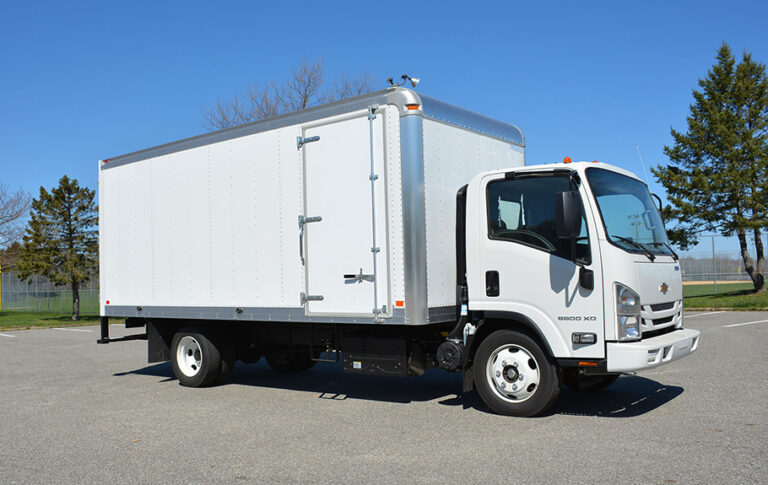
Before we dissect the interior, let’s establish a clear understanding of what a 26-foot straight truck entails. Often referred to as a "box truck," "cube truck," or even a "moving truck," this vehicle is characterized by its single, rigid chassis where the cab and cargo area are permanently attached. Unlike a tractor-trailer setup, there’s no articulation between the power unit and the cargo box, hence the "straight" designation.
The "26-foot" typically refers to the approximate length of the cargo box from the exterior. These trucks are a staple in various industries, from local and regional delivery services to residential and commercial moving companies. Their design allows for significant payload capacity without requiring a Commercial Driver’s License (CDL) in many jurisdictions, making them accessible to a broader range of operators. This accessibility, combined with their robust carrying capabilities, solidifies their position as a versatile logistics solution.
The Crucial Role of Knowing Interior Dimensions: Why Every Inch Matters
You might wonder why such meticulous attention to internal measurements is necessary. Based on my experience in the logistics and moving industries, knowing the precise inside dimensions of a 26-foot straight truck is paramount for several compelling reasons. It’s not just about fitting your items; it’s about efficiency, safety, and cost-effectiveness.
Firstly, accurate dimensions enable you to optimize every inch of cargo space. This means fitting more items, reducing the number of trips, and ultimately saving on fuel and rental costs. Without this knowledge, you risk underutilizing space or, worse, arriving at the loading dock only to find your cargo won’t fit as planned.
Secondly, understanding the interior space is vital for ensuring safety and compliance. Overloading a truck, either by volume or weight, is not only dangerous but also illegal. Knowing the exact cubic capacity helps prevent these scenarios. Furthermore, properly distributing weight within the truck is crucial for stable handling, and this can only be achieved with a clear picture of the available interior layout.
Finally, precise dimension knowledge contributes to better planning and smoother operations. Whether you’re a professional mover estimating a job or a business owner calculating shipping needs, having these figures at your fingertips allows for accurate quotes, efficient packing strategies, and a reduction in unexpected logistical hurdles. It transforms a potentially chaotic loading process into a strategic, well-executed operation.
Unpacking the Standard Inside Dimensions of a 26-Foot Straight Truck
While slight variations exist between manufacturers and models, there’s a general industry standard for the inside dimensions of a 26 straight truck. These core measurements form the backbone of your loading strategy. Let’s break them down in detail.
1. Interior Length: The Backbone of Your Capacity
The interior length is perhaps the most frequently considered dimension. For a 26-foot straight truck, you can typically expect an interior length ranging from 25 feet to 26 feet. This measurement is taken from the rear door to the bulkhead, which is the wall separating the cargo area from the cab.
It’s important to note that the "26-foot" designation often refers to the exterior length of the box. The internal measurement will always be slightly less due to the thickness of the front and rear walls. Additionally, some trucks might have a slight cab-overhang that extends into the cargo area, subtly reducing the usable length at the very front. Always confirm the specific truck’s internal measurements if precision is absolutely critical for your load.
2. Interior Width: Navigating Those Wheel Wells
The interior width is where things can get a little more nuanced. Generally, the interior width of a 26-foot straight truck ranges from 96 inches (8 feet) to 102 inches (8.5 feet). However, this is the maximum width from wall to wall. A significant factor impacting usable width is the presence of wheel wells.
These structural components, necessary to house the truck’s rear wheels, protrude into the cargo area. Over the wheel wells, the width can be reduced to as little as 48-50 inches (approximately 4 feet). This reduction is critical to consider when loading wide items, as they may need to span across the wheel wells or be placed between them. Always account for this narrower section when planning your layout to avoid frustrating loading delays.
3. Interior Height: Clearing the Overhead
The interior height is crucial for stacking items and ensuring taller pieces of furniture or equipment can fit without issue. Standard interior height for a 26-foot straight truck typically falls between 96 inches (8 feet) and 102 inches (8.5 feet).
Similar to width, there can be slight variations. Roof bows, which are the structural supports for the roof, can sometimes reduce the effective height slightly at certain points. Some trucks might also feature internal lighting fixtures or even small skylights that could subtly impact the maximum usable height for very tall items. For most common cargo, however, the 8-foot to 8.5-foot range provides ample vertical space.
4. Cubic Capacity: The Sum of All Parts
Once you have the length, width, and height, you can calculate the approximate cubic capacity – the total volume of space available. For a 26-foot straight truck, the cubic capacity typically ranges from 1,600 to 1,700 cubic feet.
This calculation is usually based on the general interior dimensions, often averaging out the impact of wheel wells for a usable volume estimate. To calculate it yourself, multiply the length (in feet) by the average width (in feet) by the average height (in feet). For example, 25.5 ft (L) x 8 ft (W) x 8 ft (H) = 1,632 cubic feet. This figure is incredibly useful for estimating how many boxes, furniture pieces, or pallets you can realistically accommodate.
Beyond the Basics: Factors Influencing Usable Space
While the standard dimensions provide a great starting point, several internal features can subtly, yet significantly, influence the actual usable space within your 26-foot straight truck. Being aware of these elements is a mark of true logistical expertise.
- Wheel Wells: As mentioned, these are the primary culprits for reducing floor-level width. Pro tips from us: Always load your heaviest, widest items that don’t fit between the wheel wells first, placing them over or in front of these obstructions. Lighter, narrower items can then fill the spaces around and between them.
- Tie-Down Rails and E-Track Systems: Most modern 26-foot straight trucks come equipped with tie-down rails or E-track systems along the interior walls. While these are invaluable for securing cargo, they do slightly reduce the effective width at their respective heights. This usually isn’t a major issue, but for extremely tight fits, it’s worth noting.
- Bulkhead/Cab Overhang: The front wall of the cargo box (the bulkhead) can sometimes have an indentation or slight overhang from the cab’s sleeping or storage area. This can slightly reduce the usable length at the very top front of the box. It’s often a small reduction but can be relevant for exceptionally long items.
- Liftgates: While not impacting interior dimensions, the presence of a liftgate on the rear of the truck affects the loading and unloading process. Trucks with liftgates typically have a slightly shallower rear door frame to accommodate the mechanism, but the internal box dimensions remain consistent.
- Insulation/Reefer Units: If you’re using a refrigerated (reefer) straight truck, be prepared for a substantial reduction in internal dimensions. The thick insulated walls and the cooling unit itself will significantly eat into the standard length, width, and height, sometimes reducing cubic capacity by 15-20% or more. Always check specific reefer dimensions if you’re transporting temperature-sensitive goods.
Real-World Application: What Can You Fit Inside a 26-Foot Straight Truck?
Translating numbers into practical capacity is where the true value of knowing these dimensions shines. A 26-foot straight truck is remarkably versatile, capable of handling a diverse range of cargo.
Residential Moves: The Ultimate Family Relocation Vehicle
For residential moves, a 26-foot straight truck is often recommended for homes with 3-5 bedrooms. It can typically accommodate:
- Large appliances (refrigerators, washers, dryers, stoves).
- Multiple king-sized beds with frames.
- Bulky furniture (sofas, dressers, dining tables, entertainment centers).
- Hundreds of moving boxes of various sizes.
- Outdoor equipment (grills, patio furniture, some lawnmowers).
The key is strategic packing and stacking, utilizing the full height and width while being mindful of weight distribution.
Commercial Deliveries: Pallets and More
In a commercial setting, the 26-foot straight truck is a workhorse for LTL (Less Than Truckload) shipments and local distribution. It’s particularly adept at handling palletized goods.
- Pallet Capacity: Using standard 48×40 inch pallets, a 26-foot straight truck can typically hold between 10 to 12 pallets if loaded straight (single row). With careful maneuvering and "pinwheeling" some pallets (placing them perpendicular to others), you might fit slightly more, but this depends on the specific pallet dimensions and loading expertise. Remember, the wheel wells will restrict side-by-side loading for the entire length.
- Other Commercial Goods: Beyond pallets, these trucks are perfect for delivering retail inventory, construction materials, small machinery, event equipment, and even specialized cargo like artwork or sensitive electronics, provided they are properly secured.
Pro Tips for Maximizing Your 26-Foot Straight Truck’s Capacity
Based on my extensive experience, simply knowing the dimensions isn’t enough; you need to know how to leverage them. Here are some professional tips for making the most of your 26-foot straight truck’s capacity:
- Strategic Loading Techniques: Don’t just throw items in. Start by loading your heaviest, bulkiest items against the front wall (bulkhead), distributing their weight evenly. Fill the space from floor to ceiling, using lighter, more fragile items to fill gaps at the top. This "wall of boxes" approach maximizes vertical space and prevents shifting.
- Utilize Furniture Disassembly: Many pieces of furniture, like bed frames, dining tables, and even some modular sofas, can be disassembled. This significantly reduces their footprint, allowing you to fit more into the truck and protect delicate parts. Always keep hardware in clearly labeled bags.
- Invest in Proper Packing Supplies: High-quality moving blankets, stretch wrap, and sturdy boxes are your best friends. Blankets protect furniture from scratches, stretch wrap secures drawers and doors, and uniform boxes stack more efficiently.
- Weight Distribution is Key: Never load all the heaviest items at the front or back. A balanced load ensures stable driving and prevents undue stress on the truck’s axles. Aim for roughly 60% of the weight over the front half of the cargo area and 40% over the rear. This is crucial for safe handling, especially during braking and turning.
- Pre-Planning and Measurement: Before you even open the truck door, measure your largest items. Create a rough floor plan on paper or mentally visualize how items will fit. This pre-planning will save you immense time and frustration during the actual loading process.
- Use Ramps or Liftgates Effectively: If your truck has a ramp, use hand trucks and dollies to safely move heavy items. If it has a liftgate, understand its weight limit and ensure items are centered before lifting or lowering. Never try to push items off a liftgate; always use a hand truck.
Common Mistakes to Avoid When Loading a 26-Foot Straight Truck
Even with the best intentions, common errors can lead to damaged goods, unsafe driving conditions, or wasted space. Recognizing these pitfalls is as important as knowing the best practices.
- Overloading (Weight and Volume): This is perhaps the most critical mistake. Every truck has a Gross Vehicle Weight Rating (GVWR) and a payload capacity. Exceeding these limits can damage the truck, void insurance, and is illegal. Furthermore, cramming too much into the box without proper securing leads to items shifting and breaking. Always check the truck’s payload capacity, usually found on a sticker inside the cab.
- Improper Securing of Cargo: Items that are not properly tied down are a major hazard. They can shift during transit, causing damage to other items or, worse, breaking through the truck walls or rear door. Pro tips from us: Always use multiple tie-downs (ratchet straps are excellent) to secure items to the E-track or tie-down rails. Create a tight, interlocking load that prevents movement.
- Ignoring Height Restrictions: While the internal height is generous, external clearances are also vital. Be mindful of low bridges, overpasses, and even tree branches when driving. Internally, ensure that items stacked to the ceiling are stable and won’t topple during bumps or turns.
- Uneven Weight Distribution: Loading all heavy items at the back can cause the front wheels to lift slightly, impairing steering and braking. Conversely, too much weight at the front can overload the front axle. Distribute weight evenly from front to back and side to side for optimal handling and safety.
- Leaving Gaps: Any empty space is an invitation for cargo to shift. Use moving blankets, pillows, or smaller boxes to fill all voids, creating a solid, interlocking block of cargo. This is crucial for preventing damage.
Legal and Safety Considerations: Driving with Confidence
Operating a 26-foot straight truck comes with responsibilities beyond just loading. Understanding basic legal and safety parameters ensures a smooth, incident-free journey.
Firstly, familiarize yourself with the Gross Vehicle Weight Rating (GVWR) and the Payload Capacity of your specific truck. The GVWR is the maximum operating weight of the truck as specified by the manufacturer, including the vehicle itself, fuel, passengers, and cargo. The payload capacity is the maximum weight of cargo you can legally carry. Never exceed these limits.
Secondly, while a CDL isn’t typically required for these trucks for personal use or intrastate commerce, commercial operations often fall under Department of Transportation (DOT) regulations, particularly regarding cargo securement. outlines these requirements in detail, emphasizing the importance of securing your load to prevent shifting or falling. Adhering to these guidelines is not just about compliance; it’s about road safety for everyone.
Finally, remember that driving a 26-foot straight truck is significantly different from driving a passenger car. It has a longer braking distance, wider turning radius, and is more susceptible to crosswinds. Always drive defensively, allow extra space, and be aware of your surroundings.
Choosing the Right 26-Foot Straight Truck: Beyond Dimensions
While interior dimensions are paramount, other features can enhance your experience with a 26-foot straight truck.
- Ramp vs. Liftgate: Most rental trucks offer either a walk ramp or a hydraulic liftgate. A ramp is great for hand trucks and lighter items, while a liftgate is invaluable for heavy appliances, pianos, or palletized goods. Choose based on your cargo.
- Fuel Type: Most 26-foot straight trucks run on diesel, which offers better fuel efficiency for long hauls but can be more expensive per gallon. Some smaller models might run on gasoline.
- Cabin Features: Consider air conditioning, comfortable seating, and even cruise control for longer drives. A comfortable driver is a safer driver.
for more detailed insights into selecting the perfect vehicle for your needs.
Conclusion: Mastering the 26-Foot Straight Truck’s Potential
The inside dimensions of a 26 straight truck are more than just numbers; they are the blueprint for efficient logistics, successful moves, and profitable operations. By thoroughly understanding its interior length, width, height, and cubic capacity, along with the nuances of factors like wheel wells and tie-down systems, you empower yourself to make informed decisions.
From maximizing every cubic foot of space to ensuring the safety of your cargo and compliance with regulations, this comprehensive knowledge transforms you from a novice loader into a strategic logistics professional. Remember the pro tips for loading, avoid common mistakes, and always prioritize safety. With this guide in hand, you’re now equipped to fully harness the impressive capabilities of the 26-foot straight truck, ensuring your next move or delivery is executed with precision and confidence.
to further refine your loading prowess.