Unpacking the Powerhouse: A Comprehensive Guide to GM Brands and Their Enduring Legacy
Unpacking the Powerhouse: A Comprehensive Guide to GM Brands and Their Enduring Legacy Typestruck.Guidemechanic.com
General Motors (GM) stands as a titan in the global automotive industry, a conglomerate whose reach extends across continents and generations. Far more than just a car company, GM is a diverse ecosystem of iconic brands, each meticulously crafted to cater to distinct segments of the market. From rugged workhorses to luxurious cruisers and cutting-edge electric vehicles, the portfolio of GM Brands represents a masterclass in market segmentation and engineering prowess.
In this deep dive, we’ll embark on an expansive journey through the history, identity, and future trajectory of General Motors’ most significant marques. Our goal is to provide an incredibly detailed, unique, and insightful exploration, offering a true pillar of content for anyone seeking to understand the immense scope and enduring impact of this automotive giant. Based on my extensive experience covering the automotive sector, understanding GM isn’t just about knowing their cars; it’s about appreciating a legacy of innovation, resilience, and strategic evolution.
Unpacking the Powerhouse: A Comprehensive Guide to GM Brands and Their Enduring Legacy
The Genesis of an Automotive Giant: General Motors’ Foundation
The story of GM begins not with a single car, but with a visionary industrialist named William C. Durant in 1908. Durant’s ambition was unprecedented: he sought to consolidate numerous independent car manufacturers under one umbrella, believing in the power of shared resources and economies of scale. This foundational philosophy laid the groundwork for the diverse collection of GM Brands we know today.
Initially, Durant brought together Buick and Oldsmobile, quickly adding Cadillac and Oakland (which would later become Pontiac). His genius lay in recognizing that different brands could appeal to different tastes and budgets, all while benefiting from centralized management and engineering. This early strategy of acquiring and nurturing distinct brands proved revolutionary, setting GM apart as a formidable force from its very inception. The conglomerate’s ability to adapt and grow through the roaring twenties, the Great Depression, and two World Wars cemented its status as an industrial powerhouse, perpetually shaping the automotive landscape.
Why GM’s Brand Portfolio Matters: A Strategic Overview
The multi-brand strategy employed by General Motors is not merely a historical quirk; it’s a fundamental pillar of its global success. This approach allows GM to cast a wide net, capturing diverse customer preferences and market niches that a single brand could never address effectively. Each of the GM Brands occupies a unique position, minimizing internal competition while maximizing overall market share.
From a strategic perspective, this diversification offers several key advantages. It enables GM to share platforms, components, and technological advancements across brands, significantly reducing research and development costs. For instance, an innovative engine developed for a Chevrolet truck might find its way, with modifications, into a GMC SUV. Furthermore, a broad brand portfolio provides resilience; if one segment experiences a downturn, others can often compensate, offering stability to the entire corporation. Pro tips from us suggest that truly understanding an automotive giant requires appreciating the intricate dance between its individual brands and the overarching corporate strategy that binds them.
A Deep Dive into the Core GM Brands
Now, let’s peel back the layers and explore the identity, legacy, and future direction of the most prominent GM Brands.
Chevrolet: The Heartbeat of America
Chevrolet, often affectionately known as "Chevy," is arguably the most recognizable and widespread of all GM Brands. Founded in 1911 by Louis Chevrolet and William C. Durant, it was designed to offer a car for every purse and purpose. This ethos has endured for over a century, making Chevrolet a ubiquitous presence on roads worldwide.
Brand Identity & Legacy: Chevrolet embodies the spirit of American ingenuity and accessibility. Its legacy is built on reliability, affordability, and a strong connection to the average American consumer. From dependable family sedans to rugged pickup trucks and iconic sports cars, Chevy has consistently delivered vehicles that resonate with a broad audience. It’s the brand that has powered countless households and businesses, earning a deep sense of loyalty from its owners.
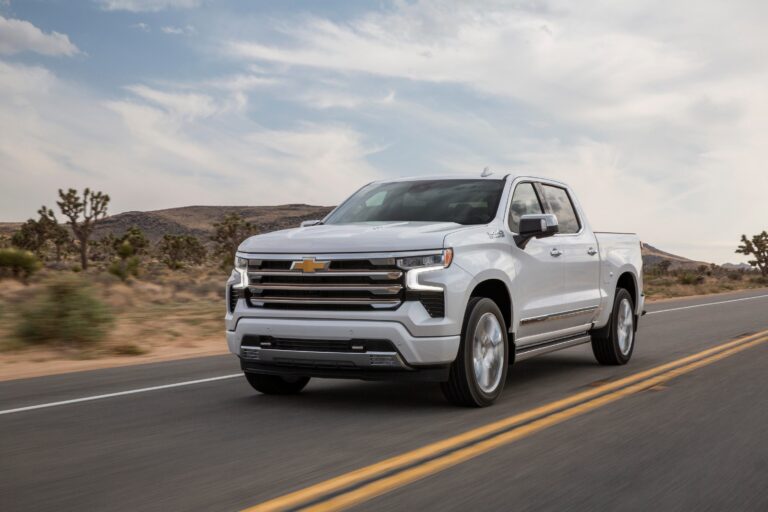
Key Models & Offerings: The Silverado pickup truck stands as a cornerstone of the Chevrolet lineup, a perennial best-seller known for its capability and versatility. The Equinox and Traverse SUVs offer spacious and practical options for families, while the legendary Corvette and Camaro continue to captivate enthusiasts with their performance and distinctive styling. Chevrolet’s commitment to innovation is also evident in its electric offerings, like the Bolt EV and the upcoming Silverado EV.
Current Market Position: Chevrolet maintains a dominant position in the North American market, particularly in the truck and SUV segments. It competes fiercely with brands like Ford and Ram, constantly innovating to meet evolving consumer demands for fuel efficiency, technology, and safety. Globally, Chevy has a significant presence in Latin America and other emerging markets, tailoring its offerings to local preferences.
Future Direction: The future for Chevrolet is heavily focused on electrification and advanced technology. The brand is at the forefront of GM’s "all-electric future" vision, with a growing lineup of Ultium-powered EVs. Expect to see more electric trucks, SUVs, and even performance vehicles carrying the iconic bowtie badge, pushing the boundaries of what a mainstream brand can offer.
Cadillac: American Luxury Redefined
Cadillac, established in 1902 and named after Antoine de la Mothe Cadillac, the founder of Detroit, has long been synonymous with American luxury, prestige, and pioneering technology. For decades, owning a Cadillac was the ultimate symbol of success and sophistication in the United States.
Brand Identity & Legacy: Cadillac’s legacy is one of engineering excellence and opulent design. It was the first American car to win the Royal Automobile Club of Great Britain’s Dewar Trophy for interchangeability of parts, a testament to its precision manufacturing. Throughout the 20th century, Cadillac introduced numerous automotive firsts, including electric self-starters, synchromesh transmissions, and high-compression V8 engines. It represents a distinctive American interpretation of luxury, often characterized by bold styling and powerful performance.
Key Models & Offerings: Today’s Cadillac lineup ranges from the popular XT4, XT5, and XT6 luxury SUVs to the flagship Escalade, a full-size SUV that remains a cultural icon. Performance enthusiasts appreciate the V-Series models, which offer track-ready capabilities in a luxurious package. Cadillac is also aggressively moving into the electric vehicle space with its stunning Lyriq SUV and the upcoming ultra-luxury Celestiq.
Current Market Position: Cadillac is actively redefining its place in the global luxury market, competing with established European brands like Mercedes-Benz, BMW, and Audi, as well as Japanese luxury marques like Lexus. The brand is shedding its older image to appeal to a younger, more technologically astute demographic, emphasizing cutting-edge design and advanced electric powertrains.
Future Direction: Cadillac is leading GM’s electric revolution within the luxury segment. The brand has committed to an all-electric future, with a clear strategy to introduce a full portfolio of EVs. This pivot signifies a bold move to reassert its position as a leader in automotive innovation, blending its storied past with a technologically advanced and sustainable future.
GMC: Professional Grade Utility
GMC, or General Motors Truck Company, has carved out a distinct niche within the GM Brands portfolio by focusing exclusively on trucks, SUVs, and commercial vehicles. While often sharing platforms with Chevrolet, GMC vehicles are positioned as premium, professional-grade alternatives, offering enhanced features, more refined styling, and a higher level of perceived quality.
Brand Identity & Legacy: The GMC brand identity is built around "Professional Grade" capability and refinement. It appeals to buyers who demand robust performance and durability for work or demanding lifestyles, but also appreciate a more upscale experience than typically found in a standard work truck. GMC’s legacy is one of unwavering utility, providing dependable transportation and hauling solutions for businesses and discerning personal owners alike.
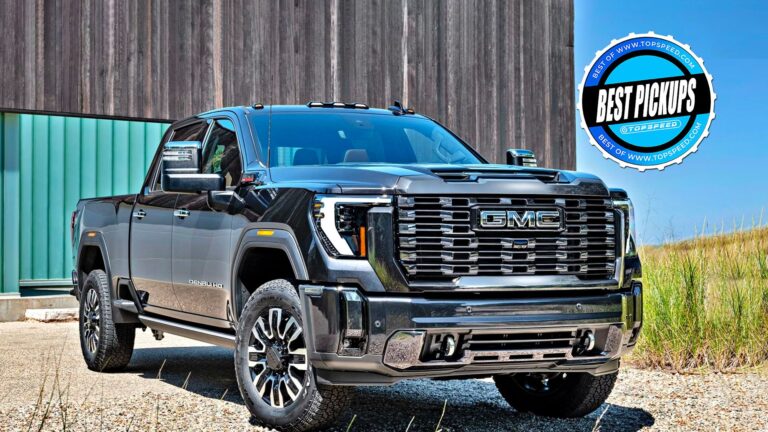
Key Models & Offerings: The Sierra pickup truck is GMC’s direct competitor to the Chevrolet Silverado, distinguished by its more aggressive styling, exclusive features like the MultiPro Tailgate, and luxurious Denali trim levels. The Acadia, Terrain, and Yukon SUVs offer a range of sizes and capabilities, all embodying the "Professional Grade" ethos. GMC also offers commercial vans and specialized vehicles for various industries.
Current Market Position: GMC holds a strong position in the premium truck and SUV segments, particularly in North America. It successfully attracts customers who might otherwise consider luxury SUVs from other brands, offering a blend of rugged capability with high-end amenities. Its Denali sub-brand has been particularly successful, creating a distinct luxury tier within the utility vehicle market.
Future Direction: Like its GM siblings, GMC is embracing electrification. The highly anticipated Hummer EV, available as both an SUV and a pickup, is a testament to GMC’s ability to innovate within its "Professional Grade" framework, blending extreme off-road capability with zero emissions. Expect more electric trucks and SUVs to join the GMC lineup, maintaining its focus on premium utility in an evolving automotive landscape.
Buick: Accessible Luxury with Global Appeal
Buick, one of the oldest automotive brands in the world, founded in 1903, has undergone a significant transformation over the decades. Once a quintessential American luxury brand, it has evolved to become a purveyor of accessible premium vehicles, with a surprisingly strong global presence, particularly in China.
Brand Identity & Legacy: Buick’s identity centers on quiet luxury, refined comfort, and a smooth, composed driving experience. Its legacy includes pioneering technologies like overhead valve engines and the "Dynaflow" automatic transmission. Historically, Buick has occupied a space between mainstream brands and high-end luxury, offering more sophistication and features than a Chevrolet, but without the ultimate price tag of a Cadillac. It’s known for its serene interiors and emphasis on passenger comfort.
Key Models & Offerings: Today, Buick’s North American lineup primarily consists of SUVs, including the Encore GX, Envision, and Enclave. These vehicles emphasize stylish design, comfortable rides, and a host of modern technology and safety features. In China, Buick offers a broader range of sedans and MPVs, tailored to that market’s unique preferences.
Current Market Position: In North America, Buick targets customers seeking a premium experience without the premium price tag, often appealing to empty-nesters or those desiring a comfortable, well-appointed daily driver. Globally, especially in China, Buick is a highly successful and aspirational brand, often seen as a symbol of prosperity and modern comfort. This dual market strategy highlights the brand’s adaptability.
Future Direction: Buick is also on a path towards electrification and a more streamlined product portfolio. The brand has previewed future electric concepts that blend sleek, modern aesthetics with advanced technology. Its focus will remain on delivering refined, comfortable, and technologically advanced vehicles, increasingly with electric powertrains, to maintain its position as an accessible luxury option.
Beyond the Main Four: Other Significant GM Entities
While Chevrolet, Cadillac, GMC, and Buick form the core consumer-facing GM Brands, General Motors also operates other vital entities that underscore its diverse capabilities and future ambitions. These include:
- GM Defense: This division leverages GM’s commercial technology and manufacturing expertise to develop and produce military vehicles and solutions for global defense customers. It showcases GM’s robust engineering beyond civilian applications.
- BrightDrop: A newer venture, BrightDrop is focused on electrifying the last-mile delivery segment. It offers electric light commercial vehicles, software, and services designed to help businesses transport goods more efficiently and sustainably. This is a crucial area for future logistics.
- Cruise: GM has made significant investments in autonomous vehicle technology through Cruise. This subsidiary is developing self-driving cars and aims to deploy autonomous ride-sharing and delivery services, representing a bold leap into the future of transportation.
These ventures demonstrate that General Motors is not just evolving its traditional car brands but is actively shaping new industries and technological frontiers.
The Technological Backbone: Shared Platforms and Innovation
A critical aspect underpinning the success and efficiency of GM Brands is the strategic use of shared vehicle architectures and advanced technological platforms. This approach allows GM to achieve economies of scale, accelerate development cycles, and ensure consistent quality across its diverse offerings.
The most prominent example of this today is the Ultium Platform. This revolutionary battery and motor architecture is the cornerstone of GM’s electric vehicle strategy. Ultium batteries are modular, allowing for various battery configurations and vehicle types, from compact SUVs to large pickup trucks and luxury sedans. This flexibility enables each of the GM Brands to develop distinct EV models while leveraging the same fundamental, highly efficient electric powertrain technology. This shared backbone is crucial for GM’s ambitious goal of an all-electric future.
Beyond electrification, GM invests heavily in other areas of innovation. This includes advanced driver-assistance systems (ADAS) like Super Cruise, their hands-free driving technology, which is being rolled out across multiple brands. Connectivity features, intuitive infotainment systems, and robust cybersecurity measures are also developed centrally and then integrated into vehicles across the portfolio, ensuring a consistent and high-quality user experience.
GM’s Electric Revolution: Paving the Way for a Sustainable Future
The automotive industry is undergoing its most profound transformation in a century, driven by the imperative for electrification and sustainable mobility. General Motors has firmly committed to leading this charge, positioning its GM Brands at the forefront of the electric vehicle (EV) revolution. This isn’t just about building electric cars; it’s about fundamentally rethinking manufacturing, supply chains, and consumer experiences.
The "Ultium" platform, as mentioned, is the technological heart of this revolution. It allows GM to scale EV production rapidly and efficiently, offering a range of battery sizes and motor configurations to suit various vehicle types and performance needs. Each of the core GM Brands is playing a vital role in this transition: Cadillac with its luxury EVs like the Lyriq, Chevrolet with mainstream options like the Bolt EUV and upcoming Silverado EV, and GMC with groundbreaking vehicles like the Hummer EV.
Pro tips from us for understanding the EV landscape: it’s not just about battery range. It’s about charging infrastructure, software integration, and the overall ecosystem of services. GM is investing in all these areas, building out its charging network partnerships and developing integrated digital platforms to support its growing EV customer base. This holistic approach is crucial for widespread adoption and long-term success.
Common Misconceptions and Challenges Facing GM Brands
Despite its immense legacy and forward-looking strategies, General Motors, like any large corporation, has faced its share of challenges and misconceptions. Common mistakes to avoid when assessing an automotive giant are focusing solely on past issues without acknowledging current progress and future plans.
One historical challenge often cited is the 2009 bankruptcy and subsequent restructuring. While a difficult period, this event ultimately allowed GM to shed non-performing assets, streamline operations, and emerge as a leaner, more focused company. It forced a critical re-evaluation of its brand portfolio and a renewed commitment to quality and innovation.
Today, challenges include intense competition from both legacy automakers and new EV startups, supply chain disruptions (especially semiconductor shortages), and the rapid pace of technological change. Convincing traditional internal combustion engine (ICE) customers to transition to EVs, building out adequate charging infrastructure, and managing the complexities of global manufacturing all present significant hurdles. However, GM’s strategic investments in Ultium, autonomous driving (Cruise), and new business models (BrightDrop) demonstrate a proactive approach to overcoming these obstacles.
The Road Ahead: What’s Next for General Motors and Its Brands
The future for General Motors and its diverse collection of GM Brands is undoubtedly electric, autonomous, and connected. The company’s strategic vision is clear: to create a world with zero crashes, zero emissions, and zero congestion. This ambitious goal is driving unprecedented investment and innovation across all its operations.
Expect to see a continued expansion of the Ultium-powered EV lineup, with new models introduced across Chevrolet, Cadillac, GMC, and Buick. The integration of advanced driver-assistance systems, leading towards fully autonomous vehicles, will become more prevalent. Connectivity will transform the in-car experience, offering seamless integration with digital lives and new subscription-based services.
GM is also heavily focused on sustainable manufacturing practices, aiming for carbon neutrality in its global operations. This commitment extends beyond its vehicles to its factories and supply chain, demonstrating a holistic approach to environmental responsibility. The ongoing evolution of GM Brands will be characterized by a relentless pursuit of innovation, a deep understanding of evolving consumer needs, and a steadfast commitment to shaping the future of mobility.
Conclusion: A Legacy Forged, A Future Defined
General Motors stands as a testament to industrial vision, strategic adaptation, and enduring innovation. Its portfolio of GM Brands – Chevrolet, Cadillac, GMC, and Buick – each tells a unique story of heritage, purpose, and evolution. From the accessible reliability of a Chevy to the redefined luxury of a Cadillac, the professional grade utility of a GMC, and the global appeal of a Buick, these brands collectively cater to an immense spectrum of automotive desires.
The journey through GM’s diverse marques reveals a company not content to rest on its laurels but one actively building the future of transportation. With massive investments in electrification, autonomous technology, and connected services, General Motors is not just participating in the automotive revolution; it is leading it. The legacy forged over a century is now defining a new era, promising a future where GM Brands continue to drive progress, innovation, and value for generations to come.