Unlocking Value: Your Ultimate Guide to Finding and Buying State Trucks For Sale
Unlocking Value: Your Ultimate Guide to Finding and Buying State Trucks For Sale Typestruck.Guidemechanic.com
Embarking on the journey to acquire a reliable workhorse for your business or personal project can often feel like navigating a complex maze, especially when budget constraints are a primary concern. New trucks come with a hefty price tag, and the private used market can be a minefield of uncertainty. But what if there was a treasure trove of well-maintained, diverse, and often surprisingly affordable vehicles waiting to be discovered? Enter the world of "State Trucks For Sale."
This comprehensive guide will peel back the layers of this unique market, offering you an in-depth look at everything from understanding what these trucks are to mastering the art of inspecting and purchasing them. Our goal is to equip you with the knowledge and confidence to make an informed decision, ensuring you find a valuable asset that serves your needs for years to come. Prepare to unlock significant savings and uncover hidden gems in the public surplus sector.
Unlocking Value: Your Ultimate Guide to Finding and Buying State Trucks For Sale
Understanding "State Trucks For Sale": What Exactly Are They?
When we talk about "State Trucks For Sale," we’re referring to vehicles and heavy equipment previously owned and operated by various government entities at the state or local level. This can encompass a broad spectrum, from state departments of transportation (DOT) and environmental agencies to municipal police departments, fire services, school districts, and even utility companies that operate under public contracts. These aren’t just your typical pickup trucks; the inventory can be incredibly diverse.
These government agencies regularly rotate their fleets for several reasons. It could be due to scheduled upgrade cycles, where older vehicles are replaced with newer models to meet operational demands or comply with updated regulations. Budgetary constraints might also necessitate the sale of surplus assets. Sometimes, vehicles are sold because they’ve reached the end of their service life, or they might have sustained damage that makes them uneconomical for the agency to repair.
The primary characteristic of these trucks is their previous life in public service. This often means they’ve been subject to specific maintenance schedules and operational guidelines, which can be a double-edged sword that we’ll explore in detail. Understanding their origin is the first step toward appreciating their potential value and identifying their unique considerations.
The Allure of State Trucks: Why Should You Consider Them?
The idea of buying a truck previously owned by a government agency might seem unconventional, but it offers a compelling set of advantages that make it a highly attractive option for savvy buyers. These benefits often translate into significant value, provided you approach the process with due diligence.
1. Significant Cost Savings: This is undoubtedly the most immediate and compelling draw. State trucks are almost always sold at a fraction of the cost of new vehicles, and often considerably less than comparable models on the private used market. Agencies aim to recover some capital, not necessarily maximize profit, making them excellent opportunities for budget-conscious buyers.
2. Documented Maintenance Records: Based on my experience, one of the biggest benefits of government-owned vehicles is the meticulous record-keeping. Public agencies typically adhere to strict maintenance protocols and log every service, repair, and inspection. This transparency provides an invaluable history, giving you a clearer picture of the vehicle’s past care, which is often difficult to obtain from private sellers.
3. Diverse and Specialized Inventory: The variety of "State Trucks For Sale" is truly remarkable. You might find anything from standard pickup trucks and sedans to highly specialized equipment like dump trucks, snow plows, utility bucket trucks, ambulances, or even heavy construction machinery. This broad selection means there’s a higher chance of finding a vehicle perfectly suited for your specific needs, even niche applications.
4. Potential for Good Condition and Reliability: While every vehicle is unique, many government trucks are maintained to a high standard to ensure operational reliability and safety for public service. They are often serviced by in-house mechanics who follow preventative maintenance schedules, aiming to extend the life of the assets. This proactive approach can mean a longer lifespan for the truck once it’s in your hands.
5. Transparent Buying Process: Most state and municipal truck sales occur through public auctions, whether online or in person. This process is generally very transparent, with clear terms and conditions, inspection periods, and straightforward bidding. There’s less guesswork compared to negotiating with individual sellers, and the rules are typically well-defined for all participants.
Navigating the Market: Where to Find State Trucks For Sale
Finding these hidden gems requires knowing where to look. The market for government surplus vehicles is primarily online, but local opportunities also abound. Proactively searching these channels will significantly increase your chances of securing a great deal.
1. Government Surplus Websites: The federal government’s General Services Administration (GSA) is a major player, offering a wide array of surplus vehicles from various federal agencies. One of the most comprehensive platforms for government surplus is GSA Auctions, which you can explore at https://gsaauctions.gov. Many individual states also operate their own surplus property websites, often linked through their state government portals. These sites consolidate listings from various state agencies.
2. Local Municipal Auctions: Don’t overlook opportunities closer to home. Cities, counties, school districts, and other local public entities frequently sell off their surplus vehicles. These auctions might be advertised on their official websites, local government bulletin boards, or through local auction houses they contract with. A quick search for " surplus auction" can yield surprising results.
3. Online Auction Platforms: Beyond government-specific sites, many commercial online auction platforms specialize in heavy equipment and commercial vehicles. These platforms often partner with government agencies to liquidate their assets. Websites like GovPlanet, IronPlanet, or local auctioneers’ sites are excellent resources to monitor. These platforms often feature detailed listings, photos, and sometimes even inspection reports.
4. Direct Contact (Less Common but Possible): While most sales go through formal auction channels, occasionally, an agency might list a vehicle directly for sale, especially if it’s a very specialized piece of equipment or they are trying to move it quickly. This is less common for general "State Trucks For Sale" but worth keeping an eye out for on specific agency procurement pages.
Pro Tip from Us: Set up email alerts on these various platforms for specific vehicle types or keywords like "dump truck" or "utility truck." This proactive approach ensures you’re notified immediately when new listings that match your criteria become available, giving you an edge in a competitive market.
Types of State Trucks You Might Encounter
The diversity of "State Trucks For Sale" is one of its most appealing aspects. Depending on your needs, you could find anything from a basic sedan to a massive piece of construction equipment. Understanding the common categories can help you narrow your search and identify potential targets.
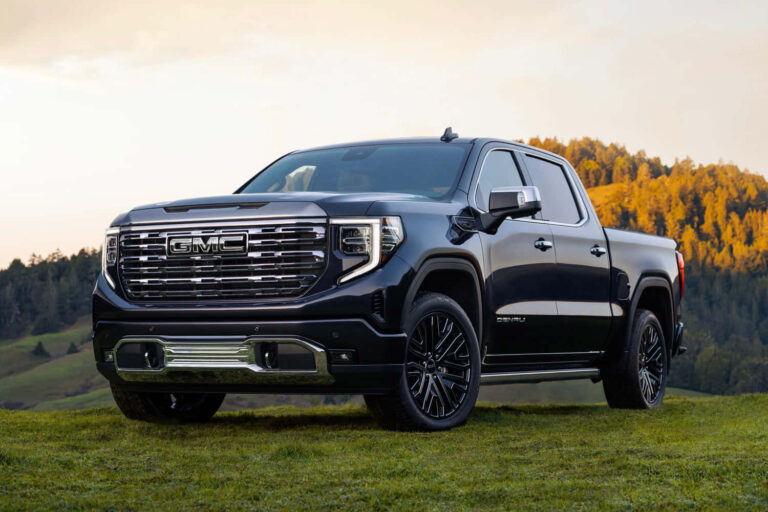
1. Light-Duty Trucks and SUVs: These are very common. State agencies, police departments, and administrative bodies often use pickup trucks like Ford F-150s, Chevrolet Silverados, and Ram 1500s for various tasks, as well as SUVs like Tahoes or Explorers. These are often well-maintained but might have high mileage from extensive use.
2. Medium-Duty Trucks: This category includes a broad range of workhorses. You’ll frequently find utility trucks with service bodies, bucket trucks for electrical or tree work, flatbed trucks, and stake-body trucks. These are ideal for contractors, landscapers, or anyone needing a dedicated work vehicle with specialized capabilities.
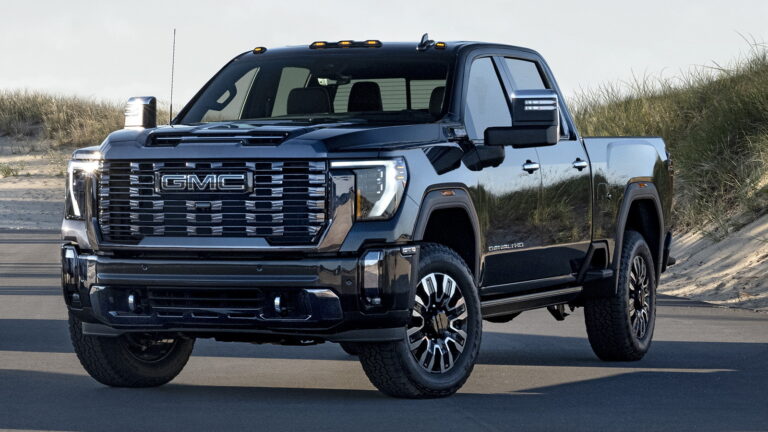
3. Heavy-Duty Trucks: For those requiring serious hauling or specialized operations, heavy-duty trucks are often available. This includes large dump trucks used by DOTs for road maintenance, snow plows (often with the plow assembly included), refuse trucks from sanitation departments, and even fire trucks or ladder trucks. These vehicles are built for demanding tasks and can represent significant value.
4. Specialized Vehicles: This category covers a wide array of unique vehicles. You might find ambulances (often stripped of medical equipment but still excellent platforms for conversions), school buses (which can be transformed into RVs or mobile workshops), or police cruisers (typically sold after their law enforcement equipment has been removed, but retaining robust engines and heavy-duty suspensions).
5. Construction and Agricultural Equipment: State agencies, particularly those involved in infrastructure and land management, also retire heavy machinery. Look out for tractors, backhoes, excavators, loaders, graders, and other specialized construction equipment. These can be incredibly valuable for businesses in the construction or agricultural sectors. The variety ensures that whether you need a simple daily driver or a specialized piece of machinery, there’s likely a state truck out there for you.
The Buying Process: A Step-by-Step Guide
Successfully acquiring "State Trucks For Sale" involves more than just bidding; it’s a strategic process that prioritizes thorough research and inspection. Following these steps will significantly improve your chances of a successful purchase.
1. Research and Identification: Begin by diligently searching the various platforms mentioned earlier. Use specific keywords related to the type of truck you need. Pay close attention to the listing details, including make, model, year, mileage, and any descriptions of condition or known issues. Compile a shortlist of potential vehicles that meet your initial criteria.
2. Pre-Auction Inspection (CRUCIAL): This is, without a doubt, the most critical step. Based on my experience, neglecting a thorough inspection is the common mistake that leads to buyer’s remorse. Most government surplus vehicles are sold "as-is, where-is," meaning you buy them with all their existing faults, whether visible or hidden. Always, always try to physically inspect the truck before bidding.
When inspecting, look for signs of major mechanical issues:
- Engine: Check for leaks, unusual noises, smoke from the exhaust, and overall cleanliness. Start it up if possible.
- Transmission: Test all gears, listen for clunking, and check fluid levels and color if accessible.
- Frame and Body: Look for significant rust, especially on the frame rails, and signs of accident damage or poor repairs. Common mistakes to avoid are underestimating rust damage, which can compromise structural integrity.
- Tires: Inspect tire wear, uneven patterns, and overall condition.
- Fluids: Check oil, coolant, brake fluid, and power steering fluid for proper levels and contamination.
- Brakes: Test pedal feel and listen for grinding or squealing.
- Electrical: Test lights, wipers, horn, and all dashboard indicators.
- Undercarriage: Look for signs of major leaks, bent components, or excessive wear.
Pro Tip from Us: If you’re not mechanically inclined, hire a professional mechanic to accompany you for the inspection. Their expert eye can spot issues you might miss. For a deeper dive into vehicle inspection, check out our guide on .
3. Understanding Auction Terms & Conditions: Before placing any bids, thoroughly read and understand the auction house’s terms. This includes payment methods accepted, payment deadlines, pickup deadlines, storage fees for late pickup, and the "as-is, where-is" clause. Some auctions require specific payment types, like wire transfers or cashier’s checks.
4. Bidding Strategy: Set a maximum budget before you start bidding, and stick to it religiously. Factor in potential repair costs, transportation, and registration fees into your budget. It’s easy to get caught up in the excitement of an auction, but overpaying negates the primary benefit of buying surplus.
5. Post-Auction Logistics: If you’re the winning bidder, promptly arrange for payment and pickup. Ensure you have the necessary equipment or services to transport the truck, especially if it’s not roadworthy or is heavy equipment. Secure all required paperwork for title transfer and registration.
Common Pitfalls and How to Avoid Them (E-E-A-T)
While buying "State Trucks For Sale" offers incredible value, it’s not without its potential drawbacks. Being aware of these common pitfalls and knowing how to circumvent them will save you significant headaches and money in the long run. Based on my experience in this market, these are the areas where buyers most often stumble.
1. Lack of Thorough Inspection: As mentioned, this is the biggest mistake. Assuming that because a truck was government-owned it must be in perfect condition is a dangerous fallacy. While many are well-maintained, others are retired precisely because they require significant repairs. Common mistakes to avoid are relying solely on photos or vague descriptions. Always aim for a physical inspection or, failing that, request as many detailed photos and videos as possible, focusing on specific areas like the engine bay, undercarriage, and known problem spots for that model.
2. Ignoring Maintenance Records or Their Absence: While many agencies have excellent records, some might be incomplete or unavailable. If records are provided, scrutinize them. Look for recurring issues, recent major repairs, or long gaps in service. If no records are provided, proceed with extreme caution and factor in a larger contingency for unexpected repairs. Never assume a "clean bill of health" without verification.
3. Overlooking Hidden Costs: The winning bid is rarely your final expense. Beyond the purchase price, you must budget for transportation (especially for non-running vehicles or heavy equipment), sales tax (which varies by state), registration and licensing fees, and potentially immediate repairs. Pro tips from us include adding at least 15-20% of the purchase price as a contingency fund for unforeseen issues and necessary initial servicing.
4. Impulsive Bidding and Budget Overruns: The competitive nature of auctions can lead to "auction fever." Stick to the maximum budget you set before the auction. Remember, another truck will always come along. Overpaying for a state truck defeats the purpose of seeking cost savings.
5. Title and Registration Issues: While rare with government sales, ensure you receive a clear title free of liens. Verify that the VIN on the title matches the vehicle. Be aware of state-specific requirements for transferring titles for government-owned vehicles, as they can sometimes differ slightly from private party sales. Some older or specialized vehicles might have unique titling nuances.
6. Underestimating Wear and Tear: Government vehicles often lead hard lives. Police cars have extensive idle hours, contributing to engine wear despite lower odometer readings. Utility trucks are subjected to heavy loads and frequent starts/stops. Dump trucks endure rough terrains and corrosive materials. Factor in that these vehicles have likely seen more demanding use than a typical private vehicle.
By being diligent in these areas, you can significantly mitigate risks and ensure that your purchase of "State Trucks For Sale" truly represents excellent value.
Essential Considerations Before You Buy
Before you even place a bid, a thoughtful assessment of your needs and capabilities is paramount. These considerations will guide you toward the right "State Trucks For Sale" and prevent costly mistakes.
1. Your Specific Needs and Intended Use: This is the foundational question. What exactly will the truck be used for? Hauling materials, plowing snow, daily commuting, or a specialized task? Your intended use dictates the type of truck, its necessary features, and even the acceptable level of wear and tear. Don’t buy a heavy-duty dump truck if all you need is a light-duty pickup.
2. Comprehensive Budget Allocation: Your budget isn’t just the purchase price. It must encompass the winning bid, auction fees, sales tax, title and registration fees, transportation costs, immediate maintenance and repairs, and ongoing insurance. If you’re considering financing your purchase, explore our article on for valuable insights. Failing to account for all these elements can quickly turn a perceived bargain into a financial burden.
3. Your Maintenance Capability and Resources: Do you have the skills and tools to perform basic maintenance and repairs yourself, or will you rely on professional mechanics? Consider the availability of parts for the specific make and model, especially for older or more specialized government vehicles. Some unique equipment might require specialized parts that are harder to source.
4. Parts Availability and Cost: For older or less common models, finding replacement parts can be challenging and expensive. Research parts availability and typical costs for common wear items (brakes, filters, suspension components) before committing to a purchase. This is particularly crucial for specialized equipment where proprietary parts might be necessary.
5. Environmental Regulations and Emissions Standards: This is a growing concern, especially for older diesel "State Trucks For Sale." Many regions have strict emissions regulations. An older diesel truck might not meet current standards in your area, potentially requiring expensive modifications or making it illegal to operate. Always check local and state regulations before purchasing, particularly for vehicles intended for commercial use.
6. Storage and Parking: Do you have adequate space to store the truck, especially if it’s a larger commercial vehicle or heavy equipment? Consider local zoning ordinances regarding vehicle storage, particularly in residential areas. These seemingly minor details can become significant hurdles if not addressed beforehand.
By carefully evaluating these points, you can ensure that the "State Trucks For Sale" you’re eyeing is not just a good deal, but also a practical and sustainable investment for your operations.
Maximizing Your Investment: After the Purchase
Congratulations, you’ve secured a state truck! But the journey doesn’t end at the auction block. To truly maximize your investment and ensure long-term reliability, a few crucial steps should be taken immediately after the purchase.
1. Immediate Servicing and Fluid Checks: Even if the truck appeared well-maintained, a comprehensive service is always a wise first step. Change all fluids (engine oil, transmission fluid, differential fluid, coolant, brake fluid) and replace all filters (oil, fuel, air, cabin). This establishes a baseline for future maintenance and addresses any lingering concerns about the vehicle’s recent service history.
2. Addressing Known Issues and Prioritizing Repairs: Refer back to your inspection notes. Address any identified issues promptly. Prioritize safety-related repairs first (brakes, steering, lights, tires) to ensure the vehicle is roadworthy. Then, tackle any mechanical concerns that could lead to larger problems if neglected. Pro tips from us: Even if the truck seems perfect, plan for a small initial repair budget to cover unforeseen minor issues that only become apparent after a few days of use.
3. Customization and Upgrades: Now is the time to tailor the truck to your specific needs. This might involve installing a tool rack, adding a tow hitch, upgrading lighting, or customizing the interior. For specialized trucks, you might need to install specific equipment or modify the bed for your cargo. These modifications can significantly enhance the truck’s functionality and your productivity.
4. Thorough Cleaning and Detailing: A deep clean, both interior and exterior, can work wonders. This not only improves the aesthetics but also allows you to familiarize yourself with every nook and cranny of your new asset. It’s also an opportunity to uncover any minor issues you might have missed during the initial inspection.
5. Start Your Own Maintenance Records: Continue the tradition of good record-keeping. Document every service, repair, and upgrade you perform. This creates a transparent history for the truck, which is invaluable for future troubleshooting, resale value, and tracking your operational costs. A well-documented maintenance history significantly enhances the truck’s value.
By following these post-purchase steps, you transform a successful auction win into a truly maximized investment, ready to serve your needs reliably and efficiently.
Legal and Administrative Aspects
Navigating the paperwork and legal requirements is a vital part of acquiring "State Trucks For Sale." While typically straightforward, understanding the nuances ensures a smooth transition of ownership and compliance with local laws.
1. Title Transfer: This is paramount. Upon purchase, you will receive a certificate of title from the selling agency or auction house. You’ll need to take this to your local Department of Motor Vehicles (DMV) or equivalent agency to transfer ownership into your name. Ensure all information on the title is correct and matches the vehicle’s VIN. Some states might have specific forms or procedures for vehicles acquired from government surplus.
2. Registration & Licensing: Once the title is in your name, you’ll need to register the truck and obtain license plates. The type of registration might vary depending on whether it’s a personal vehicle, a commercial vehicle, or heavy equipment. Be prepared to provide proof of insurance and the title. Fees will vary based on vehicle type, weight, and your state’s regulations.
3. Sales Tax: Sales tax is almost always applicable to the purchase of "State Trucks For Sale," unless you have a specific exemption (e.g., for non-profit organizations). The tax rate will be based on your state and local jurisdiction, and it’s typically calculated on the final bid price. This is another cost to factor into your overall budget.
4. Emissions & Safety Inspections: Many states and localities require vehicles to pass emissions and/or safety inspections before they can be registered. This is particularly important for older trucks. Ensure the truck can meet these requirements in your area. If it fails, you’ll need to make the necessary repairs before it can be legally operated. This is where your pre-purchase inspection becomes invaluable.
5. Insurance: Before you drive the truck off the lot, ensure you have adequate insurance coverage. For commercial vehicles, you’ll need commercial auto insurance, which differs significantly from personal vehicle insurance. Consult with an insurance provider to understand the specific requirements for your intended use.
By diligently managing these legal and administrative steps, you ensure that your newly acquired state truck is not only a functional asset but also fully compliant with all applicable laws and regulations.
Conclusion: Your Smart Path to Value with State Trucks For Sale
The journey through the world of "State Trucks For Sale" reveals a landscape rich with potential for substantial value and practical assets. From cost-effective solutions for businesses to robust workhorses for personal projects, these government surplus vehicles offer a unique blend of affordability, documented history, and diverse utility. However, this opportunity demands a discerning eye and a methodical approach.
We’ve explored the compelling reasons to consider these trucks, from significant savings to potentially excellent maintenance records. We’ve guided you through the crucial steps of finding them, understanding the vast types available, and meticulously navigating the buying process. Crucially, we’ve highlighted the common pitfalls and provided expert advice to help you avoid them, emphasizing the irreplaceable value of a thorough pre-purchase inspection and a realistic budget.
By embracing the proactive strategies outlined in this guide – from setting up alerts to budgeting for post-purchase care – you position yourself for success. Acquiring a state truck isn’t just about finding a cheap vehicle; it’s about making an informed, strategic investment that can yield reliable performance for years to come. With the right knowledge and diligence, "State Trucks For Sale" can indeed be your smart path to unlocking exceptional value. Happy hunting, and may your next acquisition be a true workhorse!