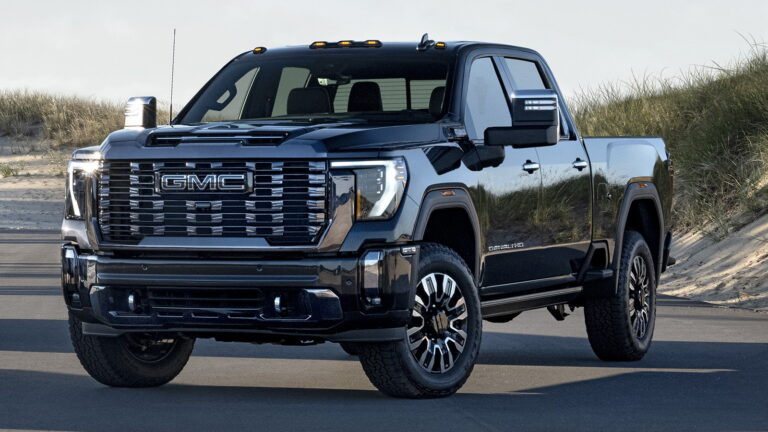
Unlocking Value: Your Comprehensive Guide to Buying Reliable Used Trucks Under $3000
Unlocking Value: Your Comprehensive Guide to Buying Reliable Used Trucks Under $3000 Typestruck.Guidemechanic.com
The dream of owning a dependable pickup truck often collides with the reality of soaring vehicle prices. For many, a brand-new truck or even a late-model used one is simply out of reach. But what if I told you that a capable, hardworking truck doesn’t have to break the bank? It’s entirely possible to find reliable used trucks under $3000, given you approach the search with the right knowledge and a keen eye.
This isn’t about finding a show truck; it’s about discovering a genuine workhorse that can handle your hauling needs, weekend projects, or even serve as a reliable daily driver. Our mission today is to equip you with the expert insights needed to navigate this budget-friendly market successfully. We’ll delve deep into what to look for, what to avoid, and how to make the most informed purchase possible.
Unlocking Value: Your Comprehensive Guide to Buying Reliable Used Trucks Under $3000
Why Consider a Used Truck Under $3000?
Opting for a truck in this specific price range offers several compelling advantages, making it an attractive proposition for a diverse group of buyers. The primary draw is, undoubtedly, the sheer affordability. You get significant utility without the heavy financial burden associated with newer vehicles.
A budget-friendly truck allows you to tackle a myriad of tasks that a sedan simply can’t handle. From hauling lumber for a DIY project to transporting tools for a small business, the versatility is unmatched. This makes it an ideal choice for contractors, landscapers, hobbyists, or anyone needing practical transport without the premium price tag.
Furthermore, these older, more basic trucks often come with simpler mechanics, which can translate to lower repair costs and easier DIY maintenance for those willing to get their hands dirty. You avoid the steep depreciation curve that new vehicles experience, meaning your investment holds its value much better over time. For many, it’s about pure utility and maximizing value for every dollar spent.
The Realities of the Sub-$3000 Market: Managing Expectations
Let’s be upfront: when you’re searching for used trucks under $3000, you are not looking for perfection. This price point typically means you’ll be considering vehicles with high mileage, visible cosmetic imperfections, and some wear and tear. Expect dents, scratches, faded paint, and possibly some interior blemishes.
The key here is to focus on functionality and mechanical soundness above all else. A truck that looks a bit rough around the edges but runs strong and has a solid frame is infinitely more valuable than a shiny one with hidden mechanical nightmares. Based on my experience, many buyers get swayed by appearance, only to regret it later when serious issues emerge.
Patience is your greatest asset in this market. Finding a gem requires diligent searching, thorough inspection, and the willingness to walk away from questionable deals. Don’t rush into a purchase; the right truck will come along if you are persistent and well-prepared. This segment is all about finding hidden value, not pristine condition.
Critical Inspection Points: What to Scrutinize
When you’re dealing with budget-friendly used trucks under $3000, a meticulous inspection is non-negotiable. This is where you separate the diamonds in the rough from the money pits. Every component tells a story about the truck’s past life and potential future reliability.
Engine and Transmission: The Heartbeat of Your Truck
Start by inspecting the engine bay. Look for any signs of major fluid leaks—oil, coolant, power steering fluid. Fresh fluid stains on an otherwise dirty engine could indicate a recent attempt to hide a leak. Check the oil dipstick: is the oil level correct? Does it look excessively dirty or milky (a sign of coolant mixing with oil)?
Listen to the engine when it starts cold. Are there any unusual knocks, ticks, or grinding sounds? A smooth idle is a good sign. During your test drive, pay close attention to the transmission. It should shift smoothly through all gears without hesitation, slipping, or harsh jolts. Any erratic shifting or loud clunks when engaging gear is a major red flag that could signal expensive repairs.
Pro Tip from us: If possible, ask the seller to not warm up the truck before you arrive. A cold start can reveal issues like excessive smoke or difficult starting that might be masked once the engine is at operating temperature.
Frame and Body Integrity: The Backbone of Durability
Rust is the arch-nemesis of older trucks, especially in regions that use road salt. Thoroughly inspect the frame rails, especially where components attach, for excessive rust or rot. Surface rust is often manageable, but deep, flaky rust that compromises structural integrity is a deal-breaker. Look at the cab mounts, bed supports, and suspension attachment points.
Examine the body panels for signs of major collision repair. Mismatched paint, inconsistent panel gaps, or overspray on trim pieces can indicate previous accidents. While minor cosmetic damage is expected, significant frame damage or poorly repaired structural issues can lead to ongoing problems and safety concerns. A solid, straight frame is paramount for any truck.
Common mistakes to avoid are overlooking frame rust. Many buyers focus on visible body rust but fail to crawl underneath and inspect the crucial structural components. Even if the body looks okay, a compromised frame means the truck is unsafe and not worth the investment.
Suspension and Steering Components: Ensuring a Smooth Ride
Check the suspension components for excessive wear. Bounce each corner of the truck; if it continues to bounce excessively, the shocks or struts are likely worn out. Look for cracked or dry-rotted bushings, especially on leaf springs and control arms. Worn ball joints and tie rod ends can lead to sloppy steering and uneven tire wear.
During the test drive, pay attention to how the truck handles. Does it pull to one side? Is the steering loose or vague? Listen for clunking or creaking noises when going over bumps or turning. These are all indicators of worn suspension or steering components that will need attention. While not always deal-breakers, they add to your immediate post-purchase costs.
Brakes and Tires: Safety First
Safety should always be your top priority. Inspect the brake pads for thickness and the rotors for deep grooves or excessive rust. Test the brakes during your drive; they should feel firm and stop the truck smoothly without pulsing or pulling. Any spongy feel or grinding noise suggests immediate brake service is required.
Examine the tires closely. Check the tread depth; uneven wear can indicate alignment issues or worn suspension parts. Also, note the tire age, which is stamped on the sidewall (DOT code). Tires older than 6-7 years, regardless of tread, should be replaced due to rubber degradation. Budgeting for new tires can be a significant expense, so factor this into your offer.
Electrical and Interior: Comfort and Functionality
While a perfect interior isn’t expected, ensure all critical electrical components function. Test all lights (headlights, taillights, turn signals), wipers, horn, and the HVAC system (heater and A/C). Check power windows and locks. Dashboard warning lights that stay illuminated after starting are significant indicators of underlying issues.
Minor interior flaws like rips in the seat or a cracked dashboard are usually cosmetic and can be lived with or cheaply repaired. However, non-functional gauges, major electrical gremlins, or persistent warning lights can quickly become frustrating and expensive to diagnose and fix. Prioritize functionality over aesthetics here.
Documentation and History: Peeking into the Past
Always ask for the truck’s title and ensure it’s clear (not salvage, rebuilt, or flood-damaged). A clean title is essential. If available, review any service records; they provide valuable insight into how well the truck was maintained. While a full CarFax or AutoCheck might be an extra expense for a sub-$3000 truck, at least perform a basic VIN check to confirm the make, model, and year, and check for any reported liens or major accidents if possible. This small step can save you from buying a truck with a problematic history.
Top Contenders: Reliable Models to Hunt For
Finding used trucks under $3000 means looking at models from the late 1990s to the early 2000s, often with well over 150,000 miles. Some models stand out for their robust construction, widespread parts availability, and general longevity.
Ford F-150 (9th-10th Generation: 1992-2003)
The Ford F-150 is perennially America’s best-selling truck, and for good reason. The 9th generation (1992-1996) and 10th generation (1997-2003) models are often available within this budget. They are known for their strong V8 engines (especially the 5.0L and 5.4L Triton), durable frames, and massive aftermarket support. Parts are plentiful and relatively inexpensive.
While these trucks can suffer from rust, particularly around the wheel wells and rocker panels, mechanically they are often sound. Watch for common issues like spark plug ejection on some 5.4L engines (though often fixed by now) and exhaust manifold leaks. With good maintenance, these F-150s can easily exceed 200,000-250,000 miles, making them excellent candidates for a budget work truck.
Chevrolet C/K 1500 / Silverado (GMT400/800: 1988-2006)
General Motors also produced exceptionally durable trucks during this era. The GMT400 platform (1988-1998 C/K series) and the early GMT800 platform (1999-2006 Silverado/Sierra) are strong contenders. Their V8 engines, particularly the 5.3L and 5.7L Vortec, are renowned for their reliability and power.
These trucks are generally straightforward to work on and parts are readily available. Common issues to look for include rust on the rocker panels and cab corners, as well as potential fuel pump failures (a common GM truck issue). However, a well-maintained GM truck from this era can provide years of dependable service, making it a smart choice for those seeking a budget workhorse.
Dodge Ram 1500 (2nd Generation: 1994-2001)
The second-generation Dodge Ram 1500 brought a bold, big-rig inspired design that was very popular. These trucks often come equipped with powerful Magnum V8 engines (5.2L and 5.9L) that offer plenty of torque. They are often found at lower price points than comparable Fords or Chevys.
While the engines are generally robust, the transmissions (especially the automatic ones) can be a weak point if not properly maintained. Also, look out for cracked dashboards and rust, particularly around the rear fenders. If you find one with a well-maintained transmission, the 2nd Gen Ram can be a very capable and affordable option for those needing significant hauling or towing capacity.
Toyota Tundra / Tacoma (1st Generation: 1995-2006)
Toyota trucks are legendary for their reliability, but finding a 1st generation Tundra (2000-2006) or Tacoma (1995-2004) under $3000 in good mechanical condition is a challenge. If you do find one, expect very high mileage. Their smaller size and excellent fuel economy for a truck make the Tacoma highly sought after.
The 3.4L V6 engine in both models is incredibly durable. The primary concern for older Toyota trucks is frame rust, which was a significant issue for some years and led to recalls. Thoroughly inspect the frame, especially on Tacomas. If you find a rust-free example, even with high mileage, it could be a fantastic long-term value, but prepare for a diligent search.
Where to Unearth Your Next Workhorse
Finding used trucks under $3000 requires knowing where to look beyond traditional dealerships. The best deals often come from less conventional sources. Patience and persistence are vital when exploring these avenues.
Private sellers are often your best bet for finding affordable trucks. Websites like Craigslist, Facebook Marketplace, and local classifieds are excellent starting points. Here, you’re buying directly from the owner, which often means more transparency about the truck’s history and potentially more room for negotiation. Always meet in a safe, public place and bring a friend.
Small, independent used car dealerships sometimes have a few older, budget-friendly trucks in their inventory. While prices might be slightly higher than private sales, these dealers often perform basic inspections and might offer a short-term warranty (though unlikely at this price point). Their inventory is typically limited, so you might need to check multiple lots.
Auto auctions can offer incredibly low prices, but they come with significant risks. These are often "as-is" sales, meaning you typically can’t test drive or thoroughly inspect the vehicle before bidding. Auctions are best suited for experienced buyers or mechanics who can quickly assess a vehicle’s condition and are prepared to take a gamble. For most budget buyers, the risk outweighs the potential reward.
Finally, word-of-mouth remains a powerful tool. Let friends, family, and coworkers know you’re in the market for a cheap truck. Sometimes, the best deals are found through someone you know, who might be selling a reliable old truck that they no longer need. These transactions often come with a level of trust and known history that’s invaluable.
The Art of the Pre-Purchase Inspection (PPI)
Even for a truck costing less than $3000, a pre-purchase inspection (PPI) by a trusted independent mechanic is not just recommended—it’s absolutely essential. This small investment (typically $100-$200) can save you thousands in unexpected repairs and a great deal of heartache. Think of it as insurance against buying a lemon.
A good PPI will involve a comprehensive check of the engine, transmission, suspension, brakes, frame, and electrical systems. The mechanic will identify any existing problems, potential future issues, and provide an estimate for necessary repairs. This expert opinion gives you leverage in negotiation or, more importantly, confirms whether the truck is even worth buying.
Pro Tip: Find a mechanic specializing in older trucks or the specific make you’re considering. Their familiarity will allow for a more thorough and accurate assessment. Don’t let the seller pressure you into skipping this step. For more in-depth information on securing a thorough inspection, you can read more about the importance of a Pre-Purchase Inspection here.
Savvy Negotiation Tactics for Budget Trucks
Once you’ve identified a promising truck and ideally had a PPI done, it’s time to negotiate. In the sub-$3000 market, there’s often more flexibility on price than with newer vehicles. Your goal is to get the best possible deal while being fair.
Start by researching the market value of similar used trucks under $3000 in your area using resources like Kelley Blue Book (KBB) or Edmunds. This gives you a baseline for what a fair price looks like. Be realistic; KBB might not account for every imperfection on a very old, cheap truck, but it’s a good starting point. You can check current market values and vehicle histories at trusted external sources like Kelley Blue Book (KBB.com).
Armed with your inspection report (if you got one), politely point out any identified issues and their estimated repair costs. This gives you concrete reasons to ask for a lower price. For example, "I noticed the tires are quite worn, and my mechanic estimated new ones would be $X." Be prepared to make a reasonable offer, typically 10-20% below the asking price, and be ready to meet in the middle.
Crucially, be prepared to walk away. If the seller is unwilling to negotiate or you feel the price is too high given the truck’s condition, don’t be afraid to move on. There will always be other used trucks under $3000 to consider. Your willingness to walk away is your strongest negotiating tool.
Immediate Post-Purchase Priorities
Congratulations, you’ve bought a truck! Now the real work begins to ensure its longevity and reliability. There are several immediate steps you should take after bringing your new-to-you truck home, even if it runs perfectly.
First and foremost, address basic preventative maintenance. Change the engine oil and filter, and check/change the air filter. It’s also wise to replace the transmission fluid, differential fluid, and coolant, especially if service records are absent. These fluid changes are relatively inexpensive and can significantly extend the life of critical components.
Next, focus on safety. Have the brakes inspected and serviced if needed, and ensure the tires are in good condition and properly inflated. Replace any worn belts or hoses to prevent unexpected breakdowns. These small investments upfront can prevent major headaches and costly repairs down the road.
Finally, don’t forget the legalities. Ensure you register the truck in your name promptly and secure adequate insurance coverage. Driving an uninsured or unregistered vehicle, even for a short time, carries significant legal risks. Taking care of these post-purchase essentials ensures your budget truck is safe, reliable, and legal on the road. For more guidance on keeping your vehicle running smoothly, you can learn essential DIY truck maintenance tips in our detailed guide.
Common Pitfalls to Steer Clear Of
Navigating the market for used trucks under $3000 has its share of potential traps. Being aware of these common mistakes can save you from making a regrettable purchase. Avoiding these pitfalls is as important as knowing what to look for.
One of the biggest mistakes is impulse buying. It’s easy to get excited when you see a cheap truck, but rushing into a purchase without proper due diligence is a recipe for disaster. Take your time, inspect thoroughly, and get a PPI. Never let emotion override logic, especially when dealing with older, high-mileage vehicles.
Another common error is ignoring warning signs. That strange noise during the test drive, the check engine light that "just came on yesterday," or the seller’s evasiveness about the truck’s history are all red flags. Don’t convince yourself that minor issues will be easy fixes; they often hide deeper, more expensive problems.
Finally, beware of deals that seem "too good to be true." A very low price for a truck that appears to be in pristine condition should immediately raise suspicion. There’s often a hidden reason for such a low asking price, whether it’s undisclosed mechanical issues, a salvage title, or even a scam. Always approach such deals with extreme caution and skepticism.
Extending Your Truck’s Lifespan: Maintenance Matters
Once you’ve secured your budget-friendly truck, ongoing maintenance is crucial to maximize its lifespan and value. A little effort here can prevent small issues from becoming catastrophic failures. Think of it as protecting your investment.
Adhere to a regular maintenance schedule. This means timely oil changes, checking fluid levels (coolant, power steering, brake fluid), and keeping an eye on tire pressure. These simple checks can prevent premature wear and identify potential problems before they escalate.
Address minor issues promptly. That squeaky belt, the slightly dim headlight, or the small fluid drip might seem insignificant, but they can be indicators of bigger problems brewing. Fixing them early is almost always cheaper than waiting until a component completely fails. Being proactive can save you significant repair costs down the line.
Finally, get to know your truck. Listen to its sounds, feel its performance, and notice any changes. Understanding your truck’s quirks allows you to quickly identify when something isn’t right. Regular cleaning, especially underneath to remove road salt and grime, can also help prevent rust and keep components visible for inspection.
Conclusion
Finding a reliable used truck under $3000 is indeed a challenging but achievable goal. It requires patience, diligence, and a commitment to thorough inspection, but the reward is a functional, budget-friendly workhorse that meets your needs without draining your bank account. By focusing on mechanical soundness over cosmetic perfection, understanding the realities of this market, and following our detailed inspection and buying guide, you significantly increase your chances of success.
Remember, the goal isn’t to find a flawless vehicle, but a capable one that offers excellent value for its price. With the right approach, you can unlock incredible utility and reliability without the hefty price tag. Happy hunting, and may you find the perfect budget truck for your adventures and tasks ahead!
What are your experiences buying affordable used trucks? Share your tips and stories in the comments below!