Unlocking the Power: Your Ultimate Guide to Finding 3/4 Trucks For Sale
Unlocking the Power: Your Ultimate Guide to Finding 3/4 Trucks For Sale Typestruck.Guidemechanic.com
The world of trucks is vast and varied, but for those who demand more capability than a half-ton can offer without the colossal scale of a one-ton, the 3/4 ton truck stands as a true sweet spot. These versatile workhorses are engineered for serious towing, heavy hauling, and unwavering reliability, making them a favorite among professionals, adventurers, and anyone with demanding tasks.
If you’re on the hunt for 3/4 trucks for sale, you’re not just looking for a vehicle; you’re seeking a partner that can tackle everything from hauling a large RV across the country to managing a busy construction site. This comprehensive guide will navigate you through every aspect of finding, evaluating, and purchasing the perfect 3/4 ton truck, ensuring you make an informed decision that meets your specific needs and budget.
Unlocking the Power: Your Ultimate Guide to Finding 3/4 Trucks For Sale
What Exactly is a 3/4 Ton Truck? Dispelling the Myth
Before diving into the market, let’s clarify what a "3/4 ton truck" truly means. The term "3/4 ton" is a legacy classification from an era when a truck’s payload capacity was literally its name. Today, it’s a general descriptor for a class of heavy-duty light trucks, typically falling under Class 2B in the Gross Vehicle Weight Rating (GVWR) system.
These trucks, like the Ford F-250, Ram 2500, Chevrolet Silverado 2500HD, and GMC Sierra 2500HD, boast significantly higher GVWRs than their 1/2 ton counterparts. While a 1/2 ton might have a GVWR around 7,000-8,000 lbs, a 3/4 ton typically ranges from 8,500 to 10,000 lbs. This increased rating translates directly into superior payload and towing capacities.
Don’t let the "3/4 ton" name fool you; modern versions can often carry far more than 1,500 lbs (3/4 of a ton) of payload. In fact, many 3/4 ton trucks today can haul well over 3,000 lbs and tow upwards of 15,000-20,000 lbs, depending on the configuration. They bridge the gap between everyday utility and serious heavy-duty work.
Who Needs a 3/4 Ton Truck? Understanding the Core Applications
The decision to invest in a 3/4 ton truck often stems from a specific need for robust capability that lighter trucks simply can’t provide. These vehicles are purpose-built for tasks that demand extra strength and durability.
Here are some of the primary reasons individuals and businesses look for 3/4 trucks for sale:
- Serious Towing: This is arguably the most common reason. If you regularly tow large travel trailers, fifth-wheel RVs, heavy boat trailers, or equipment trailers loaded with machinery, a 3/4 ton truck is essential. Their stronger frames, larger brakes, and more powerful engine options are designed to handle these loads safely and efficiently.
- Significant Hauling: Beyond towing, 3/4 ton trucks excel at carrying heavy payloads in their beds. This is crucial for landscapers hauling mulch and stone, construction workers transporting tools and materials, or farmers moving feed and supplies. The reinforced suspension systems are key here.
- Work Trucks: Many tradespeople, from plumbers to electricians to general contractors, rely on 3/4 ton trucks as their mobile workshops. They can accommodate service bodies, toolboxes, and all the necessary equipment without being overloaded, ensuring longevity and reliability on the job site.
- Off-Road Enthusiasts: While some 1/2 tons are capable off-road, a 3/4 ton offers a more robust platform for serious overlanding or navigating challenging terrain, especially when carrying heavy gear or pulling trailers. Their beefier components can withstand tougher conditions.
- Daily Drivers with Occasional Heavy Use: Even if you don’t tow or haul every day, a 3/4 ton provides peace of mind for those weekend projects, annual RV trips, or helping friends move. It ensures you have the power when you need it, without struggling or compromising safety.
Based on my experience, many buyers initially consider a 1/2 ton, but quickly realize its limitations when their towing or hauling needs grow. Stepping up to a 3/4 ton truck provides a much-needed margin of safety and capability.
Key Features and Specifications to Look For in 3/4 Trucks
When you begin searching for 3/4 trucks for sale, you’ll encounter a vast array of options. Understanding the critical features and specifications will help you narrow down your choices and find the perfect match.
Engine Types: Diesel vs. Gas
This is one of the most significant decisions when buying a 3/4 ton truck. Both have distinct advantages:
- Diesel Engines: Known for their immense torque, exceptional towing capacity, and greater fuel efficiency (especially when under load). Diesel engines are typically more durable and have a longer lifespan, making them ideal for heavy, sustained work. However, they come with a higher upfront cost, more expensive maintenance, and diesel fuel can be pricier. Common options include Ford’s Power Stroke, Ram’s Cummins, and GM’s Duramax.
- Gasoline Engines: Offer a lower initial purchase price and generally cheaper, simpler maintenance. They often have higher horsepower figures, making them feel more responsive unloaded. While towing capacity is still substantial, it typically falls short of diesel counterparts, and fuel economy will be lower, especially when working hard. They are a good choice for those who don’t tow at maximum capacity daily.
Pro tips from us: If you’re consistently towing over 10,000 lbs or planning long-distance hauls, a diesel engine will likely pay for itself in performance and efficiency. For lighter towing or occasional heavy use, a gas engine might be the more economical choice.
Transmission and Drivetrain
Modern 3/4 ton trucks almost exclusively feature robust automatic transmissions designed to handle high torque and heavy loads. Look for models with 6-speed, 8-speed, or even 10-speed automatics, which optimize power delivery and fuel economy.
Drivetrain options include:
- 2WD (Two-Wheel Drive): Lighter, slightly more fuel-efficient, and generally less expensive. Ideal for on-road use and lighter towing in non-challenging conditions.
- 4WD (Four-Wheel Drive): Essential for off-road capability, navigating slippery conditions (snow, mud), or pulling heavy loads on uneven terrain. Adds weight, complexity, and cost but provides invaluable traction when needed.
Cab Configurations and Bed Lengths
3/4 ton trucks come in various configurations to suit different needs:
- Regular Cab: Two doors, single row of seating. Best for work-focused trucks where maximum bed length and minimal passenger space are desired.
- Extended Cab (or SuperCab/Quad Cab): Two full-size front doors and two smaller rear doors (or suicide doors). Offers a small rear seating area, suitable for occasional passengers or extra storage.
- Crew Cab (or SuperCrew/Mega Cab): Four full-size doors with ample rear legroom. The most popular choice for families, road trips, and those who need to transport multiple passengers comfortably.
Bed lengths typically include:
- Short Bed (around 6.5 feet): More maneuverable, especially in urban environments.
- Long Bed (around 8 feet): Essential for maximum cargo capacity, accommodating larger tools, construction materials, or certain fifth-wheel hitches.
Towing and Payload Packages
Many 3/4 ton trucks offer specialized packages that enhance their capabilities. Look for options like:
- Integrated Trailer Brake Controller: A must-have for safe towing with electric trailer brakes.
- Heavy-Duty Towing Package: Often includes larger alternators, transmission coolers, upgraded suspension, and a higher gear ratio.
- Fifth-Wheel/Gooseneck Prep Package: Provides the necessary mounting points and wiring in the bed for these specialized hitches.
Popular 3/4 Ton Truck Models: A Brief Overview
When exploring 3/4 trucks for sale, you’ll primarily encounter offerings from the "Big Three" American manufacturers, known for their long-standing dominance and continuous innovation in the heavy-duty segment.
- Ford F-250 Super Duty: A perennial bestseller, the F-250 is renowned for its powerful engine options (especially the Power Stroke diesel), impressive towing and payload figures, and a wide range of trims from basic work trucks to luxurious cruisers. Ford trucks are known for their robust build quality and extensive technology features.
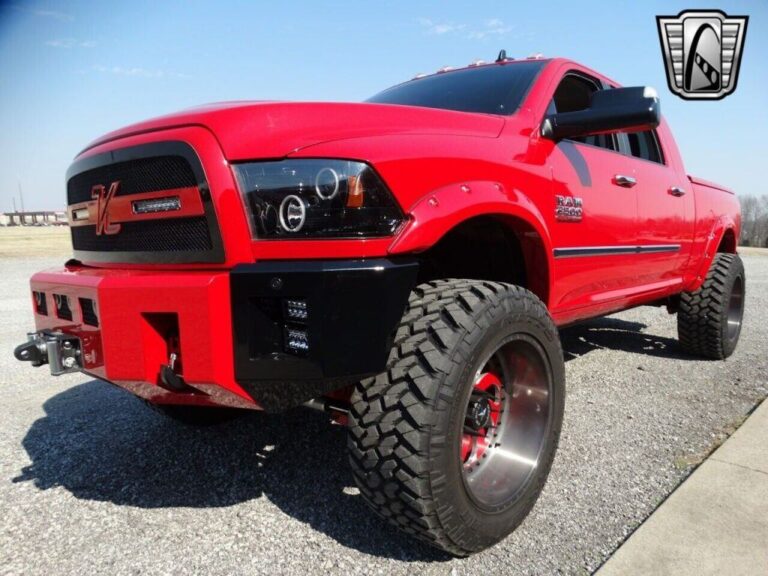
- Ram 2500: The Ram 2500 stands out with its class-leading interior comfort and technology, particularly in higher trim levels. Its available Cummins diesel engine is legendary for its torque and durability. Ram also offers unique features like the coil-spring rear suspension (on non-dually models) that provides a surprisingly smooth ride for a heavy-duty truck.
- Chevrolet Silverado 2500HD: The Silverado 2500HD combines powerful engine options (Duramax diesel and robust gasoline V8s) with a practical, no-nonsense approach to heavy-duty work. It offers a comfortable ride, a spacious cabin, and advanced trailering technologies designed to simplify towing.
- GMC Sierra 2500HD: As the premium sibling to the Silverado, the Sierra 2500HD offers similar capabilities but with a more upscale interior, distinctive styling, and often more advanced features as standard. It’s a great choice for those who want heavy-duty performance with a touch of luxury.
While other manufacturers like Nissan offer trucks that blur the lines (e.g., Titan XD), the market for true 3/4 ton heavy-duty trucks is largely dominated by these four models due to their established reputation and comprehensive capabilities.
New vs. Used 3/4 Trucks: Making the Smart Choice
Deciding between a new or used 3/4 ton truck is a crucial step in your buying journey. Each option presents distinct advantages and disadvantages.
Buying a New 3/4 Ton Truck
Pros:
- Latest Technology and Features: Access to the newest safety systems, infotainment, and engine advancements.
- Full Warranty Coverage: Peace of mind with bumper-to-bumper and powertrain warranties.
- Customization: You can order the exact configuration, trim, and options you desire.
- No Prior Wear and Tear: You’re the first owner, so there’s no mystery about its maintenance history.
Cons:
- Higher Purchase Price: New trucks are significantly more expensive.
- Rapid Depreciation: Trucks lose a substantial portion of their value in the first few years.
- Higher Insurance Costs: Generally more expensive to insure due to their higher value.
Buying a Used 3/4 Ton Truck
Pros:
- Significant Savings: Used trucks are considerably more affordable, allowing you to get more truck for your money.
- Slower Depreciation: The initial rapid depreciation has already occurred, so your investment holds value better.
- Wider Selection: Access to a broader range of model years, trims, and configurations that might no longer be available new.
Cons:
- Potential for Unknown History: You might inherit maintenance issues or wear and tear from previous owners.
- Limited Warranty: Factory warranty may be expired or nearing expiration; extended warranties are often available but add cost.
- Older Technology: May lack the latest safety or infotainment features.
- Wear and Tear: Components like tires, brakes, and suspension might need replacement sooner.
Pro tips from us: When considering used 3/4 trucks for sale, always prioritize a comprehensive pre-purchase inspection by an independent mechanic. This step is non-negotiable for identifying potential hidden issues. Also, request a detailed vehicle history report (CarFax, AutoCheck) to check for accidents, title issues, and service records.
Where to Find 3/4 Trucks For Sale
The search for your ideal 3/4 ton truck can take you to various avenues, each with its own benefits.
- New Car Dealerships: If you’re looking for a brand-new truck with full warranty and the latest features, a new car dealership specializing in your preferred brand (Ford, Ram, Chevy, GMC) is your primary destination. They often have a selection of used trucks as well, including certified pre-owned (CPO) options.
- Used Car Dealerships: These dealerships offer a broader inventory of used trucks from various manufacturers. They can be a good source for finding competitive pricing and diverse options. Be sure to research the dealership’s reputation.
- Online Marketplaces: Websites like AutoTrader, CarGurus, Cars.com, and even local classifieds like Craigslist or Facebook Marketplace are excellent for browsing a vast selection of both dealer and private seller listings. You can filter by make, model, year, price, and features.
- Private Sellers: Buying from a private seller can sometimes yield a lower price because you’re cutting out the dealership’s markup. However, it requires more due diligence on your part regarding inspections, paperwork, and negotiation.
- Auctions: Government, fleet, or public auto auctions can sometimes offer great deals, but they are typically "as-is" sales. This option is best for experienced buyers who are comfortable with potential risks and can thoroughly inspect vehicles beforehand.
The Buying Process: A Step-by-Step Guide
Once you’ve decided on the type of 3/4 ton truck you need, here’s a structured approach to the buying process:
- Set Your Budget and Arrange Financing: Determine how much you can comfortably spend, including the purchase price, taxes, registration, insurance, and potential maintenance. Get pre-approved for a loan if financing, so you know your limits and can negotiate with confidence.
- Extensive Research: Use online resources to compare models, read reviews, and identify common issues. Look up specific trims and options that align with your needs.
- Locate Potential Trucks: Utilize the platforms mentioned above to find trucks that match your criteria. Create a shortlist of promising vehicles.
- Contact Sellers and Ask Questions: Don’t be afraid to ask about the truck’s history, maintenance records, reason for selling, and any known issues. This can save you time on unnecessary visits.
- Test Drive: When you test drive, pay attention to engine performance, transmission shifts, brake feel, steering, and any unusual noises. If possible, test drive a similar model under load (e.g., with a trailer) to truly assess its capabilities.
- Independent Pre-Purchase Inspection (PPI): For used trucks, a PPI by a trusted mechanic is non-negotiable. They can identify issues that might not be apparent during a test drive.
- Negotiate the Price: Be prepared to negotiate. Research market values using resources like Kelley Blue Book or Edmunds. Don’t be pressured into a quick decision.
- Review Paperwork and Close the Deal: Carefully read all contracts, titles, and loan documents before signing. Ensure all agreed-upon terms are accurately reflected.
- Arrange Insurance and Registration: Secure insurance coverage before driving off the lot and register the vehicle with your local DMV.
Common mistakes to avoid are: rushing the process, skipping the pre-purchase inspection, falling in love with a truck before doing your due diligence, and not accounting for all associated costs.
Owning a 3/4 Ton Truck: Maintenance and Operating Costs
Owning a 3/4 ton truck is a commitment, and it comes with specific operating and maintenance considerations that differ from smaller vehicles.
- Fuel Efficiency: While more efficient under load, 3/4 ton trucks (especially gasoline models) are generally less fuel-efficient than half-tons or passenger cars in daily driving. Diesel models offer better mileage, but diesel fuel can be more expensive.
- Insurance: Due to their higher value and greater repair costs, insurance premiums for 3/4 ton trucks are often higher.
- Routine Maintenance: Oil changes, tire rotations, and brake inspections are essential. However, the components on a 3/4 ton are larger and often more expensive. For instance, heavy-duty tires can be significantly pricier than those for a half-ton.
- Specialized Maintenance (Diesel): Diesel engines require specific maintenance, including fuel filter replacements, DEF (Diesel Exhaust Fluid) refills, and sometimes more complex emissions system servicing.
- Wear and Tear: If you regularly tow or haul heavy loads, expect components like brakes, suspension, and transmission fluids to wear more quickly and require more frequent servicing.
Based on my experience, proactive maintenance is key to extending the life of your 3/4 ton truck and avoiding costly repairs down the road. Stick to the manufacturer’s recommended service schedule, especially if you use your truck for demanding tasks.
Common Mistakes to Avoid When Buying a 3/4 Ton Truck
To ensure a smooth and satisfying purchase, be mindful of these pitfalls:
- Underestimating Your Needs: Don’t buy a truck that’s "just enough" for your current needs. Anticipate future requirements for towing or hauling. A little extra capability now can save you from an expensive upgrade later.
- Ignoring Maintenance History: For used trucks, a spotty or non-existent maintenance record is a major red flag. A well-maintained truck will serve you far better.
- Skipping a Pre-Purchase Inspection: This cannot be stressed enough. A professional inspection can uncover thousands of dollars in hidden problems, from frame damage to engine issues.
- Not Test Driving Under Load: If you plan to tow or haul heavy items, try to replicate that experience during your test drive. See how the truck handles the weight, accelerates, and brakes.
- Focusing Only on Price: While budget is important, the cheapest truck isn’t always the best value. Consider the overall condition, features, and long-term reliability.
- Neglecting Safety Features: Modern trucks offer advanced driver-assist systems. Don’t overlook these, as they can significantly enhance safety, especially when towing.
- Forgetting About Insurance and Operating Costs: Factor in these ongoing expenses when calculating your total budget.
Conclusion: Your Journey to Finding the Perfect 3/4 Ton Truck
Finding 3/4 trucks for sale opens up a world of robust capability and unwavering reliability. Whether you’re a contractor, an RV enthusiast, or simply someone who needs a truly capable vehicle, a 3/4 ton truck offers the power, durability, and versatility to get the job done.
By understanding what these trucks are, who they’re for, what features to prioritize, and how to navigate the buying process, you’re now equipped to make an intelligent and confident purchase. Remember to do your research, ask plenty of questions, conduct thorough inspections, and always prioritize your specific needs over fleeting trends.
Your perfect 3/4 ton truck is out there, ready to become an indispensable partner in your work and adventures. Happy truck hunting!