Unlocking Opportunities: Your Ultimate Guide to Finding Non CDL Box Trucks For Sale
Unlocking Opportunities: Your Ultimate Guide to Finding Non CDL Box Trucks For Sale Typestruck.Guidemechanic.com
In today’s dynamic world, where agility and efficiency are paramount, the demand for versatile transportation solutions has never been higher. Whether you’re a burgeoning entrepreneur, a seasoned small business owner, or an individual planning a significant move, the need for reliable hauling capacity often arises. This is precisely where non CDL box trucks for sale emerge as an invaluable asset, offering the perfect blend of capacity, accessibility, and operational ease.
Unlike their larger counterparts that require a Commercial Driver’s License (CDL), these trucks are designed to be driven with a standard driver’s license, opening up a world of possibilities for a wider range of users. This comprehensive guide will navigate you through everything you need to know about finding, evaluating, and purchasing the ideal non CDL box truck to meet your specific needs. We’ll dive deep into their advantages, crucial considerations, and the best places to find your next reliable workhorse.
Unlocking Opportunities: Your Ultimate Guide to Finding Non CDL Box Trucks For Sale
What Exactly is a Non CDL Box Truck? Demystifying the "Non-Commercial" Powerhouse
At its core, a non CDL box truck is a commercial vehicle designed with a completely enclosed cargo area, or "box," separate from the driver’s cab. The distinguishing feature, and indeed its primary appeal, is its Gross Vehicle Weight Rating (GVWR). For a truck to be classified as "non CDL," its GVWR must be less than 26,001 pounds. This threshold is critical, as exceeding it typically triggers the requirement for a Commercial Driver’s License in most jurisdictions.
These trucks are the backbone of countless small businesses, offering a robust solution for transporting goods without the stringent licensing requirements and associated costs of operating heavier commercial vehicles. Think of them as the versatile workhorses that bridge the gap between a standard pickup truck and a full-fledged semi-trailer. They provide significant cargo space while remaining manageable and accessible for everyday drivers.
The "box" itself offers protection from the elements and security for your cargo, making it ideal for everything from furniture delivery to perishable goods transport. Understanding this fundamental definition is the first step in appreciating the true value and potential of non CDL box trucks.
The Unbeatable Advantages of Opting for a Non CDL Box Truck
Choosing a non CDL box truck isn’t just about avoiding a special license; it’s about embracing a suite of benefits that can significantly impact your operational efficiency and bottom line. These vehicles are designed for practicality and widespread usability, making them a smart investment for many.
1. Unparalleled Accessibility: No Special License Required
Perhaps the most compelling advantage is the ease of access. Since these trucks fall under the 26,001 lbs GVWR limit, anyone with a standard Class D driver’s license can legally operate them. This eliminates the significant time, expense, and training required to obtain a CDL, making it far easier to find qualified drivers for your fleet or to drive it yourself. This accessibility democratizes the commercial hauling landscape, empowering individuals and smaller entities.
2. Incredible Versatility for Diverse Applications
Non CDL box trucks are true chameleons of the road. Their enclosed cargo space makes them suitable for an astonishing array of tasks. From local delivery services, catering, and landscaping to event planning, moving household goods, or transporting specialized equipment, their utility is almost limitless. Many businesses find that one of these trucks can serve multiple purposes, adapting to changing needs and expanding service offerings.
3. Lower Operating Costs and Streamlined Operations
Generally speaking, the overall cost of ownership for a non CDL box truck is lower than that of its CDL-required counterparts. This often extends to insurance premiums, maintenance costs, and even fuel efficiency, especially for gas-powered models used for shorter routes. Furthermore, the administrative burden is typically lighter, with fewer regulatory hoops to jump through compared to heavier commercial vehicles. This translates directly into better profit margins for businesses.
4. Enhanced Maneuverability and Urban Friendliness
While certainly larger than a standard van, non CDL box trucks are designed to be more maneuverable than larger semi-trucks or tractor-trailers. This makes them significantly easier to navigate through crowded city streets, tight loading docks, and residential areas. Their relatively smaller footprint allows for more accessible parking and less stress for drivers operating in urban environments, saving valuable time on deliveries and pickups.
5. Strong Market Demand and Resale Value
Well-maintained non CDL box trucks often hold their value quite well. Due to their widespread utility and the constant need for efficient hauling solutions, there’s a consistent demand for both new and used non CDL box trucks. This means your investment is likely to retain a good portion of its initial value, providing a solid asset that can be resold or traded in when it’s time for an upgrade.
Who Benefits Most from a Non CDL Box Truck?
The appeal of non CDL box trucks spans a wide spectrum, catering to various needs and budgets. Understanding who typically benefits most can help you determine if this is the right vehicle solution for you.
- Small Businesses and Entrepreneurs: This is arguably the largest beneficiary group. Think about florists delivering arrangements, caterers transporting food and equipment, appliance repair services, mobile mechanics, landscapers, or even online retailers needing to fulfill local deliveries. A non CDL box truck provides the capacity of a small warehouse on wheels, enabling growth and efficiency without the overhead of larger logistics operations.
- Moving Companies and Individuals: For companies specializing in local residential moves, these trucks are indispensable. They offer ample space for furniture and boxes, making them a staple in the moving industry. Similarly, individuals undertaking a DIY move will find a non CDL box truck far more practical and cost-effective than making multiple trips with a smaller vehicle.
- Event Planning and Production: From transporting sound equipment and staging materials to props and decorations, event planners rely heavily on the enclosed, secure space a box truck provides. Its ability to navigate various venues, from convention centers to outdoor locations, is a huge advantage.
- Fleet Expansion for Larger Businesses: Even companies with larger CDL fleets often integrate non CDL box trucks for specific tasks. They are perfect for last-mile deliveries, specialized routes that don’t require heavy hauling, or quick inter-branch transfers, offering flexibility and cost savings.
Key Factors to Consider When Searching for Non CDL Box Trucks For Sale
Finding the perfect non CDL box truck requires careful consideration of several critical factors. Based on my experience helping countless businesses and individuals, overlooking these details can lead to costly mistakes and dissatisfaction down the road.
1. GVWR and Payload Capacity: Understanding Your Limits
The Gross Vehicle Weight Rating (GVWR) is the maximum permissible total weight of the vehicle and its contents (including fuel, passengers, and cargo). As discussed, for non CDL trucks, this is typically under 26,001 lbs. However, within this range, trucks vary significantly. Payload capacity refers to the maximum weight of cargo you can safely carry.
- In-Depth Explanation: You must know the approximate weight of what you intend to transport. If you regularly haul heavy machinery, even if it fits in the box, a truck with a lower payload capacity won’t cut it. Always check the truck’s door jamb sticker for its specific GVWR and curb weight (the weight of the empty truck). Subtracting the curb weight from the GVWR gives you the exact payload capacity. Don’t estimate; verify.
- Pro Tip from Us: It’s always wise to slightly overestimate your needs when considering payload capacity. You don’t want to find yourself consistently overloading your truck, which can lead to accelerated wear and tear, safety hazards, and potential legal issues. Aim for a truck that can comfortably handle your heaviest anticipated loads, with a little room to spare.
2. Box Size and Dimensions: Matching the Space to Your Cargo
Box trucks come in a variety of lengths, typically ranging from 10 feet to 24 feet. The internal dimensions (length, width, height) are crucial.
- In-Depth Explanation: Consider not just the volume of your cargo, but also its physical dimensions. Will your largest items fit through the door opening? Will they clear the internal height? A 16-foot box truck might be perfect for most residential moves, while a 24-foot truck could be essential for transporting large furniture pieces or numerous pallets. Also, think about external dimensions – a longer truck might be harder to park or maneuver in tight urban environments.
- Common Mistakes to Avoid: Don’t just look at the exterior length. A truck might be advertised as a "16-foot box," but the internal usable space could be slightly less due to the thickness of the walls or the design of the bulkhead. Always ask for or measure the internal dimensions yourself.
3. Engine Type: Gas vs. Diesel – Powering Your Purpose
The choice between a gasoline and a diesel engine is one of the most significant decisions, impacting initial cost, fuel efficiency, maintenance, and longevity.
- Gas Engines:
- Pros: Generally lower upfront purchase cost, often cheaper and easier to maintain (especially for smaller repairs), quieter operation, and typically better for shorter distances or stop-and-go driving.
- Cons: Lower fuel economy compared to diesel, less torque for very heavy loads, and a shorter typical lifespan than a well-maintained diesel.
- Based on My Experience: For businesses doing local deliveries, frequent stops, or those with a limited budget, a gas engine often makes more economic sense.
- Diesel Engines:
- Pros: Superior fuel economy (especially on highways), higher torque for hauling heavy loads, renowned for their durability and longer engine life, and better for sustained highway driving.
- Cons: Higher initial purchase cost, more expensive and specialized maintenance, louder operation, and can be slower to warm up in cold weather.
- Based on My Experience: If your business involves frequent long-haul trips, consistently heavy loads, or you plan to put a lot of miles on the truck, the long-term savings and reliability of a diesel engine often outweigh the higher initial investment.
4. Transmission: Automatic vs. Manual – Driver Preference and Efficiency
Most modern non CDL box trucks come with automatic transmissions, but manual options still exist, particularly in older models.
- Automatic Transmission:
- Pros: Easier to drive, especially for new drivers or in heavy traffic, less driver fatigue, and widely available.
- Cons: Generally less fuel-efficient than a manual, and can be more expensive to repair if issues arise.
- Manual Transmission:
- Pros: Offers more control to the driver, potentially better fuel economy for skilled drivers, and can be more durable if maintained correctly.
- Cons: Requires more driver skill and training, can be tiring in stop-and-go traffic, and is less common in the non CDL market.
- Pro Tip from Us: For businesses with multiple drivers or a high turnover rate, an automatic transmission is almost always the preferred choice for ease of operation and driver accessibility.
5. Condition and Mileage (Especially for Used Non CDL Box Trucks For Sale)
When looking at used non CDL box trucks for sale, a thorough inspection is not just recommended; it’s absolutely critical.
- In-Depth Explanation: Beyond just the mileage (which is important, but not the only indicator of wear), scrutinize the overall condition. Look for signs of rust on the frame, cab, and box. Check tire tread depth and uniformity. Inspect the engine compartment for leaks, frayed belts, or unusual modifications. Test all lights, wipers, and accessories. Examine the interior for excessive wear and tear, especially the driver’s seat and controls.
- Service Records: Always request detailed service records. A well-documented maintenance history is a strong indicator that the previous owner took good care of the vehicle. This transparency builds trust and provides insight into potential future maintenance needs.
- Common Mistakes to Avoid: Never skip a pre-purchase inspection by a qualified, independent mechanic, especially for used vehicles. Their expertise can uncover hidden problems that might cost you thousands down the line. A vehicle history report (like CarFax or AutoCheck) is also highly recommended to check for accidents, salvage titles, or odometer fraud.
6. Essential Features and Amenities: Enhancing Functionality
Specific features can dramatically improve the functionality, safety, and driver comfort of your non CDL box truck.
- Liftgate or Ramp: If you frequently load or unload heavy items, a hydraulic liftgate is a game-changer. It saves time, prevents injuries, and reduces the need for multiple personnel. A sturdy ramp is a more budget-friendly alternative for rolling items.
- Roll-up vs. Swing Doors: Roll-up doors are convenient in tight spaces as they don’t swing out, but they can be slower and more prone to maintenance issues. Swing doors offer a wider opening and are generally more durable but require clear space behind the truck to open.
- E-track System: This rail system on the interior walls of the box allows for easy and secure attachment of straps, shoring bars, and other cargo control devices, keeping your goods safe during transit.
- Air Conditioning and Comfortable Seating: For drivers spending long hours on the road, these aren’t luxuries; they’re necessities that contribute to safety and productivity.
- Refrigeration Units: If you’re transporting perishable goods (food, flowers, pharmaceuticals), a refrigerated "reefer" box truck is a specialized but essential feature.
Where to Find Non CDL Box Trucks For Sale
The market for non CDL box trucks is robust, offering numerous avenues to find your next vehicle. Each source has its own set of advantages and potential drawbacks.
1. Dealerships (New & Used)
- In-Depth Explanation: Authorized dealerships for brands like Ford, Chevrolet, Isuzu, Hino, and Mitsubishi Fuso often have a selection of new non CDL box trucks. Many also have used commercial vehicle divisions.
- Pros: New trucks come with warranties, financing options, and the latest features. Used trucks from dealerships are often inspected, reconditioned, and may come with limited warranties. You also benefit from a professional sales experience.
- Cons: Generally higher prices compared to private sellers or auctions.
- Internal Link Suggestion: (If available, link to an article on "Choosing Between New vs. Used Commercial Vehicles")
2. Online Marketplaces and Classifieds
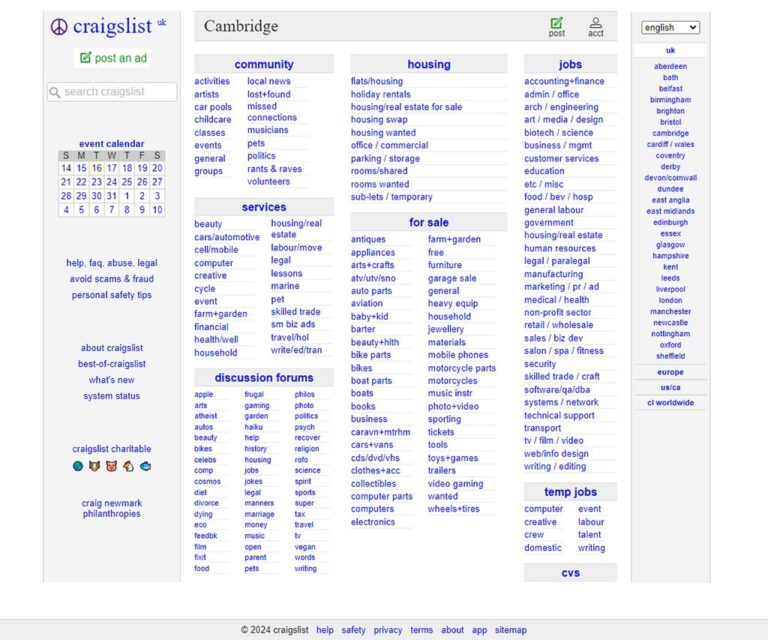
- In-Depth Explanation: The internet has revolutionized how we buy and sell vehicles. Dedicated commercial truck websites like Commercial Truck Trader, TruckPaper, and Government Surplus Auctions (GovDeals) are excellent resources. General classifieds like Craigslist and Facebook Marketplace also list many used non CDL box trucks for sale.
- Pros: Vast selection, competitive pricing, ability to compare many options quickly, and the potential to find excellent deals directly from private sellers or small businesses.
- Cons: Higher risk of scams or misrepresentation. "As-is" sales are common, meaning no warranties. Due diligence, including thorough inspections and vehicle history reports, is absolutely crucial.
- Pro Tip from Us: When using online classifieds, always meet in a public place, bring a friend, and be wary of deals that seem too good to be true. Don’t send money or provide personal information without seeing the truck in person.
3. Auctions (Government, Commercial, Public)
- In-Depth Explanation: Auctions can be a treasure trove for finding deals. Government agencies often sell off surplus vehicles, including box trucks. Commercial vehicle auctions held by liquidators or large rental companies (e.g., Ryder, Penske) are also frequent.
- Pros: Potentially very low prices, especially at government or commercial fleet auctions where vehicles are sold quickly.
- Cons: Often "buyer beware" situations. Vehicles are typically sold "as-is" with no warranties, and pre-purchase inspections might be limited or not allowed. You need to be prepared to act fast and often pay cash. This route is best for experienced buyers or those with a trusted mechanic on standby.
4. Direct from Businesses and Rental Fleets
- In-Depth Explanation: Many businesses, from large corporations to local contractors, periodically update their fleets and sell off older, well-maintained trucks directly. Major rental companies like U-Haul, Penske, and Ryder also have dedicated sales divisions for their used fleet vehicles.
- Pros: Vehicles from established businesses often have consistent maintenance records and may have been driven by professional drivers. Rental fleet sales often provide transparent histories and sometimes even offer limited warranties.
- Cons: Selection can be limited to specific models or configurations. Prices might be less negotiable than with private sellers.
The Buying Process: A Step-by-Step Guide to Securing Your Non CDL Box Truck
Navigating the purchase of a commercial vehicle can feel daunting, but a structured approach can simplify the journey. Here’s a step-by-step guide to help you make an informed decision.
Step 1: Define Your Needs and Set Your Budget
Before you even start looking, clearly outline what you need. What type of goods will you transport? How much do they weigh? What are the dimensions? How often will you use the truck, and for what distances? Will you need a liftgate or refrigeration? Once you have a clear picture of your operational requirements, establish a realistic budget, factoring in not just the purchase price but also insurance, registration, and initial maintenance. Deciding between a new or used non CDL box truck will heavily influence your budget.
Step 2: Research and Compare Brands and Models
With your needs defined, research brands known for reliability in the non CDL segment. Popular chassis manufacturers include Ford (E-Series, F-Series), Chevrolet (Express), GMC (Savana), and various medium-duty truck manufacturers that produce non-CDL models like Isuzu (NPR), Hino (195), and Mitsubishi Fuso (Canter). Compare specifications, typical price ranges, and read reviews. Look for models known for durability and availability of parts.
Step 3: Conduct a Thorough Inspection (or Hire a Mechanic)
This step cannot be stressed enough, especially when considering used non CDL box trucks for sale.
- Exterior: Check for body damage, rust, tire condition (tread depth, even wear), and proper function of all lights. Inspect the box itself for leaks, damage, or structural issues.
- Interior: Look for signs of excessive wear, test all controls, and ensure the heating and air conditioning work.
- Engine & Drivetrain: Check fluid levels, look for leaks, listen for unusual noises during startup and idle.
- Professional Inspection: If you’re not mechanically inclined, invest in a pre-purchase inspection by an independent, certified mechanic. This small cost can save you from major repair bills later. Also, run a VIN check for accident history or other red flags.
Step 4: Take it for a Test Drive
A test drive is essential to assess how the truck handles. Pay attention to:
- Steering: Is it loose, or does it pull to one side?
- Brakes: Do they feel firm and responsive? Listen for grinding or squealing.
- Engine Performance: Does it accelerate smoothly? Are there any unusual noises, vibrations, or smells?
- Transmission: Does it shift smoothly without jerking or slipping?
- Comfort and Visibility: Can you comfortably operate the vehicle, and do you have good visibility?
Step 5: Negotiate the Price
Once you’ve found a truck that meets your criteria and passes inspection, it’s time to negotiate. Be prepared with market research on similar vehicles. Point out any minor flaws or needed repairs you identified during inspection to support your offer. Don’t be afraid to walk away if the price isn’t right or if the seller is unwilling to budge on a reasonable offer.
Step 6: Arrange Financing and Insurance
- Financing: If you’re not paying cash, explore financing options. Dealerships often offer financing, but you can also check with banks, credit unions, or specialized commercial vehicle lenders. Have your credit history ready.
- Insurance: Crucially, you’ll need commercial auto insurance, not personal car insurance, even if you’re an individual using it for a business. Contact insurance providers specializing in commercial vehicles to get quotes and understand coverage requirements.
Step 7: Finalize the Sale and Transfer of Title
Once the price is agreed upon and financing is secured, complete the necessary paperwork. Ensure you receive a clear title, bill of sale, and all service records. Understand your local requirements for registering the vehicle and transferring ownership. Confirm all details match the vehicle’s VIN.
Essential Maintenance Tips for Your Non CDL Box Truck
Proper maintenance is the cornerstone of longevity and reliability for any vehicle, especially a commercial one. Based on my years in the industry, neglecting these simple steps is a common and costly mistake.
- Follow Manufacturer’s Schedule: This is your bible. Adhere strictly to the recommended service intervals for oil changes, filter replacements, and other routine checks.
- Regular Fluid Checks: Beyond oil, regularly check coolant, brake fluid, transmission fluid, and power steering fluid. Low levels or contaminated fluids can lead to serious issues.
- Tire Care: Maintain correct tire pressure, rotate tires regularly, and inspect for uneven wear or damage. Properly inflated tires improve fuel economy and extend tire life, and most importantly, enhance safety.
- Brake Inspections: Commercial vehicles put immense stress on brakes. Have them inspected frequently for wear on pads, rotors, and calipers.
- Liftgate Maintenance: If your truck has a liftgate, keep it clean and lubricated according to the manufacturer’s instructions. Check hydraulic fluid levels and electrical connections regularly.
- Keep the Box Clean and Dry: Prevent rust and mold by regularly cleaning out the cargo area and ensuring no leaks allow water ingress.
- Pro Tip from Us: Create a detailed maintenance log for your truck. This helps you track services, anticipate upcoming needs, and provides invaluable documentation if you ever decide to sell the vehicle. It demonstrates responsible ownership and can boost resale value.
Legal and Regulatory Considerations for Non CDL Box Trucks
While they don’t require a CDL, non CDL box trucks are still commercial vehicles and are subject to certain regulations. It’s vital to understand these to avoid fines and ensure legal operation.
- DOT Numbers: Depending on your state and whether you operate across state lines, you might need a U.S. DOT number, even for non CDL vehicles, especially if you’re using it for business purposes or if its GVWR exceeds 10,000 pounds. Research your local and federal requirements carefully.
- Commercial Insurance: As mentioned, personal auto insurance will not suffice. You need a commercial policy that covers liability, cargo, and potentially other risks associated with business operations.
- Weight Limits and Road Restrictions: Some roads or bridges have specific weight limits that might apply to your truck, even if it’s non CDL. Always be aware of local signage.
- Driver Qualifications: While no CDL is needed, drivers must still possess a valid standard driver’s license and often be over a certain age (e.g., 21 for interstate commerce).
- External Link: For detailed information on federal regulations for commercial motor vehicles, including those that might apply to non-CDL box trucks, consult the Federal Motor Carrier Safety Administration (FMCSA) website: https://www.fmcsa.dot.gov/ (This is an example link, ensure it points to the relevant section or a general overview page for best user experience).
The True Cost of Ownership: Beyond the Sticker Price
When you’re looking at non CDL box trucks for sale, remember that the purchase price is just the beginning. A holistic understanding of ownership costs is crucial for budgeting and long-term financial planning.
- Fuel: This is often the largest ongoing expense, especially with fluctuating gas and diesel prices. Factor in your estimated mileage and current fuel costs.
- Insurance: Commercial insurance premiums can vary widely based on your business type, driving record, cargo, and coverage limits.
- Maintenance & Repairs: Regular oil changes, tire rotations, brake jobs, and unforeseen repairs are inevitable. Budget for these.
- Registration & Taxes: Annual registration fees and potentially other commercial vehicle taxes vary by state and local jurisdiction.
- Depreciation: Like all vehicles, box trucks depreciate over time. While some hold value better than others, it’s a factor in the overall cost of ownership.
Conclusion: Your Journey to Finding the Perfect Non CDL Box Truck
The search for non CDL box trucks for sale represents an exciting opportunity to enhance your business operations, streamline your logistics, or simplify your personal projects. These versatile vehicles offer a powerful combination of capacity and accessibility, making them an indispensable asset for a wide array of users.
By meticulously considering your specific needs, diligently evaluating potential vehicles, and understanding the nuances of the buying process, you can make an informed decision that yields significant returns. Remember to prioritize safety, reliability, and long-term value over simply finding the lowest price. With the right non CDL box truck, you’re not just buying a vehicle; you’re investing in efficiency, flexibility, and the growth of your ventures. Start your comprehensive search today, armed with the knowledge to make the best choice for your future!