Unleashing the Street Beast: The Ultimate Deep Dive into Lowered Trucks
Unleashing the Street Beast: The Ultimate Deep Dive into Lowered Trucks Typestruck.Guidemechanic.com
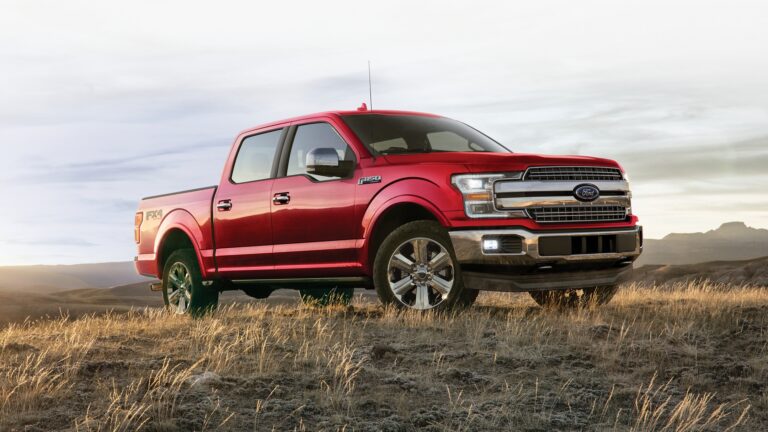
There’s a distinctive rumble, a commanding presence, and an undeniable aesthetic that turns heads wherever it goes. We’re talking about lowered trucks – a subculture within the automotive world that transforms utilitarian workhorses into sleek, street-ready machines. Far from just a visual tweak, lowering a truck is a comprehensive modification that impacts everything from its stance and handling to its overall character.
If you’ve ever admired a truck sitting low, hugging the pavement with aggressive wheels, you’re not alone. The appeal of lowered trucks is immense, blending performance, style, and a touch of rebellious spirit. This isn’t just about dropping the ride height; it’s about crafting a personalized statement that reflects passion and precision.
Unleashing the Street Beast: The Ultimate Deep Dive into Lowered Trucks
In this comprehensive guide, we’re going beyond the surface. We’ll explore the intricate world of lowered trucks, delving into the "why," "how," and "what next" of this captivating modification. Whether you’re a seasoned enthusiast or just curious about dipping your toes into truck customization, this article will equip you with the knowledge to make informed decisions and truly understand the allure of a properly lowered rig. Our goal is to provide you with pillar content that covers every angle, ensuring you’re well-prepared for your journey into the world of custom street trucks.
Why Enthusiasts Embrace Lowered Trucks: More Than Just a Look
The decision to lower a truck stems from a variety of desires, often a blend of aesthetics and performance. It’s a modification that fundamentally alters a truck’s silhouette and driving dynamics, creating a unique vehicle that stands apart from its factory counterpart. Understanding these motivations is key to appreciating the engineering and artistry involved.
1. The Undeniable Aesthetic Appeal
Visually, a lowered truck commands attention. The reduced gap between the tires and fender wells creates a sleeker, more aggressive profile that many find incredibly attractive. It transforms the truck from a utilitarian vehicle into a stylish cruiser or a performance-oriented street machine.
This "street truck" look is often paired with larger, custom wheels and tires, further enhancing its visual impact. The lowered stance gives the truck a grounded, powerful appearance, making it look ready to pounce. It’s about creating a cohesive design where every element contributes to a powerful, refined image.
2. Enhanced Handling and Performance
Beyond the visuals, one of the most significant benefits of lowering a truck is the improvement in handling characteristics. A lower center of gravity directly translates to reduced body roll during cornering and a more stable feel at higher speeds. This is a game-changer for driving dynamics.
Based on my experience with numerous custom builds, even a moderate drop can dramatically improve a truck’s responsiveness. It feels more planted, more agile, and less like a top-heavy utility vehicle. This transformation makes the truck far more enjoyable to drive on winding roads or even during spirited daily commutes.
3. Improved Aerodynamics (Subtle but Present)
While not the primary reason for most enthusiasts, lowering a truck can offer a subtle improvement in aerodynamics. By reducing the frontal area and the amount of air flowing underneath the vehicle, drag can be marginally decreased. This can potentially lead to minor gains in fuel efficiency and stability at highway speeds.
It’s important to note that these aerodynamic benefits are usually secondary to the aesthetic and handling improvements. However, for those meticulously optimizing every aspect of their build, every little bit counts towards creating a more efficient and stable machine.
4. Easier Access and Loading
For some, especially those who frequently load and unload items from their truck bed, a lowered stance can offer practical benefits. The reduced ride height makes reaching into the bed easier, and loading heavy items can be less strenuous. This can be particularly appealing for show trucks or those used for lighter hauling tasks rather than heavy-duty work.
This practical advantage often goes overlooked but contributes to the overall appeal for a certain segment of truck owners. It merges the cool factor with tangible daily usability, creating a truly versatile vehicle.
Deconstructing the Drop: Popular Lowering Methods
Achieving that perfect lowered stance involves a variety of methods, each with its own characteristics, costs, and installation complexities. Understanding these different approaches is crucial for choosing the right path for your truck and your specific goals. Pro tips from us emphasize that the best method depends entirely on your desired drop, budget, and intended use.
1. Static Drop: The Foundation of Lowering
A static drop is perhaps the most common and often the most budget-friendly way to lower a truck. It involves replacing or modifying existing suspension components to permanently reduce the vehicle’s ride height. There are no adjustable components once installed; the truck remains at a fixed lowered position.
This method is popular because of its relative simplicity and reliability. Once installed and properly aligned, a static drop generally requires minimal ongoing maintenance, making it a "set it and forget it" solution for many enthusiasts.
a. Drop Springs
Replacing the factory coil springs with shorter, stiffer "drop springs" is a straightforward way to lower the front of many trucks and SUVs. These springs are engineered to provide a specific amount of drop, typically ranging from 1 to 3 inches. They often have a higher spring rate than stock, which can contribute to improved handling but might result in a slightly firmer ride.
When considering drop springs, it’s vital to pair them with appropriate shocks. Stock shocks might not be optimized for the reduced travel of shorter springs, potentially leading to a harsh ride or premature wear. Always consider a complete system for the best results.
b. Drop Spindles
Drop spindles are a highly effective way to lower the front of a truck without significantly altering the suspension geometry or ride quality. These components relocate the wheel hub higher within the spindle assembly, effectively lowering the truck’s stance by 2 to 3 inches while retaining the factory spring and shock travel.
The beauty of drop spindles is that they maintain the original ride quality because the springs and shocks operate within their intended range. This makes them a favorite for those seeking a substantial drop without sacrificing comfort. However, they can sometimes affect wheel fitment, so careful measurement is essential.
c. Leaf Spring Flip Kits
For the rear of trucks equipped with leaf springs, a "flip kit" is a popular lowering solution. This kit involves relocating the leaf springs from being mounted under the axle to being mounted over the axle. This simple inversion can typically lower the rear of a truck by 4 to 6 inches, offering a dramatic drop.
Common mistakes to avoid here include not addressing bump stop clearance and potential driveline angles. A C-notch (which we’ll discuss later) might be necessary for significant drops to prevent the axle from hitting the frame. Additionally, shims might be needed to correct pinion angles and prevent vibrations.
d. Drop Shackles and Hangers
Another way to lower the rear of a leaf-sprung truck is by installing drop shackles or relocating hangers. Drop shackles are longer shackles that effectively lower the mounting point of the leaf springs, typically providing a 1 to 2-inch drop. Relocating hangers involves moving the front mounting point of the leaf springs, offering similar modest drops.
These are often used in conjunction with other methods to fine-tune the overall ride height. They are less aggressive than a flip kit but provide a noticeable change for those seeking a mild drop without extensive modifications.
2. Coilover Kits: Performance and Adjustability
Coilover kits are a more advanced and performance-oriented lowering solution. A coilover combines the spring and shock absorber into a single, integrated unit. What makes coilovers highly desirable is their adjustability. Many coilover systems allow for ride height adjustment (threaded body) and sometimes even damping (rebound and compression) adjustment.
Based on my experience, coilovers offer the best of both worlds: a significant drop and superior handling. The ability to fine-tune the ride height allows for precise leveling and dialing in the perfect stance. Damping adjustments enable drivers to tailor the ride quality from comfortable street cruising to firm track performance. While more expensive, the performance gains and versatility are often well worth the investment for serious enthusiasts. If you’re weighing your options between active and passive lowering, our detailed comparison of offers further insights.
3. Air Ride Suspension: The Ultimate in Adjustability
For the pinnacle of adjustability and ride comfort, air ride suspension reigns supreme. Instead of traditional springs, air ride systems use inflatable air bags (or "air springs") at each corner of the vehicle. An onboard compressor and air tank system allow the driver to raise or lower the truck with the push of a button.
Air ride offers unparalleled versatility. You can achieve extreme drops for show purposes, raise the truck to clear obstacles like speed bumps, and even adjust individual corners for leveling. Modern air ride systems also incorporate sophisticated management systems that can maintain ride height automatically and offer multiple preset ride heights. While complex and often the most expensive option, air ride delivers an unmatched blend of stance, comfort, and practicality.
Essential Components of a Lowering Kit
Beyond the primary lowering mechanisms, several other components are often critical to ensure a safe, functional, and well-performing lowered truck. Ignoring these can lead to a host of problems, from poor ride quality to premature wear of parts.
1. Performance Shocks and Struts
When you lower a truck, you change the working range of the suspension. Stock shocks and struts are designed for a specific amount of travel and might not perform optimally with shorter springs or relocated axles. Aftermarket performance shocks are engineered with shorter bodies and revised valving to accommodate the reduced travel and often stiffer spring rates of a lowered setup.
Upgrading your shocks is not just about comfort; it’s crucial for controlling suspension movement, preventing bottoming out, and maintaining proper tire contact with the road. It’s an investment that pays dividends in ride quality and handling.
2. C-Notches: Frame Clearance for Extreme Drops
When the rear of a truck is lowered significantly (typically 4 inches or more), the axle can come into contact with the frame, especially over bumps. A C-notch kit involves cutting a section out of the truck’s frame above the axle and reinforcing it with a bolted or welded C-shaped steel channel. This modification creates additional clearance, preventing the axle from impacting the frame and allowing for full suspension travel.
Pro tips from us: Never skip a C-notch if your drop warrants it. Ignoring this can lead to a harsh, bone-jarring ride, frame damage, and even loss of control in extreme situations. It’s a necessary safety and performance modification for aggressive drops.
3. Control Arms
For the front suspension, especially with significant drops or when using drop spindles, aftermarket control arms might be necessary. Lower control arms can help correct alignment issues caused by the drop, while upper control arms can provide additional clearance for specific wheel and tire combinations. They are often stronger than factory units and can incorporate improved ball joints and bushings.
Properly designed control arms ensure that your alignment can be brought back into factory specifications, preventing uneven tire wear and maintaining predictable steering.
4. Sway Bars
While not always included in basic lowering kits, upgrading your sway bars (anti-roll bars) can further enhance the handling of a lowered truck. Stiffer sway bars reduce body roll even more effectively, making the truck feel flatter and more stable during cornering. This is particularly beneficial for trucks that will see spirited driving.
Many aftermarket sway bars are designed to work seamlessly with lowered suspensions, ensuring proper clearance and optimal performance.
The Installation Journey: DIY vs. Professional
Once you’ve decided on your lowering method and gathered your components, the next step is installation. This can be a rewarding DIY project for the mechanically inclined, or it can be entrusted to a professional shop. Each approach has its merits and potential pitfalls.
DIY Installation: For the Hands-On Enthusiast
Tackling a lowering kit installation yourself can be incredibly satisfying and save on labor costs. It offers a deeper understanding of your vehicle and the modifications involved. However, it requires a good understanding of automotive mechanics, proper tools, and a safe working environment.
Common mistakes to avoid are rushing the process, failing to use proper jack stands and safety equipment, and not following manufacturer instructions precisely. Based on my experience, even experienced DIYers should consult detailed guides and videos specific to their truck model. Remember, suspension work directly impacts safety and handling.
Professional Installation: Peace of Mind and Expertise
Entrusting your lowering kit installation to a reputable automotive shop, especially one specializing in suspension and custom work, offers significant advantages. Professionals have the specialized tools, lifts, and expertise to perform the installation correctly and efficiently. They can also troubleshoot unforeseen issues and often provide warranties on their labor.
While professional installation incurs labor costs, the peace of mind knowing the job is done right, combined with their ability to handle crucial post-installation steps like alignment, makes it a worthwhile investment for many.
The Crucial Step: Post-Installation Alignment
Regardless of who performs the installation, a professional wheel alignment is absolutely non-negotiable after lowering your truck. Lowering a vehicle significantly alters its suspension geometry, affecting camber, caster, and toe angles. Without proper alignment, you will experience uneven tire wear, poor handling, and an unsafe driving experience.
Pro tips from us: Schedule your alignment shortly after the installation, ideally within a few days or after a short break-in period. This ensures your tires last longer and your truck handles as it should.
Navigating the Downsides: Considerations for Lowered Trucks
While the appeal of lowered trucks is strong, it’s essential to be aware of the potential drawbacks and considerations. A well-informed decision means understanding both the benefits and the challenges.
1. Changes in Ride Quality
One of the most common trade-offs with a lowered truck is a potentially firmer or harsher ride. Stiffer springs and performance shocks, while improving handling, often transmit more road imperfections into the cabin. While some enjoy this "sportier" feel, others might find it less comfortable for daily driving.
The degree to which ride quality changes depends heavily on the lowering method, the quality of components used, and the amount of drop. Air ride systems typically offer the best ride comfort among aggressive lowering solutions.
2. Reduced Ground Clearance
This is perhaps the most obvious drawback. A lowered truck has less ground clearance, making it more susceptible to scraping on speed bumps, steep driveways, potholes, and uneven terrain. You’ll need to be more mindful of your driving environment and approach obstacles at an angle to prevent damage to your exhaust, oil pan, or frame.
Common mistakes to avoid are underestimating how much clearance you’ve lost. Always scout new routes and driveways carefully.
3. Increased Wear on Certain Components
Depending on the extent of the drop and the quality of the components, some parts of your suspension and driveline might experience increased wear. Ball joints, bushings, CV joints (on independent front suspensions), and even universal joints in the driveshaft can be subjected to different operating angles and stresses than factory design.
Investing in high-quality aftermarket components designed for lowered applications can mitigate some of these issues. Regular inspections are also crucial for early detection of wear.
4. Potential Tire Wear Issues
If your truck is not properly aligned after being lowered, you will almost certainly experience accelerated and uneven tire wear. Incorrect camber and toe settings can quickly ruin a set of tires, costing you significant money. This reinforces the absolute necessity of a professional alignment.
Even with proper alignment, some aggressive lowered setups, especially those with significant negative camber for aesthetics, might still exhibit slightly increased inner tire wear.
Sustaining the Stance: Maintenance for Lowered Trucks
Maintaining a lowered truck involves a few extra considerations compared to a stock vehicle. Regular inspections and proactive care will ensure your investment lasts and performs reliably.
1. Routine Inspections and Alignment Checks
Regularly inspect all suspension components for signs of wear, damage, or loose fasteners. Pay close attention to bushings, ball joints, shocks, and any modified frame sections (like C-notches). Aftermarket components might have different maintenance schedules than factory parts.
Pro tips from us: Get your alignment checked annually, or whenever you notice uneven tire wear or changes in handling. Small adjustments can prevent big problems.
2. Tire Care and Rotation
Closely monitor your tire pressure and wear patterns. Even with proper alignment, slightly different wear characteristics can occur. Rotate your tires according to manufacturer recommendations (or more frequently if you notice uneven wear) to maximize their lifespan.
3. Component Lubrication
Some aftermarket suspension components, especially adjustable ones or those with polyurethane bushings, may require periodic lubrication. Refer to the component manufacturer’s guidelines for specific maintenance requirements. This prevents squeaks and ensures smooth operation.
Making the Right Choice: Selecting Your Lowering Kit
With so many options available, choosing the perfect lowering kit can feel overwhelming. Consider these factors to guide your decision:
1. Budget Considerations
Lowering kits range widely in price, from a few hundred dollars for basic static drops to several thousand for advanced air ride systems. Factor in not just the cost of the parts, but also potential installation labor, alignment, and any necessary auxiliary components like C-notches or upgraded shocks.
2. Desired Drop Amount and Aesthetic
How low do you want to go? A mild 2-inch drop for improved handling and a subtle stance is very different from an aggressive 6-inch drop for a show truck. Visualizing your desired end result will help narrow down the appropriate methods and kits.
3. Intended Use of the Truck
Is this a daily driver, a weekend cruiser, a show truck, or an occasional performance vehicle? A daily driver might prioritize ride comfort and moderate clearance, while a show truck might opt for extreme drops and air ride. Your primary use case should heavily influence your component selection.
4. Brand Reputation and Quality
Invest in reputable brands known for producing high-quality suspension components. Cheaper, no-name parts can lead to premature failure, poor ride quality, and even safety concerns. Read reviews, ask for recommendations, and research manufacturers thoroughly.
5. Professional Advice
Don’t hesitate to consult with experienced suspension shops or custom truck builders. Their expertise can provide invaluable insights, help you avoid common pitfalls, and guide you towards the best solution for your specific truck and goals.
Common Mistakes to Avoid When Lowering Your Truck
Based on my extensive work in the custom truck scene, I’ve seen enthusiasts make several common errors that can compromise their build. Avoiding these will save you time, money, and frustration.
- Buying Cheap, Unproven Parts: Skimping on quality often leads to a harsh ride, premature failure, and having to replace components sooner than expected. Invest in good quality from the start.
- Skipping the Alignment: As reiterated, this is critical. An improper alignment will ruin tires and make your truck handle poorly and unsafely.
- Ignoring C-Notch Needs: If your drop is significant (4+ inches in the rear), a C-notch is essential. Not installing one means your axle will repeatedly hit the frame, leading to damage and a terrible ride.
- DIY Without Proper Knowledge or Tools: Suspension work can be dangerous if done incorrectly. If you’re unsure, or lack the right equipment, professional installation is a safer bet.
- Not Considering Local Laws: Vehicle modification laws vary. Always check your local and state regulations regarding vehicle height, fender coverage, and other modifications. Always consult official resources like to stay informed about vehicle modification laws in your area.
Final Thoughts: The Journey of the Lowered Truck
Lowering a truck is more than just a modification; it’s an evolution. It transforms a functional vehicle into a personalized statement of style, performance, and passion. From the subtle enhancements of drop springs to the dramatic adjustability of air ride, each method offers a unique pathway to achieving that coveted low stance.
The journey of building a lowered truck is incredibly rewarding, but it requires careful planning, informed decisions, and a commitment to quality. By understanding the various methods, components, maintenance requirements, and potential drawbacks, you can embark on this project with confidence. Whether you’re chasing improved handling, a head-turning aesthetic, or a blend of both, a properly executed lowered truck is a testament to automotive craftsmanship and individuality. Get ready to hit the pavement with a presence that truly commands attention.