Unleashing the Power: The Definitive Guide to Snatch Trucks and Kinetic Vehicle Recovery
Unleashing the Power: The Definitive Guide to Snatch Trucks and Kinetic Vehicle Recovery Typestruck.Guidemechanic.com
Getting stuck off-road is an inevitable part of the adventure. Whether you’re navigating treacherous mud, deep sand, or challenging rocky terrain, the moment your wheels lose traction and your vehicle grinds to a halt can be frustrating, even daunting. This is where the concept of "snatch trucks" and kinetic recovery comes into play – a powerful, yet often misunderstood, method for liberating stranded vehicles.
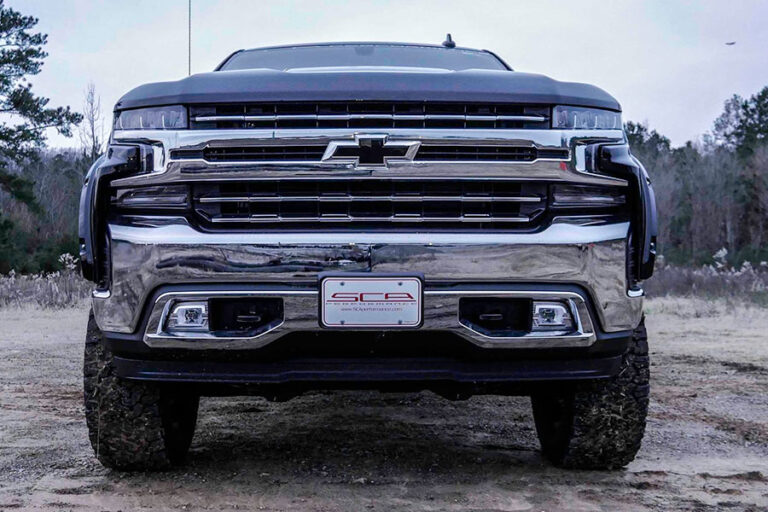
Far from being a specific type of vehicle, a "snatch truck" refers to any robust vehicle equipped and utilized for kinetic recovery. It’s about harnessing stored energy to pull another vehicle free. This isn’t just a brute-force operation; it’s a science, an art, and, most importantly, a skill that demands respect, knowledge, and the right gear. As an expert in off-road dynamics and recovery, I’m here to guide you through everything you need to know to safely and effectively employ snatch recovery, turning potential disasters into successful escapades.
Unleashing the Power: The Definitive Guide to Snatch Trucks and Kinetic Vehicle Recovery
What Exactly Are "Snatch Trucks" and the Magic of Kinetic Recovery?
At its core, a "snatch truck" is the recovery vehicle in a kinetic recovery operation. It’s the vehicle providing the pulling power, connected to a stuck vehicle via a specialized kinetic recovery rope or "snatch strap." Unlike traditional static towing or winching, kinetic recovery utilizes the elasticity of a specially designed rope to store and release energy.
Imagine a giant rubber band. When stretched, it builds tension, and when released, it snaps back with force. A kinetic recovery rope works on a similar principle. As the recovery vehicle (our "snatch truck") drives forward, the rope stretches, absorbing the kinetic energy of the moving vehicle. This stored energy is then released as the rope contracts, creating a powerful, dynamic pull that can effectively yank a stuck vehicle out of its predicament. It’s a smooth, progressive pull that minimizes shock loads on both vehicles, provided it’s done correctly.
The Science Behind the Pull
The magic lies in the rope’s ability to stretch up to 30% of its length. This elasticity allows for a gentler, yet more forceful, recovery than a static tow strap, which has minimal stretch. A static strap would transfer a sudden, jarring shock load, potentially damaging chassis, tow points, or even causing the strap to snap dangerously.
Kinetic recovery, on the other hand, distributes the force over a longer period, applying a powerful, sustained tug. This makes it incredibly effective for vehicles bogged down in mud, sand, or snow, where a sudden jerk might only dig them deeper. The recovery vehicle gains momentum, the rope stretches, and then the stored energy literally "snatches" the bogged vehicle free.
Why Kinetic Recovery? The Distinct Advantages of Snatch Operations
When faced with a stuck vehicle, there are several recovery options, but kinetic recovery often stands out for specific scenarios. Understanding its advantages is crucial for choosing the right recovery method.
One primary benefit is speed and efficiency. Setting up a kinetic recovery is typically much faster than deploying a winch, especially in open areas. There’s no need to find a solid anchor point, unwind cables, or manage complex rigging. This makes it ideal for quick recoveries in relatively straightforward situations.
Another significant advantage is its effectiveness in specific terrains. Based on my experience, snatch recovery excels in soft, yielding surfaces like sand, mud, or snow. The dynamic pull helps to break the suction holding the stuck vehicle, lifting it slightly and allowing it to roll free. Static pulls or winching might struggle more against this suction.
Furthermore, when executed properly, kinetic recovery can reduce strain on vehicle components. The elastic nature of the snatch strap absorbs much of the shock, lessening the impact on the chassis, drivetrain, and recovery points of both vehicles involved. This is a stark contrast to the sudden, sharp jolt associated with incorrect static towing. This method harnesses momentum rather than sheer pulling power alone, often requiring less sustained torque from the recovery vehicle.
Essential Gear for a "Snatch Truck" Operation
A successful and safe snatch recovery hinges on having the right, high-quality gear. Skimping on equipment is a common mistake that can lead to catastrophic failure and serious injury.
1. Kinetic Recovery Rope (Snatch Strap)
This is the cornerstone of any kinetic recovery. Unlike a standard tow strap, a kinetic rope is designed to stretch. They come in various lengths and breaking strengths.
Pro tips from us: Always choose a rope with a Minimum Breaking Strength (MBS) that is 2-3 times the Gross Vehicle Mass (GVM) of the heaviest vehicle involved in the recovery. For instance, if your vehicle weighs 2,500 kg, you’ll want a rope rated for at least 5,000-7,500 kg. Inspect your rope before and after every use for frays, cuts, or excessive wear.
2. Rated Recovery Points
This cannot be stressed enough: NEVER attach a recovery strap to a tow ball, tie-down points, or unrated chassis components. Tow balls are designed for downward vertical loads, not horizontal snatch loads, and can become deadly projectiles.
Both the recovery vehicle and the stuck vehicle must have rated recovery points securely bolted to the chassis. These are typically identifiable by their bright color (often red or yellow) and a stamped load rating. Common types include rated shackles or purpose-built recovery hooks.
3. Shackles (Soft Shackles vs. Hard Shackles)
Shackles are used to connect the kinetic rope to the recovery points. You have two main options:
- Hard Shackles (D-rings or Bow Shackles): These are traditionally made of steel. Ensure they are rated and match the load capacity of your recovery rope and points. Always use screw-pin shackles, not spring-clip ones.
- Soft Shackles: Made from high-strength synthetic rope, soft shackles are increasingly popular. They are lighter, float on water, and, critically, pose less of a projectile risk if they fail under load. They are also gentler on painted surfaces.
Common mistakes to avoid are using unrated shackles or mixing and matching different types without understanding their compatibility. Always choose shackles with an MBS greater than your rope.
4. Dampener / Recovery Blanket
This is a non-negotiable safety item. A dampener (often a heavy blanket or purpose-made recovery dampener) is draped over the middle of the kinetic rope. In the event of a rope or shackle failure, the dampener helps to absorb and weigh down the strap, preventing it from recoiling violently and striking someone or a vehicle. It significantly reduces the projectile risk.
5. Gloves
Heavy-duty gloves are essential for protecting your hands from rope friction, potential splinters, and sharp edges on shackles or vehicle components.
6. Shovel
A sturdy shovel is invaluable for clearing mud, sand, or debris around tires and under the chassis, which can significantly ease the recovery process. Sometimes, a few minutes of digging can save a lot of snatching effort.
7. Communication Devices
Clear communication between the drivers of both vehicles is paramount. Two-way radios (UHF/VHF), cell phones (if service is available), or even clear hand signals are vital to ensure coordinated actions and safety.
The "Snatch Truck" Itself: What Makes a Vehicle Suitable?
Not every vehicle can be a "snatch truck." The recovery vehicle needs to be capable of providing the necessary momentum and withstand the forces involved.
Firstly, weight and power considerations are critical. The recovery vehicle should ideally be heavier than the stuck vehicle, or at least have comparable weight. A lighter vehicle attempting to snatch a much heavier one is inefficient and dangerous, potentially damaging the lighter vehicle or simply failing to move the heavier one. Adequate engine power and traction are also necessary to build momentum.
Secondly, the suspension setup plays a role. A well-maintained suspension system can better absorb the dynamic forces generated during a snatch recovery. Overly soft or worn suspension components might not handle the stresses well.
Thirdly, tire choice contributes significantly to traction. Aggressive all-terrain (AT) or mud-terrain (MT) tires on the recovery vehicle will provide the necessary grip to accelerate and generate the kinetic energy needed without spinning excessively.
And most importantly, as mentioned earlier, the "snatch truck" must have properly rated recovery points at both the front and rear. Without these, any attempt at snatch recovery is reckless. Regularly inspect your vehicle’s recovery points for any signs of damage or fatigue.
Finally, maintenance of the recovery vehicle is key. Ensure your brakes are in good working order, fluids are topped up, and tires are correctly inflated for the terrain. A well-maintained vehicle is a reliable recovery vehicle.
Step-by-Step Guide to a Safe Snatch Recovery Operation
Safety is paramount. Follow these steps meticulously to perform a safe and effective snatch recovery.
1. Assessment and Planning
Before anything else, stop and assess the situation. Evaluate the degree to which the vehicle is stuck, the terrain, potential obstacles, and the condition of both vehicles. Determine if snatch recovery is the most appropriate method. If the vehicle is high-centered on rocks or has severely damaged components, winching or alternative methods might be safer.
Next, plan your recovery path. Where will the stuck vehicle go once freed? Is the path clear of hazards? What is the best angle for the recovery vehicle to approach?
2. Preparation of Both Vehicles
Ensure both vehicles are turned off, in neutral, and the parking brake is engaged on the stuck vehicle. Clear any immediate obstacles around the tires of the stuck vehicle using a shovel.
Confirm that both vehicles have properly rated recovery points accessible and free of debris. Ensure tires on both vehicles are appropriately deflated for the terrain to maximize footprint and traction.
3. Connection of Gear
Attach the kinetic recovery rope to the rated recovery points on both the stuck vehicle and the recovery vehicle using rated shackles. Ensure shackles are correctly oriented and tightened.
Crucially, place the recovery dampener over the middle of the kinetic rope. This minimizes the risk of the rope becoming a dangerous projectile if it or a shackle fails.
4. Establish Clear Communication
Before any movement, ensure both drivers have a clear and agreed-upon communication plan. This could involve two-way radios, specific hand signals, or a designated spotter. The spotter should have a clear view of both vehicles and the strap.
Confirm that all bystanders are well outside the danger zone, which is generally considered to be 1.5 times the length of the recovery rope in all directions.
5. Execution: The Controlled Pull
The recovery vehicle should initially position itself so the kinetic rope is taut, but not under tension. The driver of the recovery vehicle then slowly and smoothly drives forward, building momentum.
Based on my experience, a common mistake is for the recovery vehicle to accelerate too aggressively. The key is a controlled, progressive acceleration. Allow the rope to stretch and absorb the kinetic energy. As the rope reaches its maximum stretch, the stored energy will be released, creating that powerful snatching action. The driver of the stuck vehicle should attempt to steer and accelerate gently to assist the recovery once the pull begins.
6. Post-Recovery Procedures
Once the stuck vehicle is free, both drivers should slowly bring their vehicles to a controlled stop. Ensure both vehicles are stable before proceeding.
Carefully disconnect the recovery gear in reverse order: remove the dampener, then the shackles and rope. Inspect all gear for damage, clean it if necessary, and pack it away properly. Re-inflate tires to appropriate pressures for the next stage of your journey.
Common Mistakes to Avoid in Snatch Recovery
Even experienced off-roaders can make mistakes. Recognizing these pitfalls is crucial for safe operations.
Using Unrated Recovery Points: As emphasized, attaching to tow balls, tie-down loops, or suspension components that aren’t rated for recovery forces is incredibly dangerous. This is perhaps the most frequent and dangerous mistake we often see.
Incorrect Strap Sizing or Condition: Using a strap that’s too weak for the load, or one that’s frayed, cut, or damaged, is an accident waiting to happen. Always check the MBS and inspect your gear thoroughly.
Lack of Communication: Misunderstandings between drivers or a lack of a clear spotter can lead to uncoordinated actions, increasing the risk of damage or injury. Clear, concise communication is non-negotiable.
Over-Accelerating the Recovery Vehicle: A common misconception is that more speed equals more power. While momentum is key, excessive speed can put undue stress on the rope and vehicles, leading to harsh jolts, loss of control, and potential component failure. It’s about smooth, controlled acceleration, not a drag race.
Standing in the Danger Zone: The area around a recovery operation, especially with kinetic ropes, is highly dangerous. If a strap or shackle breaks, it can become a deadly projectile. Always ensure all bystanders are a safe distance away.
Not Using a Dampener/Blanket: This simple safety device can be the difference between a minor incident and a serious injury. Neglecting to use it is a significant oversight.
Improper Vehicle Positioning: Positioning the recovery vehicle at a bad angle can lead to sideways stress on recovery points, potential damage to steering components, or simply an ineffective pull. Always aim for a straight line pull if possible.
Safety First: The Golden Rules of Kinetic Recovery
To reiterate the critical importance of safety, here are the golden rules for any snatch recovery operation:
- Always Use Rated Gear: From ropes to shackles to recovery points, ensure every piece of equipment meets or exceeds the necessary load ratings.
- Clear the Area: Before starting, ensure all people and unnecessary equipment are clear of the danger zone.
- Communicate Clearly: Establish and maintain constant, unambiguous communication between all parties involved.
- Inspect Gear Before and After Use: Look for any signs of wear, damage, or degradation on ropes, shackles, and recovery points.
- Never Attach to Tow Balls: These are not recovery points and will fail dangerously under kinetic loads.
- Wear Gloves: Protect your hands from rope burn, pinches, and sharp edges.
- Train and Practice: Familiarize yourself with your gear and practice safe recovery techniques in a controlled environment. Confidence comes from competence.
- Know Your Limits: Understand the capabilities of your vehicle and your gear. If a recovery feels too risky or beyond your expertise, don’t attempt it. Seek professional help.
Maintaining Your Recovery Gear
Proper maintenance extends the life of your expensive recovery gear and ensures it’s safe to use when you need it most.
Cleaning Straps: After use, especially in muddy or sandy conditions, thoroughly wash your kinetic recovery rope with clean water. Do not use harsh detergents. Allow it to air dry completely in the shade before storing. Mud and grit can cause internal abrasion, weakening the fibers over time.
Inspecting Shackles: Regularly check hard shackles for bends, cracks, or deformation. Ensure the pins are straight and thread smoothly. For soft shackles, inspect for cuts, abrasions, or excessive fraying. If any damage is found, replace the item.
Proper Storage: Store all recovery gear in a clean, dry place, away from direct sunlight, chemicals, and extreme temperatures. A dedicated gear bag or box will protect it from UV degradation and physical damage. Never store a dirty or wet rope, as this can lead to mold and mildew, compromising its strength.
When NOT to Use Snatch Recovery
While powerful, kinetic recovery isn’t a silver bullet for all stuck situations. Knowing when to choose an alternative method is crucial.
- Vehicle High-Centered on Rocks or Hard Obstacles: If the vehicle’s chassis is resting firmly on a hard surface, a snatch recovery might simply drag it further, causing severe underbody damage. Winching or using a high-lift jack might be more appropriate here.
- Very Deep Mud Where Vehicle is Bellied Out: While snatch recovery is good for mud, if the vehicle is completely submerged or resting on its chassis in deep, heavy mud, the resistance might be too great for a kinetic pull alone. This can put excessive strain on both vehicles and the recovery gear.
- Damaged Recovery Points or Chassis: If either vehicle has compromised recovery points or visible chassis damage, attempting a snatch recovery is too risky. The integrity of the attachment points is paramount.
- Lack of a Suitable Recovery Vehicle: As discussed, the "snatch truck" needs to be appropriately sized and equipped. If you don’t have a capable recovery vehicle, don’t try to force it with an unsuitable one.
- When Winching is Clearly Safer or More Appropriate: In situations requiring a slow, controlled pull, precise positioning, or where there’s a risk of the vehicle rolling, winching often provides a safer and more controllable solution. often details these situations.
Legal & Ethical Considerations
While specific laws regarding off-road recovery vary, a few ethical and practical considerations are universally applicable. Always practice "Tread Lightly!" principles, minimizing your environmental impact during a recovery. This means avoiding unnecessary damage to vegetation, staying on designated trails, and cleaning up any debris. External Link: Learn more about responsible off-roading from Tread Lightly!
Be aware of your surroundings and any local regulations regarding vehicle recovery, especially on public lands or sensitive ecosystems. Always aim to leave the recovery site better than you found it.
Conclusion: Mastering the Art of Snatch Recovery
Understanding and safely employing "snatch trucks" and kinetic recovery techniques can be a game-changer for any off-road enthusiast. It empowers you to tackle challenging terrains with confidence, knowing you have a reliable method for self-recovery or assisting fellow adventurers. This comprehensive guide has explored the mechanics, essential gear, step-by-step procedures, and critical safety considerations, transforming the daunting prospect of being stuck into a manageable challenge.
Remember, the power of kinetic recovery lies not just in the gear, but in the knowledge, discipline, and respect for its inherent forces. Invest in quality equipment, practice diligently, and always prioritize safety above all else. By doing so, you’ll not only enhance your off-road experiences but also become a valuable asset to your adventuring community. Stay prepared, stay safe, and keep exploring! For more in-depth guides on off-road readiness, explore our other articles, like .