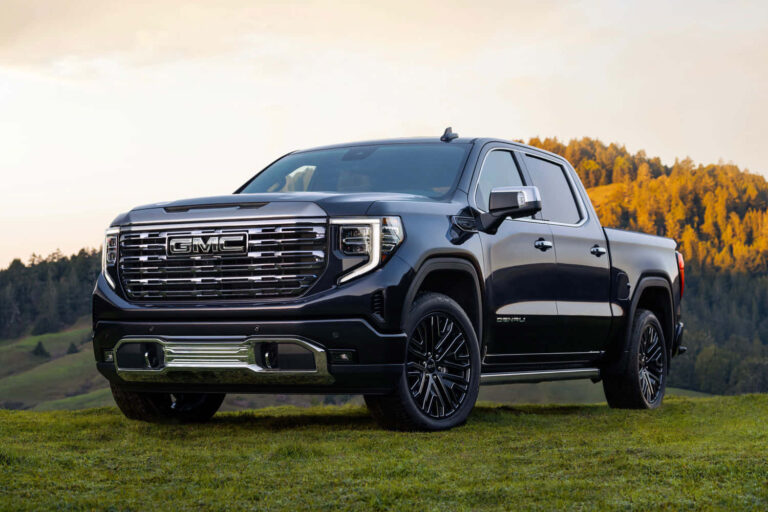
Unleashing the Beast: Your Ultimate Guide to Finding and Buying Used Chevy 3500HD Diesel Trucks For Sale
Unleashing the Beast: Your Ultimate Guide to Finding and Buying Used Chevy 3500HD Diesel Trucks For Sale Typestruck.Guidemechanic.com
The roar of a Duramax diesel, the unmistakable silhouette of a heavy-duty truck, and the promise of unparalleled capability – few vehicles embody raw power and unwavering reliability quite like a Chevy 3500HD. For those who demand serious towing, hauling, and durability without the hefty price tag of a brand-new model, the market for used Chevy 3500HD diesel trucks for sale presents an incredibly compelling opportunity.
This isn’t just about finding a truck; it’s about investing in a workhorse that can tackle the toughest jobs, from pulling a massive fifth-wheel RV across state lines to hauling equipment to a demanding job site. But with so many options, generations, and conditions, how do you navigate the landscape to find the perfect pre-owned powerhouse?
Unleashing the Beast: Your Ultimate Guide to Finding and Buying Used Chevy 3500HD Diesel Trucks For Sale
In this comprehensive guide, we’ll dive deep into everything you need to know. From understanding the legendary Duramax engine and the bulletproof Allison transmission to performing a thorough inspection and making a smart purchase, we’ll equip you with the knowledge to make an informed decision. Get ready to unlock the full potential of these incredible machines.
Why Choose a Used Chevy 3500HD Diesel Truck?
The decision to opt for a used heavy-duty diesel truck, particularly a Chevy 3500HD, is often driven by a blend of practicality, performance, and financial savviness. These trucks aren’t just vehicles; they are tools designed for serious work and adventure. Understanding their core advantages will illuminate why they remain such a sought-after commodity.
Unmatched Power & Capability
At the heart of every Chevy 3500HD diesel lies the legendary Duramax engine, paired with the robust Allison transmission. This combination delivers immense torque and horsepower, making light work of heavy loads. Whether you’re towing a large camper, a boat, or a flatbed trailer filled with construction materials, the 3500HD is engineered to perform without breaking a sweat.
Based on my experience, many owners find that even older models of the 3500HD still outperform many newer, lighter-duty trucks in terms of sheer pulling power and stability. The truck’s heavy-duty frame and suspension systems are specifically designed to handle significant payload and trailer weights, providing a confident and controlled towing experience. This capability is paramount for both professional use and serious recreational activities.
Durability & Longevity
Chevy 3500HD trucks are built to last. Their robust construction, from the frame to the drivetrain components, is engineered for demanding conditions and extended lifespans. Diesel engines, by their very nature, are designed for high mileage and heavy use, often outlasting their gasoline counterparts when properly maintained.
It’s not uncommon to see these trucks clocking hundreds of thousands of miles, still performing reliably. This inherent durability means that even a used model can offer many more years of dependable service. Investing in a well-maintained used 3500HD can provide incredible value over its operational life.
Fuel Efficiency (for its class)
While no heavy-duty truck will ever be mistaken for a hybrid, diesel engines offer superior fuel efficiency compared to gasoline engines of comparable power output, especially under load. The higher energy density of diesel fuel and the engine’s design contribute to better mileage per gallon.
This efficiency becomes particularly noticeable when towing or hauling heavy loads, where a diesel engine truly shines. Over thousands of miles, these savings can add up significantly, making the running costs more manageable than you might initially expect from such a powerful vehicle.
Strong Value Retention
Chevy 3500HD diesel trucks are known for holding their value exceptionally well. Their enduring popularity, combined with their renowned durability and capability, ensures a robust resale market. This means that while you save money by buying used, you also protect your investment.
Should you decide to sell or trade in your truck down the line, you can expect a good return, reflecting the consistent demand for these heavy-duty workhorses. This strong value retention makes a used 3500HD a financially sound choice.
Significant Cost Savings
Perhaps the most immediate benefit of buying a used Chevy 3500HD diesel is the substantial cost savings compared to purchasing a new model. New heavy-duty trucks, especially those equipped with premium diesel engines, can command very high prices. Buying used allows you to get the same, or very similar, capabilities and features for a fraction of the original cost.
The initial depreciation hit on a new vehicle is often the largest, so by letting someone else absorb that cost, you get more truck for your money. This opens up the possibility of acquiring a higher trim level or a newer model year than you could afford new, enhancing your overall value proposition.
Key Generations and Notable Features: What to Look For
Understanding the different generations and their respective Duramax engines is crucial when sifting through used Chevy 3500HD diesel trucks for sale. Each generation brought improvements, but also had its unique characteristics and sometimes, specific issues to be aware of.
A Glimpse at Key Generations
Chevrolet’s heavy-duty trucks have evolved significantly over the years. Key generations often include:
- GMT800 (1999-2007 Classic): The era that introduced the Duramax engine. These trucks laid the groundwork for the modern heavy-duty pickup.
- GMT900 (2007.5-2014): A significant redesign, offering improved interiors, chassis, and updated Duramax engines.
- K2XX (2015-2019): Further refinements in design, aerodynamics, and engine technology, including the LML and L5P Duramax.
- T1XX (2020-Present): The latest generation, featuring completely new styling, enhanced capability, and the most powerful Duramax engines to date.
Each generation has its distinct aesthetic and mechanical nuances. Your budget and desired features will likely dictate which generation you focus on.
The Duramax Engines: A Chronological Overview
The Duramax engine is the heart of the Chevy 3500HD diesel, and understanding its various iterations is paramount.
- LB7 (2001-2004): The original Duramax. Known for its strong performance, but early models can be prone to injector issues, often requiring costly replacement. Accessing these injectors is also labor-intensive.
- LLY (2004.5-2006): Addressed some LB7 issues. However, the LLY can suffer from overheating issues due to a restrictive turbocharger intake mouth piece and smaller intercooler. Many owners upgrade these components for better performance and reliability.
- LBZ (2006-2007 Classic): Widely regarded as one of the best Duramax engines. It offered more power than the LLY and resolved many of its predecessor’s issues. The LBZ is highly sought after by enthusiasts for its robust design and lack of a Diesel Particulate Filter (DPF) in most applications.
- LMM (2007.5-2010): Introduced emissions equipment like the DPF, which can lead to regeneration cycles and potential clogs if not properly maintained or if the truck isn’t driven hard enough. This was a necessary step for compliance.
- LML (2011-2016): Increased horsepower and torque, but introduced the Bosch CP4 fuel pump, which has a known failure rate. A CP3 conversion is a popular and recommended preventative modification for LML owners.
- L5P (2017-Present): A major redesign, the L5P is the most powerful and refined Duramax to date, with significant improvements in reliability over the LML’s fuel system. It uses a Denso HP4 fuel pump, which is much more robust.
Pro tips from us: When looking at an LML, always inquire about the CP4 pump. Has it been replaced? Has it been upgraded? This can save you a significant headache down the road. For any Duramax, a thorough review of service records is non-negotiable.
The Allison Transmission: A Gold Standard
Paired with the Duramax, the Allison 1000 series automatic transmission is a marvel of engineering. It’s renowned for its strength, smooth shifting, and incredible durability, easily handling the immense torque produced by the Duramax. This transmission is a major selling point for Chevy and GMC heavy-duty trucks.
While incredibly robust, regular fluid and filter changes are crucial for its longevity. Neglected maintenance can lead to premature wear.
Trim Levels: From Workhorse to Luxury
Chevy 3500HD trucks come in various trim levels, influencing features, comfort, and price.
- Work Truck (WT): Basic, no-frills, designed purely for utility.
- LT: Adds more creature comforts like power accessories, improved audio, and cloth seating.
- LTZ: Ups the ante with leather seats, advanced infotainment, dual-zone climate control, and more premium exterior accents.
- High Country: The top-tier luxury trim, featuring exclusive styling, premium leather, advanced safety features, and all available amenities.
Consider what features are essential for your needs. A WT might be perfect for a dedicated work truck, while an LTZ or High Country offers a more comfortable ride for long hauls or daily driving.
The Duramax Diesel Engine: A Deep Dive
The Duramax diesel engine is undeniably one of the biggest draws for anyone considering a used Chevy 3500HD diesel truck for sale. Its reputation for power, longevity, and tunability is well-earned, but like any complex piece of machinery, it has its peculiarities and specific maintenance needs.
Why the Duramax is Revered
From its initial release, the Duramax, a joint venture between GM and Isuzu, quickly established itself as a formidable competitor in the heavy-duty diesel market. Its overhead cam design, common rail fuel injection, and variable-geometry turbocharger (in later models) contribute to its responsive power delivery and relatively quiet operation for a diesel. The engine’s ability to produce massive torque at low RPMs makes it ideal for heavy towing and hauling, giving drivers confidence even with the largest loads.
Furthermore, the Duramax has a strong aftermarket presence, with numerous performance upgrades and accessories available. This allows owners to customize their trucks for even more power, efficiency, or specific applications, further cementing its legendary status among truck enthusiasts.
Common Issues and What to Watch Out For
While robust, certain Duramax generations have known issues that prospective buyers should be aware of. Common mistakes to avoid are ignoring these potential problems, as they can lead to significant repair costs.
- LB7 Injector Issues (2001-2004): Early Duramax engines (LB7) are notorious for fuel injector failures, often causing fuel to dilute the engine oil. This is a costly repair due to the labor involved in accessing the injectors under the valve covers. Always check for recent service records indicating injector replacement or ask for an oil analysis.
- LLY Overheating (2004.5-2006): The LLY can run hot, particularly when towing heavy loads, due to a restrictive turbo inlet and intercooler design. Look for evidence of aftermarket cooling upgrades or monitor engine temperatures closely during a test drive.
- LML CP4 Fuel Pump Failure (2011-2016): This is a critical concern for LML models. The Bosch CP4 high-pressure fuel pump is known to fail catastrophically, sending metal debris throughout the entire fuel system. This often requires replacing the entire fuel system (injectors, lines, rails, tank, etc.), a repair that can easily exceed $10,000. Prioritize LMLs that have had the CP4 replaced with an updated unit, or ideally, converted to a more reliable CP3 pump.
- Exhaust Gas Recirculation (EGR) and Diesel Particulate Filter (DPF) Issues (LMM and later): Emissions equipment, while necessary, can lead to problems. Clogged DPFs, faulty EGR valves, and related sensors can cause reduced power, poor fuel economy, and costly repairs. Trucks that primarily do short trips or idle extensively are more prone to these issues. Ensure the emissions system is functioning correctly, and there are no persistent "Check Engine" lights related to it.
Maintenance Essentials for Longevity
Proper maintenance is the secret sauce to a long-lasting Duramax. Neglecting these items can lead to premature wear and expensive repairs.
- Regular Oil Changes: Use the manufacturer-recommended synthetic oil and adhere to the service intervals. Diesel engines operate under high stress, and clean oil is vital for lubrication and cooling.
- Fuel Filter Replacement: This is critical for diesel engines. Diesel fuel can contain contaminants, and a clogged filter can starve the engine of fuel or, worse, damage the high-pressure fuel pump and injectors. Replace fuel filters more frequently than recommended if you often get fuel from questionable sources.
- Coolant System Maintenance: Flush and refill the coolant at recommended intervals. A healthy cooling system is essential to prevent overheating, especially when working the truck hard.
- Air Filter Inspection/Replacement: A clean air filter ensures optimal engine breathing and prevents dirt from entering the engine.
- Differential and Transmission Fluid Changes: Don’t overlook these. The Allison transmission is tough, but it still requires regular fluid and filter changes to perform optimally and last for hundreds of thousands of miles. Similarly, the differentials handle immense torque and need fresh fluid.
- DEF System (LML/L5P): If the truck uses Diesel Exhaust Fluid (DEF), ensure the system is functioning correctly and the DEF tank is always kept topped up with quality fluid. Crystallization and sensor failures are common issues in neglected DEF systems.
By diligently following these maintenance practices, you can significantly extend the life and reliability of your Duramax engine, ensuring your used Chevy 3500HD diesel truck continues to perform flawlessly for years to come.
Inspecting a Used Chevy 3500HD Diesel: Your Ultimate Checklist
Buying a used heavy-duty truck, especially a diesel, requires a meticulous inspection. This isn’t just about kicking the tires; it’s about uncovering potential issues that could turn your dream truck into a financial nightmare. A thorough check can save you thousands in unexpected repairs.
The Absolute Necessity of a Pre-Purchase Inspection (PPI)
Pro tip from us: Never, ever buy a used heavy-duty diesel truck without a professional Pre-Purchase Inspection (PPI) by a trusted, independent mechanic specializing in diesels. This is arguably the most crucial step. A good mechanic will identify issues that even an experienced eye might miss, from subtle engine noises to transmission anomalies or hidden frame damage. Think of it as insurance for your investment.
Exterior Inspection
Start your evaluation with a walk-around, paying close attention to the truck’s exterior.
- Rust: Check common rust spots: wheel wells, rocker panels, cab corners, door bottoms, and especially the frame and suspension components. Heavy rust can indicate a truck from a salt-belt region or poor maintenance, compromising structural integrity.
- Body Damage: Look for dents, scratches, and misaligned panels. These could be cosmetic or signal a past accident. Check panel gaps to ensure they are consistent.
- Paint Condition: Fading paint, peeling clear coat, or mismatched paint areas could suggest poor upkeep or previous bodywork.
- Tires: Assess tire tread depth evenly across all tires. Uneven wear can point to alignment issues, worn suspension components, or improper inflation. Also, check the date code on the tires to see how old they are.
Interior Inspection
The interior often tells a story about how well the truck was cared for.
- Wear and Tear: Examine seats, steering wheel, and pedals for excessive wear. While some wear is expected in a used vehicle, extreme damage might indicate very high mileage or neglect.
- Electronics: Test all electrical components: windows, locks, radio, navigation, climate control, and all dashboard lights. Ensure no warning lights remain on after startup.
- Odor: Musty smells could indicate water leaks, while strong chemical odors might suggest previous attempts to mask issues.
- Functionality: Check the operation of all switches, levers, and gauges. Make sure the four-wheel drive engages smoothly.
Engine Bay Inspection
This is where the Duramax truly shines, or shows its flaws. Take your time here.
- Leaks: Look for any signs of fluid leaks – oil, coolant, power steering, or diesel fuel. Pay close attention around the turbo, injectors, and front/rear main seals.
- Fluid Levels & Condition: Check engine oil (look for milkiness which indicates coolant, or strong diesel smell for injector issues in LB7/LLY), coolant (should be clean, not sludgy), power steering, and brake fluid.
- Belts and Hoses: Inspect belts for cracks or fraying, and hoses for swelling, cracks, or leaks.
- Batteries: Diesel trucks typically have two batteries. Check for corrosion around the terminals.
- Wiring: Look for any frayed or exposed wires, especially around aftermarket accessories.
- Exhaust Manifolds: Check for cracks, a common issue in some Duramax models, which can cause exhaust leaks and a ticking sound.
Undercarriage Inspection
Get underneath the truck if possible, or have your mechanic do so.
- Frame Integrity: Look for cracks, welds that don’t look factory, or severe rust. A bent or damaged frame is a deal-breaker.
- Suspension Components: Check shocks, leaf springs, coil springs, and control arms for damage, leaks, or excessive wear.
- Drivetrain: Inspect driveshafts, U-joints, and differential covers for leaks or excessive play.
- Exhaust System: Look for rust, holes, or modifications that might not be legal in your area (e.g., DPF delete).
The All-Important Test Drive
This is your chance to feel how the truck operates under various conditions.
- Cold Start: Listen for any unusual noises during a cold start (knocks, rattles, excessive smoke).
- Engine Performance: Does it accelerate smoothly? Is there adequate power? Listen for turbo spooling, but no excessive whistling.
- Transmission Shifts: Pay close attention to the Allison. Shifts should be smooth and predictable, without harshness, slipping, or delayed engagement. Test all gears, including reverse.
- Brakes: Ensure the brakes are firm and stop the truck effectively without pulling to one side or pulsating. Test the parking brake.
- Steering: The steering should be tight and responsive, with no excessive play or unusual noises when turning.
- Noises & Vibrations: Listen for any clunks, squeaks, hums, or vibrations from the engine, transmission, suspension, or axles.
- Gauge Monitoring: Watch the oil pressure, coolant temperature, and voltage gauges. Ensure they remain within normal operating ranges.
By following this comprehensive checklist, you’ll significantly increase your chances of finding a reliable used Chevy 3500HD diesel truck for sale that meets your expectations and needs.
Understanding Maintenance & Running Costs
While the initial purchase price of a used Chevy 3500HD diesel is attractive, it’s crucial to factor in the ongoing maintenance and running costs. Diesel trucks, particularly heavy-duty models, have different financial considerations than their gasoline counterparts. Being prepared for these expenses ensures a smoother ownership experience.
Routine Maintenance Essentials
The cornerstone of diesel engine longevity is diligent routine maintenance. These tasks, while seemingly minor, prevent major issues down the line.
- Oil Changes: Diesel engines use a higher volume of oil than gasoline engines, and the oil works harder. Expect to pay more for oil changes, typically requiring 10-12 quarts of specialized diesel-rated synthetic oil. Intervals can range from 7,500 to 15,000 miles, depending on usage and oil type.
- Fuel Filter Replacement: This is paramount for diesel engines. High-pressure common rail systems are extremely sensitive to fuel quality. Fuel filters need to be replaced more frequently than in gasoline engines, often every 10,000-20,000 miles, to protect the injectors and fuel pump. This is a crucial, non-negotiable service.
- DEF (Diesel Exhaust Fluid) Refills (LML, L5P): If your truck is a 2011 or newer, it will require DEF. This fluid needs to be refilled regularly, usually every 5,000-10,000 miles, depending on tank size and driving style. Ignoring DEF warnings can put the truck into "limp mode."
- Air Filter: A clean air filter is vital for engine performance and efficiency. Expect to replace it as needed, based on driving conditions.
- Transmission Service: The Allison transmission is robust, but it still requires regular fluid and filter changes, typically every 50,000-100,000 miles, to ensure its longevity and smooth operation. This service is more involved and costly than a standard gasoline transmission flush.
Internal Link: For a deeper dive into maintaining your heavy-duty truck, check out our comprehensive guide on Diesel Truck Maintenance Schedules.
Potential Big-Ticket Items
While durable, some components on a diesel truck can be expensive to repair or replace if they fail. Budgeting for these possibilities is a smart move.
- Fuel Injectors: As mentioned, especially in LB7 Duramax engines, injectors can fail. Replacements can be very costly due to parts and labor.
- High-Pressure Fuel Pump (CP4 for LML): A catastrophic failure of the CP4 pump can contaminate the entire fuel system, leading to a repair bill well over $10,000. This is why prior inspection and maintenance records are critical for LML models.
- Turbocharger: While less common, turbocharger failure can occur, often signaled by excessive smoke, loss of power, or unusual noises. Replacement can be several thousand dollars.
- Emissions Components (DPF, EGR, DEF System): These systems, while vital for environmental compliance, can be a source of problems. Clogged DPFs, faulty EGR valves, or issues with DEF heaters and sensors can lead to costly diagnostic and repair bills.
- Transmission Overhaul: While the Allison is incredibly strong, years of heavy towing or neglect can eventually lead to a needed overhaul or replacement, which is a significant expense.
Cost Comparison to Gasoline Trucks
When comparing to a gasoline heavy-duty truck, here’s a general breakdown:
- Higher Initial Maintenance Costs: Individual diesel service items (oil changes, fuel filters) are typically more expensive than for gasoline engines due to specialized parts and fluids.
- Better Fuel Economy (especially under load): Diesels often make up some of the difference in fuel costs, particularly for those who tow or haul frequently. The improved efficiency when working hard is a significant advantage.
- Higher Repair Costs (when issues arise): When major components fail, diesel repairs are generally more expensive than gasoline engine repairs due to the complexity and cost of parts.
- Longer Lifespan: A well-maintained diesel engine typically has a longer lifespan, meaning you might get more years of service out of your investment before needing a new truck.
Understanding these running costs upfront is essential for budgeting. A used Chevy 3500HD diesel offers incredible capability, but that power comes with specific maintenance demands. Being prepared for them ensures you can enjoy your truck without financial surprises.
Where to Find Your Next Truck
The search for the perfect used Chevy 3500HD diesel truck for sale can take you to various avenues, each with its own set of advantages and disadvantages. Knowing where to look will streamline your search and potentially lead you to a better deal.
Reputable Dealerships
Buying from a dealership, especially one specializing in heavy-duty trucks or a certified pre-owned program, offers several benefits.
- Pros: Often provide warranties (even if limited), perform inspections, handle financing, and offer a professional buying experience. Certified Pre-Owned (CPO) programs can add an extra layer of confidence with factory-backed warranties and rigorous inspections.
- Cons: Prices are generally higher than private sales due to overhead and profit margins. Less room for negotiation. Inventory might be limited to specific brands.
Private Sellers
Many excellent used trucks are sold directly by their owners.
- Pros: Potentially lower prices and more room for negotiation. You can often get a more detailed history of the truck directly from the person who owned it.
- Cons: No warranty, "as-is" sale. You bear all the responsibility for inspections and due diligence. Financing can be more challenging to arrange. Scammers can be present.
Online Marketplaces
Websites like AutoTrader, CarGurus, Facebook Marketplace, and Craigslist are popular for both dealership and private listings.
- Pros: Vast selection, allowing you to compare many trucks across different locations and price points. Easy to filter by specific criteria.
- Cons: Can be overwhelming. Requires vigilance to spot scams or misrepresented listings. You’ll need to travel for inspections and test drives.
Auctions
Government auctions, fleet auctions, or public auto auctions can sometimes yield a great deal.
- Pros: Potential for very low prices. You might find trucks that were well-maintained by a fleet.
- Cons: "Buyer beware" is especially true here. Vehicles are often sold "as-is" with no chance for a test drive or thorough inspection beforehand. These are often best for experienced buyers or mechanics.
When you’ve found a potential truck, whether through a dealer or private seller, always consult an external trusted source for fair market value. Websites like Edmunds or Kelley Blue Book (KBB) provide excellent valuation tools based on condition, mileage, and features, helping you negotiate confidently.
Negotiating and Financing Your Purchase
Once you’ve found a promising used Chevy 3500HD diesel truck for sale, the next steps involve negotiation and securing financing. Approaching these stages strategically can save you a significant amount of money and ensure you get the best deal possible.
Research Market Value Thoroughly
Before you even begin to negotiate, arm yourself with knowledge. Use online valuation tools from sites like Edmunds or KBB (as mentioned above) to get a clear understanding of the truck’s fair market value based on its year, mileage, condition, and trim level. This benchmark will be your guide.
Also, look at comparable listings in your area. How do similar trucks with similar mileage and features stack up in price? This research gives you leverage and helps you identify if a seller’s asking price is reasonable or inflated.
Be Prepared to Walk Away
This is perhaps the most powerful negotiation tactic. If the seller isn’t willing to meet your reasonable offer, or if you feel pressured, be prepared to walk away. There are always other trucks. Your willingness to disengage signals that you’re serious but not desperate, often prompting sellers to reconsider.
Don’t fall in love with the first truck you see. Maintain a level head and focus on the numbers and the truck’s condition.
Secure Financing Beforehand
Whether you’re buying from a dealership or a private seller, having your financing pre-approved or at least understanding your options before you start negotiating puts you in a much stronger position.
- Dealerships: While convenient, dealer financing might not always be the best rate. Get a quote from your bank or credit union first. This allows you to compare and leverage the best offer.
- Private Sellers: You’ll almost certainly need to arrange your own financing through a bank or credit union, as private sellers don’t offer loan services.
Knowing your budget and what you can afford for monthly payments helps you stick to your limits and avoid overspending.
Extended Warranties: Are They Worth It?
Extended warranties can be tempting, especially on a complex diesel truck. They offer peace of mind against expensive repairs.
- Consider the Cost: Weigh the cost of the warranty against the potential repair costs of known issues for the specific Duramax generation you’re considering (e.g., LML CP4 pump).
- Coverage: Read the fine print carefully. What exactly is covered? Are there high deductibles? What are the exclusions? Many warranties have limitations that make them less valuable than they appear.
- Reputation of Provider: If considering a third-party warranty, research the provider’s reputation for honoring claims.
Based on my experience, for a well-inspected, well-maintained truck, the value of an extended warranty is debatable. If the truck has a clean history and passes a rigorous PPI, you might be better off saving that money in an emergency fund. However, for higher-mileage trucks or those with known generational issues, a reputable warranty might offer valuable protection.
Pro Tips for a Successful Purchase
Navigating the market for used Chevy 3500HD diesel trucks for sale requires diligence and smart decision-making. Here are some pro tips to ensure your purchase is a successful one.
Get a Vehicle History Report (CarFax/AutoCheck)
This is a non-negotiable step. A vehicle history report provides crucial information about a truck’s past, including:
- Accident History: Reveals if the truck has been involved in any reported accidents and the severity.
- Service Records: Often includes records of oil changes, maintenance, and repairs performed at dealerships or authorized service centers.
- Ownership History: Shows the number of previous owners.
- Lien Information: Confirms if there are any outstanding loans on the vehicle.
- Odometer Rollback Checks: Helps verify the actual mileage.
- Flood/Salvage Titles: Identifies if the vehicle has been declared a total loss.
While not foolproof, a clean history report significantly reduces your risk.
Internal Link: To understand how to interpret these reports effectively, read our guide on Decoding Vehicle History Reports: What Every Buyer Needs to Know.
Don’t Rush the Decision
Buying a heavy-duty truck is a significant investment. Avoid