Unleashing Power & Efficiency: The Ultimate Guide to 1/2 Ton Diesel Trucks For Sale
Unleashing Power & Efficiency: The Ultimate Guide to 1/2 Ton Diesel Trucks For Sale Typestruck.Guidemechanic.com
The roar of a powerful engine, the capability to haul heavy loads, and the promise of efficiency – these are the dreams that drive many truck enthusiasts. For years, diesel engines were largely confined to heavy-duty trucks, a specialized niche for serious work. However, a significant shift has occurred, bringing the impressive benefits of diesel power to the more approachable and versatile 1/2 ton pickup segment.
If you’re in the market for a truck that expertly balances everyday usability with surprising strength and fuel economy, then exploring 1/2 ton diesel trucks for sale is a journey you must embark on. This comprehensive guide will delve deep into everything you need to know, from understanding what these trucks offer to finding the perfect one, ensuring you make an informed decision.
Unleashing Power & Efficiency: The Ultimate Guide to 1/2 Ton Diesel Trucks For Sale
What Exactly is a 1/2 Ton Diesel Truck?
Before we dive into the specifics of buying, let’s clarify what we mean by a "1/2 ton diesel truck." The "1/2 ton" designation historically referred to a truck’s payload capacity – meaning it could carry approximately 1,000 pounds. While modern trucks far exceed this, the term still classifies light-duty pickups like the Ford F-150, Ram 1500, and Chevrolet Silverado 1500.
Introducing a diesel engine into this light-duty chassis creates a unique blend. Unlike gasoline engines, which use spark plugs to ignite fuel, diesel engines rely on compression ignition. Air is compressed to a very high temperature, and then fuel is injected, igniting spontaneously. This fundamental difference is key to their distinct characteristics.
These light-duty diesel trucks bridge a crucial gap in the market. They offer significantly better fuel economy and often superior torque for towing compared to their gasoline counterparts in the same class, without the larger size, higher cost, and sometimes harsher ride associated with 3/4-ton or 1-ton heavy-duty diesel trucks. They are the versatile workhorses designed for both daily commutes and serious weekend projects.
The Enduring Appeal of Light-Duty Diesel Trucks
The concept of a smaller diesel truck isn’t entirely new, but its modern resurgence has been propelled by technological advancements and evolving consumer demands. Early attempts faced challenges with emissions and refinement, but today’s engines are cleaner, quieter, and more sophisticated than ever before.
The demand for these vehicles stems from a desire for efficiency without sacrificing capability. Many truck owners need to tow boats, campers, or utility trailers, but don’t want the bulk or expense of a heavy-duty truck. Light-duty diesels offer a compelling solution, delivering impressive towing figures and highway fuel economy that often surprises.
Modern engineering has also addressed many of the perceived drawbacks. Contemporary light-duty diesel engines benefit from advanced fuel injection systems, turbocharging, and sophisticated emissions controls, making them more refined and user-friendly. This evolution has solidified their place as a highly desirable option for a wide range of buyers.
Unrivaled Benefits of Owning a 1/2 Ton Diesel Truck
Choosing a 1/2 ton diesel truck comes with a host of advantages that can significantly enhance your ownership experience. These benefits often translate into long-term savings and greater capability.
Exceptional Fuel Efficiency
One of the most compelling reasons to consider a diesel is its inherent fuel efficiency. Diesel fuel contains more energy per gallon than gasoline, and diesel engines are inherently more efficient at converting that energy into power. This translates to more miles per gallon, especially during highway cruising.
For drivers who put a lot of miles on their trucks or frequently embark on long trips, the fuel savings can be substantial over the lifetime of the vehicle. While diesel fuel prices can fluctuate, the improved efficiency often offsets any price difference at the pump. It’s a key factor in the overall cost of ownership.
Based on my experience, long highway hauls are truly where a 1/2 ton diesel shines. You’ll notice fewer stops at the gas station compared to a comparable gasoline truck, especially when towing.
Impressive Towing & Hauling Capabilities
This is where diesel power truly flexes its muscles. Diesel engines produce significantly more torque at lower RPMs compared to gasoline engines. Torque is the rotational force that gets a heavy load moving and keeps it moving without constantly downshifting.
A 1/2 ton diesel truck can effortlessly pull boats, RVs, utility trailers, or equipment, often with less strain on the engine and transmission. This superior towing prowess means a more relaxed and confident driving experience, particularly when navigating inclines or merging with traffic while loaded. Always check the specific truck’s towing capacity to ensure it meets your needs.
Pro tips from us: Don’t just look at the maximum towing capacity. Consider the payload as well, which includes passengers and cargo in the truck bed. Overloading can be dangerous and detrimental to your truck’s longevity.
Durability & Extended Longevity
Diesel engines are built to withstand higher compression ratios and more extreme internal forces. This generally means they are constructed with more robust components, leading to greater durability and a longer lifespan. It’s not uncommon for well-maintained diesel engines to last for hundreds of thousands of miles, often outliving their gasoline counterparts.
The high torque output also means the engine doesn’t have to work as hard to move heavy loads, reducing overall wear and tear. This inherent toughness contributes to the reputation of diesel trucks as reliable and long-lasting vehicles. It’s an investment that can pay dividends over many years.
Strong Resale Value
Thanks to their durability, efficiency, and superior towing capabilities, 1/2 ton diesel trucks tend to hold their value remarkably well. There’s a consistent demand for used diesel pickups, which translates into slower depreciation rates compared to many gasoline trucks. This strong resale value makes them a sound financial investment.
When it comes time to upgrade or sell, you’ll likely find that your diesel truck commands a higher price in the used market. This can offset the initial higher purchase price, making the overall cost of ownership very competitive. It’s a benefit that many owners appreciate.
Popular 1/2 Ton Diesel Models: A Look at the Contenders
The market for 1/2 ton diesel trucks, while not as vast as its gasoline counterpart, has featured some standout models that have captured the attention of truck buyers.
Ram 1500 EcoDiesel
The Ram 1500 EcoDiesel was a pioneer in the modern light-duty diesel segment, arriving in the early 2010s. It quickly gained a reputation for its impressive fuel economy and respectable towing figures, proving that diesel power could be refined and efficient in a half-ton package. Several generations of the EcoDiesel engine have been produced, each bringing improvements in power, efficiency, and emissions.
The EcoDiesel, for many years, was the go-to choice for those seeking a balance of luxury, capability, and efficiency. While production of the EcoDiesel engine for the Ram 1500 concluded in early 2023, there are still plenty of excellent new models available on dealership lots, and a robust used market makes it a prime candidate for buyers looking for a proven performer.
Chevrolet Silverado/GMC Sierra 1500 Duramax
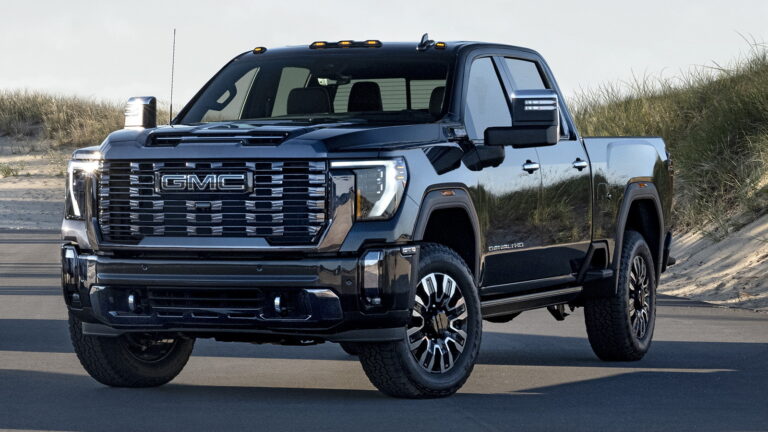
Chevrolet and GMC entered the modern 1/2 ton diesel fray with their 3.0L Duramax inline-six engine, available in the Silverado 1500 and Sierra 1500. This engine quickly established itself as a top contender, offering best-in-class fuel economy and robust towing capabilities. Its smooth operation and refined power delivery make it a pleasure to drive.
The Duramax engine is a testament to modern diesel engineering, with its impressive blend of performance and efficiency. It continues to be a strong option for buyers looking for a brand-new 1/2 ton diesel truck today, offering a compelling alternative to gasoline engines in the same lineup.
Ford F-150 Power Stroke Diesel
Ford made its own foray into the light-duty diesel market with the 3.0L Power Stroke V6 diesel engine in the F-150. This engine provided a good balance of power, torque, and fuel efficiency for the nation’s best-selling truck. It offered F-150 buyers another option for enhanced towing and economy.
Important note: Ford discontinued the Power Stroke diesel option for the F-150 after the 2021 model year. This means that if you’re interested in an F-150 with a diesel engine, you’ll be focusing exclusively on the used truck market. These models still represent a strong value for those seeking a diesel F-150.
Navigating the Market: Finding 1/2 Ton Diesel Trucks For Sale
Finding the right 1/2 ton diesel truck requires a strategic approach, whether you’re looking for a brand-new model or a pre-owned gem.
New vs. Used: Making the Choice
The decision between a new and used truck often comes down to budget, feature preference, and availability.
- New 1/2 Ton Diesel Trucks: Buying new offers the latest technology, a full factory warranty, and the peace of mind of being the first owner. However, the initial purchase price is significantly higher. Currently, your primary new options are the Chevrolet Silverado and GMC Sierra 1500 Duramax, with some remaining Ram 1500 EcoDiesel models on lots.
- Used 1/2 Ton Diesel Trucks: The used market provides a wider selection, including discontinued models like the Ford F-150 Power Stroke and older generations of the Ram EcoDiesel. Used trucks come with a lower price tag, making them more accessible. However, they also carry potential risks like unknown maintenance history or existing wear and tear.
Common mistakes to avoid when looking at used diesels are assuming they’re all a bargain. Research their market value carefully, as well-maintained diesel trucks hold their value exceptionally well.
Where to Search for Your Next Truck
Once you’ve decided on new or used, knowing where to look is crucial.
- Authorized Dealerships: These are the best places for new models and certified pre-owned (CPO) trucks. CPO programs offer warranties and rigorous inspections, providing added peace of mind for used purchases.
- Independent Used Car Lots: These lots often have a wider variety of makes and models, and sometimes more competitive pricing than authorized dealerships. Be sure to do your due diligence on the specific dealership’s reputation.
- Online Marketplaces: Websites like Autotrader, CarGurus, Cars.com, and even Facebook Marketplace offer a vast selection of 1/2 ton diesel trucks for sale from both dealerships and private sellers. These platforms allow you to filter by specific criteria, making your search more efficient.
- Private Sellers: Buying from a private seller can potentially offer the lowest prices, as there’s no dealership markup. However, this route carries the highest risk, as there are typically no warranties, and you’ll need to be extra diligent with inspections and history checks.
For more details on finding the best deals and navigating the used truck market, check out our guide on .
The Smart Buyer’s Checklist: What to Look for When Buying
Purchasing a 1/2 ton diesel truck, especially a used one, requires a meticulous approach. A thorough inspection and understanding of specific diesel components are paramount.
Thorough Inspection is Paramount
Never buy a truck without a comprehensive inspection. This is the single most important step in protecting your investment.
- Engine & Transmission: Listen carefully for any unusual noises during startup, idle, and acceleration. Check fluid levels and condition – dark, burnt-smelling fluids are red flags. Look for any visible leaks around the engine and transmission. Pay attention to how the transmission shifts, ensuring it’s smooth and responsive without any hesitation or harshness.
- Emissions System: Modern diesels are equipped with complex emissions systems, including the Diesel Particulate Filter (DPF) and the Diesel Exhaust Fluid (DEF) system. Check for any warning lights or fault codes related to these systems. Repairs to DPF and DEF systems can be incredibly expensive.
- Body & Frame: Inspect the exterior for rust, especially on the frame, rocker panels, and wheel wells. Look for signs of previous accident damage, such as misaligned body panels, uneven paint, or fresh overspray. Ensure the frame is straight and free of significant damage.
- Interior & Electronics: Test every switch, button, and electronic feature. Ensure the air conditioning blows cold, the radio works, windows roll up and down smoothly, and all lights function. Check for excessive wear on seats and carpets, which can indicate high mileage or rough use.
Maintenance Records: Your Best Friend
For a diesel truck, maintenance records are gold. Ask the seller for comprehensive service history. Look for evidence of:
- Regular Oil Changes: Using the correct diesel-specific oil at recommended intervals.
- Fuel Filter Replacements: Diesels require more frequent fuel filter changes than gas engines.
- DEF Fluid Top-Offs: For trucks equipped with DEF, ensuring it was regularly replenished.
- Other Scheduled Maintenance: Proof that the truck has been cared for according to the manufacturer’s recommendations.
These records provide a clear picture of how well the previous owner cared for the vehicle, which is a strong indicator of its future reliability.
The Indispensable Test Drive
A test drive is more than just a quick spin around the block. It’s your opportunity to assess the truck’s real-world performance.
- Drive on a variety of roads: city streets, highways, and even some rougher terrain if possible.
- Test acceleration, braking, and steering. Does it pull to one side? Is the braking smooth and firm?
- Listen for any unusual noises from the suspension, brakes, or driveline.
- Pay close attention to how the engine performs under different loads and how the transmission shifts through all gears.
- Test all accessories, including cruise control, infotainment system, and climate control.
Based on my experience, skipping the pre-purchase inspection by a trusted diesel mechanic is the biggest mistake you can make. Even if the truck looks perfect, a professional can uncover hidden issues that could save you thousands down the line.
Vehicle History Report
Before finalizing any purchase, obtain a vehicle history report from services like CarFax or AutoCheck. This report can reveal crucial information such as:
- Previous accidents and damage history.
- Service records reported by dealerships.
- Odometer discrepancies or rollback attempts.
- Flood damage, salvage titles, or other title issues.
- Number of previous owners.
This report is an essential tool for verifying the truck’s past and ensuring there are no hidden surprises. For more information on vehicle history reports and what they cover, you can visit the official National Motor Vehicle Title Information System (NMVTIS) consumer access page.
Owning a 1/2 Ton Diesel: Maintenance, Costs, and Longevity
Owning a 1/2 ton diesel truck comes with its own set of responsibilities and considerations regarding maintenance and potential costs. While they are built for durability, proper care is crucial.
Unique Maintenance Requirements
Diesel engines have specific maintenance needs that differ from gasoline engines.
- Fuel Filters: Diesel fuel systems operate at extremely high pressures and require very clean fuel. Regular replacement of fuel filters (often more frequently than gasoline filters) is critical to protect the expensive fuel injection system.
- Oil Changes: Diesel engines typically have larger oil capacities and require specific diesel-rated engine oils. Following the manufacturer’s recommended oil change intervals and using the correct oil is vital for engine longevity.
- DEF Fluid: Modern diesel trucks use Diesel Exhaust Fluid (DEF) to reduce NOx emissions. This fluid needs to be refilled periodically, usually every few thousand miles, and is essential for the truck to operate correctly. Ignoring DEF warnings can lead to reduced engine power or even prevent the truck from starting.
- DPF Regeneration: The Diesel Particulate Filter (DPF) collects soot. Periodically, the truck will perform a "regeneration" cycle to burn off this soot. Understanding this process and allowing it to complete is important to prevent DPF clogging, which can be expensive to fix.
Potential Repair Costs
While diesel engines are known for their durability, certain components can be expensive to replace if they fail. Parts like fuel injectors, high-pressure fuel pumps, turbochargers, and the DPF are complex and costly. However, with diligent maintenance and proactive care, the likelihood of premature failure is significantly reduced.
Pro tips from us: Stick to manufacturer-recommended maintenance schedules religiously. Don’t skip services or use subpar parts/fluids. This proactive approach will save you far more money in the long run by preventing costly repairs.
Extending the Life of Your Diesel
To maximize the longevity and performance of your 1/2 ton diesel truck, consider these tips:
- Use Quality Fuel: Always use high-quality diesel fuel from reputable stations. Poor quality fuel can damage injectors and fuel system components.
- Don’t Ignore Warning Lights: Address any check engine lights or other warning indicators promptly. Early diagnosis can prevent minor issues from becoming major problems.
- Warm Up and Cool Down: Allow the engine to warm up adequately before putting it under heavy load, and let it idle for a minute or two after heavy towing or highway driving to allow the turbocharger to cool down.
- Specialized Mechanic: Consider having your diesel truck serviced by a mechanic who specializes in diesel engines. They have the specific knowledge and tools required.
Is a 1/2 Ton Diesel Truck Right For You? Weighing the Pros and Cons
Deciding if a 1/2 ton diesel is the right fit involves balancing its impressive advantages against some potential drawbacks.
Pros:
- Superior Fuel Economy: Especially on the highway and when towing, leading to fewer fuel stops and potentially lower running costs.
- Exceptional Towing and Hauling: High torque for effortless pulling of heavy loads, making it ideal for trailers, boats, and RVs.
- Robust Build, Long Lifespan: Diesel engines are engineered for durability, offering the potential for hundreds of thousands of miles with proper maintenance.
- Strong Resale Value: They tend to hold their value better than gasoline counterparts, making them a solid long-term investment.
Cons:
- Higher Initial Purchase Price: Both new and used 1/2 ton diesels typically cost more upfront than comparable gasoline models.
- Potentially Higher Maintenance and Repair Costs: While durable, specific diesel components and maintenance procedures can be more expensive.
- More Complex Emissions Systems: DPF and DEF systems require attention and can be costly to repair if neglected.
- Diesel Fuel Considerations: Diesel fuel can sometimes be more expensive per gallon and may be less readily available in very remote areas.
If you’re still weighing your options between different engine types, read our detailed comparison: .
Financing Your Diesel Dream Truck
Once you’ve found the perfect 1/2 ton diesel truck, securing financing is the next step. Understanding your options can help you get the best deal.
Loan Options
You have several avenues for financing:
- Dealership Financing: Often convenient, as you can arrange financing directly through the dealership. They work with multiple lenders to find you a loan.
- Bank Loans: Your personal bank or credit union can be a great source for truck loans, often offering competitive rates.
- Credit Unions: These member-owned financial institutions frequently offer some of the best interest rates on vehicle loans.
Credit Score Impact
Your credit score plays a significant role in the interest rate you’ll receive. A higher credit score generally qualifies you for lower interest rates, saving you a substantial amount of money over the life of the loan. It’s a good idea to check your credit score before you start shopping.
Down Payment Benefits
Making a larger down payment reduces the amount you need to borrow, which translates to lower monthly payments and less interest paid over the life of the loan. A substantial down payment also gives you more equity in the truck from day one.
Common mistakes to avoid when financing are only looking at the monthly payment. Always consider the total cost of the loan, including interest, over its full term. A lower monthly payment over a longer term might mean paying significantly more in total.
Conclusion: Your Journey to 1/2 Ton Diesel Ownership
The quest for the perfect truck is a significant undertaking, and exploring 1/2 ton diesel trucks for sale opens up a world of capability and efficiency. From their impressive fuel economy and unparalleled towing prowess to their renowned durability and strong resale value, these light-duty diesels offer a compelling package for a wide range of buyers.
Armed with the knowledge from this comprehensive guide, you are now well-equipped to navigate the market. You understand the benefits, know which models to consider, and have a clear checklist for inspection and purchase. Remember the importance of thorough research, meticulous inspection, and diligent maintenance to ensure your investment pays off for years to come.
Whether you’re a weekend warrior, a small business owner, or simply someone who appreciates the power and efficiency of a diesel engine in a versatile package, a 1/2 ton diesel truck could be your ideal companion. Start your search today, confident in your ability to make an informed decision and embark on countless adventures with your powerful and efficient new ride.