Unleashing Freedom: The Ultimate Guide to Wheelchair Accessible Pickup Trucks
Unleashing Freedom: The Ultimate Guide to Wheelchair Accessible Pickup Trucks Typestruck.Guidemechanic.com
For many, the open road represents not just a journey, but a profound sense of independence and capability. This feeling intensifies when you consider the unique blend of utility, ruggedness, and freedom that only a pickup truck can offer. However, for wheelchair users, the dream of owning and operating an accessible pickup has historically been a complex challenge, often overshadowed by the perceived difficulties of adaptation.
But times have changed. Today, the landscape of mobility solutions is evolving rapidly, making wheelchair accessible pickup trucks a tangible reality for those who once thought it impossible. This comprehensive guide will delve deep into the world of adaptive pickup trucks, exploring everything from the innovative conversion processes to the life-changing benefits they offer. Our mission is to provide you with an invaluable resource, packed with expert insights to help you navigate this exciting frontier of personal mobility.
Unleashing Freedom: The Ultimate Guide to Wheelchair Accessible Pickup Trucks
The Undeniable Appeal of Pickup Trucks for Wheelchair Users
When people think of wheelchair accessible vehicles (WAVs), minivans or full-size vans often come to mind first. While these are excellent options for many, they don’t always meet the specific needs or lifestyle aspirations of every individual. For some, the robust nature, towing capacity, and sheer versatility of a pickup truck are simply non-negotiable.
Imagine being able to haul equipment for your business, tow a boat for a weekend fishing trip, or simply navigate rugged terrain with confidence, all while maintaining your independence. This is where the allure of an accessible pickup truck truly shines. It’s about merging practical utility with personal freedom, enabling adventures and responsibilities that other vehicle types might not support as effectively.
Based on my experience working with individuals seeking mobility solutions, the desire for a truck often stems from a deeply ingrained lifestyle. Whether it’s for farming, outdoor recreation like hunting or camping, or professional trades that require significant hauling power, a pickup truck represents an extension of one’s identity and capabilities. The good news is that specialized conversions are making these dreams increasingly attainable.
Understanding the Transformation: How Trucks Become Accessible
Transforming a standard pickup truck into a handicap accessible truck is a sophisticated process that goes far beyond simple modifications. It involves specialized engineering, structural alterations, and the integration of advanced mobility equipment. This isn’t a one-size-fits-all solution; rather, it’s a tailored approach designed to meet individual needs while maintaining the integrity and functionality of the vehicle.
The core of this transformation lies in creating a seamless entry and exit point for a wheelchair, along with securing the chair and providing adaptive driving controls if required. This often means significant changes to the vehicle’s chassis, floor, or even the entire cab structure. Choosing a reputable and certified conversion company is paramount for ensuring safety, reliability, and long-term satisfaction with your mobility truck.
Exploring the Main Types of Wheelchair Accessible Pickup Truck Conversions
The ingenuity behind truck conversions for wheelchairs is truly impressive, offering several distinct approaches to achieve accessibility. Each type has its own advantages and considerations, making it crucial to understand which might best suit your specific needs and the kind of truck you envision.
1. Side-Entry Conversions: Driving from Your Wheelchair
Side-entry conversions are perhaps the most comprehensive and sought-after option for those who wish to drive directly from their wheelchair. These modifications typically involve lowering the floor of the truck’s cab, installing a power ramp or lift on the driver’s or passenger’s side, and often widening the door opening. The goal is to create enough interior space and headroom for a wheelchair user to maneuver into a driving position.
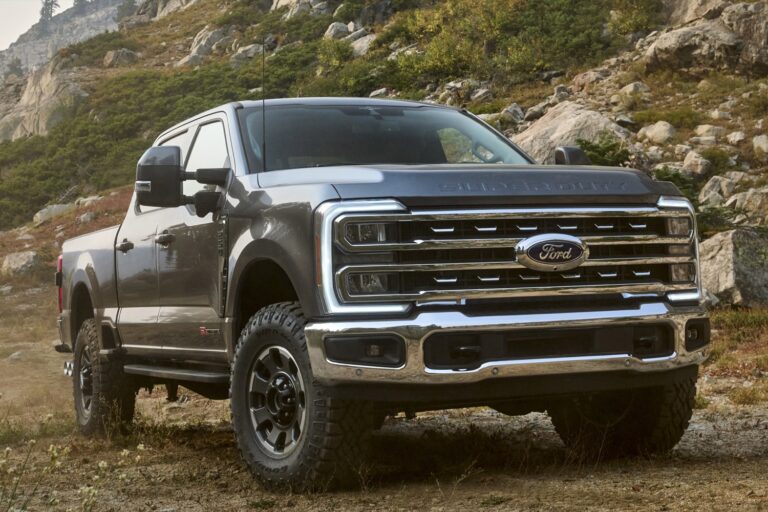
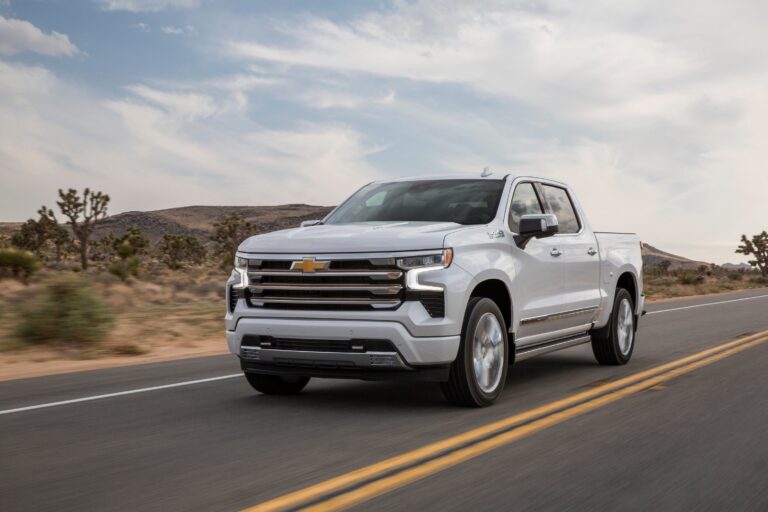
The process for a side-entry conversion is extensive. It often requires removing a section of the truck’s frame, fabricating a new, lower floor pan, and integrating sophisticated electronic and hydraulic systems for the ramp or lift. Popular models for these conversions include full-size trucks like the Ram 1500/2500, Ford F-150/F-250, and Chevrolet Silverado/GMC Sierra, due to their robust chassis and ample interior space.
Pro tips from us: When considering a side-entry conversion, pay close attention to the specific dimensions of the lowered floor and door opening. Ensure it accommodates your wheelchair’s size, especially if you use a power chair, and allows for comfortable ingress and egress. Test driving a converted truck is absolutely essential to gauge maneuverability and overall comfort.
2. Rear-Entry Conversions: Passenger Accessibility with Utility
While less common for drivers, rear-entry conversions offer an excellent solution for wheelchair users who prefer to ride as a passenger in their truck. This type of conversion involves modifying the truck bed to integrate a ramp or lift system at the rear, allowing the wheelchair user to enter the vehicle from behind. The wheelchair user typically occupies a designated spot in the extended cab or back seat area.
Rear-entry conversions often involve less structural modification to the cab itself, potentially making them a more cost-effective option than full side-entry driver conversions. They are particularly well-suited for individuals who travel with an attendant or family members. A key benefit is that the truck’s ground clearance is often better preserved, which can be important for certain lifestyles or terrains.
Common mistakes to avoid are assuming all rear-entry conversions leave the truck bed fully functional. While some designs cleverly integrate the ramp to preserve most of the bed space, others may significantly impact its utility. Always clarify the extent of bed modification with the converter.
3. Platform Lifts (Exterior & Interior): For Stowing Unoccupied Wheelchairs
For individuals who can transfer from their wheelchair into the driver’s or passenger’s seat, platform lifts offer a versatile and less invasive accessibility solution. These lifts are designed to raise and stow an unoccupied wheelchair, either outside the vehicle (typically at the rear) or inside the truck bed or cab.
Exterior platform lifts are mounted to the rear of the truck, similar to a hitch-mounted bike rack, and can hoist a wheelchair into a secure position. Interior lifts, on the other hand, are installed within the truck bed or cab, using a hoist mechanism to lift the chair inside. These options are generally more affordable and involve fewer permanent modifications to the vehicle’s structure.
Based on my experience, exterior lifts are fantastic for convenience but expose the wheelchair to the elements. If you live in an area with harsh weather or travel frequently, an interior lift might offer better protection for your valuable mobility device. Always ensure the lift capacity matches your wheelchair’s weight and that it is securely fastened to prevent shifting during transit.
4. Swivel and Transfer Seats: Bridging the Gap
Another crucial component in adaptive driving solutions for pickup trucks, particularly for those who can transfer, are swivel and transfer seats. These specialized seats are designed to rotate outward and often lower themselves, extending beyond the vehicle’s threshold. This significantly reduces the effort and physical strain involved in transferring from a wheelchair to the driver’s or passenger’s seat.
These seats can be power-operated, allowing for smooth, controlled movements with the push of a button. They are an excellent solution for maintaining the original integrity of the truck’s body and chassis, as they don’t require extensive structural modifications. They essentially bring the seat to you, making the transfer process much more manageable.
Pro tips from us: While highly beneficial, swivel seats require sufficient space outside the truck door for the seat to fully extend and rotate. Always measure your available parking space and ensure the door can open wide enough in typical scenarios. Also, consider the height difference between your wheelchair and the truck’s seat when extended, to ensure a comfortable and safe transfer.
Key Features and Considerations When Choosing an Accessible Pickup
Embarking on the journey to acquire an accessible pickup truck requires careful consideration of several critical factors. From the base vehicle selection to the specific adaptive equipment, each decision plays a vital role in ensuring your truck meets your needs for safety, comfort, and independence.
1. Vehicle Selection: The Foundation of Your Accessible Truck
Not all pickup trucks are created equal when it comes to accessibility conversions. Generally, full-size trucks like the Ford F-Series, Ram, and Chevrolet Silverado/GMC Sierra are preferred. Their larger cabs offer more interior space for maneuverability, and their robust frames are better suited for the structural modifications required for lowered floors and lifts. Mid-size trucks, while appealing, often present challenges due to their more compact dimensions.
When selecting a truck, consider the cab configuration (e.g., crew cab, extended cab) as this will directly impact the available space for the wheelchair user and any additional passengers. Also, think about the engine size and towing capacity if you plan to utilize the truck’s utility features extensively.
2. Conversion Company Reputation: The Experts You Can Trust
The quality and safety of your wheelchair lift for trucks and overall conversion heavily depend on the expertise of the modifier. Always seek out companies certified by the National Mobility Equipment Dealers Association (NMEDA) and their Quality Assurance Program (QAP). NMEDA QAP certification ensures that the dealer adheres to stringent standards for equipment installation, technician training, and customer service.
Based on my experience, choosing a non-certified converter can lead to costly repairs, voided warranties, and, most importantly, compromised safety. A reputable dealer will guide you through every step, from vehicle selection to customization and after-sales support. .
3. Lift and Ramp Types: Your Gateway to Independence
The choice between a hydraulic or electric lift, or a manual versus power ramp, is crucial. Hydraulic lifts are known for their smooth operation and heavy-duty capacity, while electric lifts can be quieter and simpler in design. Power ramps offer ease of use with the push of a button, whereas manual ramps can be a more budget-friendly option but require physical effort.
Consider your physical capabilities, the weight of your wheelchair, and your budget when making this decision. Reliability is paramount, so inquire about the lift or ramp’s warranty and the availability of service and parts.
4. Interior Space and Maneuverability: Comfort is Key
Once inside, adequate headroom and floor space are essential for comfortable wheelchair mobility in trucks. Ensure there’s enough room for you to navigate your wheelchair, especially if you’re transferring to the driver’s seat. Pay attention to the turning radius within the cab and whether you can easily reach all controls.
Pro tips from us: Bring your actual wheelchair to the dealership and try it inside the converted truck. This is the only way to truly assess whether the dimensions are suitable for your specific chair and your personal comfort.
5. Adaptive Driving Controls: Tailored for You
For those who drive from their wheelchair or transfer into the driver’s seat, adaptive driving controls are indispensable. This includes hand controls for acceleration and braking, steering aids (like spinner knobs), pedal extensions, and specialized mirror systems. The choice of controls will depend entirely on your physical abilities and preferences.
It’s vital that these controls are installed by certified technicians and are properly adjusted for your specific ergonomic needs. Proper installation ensures both safety and ease of use. .
6. Wheelchair Securement Systems: Safety First
Once inside, your wheelchair must be securely fastened to prevent movement during transit. Common systems include four-point tie-downs, which manually strap the wheelchair to the floor, and automatic docking systems (like EZ Lock or Q’Straint) that electronically lock the wheelchair into place.
Automatic docking systems offer greater independence and ease of use, as they typically require less physical effort to secure the chair. Discuss the pros and cons of each system with your dealer to determine the best fit for your needs and budget.
7. Ground Clearance: Maintaining Truck Utility
For many, a key reason for choosing a pickup is its ability to handle varied terrain. Some conversions, particularly those with lowered floors, can reduce ground clearance. If off-road capability or navigating uneven driveways is important to you, discuss this concern with your converter. They may offer solutions or recommend specific conversion types that better preserve the truck’s original ground clearance.
8. Maintenance and Servicing: Long-Term Care
An accessible pickup truck has more components than a standard vehicle, meaning additional maintenance considerations. You’ll need a service center equipped to handle both the truck’s mechanical needs and the specialized mobility equipment. Inquire about warranty coverage for the conversion and the lift/ramp system, and ask about the availability of qualified technicians in your area.
The Cost of Freedom: Understanding the Investment
Investing in a wheelchair accessible pickup truck is a significant financial decision, reflecting the advanced engineering and specialized craftsmanship involved. The total cost typically comprises the price of the base truck plus the conversion cost, which can vary widely based on the complexity of the modifications and the specific equipment chosen.
Entry-level conversions might start in the range of $20,000 to $30,000 on top of the truck’s price, while highly customized, full side-entry driver conversions can easily push the total investment well over $80,000 to $100,000, or even more for premium models and extensive modifications. This investment reflects the promise of unparalleled independence and utility.
Funding Options and Financial Assistance:
- Grants and State Programs: Many states offer financial assistance programs for vehicle modifications for individuals with disabilities.
- Veterans Affairs (VA) Benefits: Eligible veterans can receive significant grants for accessible vehicle purchases and modifications.
- Non-Profit Organizations: Various charitable organizations offer grants or low-interest loans for mobility equipment.
- Automaker Rebates: Some vehicle manufacturers offer rebates for installing mobility equipment on new vehicles.
- Private Loans: Specialized lenders may offer loans for accessible vehicles.
Pro tips from us: Thoroughly research all available funding options before making a purchase. A certified mobility dealer often has experience guiding customers through the grant application process. Also, factor in insurance costs, as policies for modified vehicles can sometimes differ from standard vehicles.
E-E-A-T Section: Expert Insights and Common Mistakes to Avoid
Based on my experience in the mobility industry, empowering individuals with the right information is key to making a successful and satisfying purchase. Here are some insights to help you on your journey.
Pro Tips from Us:
- Prioritize Thorough Research: Don’t rush into a decision. Spend ample time researching different truck models, conversion types, and reputable dealers. The more informed you are, the better your outcome will be.
- Test Drive Everything: This cannot be stressed enough. Test drive the converted truck, not just the base model. If possible, test drive multiple converted trucks from different manufacturers or with different conversion styles. Bring your wheelchair and simulate your daily routine as much as possible.
- Consider Future Needs: Your mobility needs may change over time. Think about how a conversion might accommodate potential future changes in your physical abilities or the type of wheelchair you might use. Investing in a slightly more versatile solution upfront can save money and hassle later.
- Understand the Warranty: Clearly understand the warranty coverage for both the base vehicle and the conversion components. Who services what? What is the duration of each warranty?
- Accessibility of Service Centers: Inquire about the availability of certified service centers for your specific conversion in your local area or along your typical travel routes. Specialized parts and expertise are often required for maintenance.
Common Mistakes to Avoid Are:
- Not Considering All User Needs: Focusing solely on driving capability without considering passenger comfort, cargo space, or the ease of loading other equipment can lead to dissatisfaction. Think about how the truck will integrate into your entire life.
- Choosing an Uncertified Converter: As mentioned, this is a critical error. An uncertified installer may use substandard practices, leading to safety hazards, invalidated warranties, and difficulty with future repairs. Always verify NMEDA QAP certification. External Link: Find a certified NMEDA dealer near you at NMEDA.com.
- Neglecting Post-Purchase Support: The sale doesn’t end when you drive off the lot. Ensure your dealer offers comprehensive after-sales support, including maintenance, repairs, and technical assistance for your mobility equipment.
- Underestimating the Learning Curve: Operating an adaptive pickup truck with specialized controls and a lift system can have a learning curve. Be patient with yourself, practice regularly, and consider driver training from a certified rehabilitation specialist.
- Forgetting About Insurance Implications: Always consult your insurance provider before purchasing. Ensure your policy will cover the modified vehicle and its specialized equipment, as not all standard policies do.
The Lifestyle Impact: More Than Just a Vehicle
An accessible pickup truck is far more than just a mode of transportation; it’s a gateway to an enriched lifestyle. For many, it represents the return of cherished freedoms – the ability to spontaneously visit friends, pursue hobbies, or simply enjoy the open road without limitations. The utility of a truck, combined with seamless accessibility, opens up a world of possibilities that might otherwise remain out of reach.
Imagine the joy of a wheelchair user being able to transport their own fishing boat, take their family camping with all the necessary gear, or simply navigate their property with ease. These trucks empower individuals to maintain their independence, pursue their passions, and contribute actively to their communities and families. The psychological benefits of increased self-reliance and the ability to choose your own path are immeasurable.
Navigating the Purchase Process
The journey to owning an accessible pickup truck can feel complex, but by following a structured approach, you can ensure a smooth and successful experience.
- Thorough Research: Begin by identifying your specific needs, budget, and desired features. Research different truck models and conversion types that align with your requirements.
- Find Certified Dealers: Locate NMEDA QAP certified dealers in your area. These professionals are your best resource for expert advice, quality products, and reliable service.
- Consultation and Customization: Work closely with the dealer to discuss your needs, explore available options, and get personalized recommendations. They will help you select the right truck, conversion, and adaptive equipment.
- Test Drives: Schedule multiple test drives of converted vehicles. Bring your wheelchair and assess the entry/exit process, interior maneuverability, and driving comfort.
- Financing and Grants: Explore all funding options, including grants, state programs, and loans. Your dealer can often assist with this process.
- Review Agreements: Carefully review all purchase agreements, warranties, and service contracts before finalizing your decision.
Maintenance and Longevity of Your Accessible Truck
To ensure your mobility truck remains reliable and safe for years to come, regular and specialized maintenance is crucial. Both the base vehicle and the conversion components require attention.
- Routine Vehicle Maintenance: Follow the manufacturer’s recommended service schedule for oil changes, tire rotations, brake inspections, and other standard vehicle maintenance.
- Lift and Ramp Servicing: The hydraulic or electric components of your lift or ramp need periodic inspection and servicing. This includes checking fluid levels, electrical connections, moving parts, and ensuring proper operation.
- Securement System Checks: Regularly inspect your wheelchair tie-downs or docking system for wear and tear, ensuring they are always in perfect working order.
- Qualified Technicians: Always seek out technicians who are specifically trained and certified to service mobility equipment. Your NMEDA dealer is the best resource for this.
Pro tips from us: Keep a detailed service log for both your truck and its mobility equipment. This will help track maintenance history and can be valuable for warranty claims or future resale.
Future Trends in Accessible Pickup Trucks
The future of wheelchair accessible pickup trucks is dynamic and promising. We are seeing exciting advancements that will further enhance their appeal and functionality:
- Electric Trucks and Accessibility: The rise of electric pickups (like the Ford F-150 Lightning, Rivian R1T, and Chevrolet Silverado EV) presents new opportunities for accessibility. Their flat floor designs and quieter operation could simplify conversions and improve the user experience.
- Advanced Driver-Assistance Systems (ADAS): Features like adaptive cruise control, lane-keeping assist, and automatic emergency braking will continue to integrate with adaptive driving controls, making driving even safer and less fatiguing for all users.
- Modular Conversion Kits: As technology advances, we may see more standardized, modular conversion kits that could potentially reduce costs and installation times, making accessible trucks more widely available.
- Enhanced Connectivity: Integrated smart technologies will offer greater control over vehicle functions and mobility equipment, potentially allowing for remote diagnostics and personalized settings.
These innovations promise an even brighter future for those seeking the ultimate blend of utility and independence in an accessible vehicle.
Conclusion: Your Journey to Unrestricted Mobility
The dream of owning a wheelchair accessible pickup truck is no longer a distant fantasy but a tangible reality for countless individuals. These specialized vehicles offer an unparalleled combination of rugged utility, powerful performance, and the freedom of independent mobility, opening doors to work, recreation, and everyday life that might otherwise be inaccessible.
By understanding the various conversion types, meticulously considering key features, and navigating the purchase process with the guidance of certified experts, you can unlock a new level of independence. The investment in an adaptive pickup truck is an investment in your lifestyle, your capabilities, and your unrestricted future on the open road.
Don’t let perceived limitations hold you back. Begin your research today, consult with NMEDA certified dealers, and take the first step toward embracing the freedom and utility that a wheelchair accessible pickup truck can bring to your life. The road ahead is yours to conquer.