Unearthing Your Dream: A Definitive Guide to Finding a 1999 Jeep Wrangler For Sale on Craigslist
Unearthing Your Dream: A Definitive Guide to Finding a 1999 Jeep Wrangler For Sale on Craigslist Typestruck.Guidemechanic.com
The allure of a classic Jeep Wrangler is undeniable. Few vehicles embody freedom, adventure, and raw capability quite like a Jeep. Among the pantheon of iconic Wranglers, the 1999 model, part of the beloved TJ generation (1997-2006), holds a special place in the hearts of enthusiasts. It perfectly blends the ruggedness of its predecessors with just enough modern comfort to make it a fantastic daily driver and an unparalleled off-road warrior.
Finding a 1999 Jeep Wrangler for sale, especially on platforms like Craigslist, can be an exciting journey. However, it also comes with its unique set of challenges and potential pitfalls. This comprehensive guide is designed to equip you with the knowledge, tips, and checklists necessary to navigate the used market confidently. Our goal is to help you secure a great deal on a reliable 1999 Jeep Wrangler that will bring you years of open-air joy and adventure.
Unearthing Your Dream: A Definitive Guide to Finding a 1999 Jeep Wrangler For Sale on Craigslist
Why the 1999 Jeep Wrangler (TJ) Still Commands Attention
The 1999 Jeep Wrangler, often simply called a "TJ," represents a sweet spot in the Wrangler’s evolution. It retains the classic round headlights and removable doors that define the Wrangler experience, while introducing coil-spring suspension. This crucial upgrade significantly improved ride quality and off-road articulation compared to the leaf-sprung YJ model it replaced.
Based on my experience, the TJ generation offers an ideal balance of analog simplicity and modern drivability. It’s not bogged down with complex electronics, making it easier and more affordable to maintain and modify. This simplicity contributes to its legendary reliability, provided it’s been cared for over the years.
Furthermore, the 1999 model year typically features the venerable 4.0-liter inline-six engine, a powerplant renowned for its bulletproof durability and ample torque. This engine, paired with either a manual or automatic transmission, makes the TJ a formidable machine on trails and a surprisingly capable cruiser on the highway. Its robust aftermarket support also means endless possibilities for customization and personalization.
The Craigslist Labyrinth: Advantages and Disadvantages
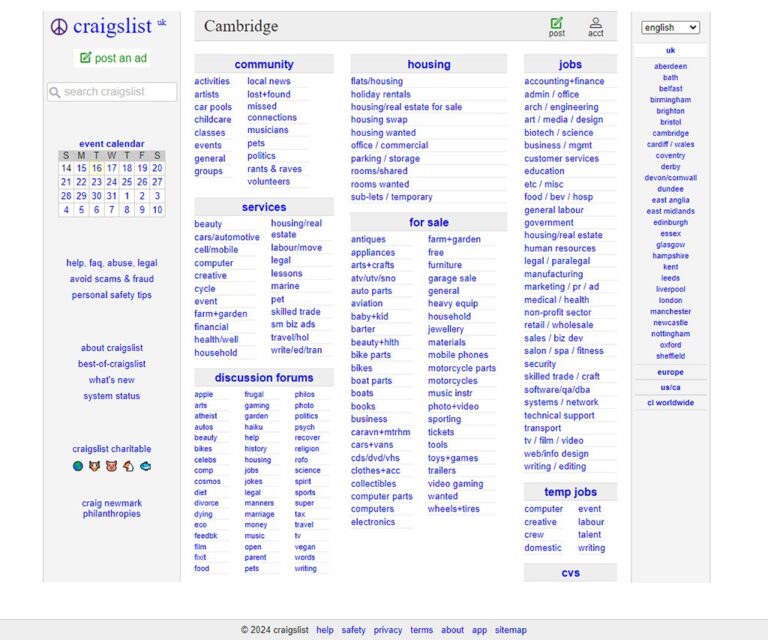
Craigslist remains a popular destination for finding used vehicles, including the sought-after 1999 Jeep Wrangler. Its localized nature often means you can find sellers within a reasonable driving distance, allowing for in-person inspections. The platform’s direct seller-to-buyer model often eliminates dealership markups, potentially leading to better prices.
However, Craigslist is an unregulated marketplace, which means it requires a significant degree of caution. You’ll encounter everything from honest, transparent sellers to individuals attempting to hide major issues or even perpetrate scams. Without the oversight of a traditional dealership, the onus is entirely on the buyer to perform due diligence.
Pro tips from us: Always prioritize your safety. Meet in a public place during daylight hours, bring a friend, and never go alone to an unfamiliar location. Be wary of listings that seem too good to be true, or sellers who pressure you for quick decisions or refuse to meet in person.
Initial Screening: Navigating Craigslist Listings Like a Pro
Your journey to finding a 1999 Jeep Wrangler for sale on Craigslist begins with a thorough screening of listings. Don’t just look at the price; delve into the details and scrutinize the accompanying photos. This initial phase can save you considerable time and effort.
Here’s what to look for when reviewing Craigslist ads:
- Detailed Description: A good listing will provide specific information about the vehicle, including mileage, engine size (4.0L or 2.5L), transmission type, any modifications, and recent maintenance. Vague descriptions are often red flags.
- Quality Photos: Multiple clear photos from various angles are essential. Look for shots of the exterior, interior, engine bay, and undercarriage. Poor-quality or limited photos might indicate the seller is trying to conceal flaws.
- Keywords: Beyond "1999 Jeep Wrangler," look for terms like "TJ," "4.0L," "manual transmission," "hardtop," or "soft top." These details help confirm the specifics of the vehicle.
- Price Comparables: Research the going rate for 1999 Jeep Wranglers in your area based on condition, mileage, and features. Be suspicious of prices significantly lower than the market average without a clear explanation.
- Seller Responsiveness: When you reach out, note how quickly and thoroughly the seller responds. A communicative seller is often a sign of a transparent transaction.
Common mistakes to avoid are falling in love with a photo without reading the description or overlooking critical details. Always assume there’s more to the story than what’s immediately visible.
The Essential Pre-Purchase Checklist for a 1999 Jeep Wrangler
Once you’ve identified a promising 1999 Jeep Wrangler for sale on Craigslist, it’s time for the in-person inspection. This is the most crucial step in ensuring you don’t inherit someone else’s problems. Remember, you’re looking at a vehicle that is over two decades old, so some wear and tear are expected. The key is identifying major issues that could lead to costly repairs.
Bring a flashlight, a magnet, and a friend if possible. Take your time and don’t feel rushed by the seller.
I. Mechanical Inspection: The Heart and Soul
The mechanical health of a 1999 Jeep Wrangler is paramount. This robust platform, particularly with the 4.0L engine, is known for its longevity, but only if properly maintained.
1. Engine (4.0L Inline-Six or 2.5L Four-Cylinder):
- Start-up: Listen for any unusual noises like knocking, ticking, or excessive smoke from the exhaust. A slight puff of white smoke on a cold start is common, but persistent blue (oil) or thick white (coolant) smoke is a major red flag.
- Fluid Leaks: Carefully inspect the ground under the Jeep and the engine bay itself. Common leak points include the valve cover gasket, oil pan gasket, and rear main seal. While minor seepage might be manageable, active drips indicate a need for repair.
- Cooling System: Check the coolant reservoir for proper levels and color. Brown or sludgy coolant suggests neglect. Inspect the radiator for leaks and corrosion. The water pump and thermostat housing are also common leak sources.
- Exhaust System: Listen for exhaust manifold cracks, which are notorious on 4.0L engines and manifest as a ticking sound, especially when cold. Check for rust or holes in the exhaust pipes and muffler.
2. Transmission and Drivetrain:
- Manual Transmission: Test all gears, including reverse. Shifting should be smooth without excessive grinding or difficulty engaging gears. The clutch pedal should engage smoothly, not too high or too low.
- Automatic Transmission: During the test drive, pay attention to shifts. They should be smooth and predictable, without harsh jerking or slipping. Check the transmission fluid on the dipstick; it should be red/pink and not smell burnt.
- 4×4 System: Engage the transfer case into 4-high and 4-low. Listen for unusual noises and ensure the system engages smoothly. Ideally, test this in a safe, unpaved area. The "Part-Time" light on the dash should illuminate.
- Driveshafts and U-joints: Look for excessive play in the driveshafts and inspect U-joints for rust, damage, or looseness. Worn U-joints can cause vibrations and clunking sounds.
3. Suspension and Steering:
- Components: Examine ball joints, tie rods, drag link, and track bar for looseness or wear. Grab components and try to shake them. Any significant play can contribute to "death wobble," a violent shaking of the front end.
- Shocks and Springs: Check for leaking shocks and broken or rusted coil springs. Look for aftermarket lift kits and assess their quality and installation. Poorly installed lifts can cause numerous issues.
- Bushings: Inspect all rubber bushings on control arms, sway bar, and track bar. Cracks or deterioration indicate they need replacement.
4. Brakes:
- Pads and Rotors: Visually inspect brake pads for wear and rotors for deep grooves or excessive rust.
- Brake Lines: This is crucial. Check the metal brake lines, especially where they run along the frame, for rust and corrosion. Rusty brake lines are a common failure point and a significant safety hazard.
5. Tires:
- Tread Depth and Wear: Ensure adequate tread depth and even wear across all tires. Uneven wear can indicate alignment issues or worn suspension components.
- Matching Set: Ideally, all five tires (including the spare) should be the same brand, size, and roughly the same wear. This is important for the 4×4 system.
II. Body and Frame Inspection: The Foundation
This is arguably the most critical part of inspecting any used Jeep TJ, especially a 1999 model. Rust is the arch-nemesis of these vehicles, and it can quickly turn a good deal into a money pit.
1. Frame Rust (CRITICAL):
- Key Areas: Focus on the frame rails, especially near the control arm mounts, skid plate mounts, and behind the front and rear wheels. These are prime locations for rust to form and become structural.
- Inspection Technique: Use your flashlight and a small hammer or screwdriver to gently tap suspicious areas. If it sounds hollow or flakes away easily, it’s a bad sign. Pro tips from us: a magnet is your friend here. If a magnet doesn’t stick where it should, there might be body filler covering rust holes.
- Body Mounts: Check the condition of the body mounts where the tub meets the frame. Rust here can compromise the entire body structure.
2. Body Panels and Tub:
- Rocker Panels: These are highly susceptible to rust, especially if they haven’t been protected. Look underneath the doors.
- Fenders and Doors: Inspect for rust, dents, and signs of accident repair (mismatched paint, wavy panels).
- Floorboards and Rear Cargo Area: Lift the carpets or floor mats to check for rust holes or dampness. Water leaks are common and can lead to significant rust.
- Windshield Frame: Rust often forms at the bottom of the windshield frame, leading to leaks and potential structural issues.
3. Soft Top / Hard Top:
- Soft Top: Check for rips, tears, clear window clarity, and zipper functionality. A new soft top can be a significant expense.
- Hard Top: Look for cracks, leaks around seals, and proper fitment. Ensure all mounting hardware is present.
4. Interior:
- Seats: Check for rips, tears, and functionality of recline/slide mechanisms.
- Dash and Gauges: Ensure all gauges work correctly and there are no persistent warning lights (e.g., Check Engine Light).
- Electronics: Test windows (if power), radio, heater, AC, and all lights.
- Carpet/Flooring: Look for mold, mildew, or excessive wear.
III. Documentation & History: The Paper Trail
The vehicle’s history can tell you a lot about its life and potential future problems.
1.
- Clean Ensure the title is clear and in the seller’s name. Be extremely wary of "salvage," "rebuilt," or "branded" titles, as these indicate a significant accident or damage history and can affect insurance and resale value.
- Matching VIN: Verify the VIN on the title matches the VIN on the dashboard and door jamb.
2. Maintenance Records:
- Ask the seller for any maintenance records, receipts, or service history. A well-documented history indicates a conscientious owner.
3. VIN Check:
- Before finalizing any purchase, we strongly recommend obtaining a vehicle history report from a trusted source like CarFax or AutoCheck. You can learn more about their services and how to get a report . This report can reveal accident history, odometer discrepancies, and previous ownership details.
4. Test Drive:
- This is your chance to feel how the Jeep performs. Drive on various surfaces, including highway speeds.
- Listen for unusual noises (whines, clunks, squeaks).
- Test the brakes for pull or pulsation.
- Ensure the steering is tight and responsive, without excessive play.
- Pay attention to how the engine performs under acceleration and braking.
Common Issues Specific to the 1999 Jeep Wrangler (TJ)
While generally robust, the 1999 Jeep Wrangler isn’t immune to certain age-related and design-specific issues. Being aware of these can help you during your inspection and negotiation.
- Frame Rust: As mentioned, this is the biggest concern. The frame can rust from the inside out, making it difficult to detect until it’s severe. Pay extra attention to the areas around the control arm mounts.
- Oil Pan Gasket Leaks: The 4.0L engine is famous for developing oil leaks from the oil pan gasket, valve cover gasket, and especially the rear main seal. While not always catastrophic, these repairs can be labor-intensive.
- Coolant Leaks: Beyond the radiator, the water pump and thermostat housing are common culprits for coolant leaks. Keep an eye out for pink or green stains.
- Cracked Exhaust Manifolds: The stock exhaust manifold on the 4.0L engine is prone to cracking, causing a ticking sound that is more pronounced when the engine is cold. It’s an annoying but generally not critical issue, though it will need eventual replacement.
- Worn Suspension Components: Given their age and typical usage, expect bushings, ball joints, and tie rod ends to be worn. These contribute to loose steering and potential "death wobble."
- "Death Wobble": This terrifying phenomenon involves violent shaking of the front end, usually at highway speeds after hitting a bump. It’s almost always caused by a combination of worn steering and suspension components. While fixable, it requires diagnosis and replacement of multiple parts.
- Transfer Case Output Shaft Seal Leaks: The NP231 transfer case is generally strong, but the output shaft seals can leak, leading to drips and potentially low fluid levels.
Pro Tips for Negotiating the Price
Armed with your inspection findings, you’re in a strong position to negotiate. Remember that a 1999 Jeep Wrangler for sale on Craigslist is likely priced with some wiggle room.
- Do Your Homework: Know the market value for similar TJs in your area. Use online valuation tools or recent Craigslist sales as benchmarks.
- Be Polite But Firm: Maintain a respectful tone, but don’t be afraid to point out legitimate flaws you discovered during your inspection. Each identified issue represents a cost to you, which can be factored into the price.
- Prioritize Repairs: Estimate the cost of immediate necessary repairs (e.g., rusty brake lines, major leaks) and use these as leverage. Don’t nitpick minor cosmetic flaws unless they’re genuinely important to you.
- Have Cash Ready: Showing up with cash (or proof of funds) can give you an edge, as sellers often prefer a quick, hassle-free transaction.
- Be Prepared to Walk Away: If the seller isn’t willing to budge on a price that reflects the vehicle’s condition, be ready to move on. There will always be another 1999 Jeep Wrangler for sale.
After the Purchase: What Next?
Congratulations, you’ve found your 1999 Jeep Wrangler! The adventure doesn’t end there; it’s just beginning.
- Immediate Maintenance: Even if the seller claimed recent service, it’s wise to perform basic maintenance. Change all fluids (engine oil, transmission fluid, transfer case fluid, differential fluid), replace spark plugs, and check filters. For more in-depth maintenance tips after your purchase, refer to our comprehensive article on .
- Insurance and Registration: Get it insured and registered promptly.
- Deep Clean: Give your new Jeep a thorough cleaning, both inside and out. This helps you get to know the vehicle better and start fresh.
- Plan Your Mods: The TJ is a blank canvas for customization. Start dreaming about lift kits, bigger tires, bumpers, winches, and more! If you’re curious about other classic Jeep models or modification options, check out our guide on for inspiration.
Conclusion: Your Adventure Awaits
Finding a 1999 Jeep Wrangler for sale on Craigslist can be a rewarding experience, leading you to an iconic vehicle that promises endless fun and exploration. By approaching the search with patience, diligence, and the detailed inspection checklist provided, you significantly increase your chances of securing a well-maintained and reliable TJ.
Remember, the goal isn’t just to buy a Jeep, but to buy the right Jeep. Take your time, ask questions, and don’t hesitate to seek a professional pre-purchase inspection if you’re unsure. With these strategies in hand, you’re well on your way to experiencing the unparalleled joy of owning a piece of automotive history. Happy hunting, and we look forward to seeing you on the trails!