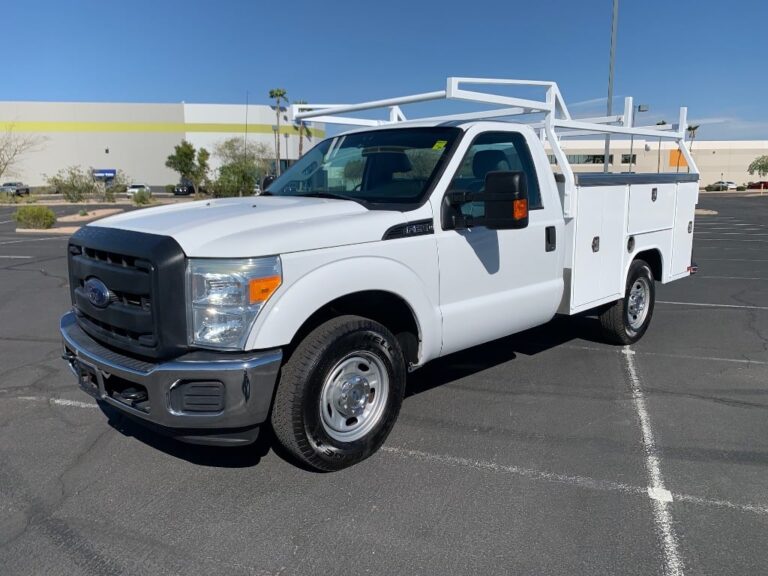
Unearthing Gems: Your Ultimate Guide to Buying Craigslist Used Trucks Under $4,000
Unearthing Gems: Your Ultimate Guide to Buying Craigslist Used Trucks Under $4,000 Typestruck.Guidemechanic.com
Finding a reliable used truck for under $4,000 on Craigslist might sound like searching for a needle in a haystack – or perhaps, a diamond in the rough. Many people assume this budget range only offers clunkers destined for the scrap heap. However, with the right approach, a sharp eye, and a solid strategy, you can absolutely discover a dependable workhorse or a trusty daily driver without breaking the bank.
This isn’t just about saving money; it’s about smart shopping. It’s about understanding the market, knowing what to look for, and most importantly, what to avoid. Based on my extensive experience navigating the sometimes-treacherous waters of online classifieds, I’m here to provide you with a comprehensive, step-by-step guide to help you confidently find your next budget-friendly truck. We’ll cover everything from preparing for your search to driving away with a title in hand, ensuring you get real value for your hard-earned dollars.
Unearthing Gems: Your Ultimate Guide to Buying Craigslist Used Trucks Under $4,000
The Allure of Under-$4,000 Trucks on Craigslist
The appeal of a truck priced below $4,000 is undeniable. For small businesses, first-time truck owners, or anyone needing a secondary vehicle for hauling, this price point offers incredible utility without the burden of a hefty loan. These trucks represent a practical solution for specific needs, whether it’s weekend projects, moving furniture, or simply having a robust vehicle for adverse weather conditions.
However, it’s crucial to set realistic expectations. At this price, you’re generally looking at older models, often with higher mileage, and likely some cosmetic imperfections. You might not find the latest features or pristine paint jobs, but what you can find is mechanical reliability and solid functionality if you know where to focus your attention. The key is to prioritize function over form, seeking out a vehicle that still has plenty of life left in its engine and drivetrain.
Common misconceptions often lead buyers astray in this segment. Some expect a perfectly maintained vehicle, while others are overly pessimistic, assuming every listing is a scam. The reality lies in the middle: there are legitimate sellers and decent trucks, but they require diligent searching and careful vetting. Our goal is to equip you with the knowledge to discern the genuine opportunities from the potential money pits, making your hunt for a budget truck a successful one.
Pre-Search Preparations: Your Foundation for Success
Before you even open Craigslist, a little groundwork will save you immense time and potential headaches. Think of this as laying the foundation for a sturdy house – without it, everything else is unstable. Defining your needs and understanding the true costs involved are paramount to a successful purchase.
Defining Your Needs: What Truck Do You Really Need?
Start by clearly outlining what you need the truck for. Are you hauling heavy loads daily, or do you just need something to occasionally transport lumber from the hardware store? Do you require four-wheel drive for off-road adventures or winter conditions, or will a two-wheel-drive suffice? The more specific you are, the narrower and more effective your search will be.
Consider the cab configuration (regular, extended, crew cab) and bed length. A work truck for a single person might be fine with a regular cab, while a family might need a crew cab. Similarly, a long bed is great for cargo but harder to maneuver and park. Matching the truck to your specific lifestyle and intended use prevents future regret and ensures you invest in the right tool for the job.
Budgeting Beyond the Sticker Price: The True Cost of Ownership
The $4,000 sticker price is just the beginning. You need to factor in several additional costs. Immediately after purchase, you’ll need to account for registration fees, sales tax (if applicable in your state), and insurance. These can add several hundred dollars to your initial outlay.
Furthermore, it’s wise to set aside a contingency fund for immediate maintenance or repairs. Even the best-inspected budget truck might need new tires, a battery, or a fluid change shortly after purchase. Pro tips from us: Always budget an extra $500-$1,000 beyond the purchase price for these initial necessities. This buffer ensures you’re not caught off guard and can address minor issues before they become major problems.
Understanding Common Truck Issues in This Price Range
Trucks under $4,000 often come with a history, and that history typically includes some wear and tear. Common issues to anticipate include rust (especially in older models or those from northern climates), worn suspension components, minor fluid leaks, and potentially some electrical quirks. Interior wear, like torn seats or cracked dashboards, is also common.
Knowing these prevalent issues helps you during inspection. Instead of being surprised, you’ll be looking for the severity of these issues. A little surface rust is often manageable, but extensive frame rust is a deal-breaker. Minor leaks might be a simple fix, but a major engine oil leak could signify a much larger problem. Understanding these possibilities allows you to make informed decisions and prioritize repairs.
Mastering the Craigslist Search: Finding Potential Candidates
Craigslist can be a goldmine or a wasteland, depending on how skillfully you navigate its listings. Your search strategy here is critical to sifting through the noise and pinpointing genuine opportunities.
Effective Search Terms and Filters
Don’t just type "truck" and hit enter. Use specific keywords to narrow your search. Combine "truck" with make and model names you’re interested in (e.g., "Ford F-150," "Chevy Silverado," "Toyota Tacoma"). Include keywords like "work truck," "4×4," or "V8" if those are priorities. Always use the price filter, setting your maximum at $4,000.
Experiment with variations. Sometimes sellers misspell things or use less common descriptions. Try searching for "pickup" instead of "truck," or specific engine sizes like "5.3L" for a Chevy. Utilizing the radius filter is also crucial; start locally and gradually expand if you’re not finding suitable options.
Identifying Promising Listings vs. Red Flags
A good listing will have multiple, clear photos from various angles – interior, exterior, engine bay, and even undercarriage if possible. The description should be detailed, honest about any imperfections, and include maintenance history if available. Pay attention to the seller’s responsiveness and willingness to provide information.
Red flags include listings with only one blurry photo, generic stock images, or descriptions that are too short, vague, or riddled with grammatical errors. Be wary of prices that seem too good to be true, or sellers who refuse to meet in person, insist on communicating only via email, or pressure you for quick decisions. Based on my experience, legitimate sellers are transparent and cooperative.
Pro Tip: Setting Up Email Alerts
Many third-party tools and even some Craigslist alternatives allow you to set up email alerts for new listings that match your criteria. This is a game-changer for finding good deals, as the best trucks often sell within hours of being posted. Being among the first to contact a seller significantly increases your chances of securing a desirable vehicle.
Alternatively, make a habit of checking Craigslist multiple times a day. New listings appear constantly, and being proactive is key in a fast-moving market like budget used trucks. The early bird often gets the worm, or in this case, the reliable pickup.
Vetting Potential Listings (Before You Even Call)
Once you’ve identified some promising listings, the next step is to further qualify them without wasting time on phone calls or in-person visits that are unlikely to lead anywhere. This initial digital vetting process is crucial.
Analyzing the Ad Description: Details, Grammar, and Photos
Read the description carefully, looking for specific details about the truck’s condition, mileage, and any recent repairs. A seller who takes the time to write a thorough and honest description, even detailing known flaws, is often more trustworthy. Conversely, a sparse description might indicate a seller trying to hide something or who isn’t serious.
Examine the photos closely. Are there enough of them? Do they show the entire vehicle, including the interior, engine bay, and undercarriage? Look for consistency between the description and the photos. Are there any parts of the truck conspicuously absent from the photos? This could be a deliberate attempt to conceal damage. High-quality, well-lit photos are a good sign; blurry, dark, or few photos are a red flag.
Asking Initial Questions via Email/Text
Before you call or arrange a viewing, send an email or text with a few targeted questions. This allows you to gauge the seller’s responsiveness and willingness to provide information without a high-pressure phone conversation. Ask about:
- Reason for selling: This can reveal insights into the truck’s history or potential issues.
- Maintenance history: "Do you have any service records?"
- Known issues: "Are there any current mechanical problems, check engine lights, or major rust spots?"
- Title status: "Is the title clear and in your name?"
Their answers, or lack thereof, will help you decide if it’s worth pursuing further. Common mistakes to avoid here include ignoring incomplete ads or not asking these crucial preliminary questions. This step helps filter out time-wasters and potential scams.
The Crucial Pre-Purchase Inspection (PPI)
This is arguably the most critical stage in buying any used vehicle, especially one in the sub-$4,000 range. A thorough pre-purchase inspection can reveal hidden problems that save you thousands of dollars and countless headaches down the line. Don’t rush this step.
Exterior Inspection: Rust, Body Damage, Tire Wear, Lights
Start by walking around the entire truck in daylight. Look for signs of significant rust, particularly on the frame, rocker panels, wheel wells, and bed. Surface rust on older trucks is common, but deep, structural rust is a serious concern. Check for mismatched paint, uneven panel gaps, or overspray, which could indicate prior accident damage.
Examine the tires. Are they all the same brand? Do they have even tread wear? Uneven wear can signal alignment issues or suspension problems. Test all lights – headlights, taillights, turn signals, brake lights – to ensure they are functional. A non-functioning light might be a simple bulb, or it could point to an electrical issue.
Interior Inspection: Wear and Tear, Electronics, AC/Heater
Hop inside and check the interior. While some wear and tear is expected, look for excessive damage to seats, carpets, or the dashboard. Test all electronic components: radio, power windows, door locks, cruise control, and windshield wipers. Turn on the air conditioning and heater to ensure they blow cold and hot air, respectively.
Check for any warning lights on the dashboard when the ignition is turned on and then off after starting the engine. A "Check Engine" light, ABS light, or airbag light staying illuminated after starting is a major red flag that requires further investigation.
Under the Hood: Fluids, Belts, Hoses, Battery, Leaks
Open the hood and inspect the engine bay. Look for any obvious leaks (oil, coolant, power steering fluid). Check the fluid levels and condition – milky oil could indicate a blown head gasket, while low or dirty coolant could point to neglect. Examine belts for cracks or fraying, and hoses for swelling or hardness.
Check the battery terminals for corrosion. A clean, well-maintained engine bay suggests a meticulous owner, while a dirty, neglected one could indicate a lack of maintenance. Pay attention to any unusual smells, like burning oil or coolant, when the engine is running.
Test Drive Checklist: Engine, Transmission, Brakes, Steering, Suspension
The test drive is your opportunity to feel how the truck operates. Drive it on various road conditions if possible – city streets, highway, and even some bumps. Pay close attention to:
- Engine: Does it start easily? Are there any strange noises (knocking, ticking, whining)? Does it accelerate smoothly?
- Transmission: Does it shift gears smoothly without harsh jerks or slipping? Does it engage properly in all gears, including reverse?
- Brakes: Do they feel firm and responsive? Is there any grinding, squealing, or pulling to one side?
- Steering: Does the steering wheel feel tight, or is there excessive play? Does the truck pull to one side?
- Suspension: Does the ride feel overly bouncy or harsh? Listen for clunks or squeaks over bumps.
Pro tips from us: Bring a knowledgeable friend or, even better, a trusted mechanic with you for the test drive and inspection. An objective second opinion, especially from a professional, is invaluable. They can spot issues you might miss and provide an estimate for any necessary repairs, which can be leverage in negotiation. We’ve found that a small investment in a mechanic’s time can save you thousands later.
Unearthing the Truck’s History: Beyond What Meets the Eye
A truck’s past can tell you a lot about its future reliability. Never skip this crucial step, even for a budget vehicle. What you discover here can be the ultimate deciding factor.
VIN Check: What It Tells You
Every vehicle has a unique 17-character Vehicle Identification Number (VIN). This number is your key to unlocking its history. You can often find the VIN on the driver’s side dashboard (visible through the windshield) or on the driver’s side door jamb.
A free online VIN decoder can give you basic information like the year, make, model, and engine type. This helps confirm the truck’s advertised details. Any discrepancies should be a major red flag.
Carfax/AutoCheck: Is It Worth It for a $4k Truck?
Yes, absolutely. While some buyers might hesitate to spend money on a vehicle history report for a truck under $4,000, it’s a small investment that can prevent a massive headache. A Carfax or AutoCheck report can reveal:
- Accident history: Was the truck ever in a major collision?
- Salvage or flood These trucks are extremely risky and should generally be avoided.
- Odometer discrepancies: Has the mileage been tampered with?
- Service history: Some reports include maintenance records.
- Number of previous owners: A high number might indicate a problematic vehicle.
Common mistakes include skipping the VIN check or assuming a vehicle history report isn’t necessary for a cheap truck. This information is crucial for understanding the truck’s true condition and value.
Service Records: Asking for Them
Always ask the seller if they have any service records or maintenance receipts. A seller who has kept detailed records demonstrates good ownership and provides tangible evidence of regular maintenance. These records can show you when major services were performed, what parts were replaced, and if there are any recurring issues. Even a few oil change receipts are better than none.
Negotiation Strategies for a Win-Win
Negotiation is an art, and it’s essential when buying a used truck, especially in this price range where condition varies widely. Your goal is to arrive at a fair price for both you and the seller.
Researching Market Value
Before you even make an offer, research the market value of similar trucks in your area. Look at other Craigslist listings, Facebook Marketplace, and even Kelley Blue Book (KBB) or NADA Guides for private party values. Understand that these guides often assume excellent condition, so adjust your expectations for a $4,000 truck.
Knowing the going rate gives you a baseline. If the seller’s asking price is significantly higher than comparable vehicles, you have strong grounds for negotiation. Conversely, if it’s already very low, your negotiation room might be smaller.
Identifying Leverage Points
During your inspection, you likely found some imperfections or areas needing attention. These become your negotiation leverage points. Point out things like worn tires, a "Check Engine" light, a cracked windshield, or a minor fluid leak. Based on my experience, every dollar you anticipate spending on repairs after purchase is a valid reason to ask for a price reduction.
Be polite but firm. Have a mental list of the issues and estimated repair costs. For example, if the tires are bald and need replacing, that’s $500-$800 you’ll have to spend immediately. This justifies a significant price adjustment.
Knowing Your Walk-Away Price
Before you start negotiating, decide on your absolute maximum price you’re willing to pay, factoring in potential repair costs. This is your "walk-away price." If the seller won’t budge below this figure, be prepared to walk away. There will always be other trucks.
Based on my experience, showing you’re prepared to walk away often gives you an advantage. It signals to the seller that you’re a serious buyer, but not desperate. Don’t be afraid to make a reasonable offer that reflects your assessment of the truck’s condition and the market value.
Sealing the Deal: Paperwork and Payment
You’ve found the truck, inspected it, and negotiated a fair price. Now it’s time to finalize the purchase. This stage requires careful attention to detail to ensure a legal and smooth transfer of ownership.
Title Transfer Essentials
The vehicle’s title (also known as a pink slip or certificate of ownership) is the most important document. Ensure the seller’s name on the title matches their ID and that there are no liens listed on it. A lien means someone else has a financial claim to the truck, and it cannot be legally transferred until the lien is satisfied.
Both you and the seller will need to sign and date the title in the designated spots. In some states, the seller also needs to fill in the odometer reading. Pro tips from us: Never buy a truck without a clear title in the seller’s name. A "bill of sale only" or "salvage title" deal can lead to serious legal complications down the road.
Bill of Sale (What to Include)
Always get a written Bill of Sale, even if your state doesn’t legally require one. This document protects both buyer and seller. It should include:
- Date of sale
- Buyer’s and seller’s full names, addresses, and signatures
- Vehicle’s make, model, year, and VIN
- Purchase price
- Odometer reading at the time of sale
- A statement that the vehicle is sold "as-is" (common for private sales)
Make two copies – one for you and one for the seller. This document is crucial for registering the vehicle and for any disputes that might arise.
Payment Methods: Cash, Cashier’s Check, or Escrow
For a $4,000 truck, cash is often the preferred method for private sellers. If you’re paying with cash, meet in a safe, public place, preferably during daylight hours, and consider bringing a friend.
If the amount is larger, or you’re uncomfortable carrying a lot of cash, a cashier’s check from your bank is a secure alternative. Verify with the seller beforehand that they accept this method. Avoid personal checks, as they can bounce. Never pay sight unseen or wire money to someone you haven’t met. This is a common scam tactic.
Post-Purchase Pointers: Keeping Your Budget Truck Running
Congratulations, you’re now the proud owner of a budget-friendly truck! The journey doesn’t end here, though. A little proactive maintenance will help ensure your new acquisition serves you well for years to come.
Immediate Maintenance Priorities
Even if the truck passed inspection with flying colors, it’s a good practice to perform some basic maintenance right away. Change the oil and oil filter, replace the air filter, and check all other fluid levels (transmission, brake, power steering, coolant). If you don’t have records of recent spark plug or belt changes, consider replacing them as well.
These preventative measures are relatively inexpensive and can significantly extend the life of your engine and prevent future breakdowns. Think of it as a fresh start for your "new" truck.
Finding Affordable Parts and Repairs
One of the benefits of older, common trucks is the availability of affordable parts. Check local auto parts stores for aftermarket alternatives, and don’t shy away from reputable online retailers or even junkyards for specific components that aren’t critical to safety or performance.
For repairs, consider independent mechanics rather than dealerships, as their labor rates are often lower. Look for shops with good reviews and ask for recommendations. For basic tasks, learning to do some DIY maintenance can save you a significant amount over time.
DIY vs. Professional Help
For simple tasks like oil changes, air filter replacements, or even spark plug changes, many truck owners can handle these themselves with basic tools and a little research (YouTube tutorials are your friend!). This is a great way to save money and get to know your vehicle better.
However, for more complex issues involving the engine, transmission, brakes, or suspension, it’s often best to consult a professional. Attempting a repair beyond your skill level can lead to more expensive damage. Knowing your limits is key to maintaining a budget truck effectively.
Common Pitfalls and How to Avoid Them
The world of budget used trucks on Craigslist, while full of opportunities, also has its share of traps. Being aware of these common pitfalls will help you navigate the process safely.
- Scams: Be wary of phantom ads (trucks that don’t exist), overpayment scams (seller sends a check for more than the asking price and asks you to wire back the difference), and requests for personal information beyond what’s necessary. Always meet in person, inspect the truck, and handle payment securely.
- Hidden Mechanical Issues: This is where a thorough inspection and a vehicle history report pay off. A truck might look good on the surface but hide major engine, transmission, or frame damage. Always assume there might be something you’re missing.
- Ignoring the "Check Engine" Light: Never dismiss an illuminated "Check Engine" light. While it could be a simple sensor, it could also indicate a costly problem. If the seller claims it’s "nothing," insist on having it diagnosed by a mechanic before purchase, or factor in the potential repair cost into your offer.
- Pressure Tactics: A seller who pressures you to make a quick decision or refuses to allow a pre-purchase inspection is a major red flag. Good deals don’t require immediate, uninformed decisions.
For more information on general used car buying tips, you might find this external resource on buying a used car helpful.
Conclusion: Your Journey to a Reliable Budget Truck
Embarking on the quest for a Craigslist used truck under $4,000 requires patience, diligence, and a strategic approach. It’s a journey that can be incredibly rewarding, offering you a practical and robust vehicle without the financial strain of a brand-new purchase. By carefully defining your needs, meticulously vetting listings, conducting thorough inspections, and negotiating wisely, you significantly increase your chances of driving away with a true gem.
Remember, the goal isn’t just to find the cheapest truck, but the best value for your budget. With the insights and strategies shared in this guide, you are now well-equipped to navigate the market with confidence and expertise. Go forth, search smart, and find that dependable workhorse that’s waiting for you!
What has been your experience buying a used vehicle online? Share your tips and success stories in the comments below! If you found this guide helpful, be sure to check out our other articles on or .