Unearthing Gems: Your Ultimate Guide to Buying a Truck on Craigslist (For Sale By Owner)
Unearthing Gems: Your Ultimate Guide to Buying a Truck on Craigslist (For Sale By Owner) Typestruck.Guidemechanic.com
Are you on the hunt for a reliable workhorse, a rugged off-road companion, or perhaps a versatile family hauler? For many savvy buyers, the search often leads to Craigslist, a treasure trove of local listings where you can find exactly what you need directly from the owner. Buying a truck for sale by owner on Craigslist can offer significant advantages – better prices, direct negotiation, and often a clearer understanding of the vehicle’s history than you might get from a dealership.
However, this path isn’t without its challenges. It requires diligence, a keen eye, and a strategic approach to navigate the listings, identify legitimate sellers, and secure a great deal. This comprehensive guide, forged from years of experience in the automotive market, is designed to equip you with the knowledge and confidence to find your perfect used truck on Craigslist. We’ll walk you through every step, from initial search to final handshake, ensuring you make an informed and safe purchase.
Unearthing Gems: Your Ultimate Guide to Buying a Truck on Craigslist (For Sale By Owner)
Why Craigslist for a Truck? Understanding the "For Sale By Owner" Advantage
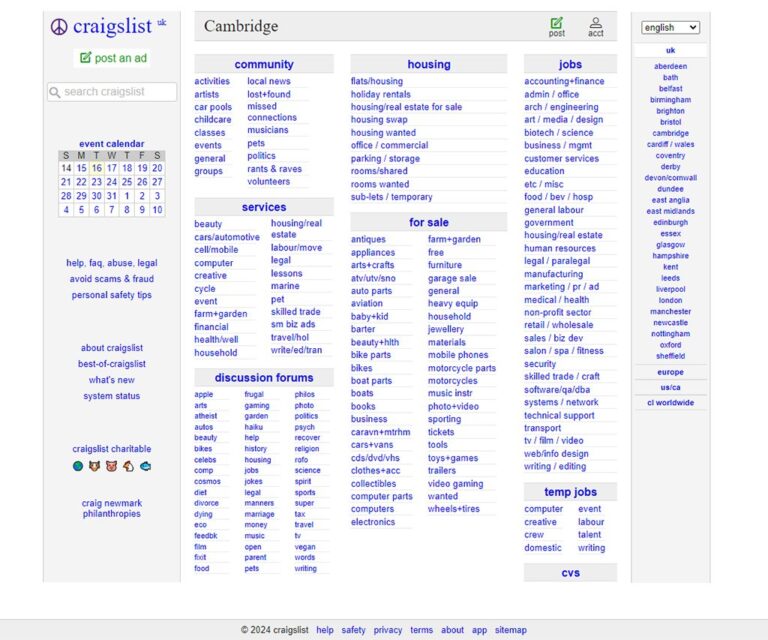
Craigslist, despite its vintage interface, remains a powerhouse for local classifieds. When it comes to finding a used truck, especially one sold directly by its owner, it offers unique benefits that traditional dealerships often can’t match. This direct-to-consumer model fosters an environment ripe for good deals, provided you know how to leverage it.
Cost Savings & Negotiation Power:
One of the primary draws of buying a truck on Craigslist directly from the owner is the potential for substantial cost savings. Private sellers typically don’t have the overhead expenses of a dealership, meaning they can afford to list their vehicles at lower prices. Furthermore, the absence of a professional sales team often makes for a more flexible negotiation process.
You’re dealing with an individual who likely wants to sell their truck quickly and might be more amenable to reasonable offers. Based on my experience, many private sellers price their vehicles with a little wiggle room, anticipating some negotiation. This gives you a clear advantage to secure a better price than you’d typically find at a dealership, where margins are often tighter.
Transparency and History:
When you buy from a private party, you’re often getting a more personal account of the truck’s life. The owner can tell you directly about its quirks, maintenance history, any accidents, and why they’re selling it. This level of transparency can be invaluable, as you’re not relying on a salesperson who might only know what’s on a spec sheet.
From a professional perspective, understanding the truck’s journey from its previous owner is crucial. It helps you anticipate future maintenance needs and gauge the overall care it received. This direct insight into the vehicle’s past can be far more revealing than a basic vehicle history report alone.
Unique Finds and Flexibility:
Craigslist is a marketplace for a vast array of vehicles, including some less common models or configurations that might not be readily available on dealer lots. Whether you’re looking for a specific vintage model, a heavily customized truck, or a rare trim package, the "for sale by owner" section can yield surprising finds.
Moreover, the entire buying process can be more flexible. You can often arrange viewings and test drives at times that suit both parties, without the pressure of dealership hours. This relaxed environment allows for a more thorough inspection and decision-making process, which is essential when making such a significant purchase.
The Art of the Search: Navigating Craigslist Like a Pro
Finding your ideal truck on Craigslist starts with mastering the search function. It’s more than just typing "truck for sale"; it’s about strategically filtering results to unearth the hidden gems. A well-executed search can save you countless hours and steer you towards the most promising listings.
Setting Up Your Search Parameters:
Begin by selecting your local Craigslist site. This ensures you’re looking at trucks within a reasonable driving distance. Next, head to the "for sale" section and then "cars & trucks." Here’s where your specific criteria come into play.
Start with broad terms like "truck" or "pickup." Then, refine your search using keywords. Think about the make and model you’re interested in (e.g., "Ford F-150," "Toyota Tacoma," "Chevy Silverado"). You can also include specific features like "4×4," "diesel," "crew cab," "long bed," or "manual transmission." Don’t forget to set a price range that aligns with your budget.
Filtering "For Sale By Owner":
This is a critical step to ensure you’re only seeing private party sales. Most Craigslist sites have a checkbox or a direct link for "for sale by owner." Always make sure this option is selected. This immediately cuts out dealer listings, which, while sometimes good, often don’t offer the same flexibility or pricing advantages you’re seeking.
Pro tips from us: Regularly check the "for sale by owner" listings. New posts appear constantly, and the best deals tend to go quickly. Setting up email alerts for your specific search terms can give you a crucial head start.
Advanced Search Tips:
To further refine your search, leverage Craigslist’s lesser-known search operators. You can use a minus sign (-) to exclude certain words (e.g., "truck -dealer -repair" to avoid dealer listings and trucks explicitly needing repair). Quotation marks ("") can be used for exact phrases (e.g., "power stroke" or "lifted truck").
Based on my experience, using a combination of these tactics helps you cut through the noise. For instance, "Ford F-150 4×4 -dealer -rebuilt" will give you private party F-150 4x4s, filtering out dealerships and trucks with rebuilt titles. This level of precision is key to an efficient and effective search.
Decoding the Listing: What to Look For (and Look Out For)
Once you’ve honed your search, you’ll be presented with a multitude of listings. This is where your critical evaluation skills come into play. A well-crafted listing can tell you a lot, but a sparse or misleading one can be a major red flag. Learning to read between the lines is crucial for buying a truck on Craigslist.
High-Quality Photos:
The photos are your first real glimpse of the truck. Look for listings with multiple, clear, and well-lit photos taken from various angles. You want to see the exterior (front, back, sides, roof), interior (dashboard, seats, cargo area), engine bay, and even the undercarriage if possible.
Red flags here include:
- Few or blurry photos: Suggests the seller is hiding something or isn’t serious.
- Stock photos: A definite sign of a scam or a dealer trying to pass off as a private seller.
- Photos taken only from a distance: Makes it hard to assess condition.
- Photos that don’t match the description: Indicates potential misrepresentation.
A detailed visual presentation demonstrates the seller’s transparency and pride in their vehicle.
Detailed Description:
A comprehensive description is invaluable. The seller should provide information on:
- Make, model, year, trim level, mileage.
- Engine type, transmission, drivetrain (2WD/4WD).
- Maintenance history: Recent repairs, major services, oil changes.
- Known issues: Rust spots, dings, mechanical quirks, check engine lights.
- Modifications: Aftermarket parts, lift kits, custom interiors.
- Reason for selling: A legitimate reason (e.g., upgrading, moving, new job) is reassuring.
Conversely, be wary of:
- Generic or sparse descriptions: "Runs great," "clean truck" without details.
- Broken English or excessive capitalization/exclamation marks: Often signs of a scam.
- Contradictions between photos and description: Indicates potential dishonesty.
- Pressure tactics: "Must sell fast," "firm price, no lowballers."
Pricing: Research and Comparison:
Before contacting the seller, research the market value of similar trucks. Use resources like Kelley Blue Book (KBB.com) or NADA Guides to get an estimated private party sale price. Compare the listed price with other similar Craigslist trucks for sale by owner in your area.
If the price seems too good to be true, it almost certainly is. This is a common tactic used by scammers to lure in unsuspecting buyers. A price significantly below market value, especially for a desirable model, should immediately trigger your suspicion.
Contact Information and Initial Questions:
Most Craigslist listings will provide an anonymous email relay or a phone number. When you first reach out, keep your message polite and concise. Ask specific questions that demonstrate you’ve read the listing thoroughly.
For instance: "Hello, I’m interested in your truck. Could you tell me if you have maintenance records available? What’s the best time to schedule a viewing?" Avoid asking questions already answered in the listing, as this suggests you haven’t done your homework.
Initial Contact and Communication Strategies
The first interaction with a seller sets the tone for the entire transaction. Effective communication is key to gathering necessary information, assessing the seller’s legitimacy, and determining if the truck is worth pursuing further. It’s also your first line of defense against potential scams when buying a truck on Craigslist.
Crafting the First Message:
When you send that initial email or text, be polite and to the point. Introduce yourself briefly and express genuine interest in the truck. Mention specifics from their listing to show you’ve read it.
Good questions for a first message include:
- "Is the truck still available?"
- "Do you have maintenance records?"
- "What’s your availability for a viewing this week?"
- "Could you provide the VIN so I can run a history report?" (This is crucial and often best asked early).
Avoid overly aggressive or demanding language. Remember, you’re trying to build rapport and gather information, not negotiate the price in the first contact.
Key Questions to Ask (Before Meeting):
Before committing to an in-person viewing, gather as much information as possible. This helps you weed out unsuitable trucks and potentially fraudulent sellers.
Ask about:
- The VIN (Vehicle Identification Number): This is non-negotiable. Use it to run a vehicle history report (e.g., CarFax or AutoCheck) to check for accidents, salvage titles, flood damage, and mileage discrepancies.
- Maintenance records: Are they available? If so, are they complete?
- Accident history: Has the truck ever been in an accident? If so, what was the damage and was it repaired professionally?
- Reason for selling: Does it align with their description and seem plausible?
- Existing liens: Does the seller hold a clear title, or is there a loan on the truck? This is vital for a smooth title transfer.
Red Flags in Communication:
Pay close attention to how the seller responds. Common red flags include:
- Vague or evasive answers: If they can’t or won’t answer specific questions, especially about the VIN or history, proceed with extreme caution.
- Pushy or demanding behavior: Sellers who pressure you to buy immediately or refuse to answer questions adequately.
- Unwillingness to meet locally or provide a physical address: A common tactic for out-of-state scams.
- Requests for personal information beyond what’s necessary: Never give out your bank details, social security number, or other sensitive data.
- Poor grammar or spelling in messages (beyond typical typos): While not always a scam indicator, it can be, especially if combined with other red flags.
Setting Up a Meeting:
If the communication goes well and the truck seems promising, arrange a meeting. Pro tip: Always choose a public, well-lit place during daylight hours. A busy shopping center parking lot or even a police station parking lot are ideal. Bring a friend or family member for safety and an extra set of eyes. Never go alone to a secluded location.
The In-Person Inspection: Your Due Diligence Checklist
This is where you move from online research to physical assessment. The in-person inspection is your opportunity to verify everything the seller has told you and uncover any potential issues. Don’t rush this step; take your time and be thorough.
Exterior Examination:
Walk around the entire truck slowly, taking note of its general condition.
- Body Panels: Look for dents, dings, scratches, and mismatched paint colors, which could indicate unreported accident repairs. Check panel gaps – wide or uneven gaps might suggest poor repair work.
- Rust: Pay close attention to wheel wells, rocker panels, door sills, the bed, and the undercarriage. Surface rust is common, but extensive structural rust can be a deal-breaker.
- Tires: Check the tread depth (use a penny test – if Lincoln’s head is fully visible, the tires are worn). Look for uneven wear patterns, which can indicate alignment or suspension problems. Check the tire age (DOT code) – old tires, even with good tread, can be unsafe.
- Lights and Glass: Ensure all headlights, tail lights, turn signals, and brake lights are functional. Check for cracks or chips in the windshield and windows.
- Fluid Leaks: Look under the truck for any fresh puddles or dried fluid stains, which could indicate leaks from the engine, transmission, or differentials.
Interior Inspection:
The interior condition often reflects how well the truck was maintained overall.
- Upholstery and Carpets: Check for rips, tears, excessive wear, stains, and burn marks. Lift floor mats to check the condition of the carpet underneath.
- Dashboard and Controls: Ensure all dashboard lights illuminate and then turn off as they should. Test all buttons, switches, and knobs (radio, HVAC, windows, locks, mirrors).
- Electronics: Test the radio, navigation system, Bluetooth, USB ports, and any other electronic features.
- HVAC System: Turn on the air conditioning and heater to ensure both work effectively and blow air at the correct temperature.
- Odor: Note any strong smells like mold, smoke, or pet odors, which can be difficult to remove.
Engine Bay Scrutiny:
With the engine off and cool, pop the hood and inspect the engine compartment.
- Fluid Levels: Check oil (should be golden to dark brown, not milky or gritty), coolant (clean, not sludgy), brake fluid, and power steering fluid.
- Belts and Hoses: Look for cracks, fraying, or excessive wear on belts. Squeeze hoses to check for hardness or sponginess, indicating they might need replacement.
- Battery: Check for corrosion around the terminals.
- Signs of Leaks: Look for oil, coolant, or other fluid leaks around the engine block, transmission, and radiator.
- Modifications: Note any aftermarket parts or wiring that look amateurish or out of place.
Undercarriage Inspection:
This is crucial, especially for trucks that might have been used for off-roading or in harsh climates.
- Frame: Look for any signs of bending, cracks, or serious rust on the frame rails. These can indicate major accident damage or structural integrity issues.
- Exhaust System: Check for rust, holes, or loose components.
- Suspension Components: Look at shocks, springs, and bushings for leaks, damage, or excessive wear.
- Differential and Axles: Check for leaks around seals and covers.
Common mistakes to avoid are rushing this step, being too polite to check everything thoroughly, or getting distracted by the seller’s conversation. Take notes, even photos, if needed. This is your chance to uncover potential problems before you even consider a test drive.
The Test Drive: Putting the Truck Through Its Paces
The test drive is arguably the most important part of your in-person evaluation. This is where you experience how the truck truly performs on the road. Don’t just take it for a quick spin around the block; simulate your typical driving conditions as much as possible.
Starting Cold and Listening:
Insist on seeing the truck when the engine is cold. This allows you to observe how it starts and listen for any unusual noises during initial ignition. Listen for grinding, knocking, or excessive smoke from the exhaust.
Once started, let it idle for a minute. Listen for any rough idling, ticking, or knocking sounds. These could indicate serious engine issues. Check for any warning lights that stay illuminated on the dashboard after starting.
Driving Dynamics:
During the test drive, pay close attention to the following:
- Acceleration: Does the truck accelerate smoothly and powerfully? Does it hesitate or feel sluggish?
- Braking: Test the brakes at various speeds. Do they feel firm, or spongy? Is there any pulling to one side or unusual noises like squealing or grinding? Perform a controlled emergency stop if safe to do so.
- Steering: Does the steering feel tight and responsive, or loose and vague? Does the truck pull to one side when driving straight? Listen for any clunking or groaning noises when turning.
- Transmission Shifts: For automatics, are the shifts smooth and timely, or jerky and delayed? For manuals, does the clutch engage smoothly, and do gears shift easily without grinding?
- Suspension: Drive over bumps and uneven surfaces. Does the truck absorb shocks well, or does it bounce excessively? Listen for any clunks or rattles from the suspension.
Variety of Road Conditions:
Try to drive on a mix of roads:
- City Streets: For low-speed maneuverability, stop-and-go traffic, and braking.
- Highway: To assess performance at higher speeds, stability, and road noise.
- Bumpy Roads: To test the suspension and listen for rattles.
- Uphill/Downhill: To see how the engine and brakes perform under load.
Checking All Features:
While driving, test every feature you can:
- Air Conditioning and Heater: Ensure both blow strong and adjust temperature correctly.
- Radio and Speakers: Check for sound quality and functionality.
- Power Windows and Locks: Test all of them.
- Wipers and Washer Fluid: Make sure they work.
- 4×4 System (if applicable): If safe and permissible, engage the 4×4 and drive a short distance to ensure it engages and disengages properly. This might require a dirt road or open area, so plan ahead with the seller.
During the test drive, avoid talking too much with the seller. Focus on the truck. Take mental notes or jot down any concerns immediately after the drive.
The Mechanic’s Verdict: Why a Pre-Purchase Inspection (PPI) is Non-Negotiable
You’ve done your due diligence, and the truck seems promising. But even the most experienced buyer can miss subtle issues. This is why a Pre-Purchase Inspection (PPI) by a trusted, independent mechanic is the single most critical step in buying a Craigslist truck for sale by owner. It’s a small investment that can save you thousands of dollars and countless headaches down the road.
What Does a PPI Entail?
A comprehensive PPI goes far beyond what you can check in a parking lot. The mechanic will put the truck on a lift, allowing them to thoroughly inspect the undercarriage, frame, suspension, exhaust system, and brake lines for rust, damage, or wear. They will also perform diagnostic tests, checking for error codes that might not trigger a dashboard warning light.
They’ll assess the engine, transmission, and drivetrain components, looking for leaks, unusual noises, and signs of neglect or impending failure. A good PPI includes checking fluid quality, battery health, tire condition, and the overall structural integrity of the vehicle. Essentially, they provide an expert, unbiased assessment of the truck’s mechanical and structural health.
Finding a Trusted Mechanic:
Don’t let the seller dictate the mechanic. You should choose one you trust. Ask friends or family for recommendations, or search for highly-rated independent shops in your area that specialize in trucks or the specific make you’re buying. It’s often best to pick a shop that doesn’t also sell vehicles, to ensure complete impartiality.
When you call the mechanic, explain that you’re looking to purchase a private party vehicle and need a comprehensive pre-purchase inspection. Confirm their fees and what their inspection covers. Most sellers understand the necessity of a PPI, especially if they are legitimate and confident in their truck’s condition.
Cost vs. Potential Savings:
A PPI typically costs between $100 and $200. This might seem like an extra expense, but consider it an insurance policy. It can uncover hidden issues like a failing transmission, a cracked frame, or major engine problems that could cost thousands to repair. Discovering these issues before you buy allows you to either walk away from a bad deal or use the findings as leverage during negotiation.
From a professional perspective, skipping a PPI is one of the biggest and most common mistakes buyers make when purchasing a used vehicle, especially from a private seller on Craigslist. The small upfront cost pales in comparison to the potential repair bills you could face.
Negotiation Tactics: Getting the Best Deal
With a clean PPI in hand (or a list of minor issues), you’re now in a strong position to negotiate the price. Negotiation is an art, not a battle, and approaching it with respect and strategy can lead to a mutually beneficial outcome.
Knowing Your Limits:
Before you even begin, decide on your absolute maximum price for the truck. This helps you stay disciplined and avoid overspending in the heat of the moment. Factor in potential repair costs from the PPI, registration fees, and insurance.
Also, know the market value. Your KBB or NADA research provides a solid foundation for what a fair price looks like. Don’t go in blind; knowledge is power during negotiation.
Using PPI Findings as Leverage:
If the PPI uncovered any issues, even minor ones, use them as a basis for negotiation. For example, "The mechanic noted the tires are at 30% and will need replacement soon, which will cost me around $X. I’d like to adjust my offer to reflect that."
Be factual and polite, not accusatory. Frame it as "these are additional costs I will incur," rather than "your truck has problems." A reasonable seller will often be open to adjusting the price for legitimate concerns identified by a professional.
Being Polite but Firm:
Maintain a respectful tone throughout the negotiation. Start with an offer slightly below what you’re willing to pay, leaving room for the seller to counter. Be prepared for them to say no, or to counter your offer.
Don’t be afraid to make a reasonable offer based on your research and the truck’s condition. Avoid emotional pleas or ultimatums. Stick to the facts and be confident in your valuation.
Walking Away if Necessary:
This is your most powerful negotiation tool. If the seller is unwilling to budge on price, or if they’re not meeting your expectations, be prepared to walk away. There are always other trucks. Sometimes, a seller might even call you back later if they realize your offer was fair.
Remember, you’re looking for a good deal, but also a good truck. If the numbers don’t add up, or if you feel pressured or uncomfortable, it’s always better to walk away.
Sealing the Deal: Paperwork and Payment
You’ve found the perfect truck, negotiated a fair price, and you’re ready to make it yours. This final stage involves critical paperwork and secure payment. Getting this right is essential for a smooth and legally sound transaction.
Title Transfer: Importance of a Clear
The vehicle title (or "pink slip") is the most important document. It proves ownership.
- Verify Seller’s Identity: Ensure the name on the title matches the seller’s government-issued ID.
- Check for Liens: A lien means someone else (usually a bank) has a financial claim on the truck. The title should be "clear" or "clean." If there’s a lien, the seller must pay it off, and the lienholder must release their interest before the title can be transferred to you. This often involves meeting at the lienholder’s bank to complete the transaction.
- Signatures: Both you and the seller must sign the title in the designated spots. Ensure all necessary fields (odometer reading, sale date, sale price) are filled out accurately. Each state has specific requirements, so check your local DMV website.
Bill of Sale: Your Proof of Purchase:
While some states consider a signed title sufficient, a Bill of Sale is highly recommended for any private vehicle purchase. It provides a detailed record of the transaction and protects both buyer and seller.
A good Bill of Sale should include:
- Date of sale.
- Full legal names and addresses of both buyer and seller.
- Vehicle information: Make, model, year, VIN, and odometer reading.
- Sale price.
- A statement that the vehicle is sold "as-is, where-is" (this protects the seller from future claims about condition, so ensure you’re comfortable with the truck’s state).
- Signatures of both buyer and seller, and ideally, a witness.
Keep a copy for your records.
Payment Methods: Prioritizing Safety:
The safest payment methods minimize risk for both parties.
- Cashier’s Check / Certified Bank Check: This is generally the preferred method for larger sums. It’s issued by a bank and guarantees funds. The safest way to use one is to meet the seller at their bank (or your bank) where the check can be verified on the spot.
- Bank-to-Bank Transfer: If both you and the seller use the same bank, an immediate transfer can be arranged in person at the bank.
- Cash: For smaller amounts, cash might be acceptable, but it carries risks (theft, counterfeit bills). If using cash, count it in front of the seller and get a signed receipt.
Avoid: Personal checks (can bounce), wire transfers (impossible to recover if scammed), or online payment apps for large sums with strangers.
License Plates and Registration:
Once the title is transferred, you’ll need to register the truck in your name at your local Department of Motor Vehicles (DMV) or equivalent agency. You’ll typically need the signed title, Bill of Sale, proof of insurance, and identification. Many states offer temporary tags to allow you to drive the truck legally while you complete the registration process. Do not drive the truck without valid insurance and temporary registration, even if just for a short distance.
Avoiding Scams: A Critical Warning Section
While Craigslist offers fantastic opportunities for finding used trucks for sale by owner, it’s also a breeding ground for scams. Being aware of common fraudulent tactics is your best defense. Knowledge is power when it comes to protecting your money and your peace of mind.
Common Scams to Watch Out For:
- Overpayment Scam: A buyer sends a check for more than the asking price and asks you to wire back the difference. The check eventually bounces, and you’re out the money you wired. (Applies if you were selling, but also if a "seller" tries this with you, asking for a partial refund on a deposit).
- Shipping Scams: The seller claims to be out of state or country (often military personnel) and offers to ship the truck after you pay through a third-party "escrow" service that is actually fake. You pay, and the truck never arrives.
- Escrow Service Scams: Similar to shipping scams, these involve a fraudulent website or service that pretends to hold your money securely until you receive the truck. Once you send money, it disappears.
- VIN Cloning/Stolen Vehicles: Scammers use the VIN from a legally registered truck and put it on a stolen vehicle of the same make and model. A thorough vehicle history report and careful inspection of the VIN on the truck (compare door jamb, dashboard, and title) are crucial here.
- "Too Good to Be True" Prices: As mentioned earlier, if a deal seems unbelievably good, it almost certainly is. This is the oldest trick in the book.
Red Flags to Heed:
- Seller is out of state/country: Especially if they have a compelling story (military deployment, family emergency) and insist on shipping.
- Refusal to meet in person: A legitimate seller wants to show you the truck.
- Unwillingness to provide a VIN: A huge red flag.
- Pressure to act quickly: "Must sell today," "another buyer waiting."
- Requests for unusual payment methods: Wire transfers, gift cards, or Western Union are almost always scam indicators.
- Vague or poorly written responses: While not always a scam, combined with other factors, it’s suspicious.
- No phone number, only email communication: Limits your ability to verify identity.
- Reluctance to allow a PPI: A seller confident in their truck will usually agree to a PPI.
- Inconsistent stories or details: Pay attention if the seller’s information changes over time.
Always trust your gut feeling. If something feels off, it probably is. It’s always better to err on the side of caution and walk away from a suspicious deal. can provide more general advice on staying safe when buying and selling online.
Conclusion
Buying a Craigslist truck for sale by owner can be an incredibly rewarding experience, offering excellent value and direct insight into a vehicle’s history. However, it demands a disciplined approach, thorough due diligence, and a keen awareness of potential pitfalls. By