The Ultimate Guide: Will a Truck Cap Off a 2011 Ford F-150 Fit a 2016 F-150?
The Ultimate Guide: Will a Truck Cap Off a 2011 Ford F-150 Fit a 2016 F-150? Typestruck.Guidemechanic.com
As an avid truck enthusiast and professional in the automotive accessory industry, one of the most common questions I encounter revolves around truck cap compatibility. It’s a smart question, especially when you’re looking to save money by reusing or buying a used cap. The Ford F-150, being America’s best-selling truck for decades, often sparks this particular inquiry: "Will a truck cap from a 2011 Ford F-150 fit a 2016 model?"
This seemingly simple question opens a Pandora’s box of considerations, from truck generation changes and bed dimensions to material differences and the intricacies of a proper fit. In this comprehensive guide, we’ll dive deep into the nuances of F-150 truck cap compatibility, providing you with the definitive answer and all the insights you need to make an informed decision. Our goal is to equip you with expert knowledge, ensuring your truck cap experience is seamless, secure, and aesthetically pleasing.
The Ultimate Guide: Will a Truck Cap Off a 2011 Ford F-150 Fit a 2016 F-150?
The Quick Answer: A Crucial Distinction
Let’s cut to the chase for those who need a direct answer: No, a truck cap designed specifically for a 2011 Ford F-150 will generally NOT fit a 2016 Ford F-150 properly without significant, often impractical, modifications.
This isn’t just about a year difference; it’s about a fundamental generational change in the Ford F-150’s design and engineering. While both are F-150s, the evolution between these model years introduced critical differences that directly impact truck cap fitment. Understanding these changes is key to appreciating why direct compatibility is virtually impossible.
Diving Deep into Ford F-150 Generations: 2011 vs. 2016
To truly grasp the incompatibility, we must first understand the distinct generations of the Ford F-150 involved. Ford, like other manufacturers, regularly updates its truck designs, and these updates often include significant alterations to the truck bed.
The 12th Generation F-150 (2009-2014): The Foundation of the 2011 Model
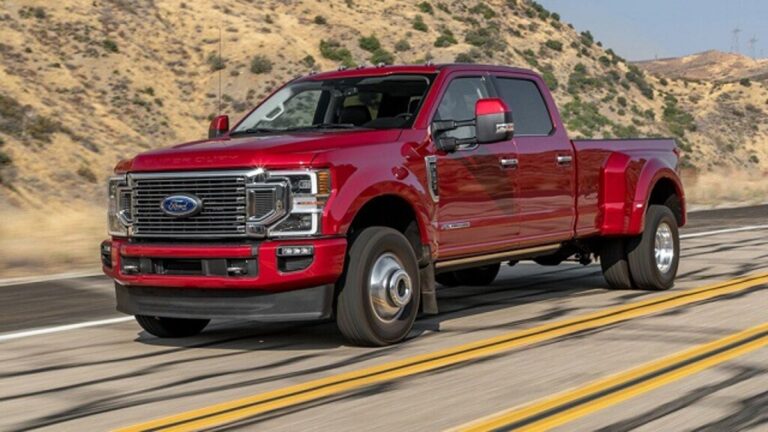
The 2011 Ford F-150 belongs to the 12th generation, a robust and highly popular iteration of the F-Series. This generation was characterized by its traditional steel body construction and a distinct bed design that remained consistent throughout its run.
Key aspects of the 12th generation’s bed include specific contours, bed rail heights, and tailgate dimensions. These features dictate the precise shape and mounting points for any truck cap manufactured for this era. Truck caps for this generation were designed to sit snugly on the steel bed rails, conforming to its exact measurements and angles.
The 13th Generation F-150 (2015-2020): A Revolutionary Shift for the 2016 Model
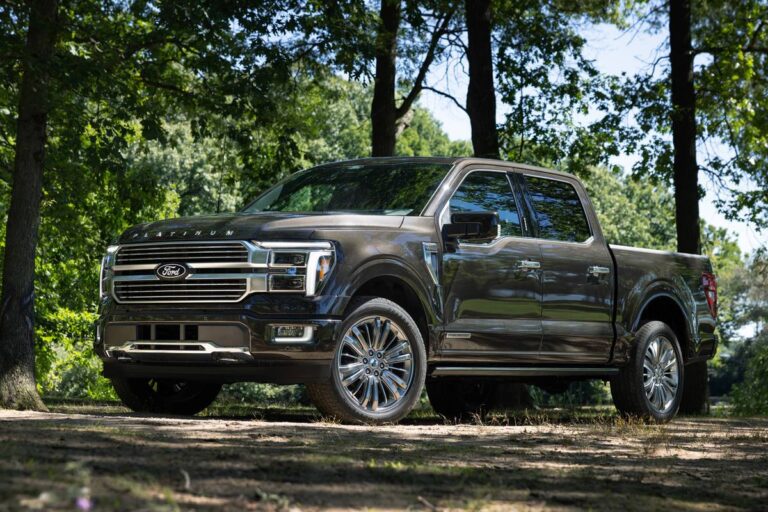
The 2016 Ford F-150 marks a revolutionary leap, being part of the 13th generation. This generation famously introduced the high-strength, military-grade aluminum alloy body, a groundbreaking change from the previous steel construction. This wasn’t just a material swap; it came with a complete redesign of the truck’s structure, including the bed.
The bed of the 13th generation F-150 has different dimensions, contours, and a distinct profile compared to its predecessor. Even subtle changes in bed rail height, width at various points, and tailgate design mean that a cap molded for the 12th generation will not align correctly with the 13th generation’s bed. The aluminum body also meant Ford re-engineered many components, including how accessories like caps would mount.
Why Truck Cap Compatibility is Crucial: More Than Just Aesthetics
Many might think a slight gap isn’t a big deal, but when it comes to truck caps, fitment is paramount for several reasons beyond just looks. A poorly fitting cap can lead to a host of problems, compromising functionality, security, and even safety.
1. Weatherproofing and Cargo Protection
The primary purpose of a truck cap is to protect your cargo from the elements. A cap that doesn’t fit flush with the bed rails will create gaps, allowing rain, snow, dust, and debris to enter the bed. This defeats the entire purpose of having a cap and can damage your valuable equipment or gear.
Proper sealing is essential for maintaining a dry, clean, and secure storage space. Any misalignment means compromised weather protection, which can be costly in the long run.
2. Enhanced Security
A well-fitted truck cap, when properly installed and locked, adds a layer of security to your truck bed, deterring theft. If a cap doesn’t fit correctly, it can be easily pried open or may not latch securely at all.
Gaps or improper mounting also make the cap itself vulnerable to damage or theft. Your cargo’s safety and your peace of mind depend on a snug, secure fit.
3. Aesthetics and Resale Value
Let’s be honest, a truck cap that doesn’t match the lines of your truck looks awkward and out of place. The visual appeal of your truck is significantly diminished by a mismatched cap, making it look unprofessional or poorly maintained.
Furthermore, if you ever decide to sell your truck, a ill-fitting cap can negatively impact its resale value. Potential buyers will notice the poor fit and may view it as a sign of neglect or a problem they’ll have to fix.
4. Safety and Structural Integrity
Truck caps are designed to distribute weight evenly and attach securely to the truck bed rails. An improperly fitting cap might not be able to be clamped down correctly, leading to it shifting during transit. This can be a serious safety hazard, especially at highway speeds, potentially causing the cap to become dislodged.
Based on my experience, attempting to force a fit or use inadequate mounting hardware can lead to damage to both the cap and your truck’s bed rails. The structural integrity of the cap and the truck itself is compromised, which is a risk no truck owner should take.
Detailed Comparison of Bed Dimensions: 2011 vs. 2016 F-150
The most critical factor in truck cap compatibility is the precise dimensions of the truck bed. Even a difference of an inch or less in any dimension can render a cap incompatible.
Key Dimensions and Why They Matter:
- Overall Bed Width: This is measured from rail to rail, both at the bulkhead (cab end) and the tailgate end. The 13th generation (2015+) F-150’s aluminum bed has slightly different overall widths and contours compared to the 12th generation’s steel bed.
- Bed Rail Height: The vertical distance from the bottom of the bed to the top of the bed rail. While seemingly minor, even a half-inch difference will create a noticeable gap or cause the cap to sit too low or too high.
- Bed Rail Contours and Angles: Truck caps are molded to follow the specific curves and angles of the truck’s bed rails. The 2011 steel bed and the 2016 aluminum bed have distinct top profiles. The cap’s frame needs to perfectly match these contours for a watertight seal.
- Tailgate Design: The shape and angle of the tailgate, particularly where it meets the bed rails, also factor into the cap’s rear door design. Differences here can prevent the cap’s rear door from closing properly or sealing against the tailgate.
- Bed Length: Both generations offered various bed lengths (e.g., 5.5 ft, 6.5 ft, 8 ft). While a 2011 6.5 ft cap would match a 2016 6.5 ft bed in length, the other dimensions mentioned above would still prevent a proper fit. It’s crucial to confirm both length and cross-sectional compatibility.
Pro tips from us: Always measure your truck bed’s interior width at the bulkhead and tailgate, and the height of the bed rails from the bed floor. Compare these measurements with the cap’s interior dimensions if you’re ever considering a "maybe" fit. However, for generational changes like this, direct measurement comparison often confirms the obvious incompatibility.
The "No" – Explained in Detail: The Impact of Ford’s Redesign
The definitive "no" to the 2011 cap fitting a 2016 F-150 boils down to Ford’s comprehensive redesign for the 13th generation. This wasn’t just a facelift; it was a fundamental re-engineering of the truck.
The Aluminum Body’s Influence
When Ford transitioned to the aluminum body for the 2015 model year, they didn’t simply replicate the previous steel bed’s dimensions in aluminum. The new material allowed for design optimizations, leading to a bed that is not only lighter but also has subtly different dimensions and structural characteristics. These differences, though they might appear minor to the untrained eye, are significant enough to make a 12th-generation cap incompatible.
The bed rails, which are the primary contact points for a truck cap, have different widths, heights, and curvature. Even the mounting points for accessories like cargo management systems changed, impacting how a cap would be secured. The entire exterior profile of the truck bed was tweaked to optimize aerodynamics and manufacturing processes for the new material.
Contours and Sealing Challenges
Imagine trying to put a square peg in a round hole – it just won’t work. A truck cap is essentially a custom-molded cover. The cap for a 2011 F-150 was designed to sit precisely on the contours of that specific steel bed. When placed on a 2016 F-150 aluminum bed, you would immediately notice gaps, overhangs, or areas where the cap doesn’t sit flush.
These misalignments prevent a proper seal, leading to water leaks, wind noise, and an inability to securely clamp the cap to the bed. It’s not just about getting it on the truck; it’s about getting it to fit perfectly and function as intended.
Potential "Workarounds" or Modifications: A Path Fraught with Peril
While some might consider modifying a 2011 cap to fit a 2016 F-150, this path is generally not recommended by experts in the field. The effort, cost, and compromised results usually outweigh any perceived savings.
1. Custom Fabrication and Structural Changes
To make a 2011 cap fit a 2016 truck, you would likely need to cut, add material to, or reshape the cap’s base frame. This is a complex undertaking, requiring specialized tools, materials (fiberglass, aluminum, etc.), and expertise. Such modifications are expensive and can compromise the cap’s structural integrity, weatherproofing, and appearance.
Based on my experience, custom fabrication of this nature often costs more than purchasing a used cap specifically designed for the 2016 model. It’s rarely a cost-effective solution.
2. Gap Fillers and Sealing Issues
One might consider using excessive weather stripping or gap fillers to bridge the non-fitting areas. While this might temporarily address some leaks, it’s rarely a long-term solution. These fillers can degrade, shift, and still won’t provide the robust, integrated seal of a custom-fit cap.
Moreover, they often look unsightly, further detracting from the truck’s aesthetics. The integrity of the seal will always be compromised.
3. Clamping and Security Concerns
Since the bed rails have different contours and possibly thicknesses, the clamps designed for a 2011 cap may not properly secure to a 2016 bed. This could lead to a loose cap, which is both insecure and a significant safety hazard. Ill-fitting clamps can also damage the truck’s bed rails, potentially scratching or deforming the aluminum.
A common mistake we see is people trying to over-tighten clamps to compensate for a poor fit. This can stress the cap’s frame or the truck’s bed, leading to cracks or dents.
4. Aesthetic Compromises
Even if you managed to somehow secure the cap, the visual mismatch would be undeniable. The lines of the 2011 cap would simply not flow with the contemporary design of the 2016 F-150. It would look like an aftermarket afterthought rather than an integrated accessory. This impacts not only your satisfaction but also your truck’s potential resale value.
What to Look For When Buying a Used Truck Cap for Your 2016 F-150
If you’re looking for a cost-effective solution, buying a used truck cap specifically designed for your 2016 F-150 is the way to go. Here’s what to keep in mind:
1. Year and Model Specificity
Always verify that the cap is explicitly listed as fitting a "2015-2020 Ford F-150." This ensures it’s designed for the 13th generation’s aluminum body and bed dimensions. Avoid anything listed for prior generations.
2. Bed Length Match
Confirm the cap’s bed length (e.g., 5.5 ft, 6.5 ft, 8 ft) matches your truck’s bed length precisely. You can find this information in your truck’s owner’s manual or by measuring your bed from the bulkhead to the inside of the closed tailgate.
3. Cab Style Compatibility
While less common for F-150s, some caps are designed with a specific cab style (Regular, SuperCab, SuperCrew) in mind regarding the cap’s front profile matching the cab’s roofline. Most manufacturers design caps to fit all cab styles for a given generation, but it’s worth double-checking.
4. Condition of the Cap
Inspect the cap for cracks, significant scratches, delamination, or damage to the fiberglass or aluminum shell. Check the windows for cracks or hazing, and ensure the gas struts for the rear door operate smoothly.
5. Mounting Hardware and Sealing
Ensure the cap comes with all necessary mounting clamps and a good condition bulb seal for the bed rails. If not, factor in the cost of new hardware and seals, as these are critical for proper installation and weatherproofing.
6. Paint Color (Optional)
If you’re lucky, you might find a used cap in your truck’s exact color. If not, factor in the cost of repainting the cap to match your truck for a seamless, factory-like appearance.
Alternatives to Forcing a Fit: Smart Solutions
Instead of attempting to modify an incompatible cap, consider these smarter, more effective alternatives:
1. Purchase a Cap Specifically Designed for the 2016 F-150
This is the most straightforward and recommended solution. You can buy new from a reputable manufacturer (ARE, Leer, SnugTop, etc.) or look for a used one on marketplaces like Craigslist, Facebook Marketplace, or specialized truck accessory forums. Investing in the correct cap ensures perfect fitment, weather protection, security, and aesthetics.
2. Sell the 2011 Cap and Use the Funds
If you already own a 2011 F-150 cap, sell it! There’s a strong market for used truck caps for the 12th generation F-150. Use the money you get from the sale to offset the cost of purchasing the correct cap for your 2016 model. This is a far more efficient approach than trying to modify an ill-fitting cap.
3. Explore Other Cargo Management Solutions
If a full cap isn’t absolutely essential or budget is a primary concern, consider other options:
- Tonneau Covers: These covers protect your cargo from the elements and theft but don’t offer the enclosed volume of a cap. They come in various styles (roll-up, tri-fold, retractable, hard, soft).
- Bed Racks: For hauling larger items that extend above the bed rails, a bed rack can be a great solution, often paired with a tonneau cover for secure storage below.
- Toolboxes: Cross-bed or side-mount toolboxes offer secure storage for smaller items and tools.
– Internal Blog Link
The Value of a Proper Fit: Peace of Mind and Performance
Choosing the right truck cap, one that is specifically designed for your 2016 Ford F-150, offers unparalleled value that transcends initial cost savings. It’s an investment in your truck’s functionality, appearance, and longevity.
Enhanced Functionality and Protection
A properly fitted cap guarantees optimal weatherproofing, keeping your gear dry and secure in all conditions. The integrated design ensures that the cap works with your truck, not against it, providing a seamless and reliable cargo solution.
Improved Aesthetics and Resale Value
The cap will complement your truck’s lines, making it look like an intentional, factory-installed accessory. This not only enhances your truck’s visual appeal but also maintains or even increases its resale value. A well-matched cap is a significant selling point.
Uncompromised Safety and Security
You’ll have peace of mind knowing your cap is securely mounted, won’t shift during travel, and provides robust protection against theft. There’s no worrying about gaps, leaks, or insecure latches. Your cargo is safe, and so are you.
– Internal Blog Link
Common Mistakes to Avoid When Considering Truck Cap Fitment
As seasoned automotive enthusiasts and truck owners, we’ve seen firsthand the pitfalls of overlooking compatibility. Here are the common mistakes to avoid:
- Assuming All F-150s Are the Same: This is the most prevalent misconception. As we’ve extensively discussed, different generations mean different designs. Always verify the exact year range a cap is designed for.
- Ignoring Slight Dimension Differences: Even a half-inch difference can lead to major sealing and fitment issues. Don’t eyeball it; precise measurements matter for a cap.
- Underestimating the Cost and Effort of Modifications: Custom work is expensive and often doesn’t yield factory-quality results. The time, money, and potential frustration usually far outweigh the benefits.
- Compromising on Safety for Savings: A poorly secured cap is a dangerous cap. Never compromise on proper mounting and fitment for the sake of saving a few dollars. Your safety and the safety of others on the road are paramount.
- Not Checking All Components: Ensure all necessary hardware, seals, and keys (if applicable) are present and in good condition when acquiring a used cap. Missing parts can add unexpected costs.
For further information on Ford F-150 specifications and generational changes, you can refer to official Ford resources or reputable automotive encyclopedias. For instance, this Wikipedia article on the Ford F-Series provides a good overview of different generations and their defining characteristics. External Link
Conclusion: The Definitive Answer and Your Best Path Forward
To reiterate, a truck cap designed for a 2011 Ford F-150 will not properly fit a 2016 Ford F-150. The generational leap from the 12th generation (steel body) to the 13th generation (aluminum body) brought about fundamental changes in bed dimensions, contours, and overall design, making direct compatibility impossible without extensive and ill-advised modifications.
Your best course of action is to acquire a truck cap specifically manufactured for the 2015-2020 Ford F-150 model years. This ensures a perfect fit, optimal weather protection, enhanced security, and a cohesive aesthetic that complements your truck. While the allure of a cheap, incompatible cap might be strong, the long-term issues and potential costs far outweigh any initial savings. Invest wisely in a cap that’s designed for your truck, and you’ll enjoy years of trouble-free functionality and peace of mind.
Do you have experience trying to fit an incompatible cap, or have you found a perfect used cap for your F-150? Share your stories and tips in the comments below!