The Ultimate Guide to U-Haul Truck and Trailer Rental: Your DIY Moving Masterplan
The Ultimate Guide to U-Haul Truck and Trailer Rental: Your DIY Moving Masterplan Typestruck.Guidemechanic.com
Moving can be one of life’s most exciting, yet simultaneously stressful, experiences. Whether you’re relocating across town or embarking on a cross-country adventure, the logistics of transporting your belongings often feel overwhelming. This is where a reliable partner like U-Haul steps in, offering a vast array of trucks and trailers designed to empower the do-it-yourself mover.
As an expert who has navigated countless moves and advised many others, I understand the intricacies involved in choosing the right rental, understanding the costs, and executing a smooth move. This comprehensive guide will demystify the U-Haul truck and trailer rental process, providing you with invaluable insights, pro tips, and essential knowledge to make your next move as efficient and stress-free as possible. Let’s dive deep into everything you need to know to become a U-Haul master.
The Ultimate Guide to U-Haul Truck and Trailer Rental: Your DIY Moving Masterplan
Why Choose U-Haul? Understanding Its Dominance in DIY Moving
U-Haul has become synonymous with DIY moving for good reason. Since its inception in 1945, the company has built an unparalleled network and reputation, making it the go-to choice for millions of individuals and families annually. Their extensive presence means you can typically find a U-Haul location almost anywhere, from bustling city centers to quaint rural towns.
This widespread accessibility is a huge advantage, especially for one-way moves where you need to pick up in one location and drop off in another. Furthermore, U-Haul offers an impressive variety of equipment, ensuring there’s a solution for virtually every moving scenario, from a small apartment move to transporting an entire household or even a vehicle. Their commitment to providing affordable and flexible options truly sets them apart in the moving industry.
Based on my experience, U-Haul’s strength lies in its ability to put control directly into the hands of the mover. You decide the timeline, the packing strategy, and the loading approach, allowing for a personalized and often more budget-friendly moving experience compared to full-service movers.
U-Haul Truck Rental: A Fleet for Every Move
Choosing the right truck size is arguably the most critical decision you’ll make when renting from U-Haul. An undersized truck means multiple trips or leaving items behind, while an oversized truck means wasted fuel and a more challenging driving experience. U-Haul offers a diverse fleet, each designed for specific moving needs.
Cargo Vans: The Agile Solution for Small Hauls
For those with minimal items or a quick local pickup, the U-Haul cargo van is an excellent choice. These vans are easy to drive, maneuverable in urban environments, and offer enclosed, secure storage. They are perfect for moving a studio apartment, transporting furniture purchased from a store, or handling small business deliveries.
Based on my experience, cargo vans are incredibly fuel-efficient compared to larger trucks, making them ideal for short distances. They often feature tie-downs inside, which are crucial for securing items and preventing damage during transit. Don’t underestimate the utility of these compact powerhouses for small-scale projects.
Pickup Trucks: Versatility for Home Improvement and Light Hauling
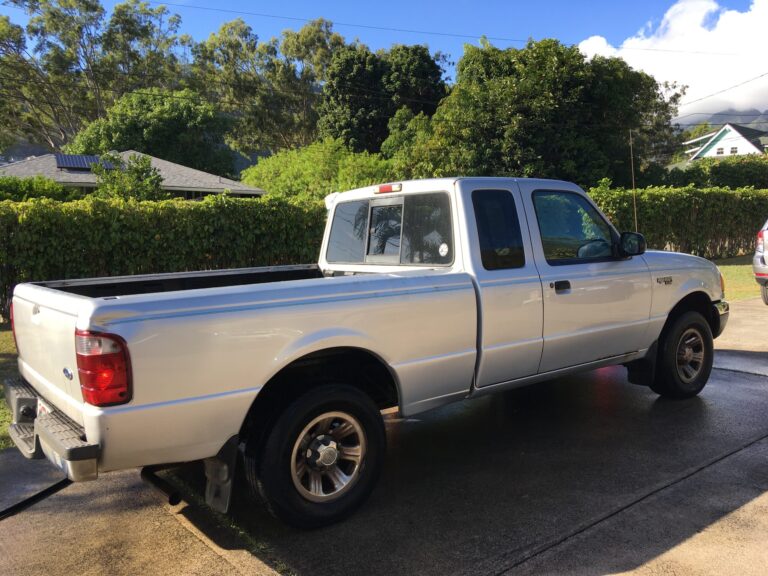
The U-Haul pickup truck is your go-to option for tasks that require an open bed and towing capability. These trucks are frequently rented for home improvement projects, hauling landscaping materials, or transporting bulky items that don’t need to be enclosed. They also serve as an excellent vehicle for towing small utility trailers.
Pro tips from us: Always ensure your items are properly secured with tie-downs and consider a tarp if weather protection is a concern. While versatile, remember the open bed doesn’t protect against rain or theft as an enclosed truck would.
10-Foot Trucks: Your Compact Moving Companion
The 10-foot U-Haul truck is often recommended for studio apartments, dorm rooms, or small 1-bedroom apartments. It’s the smallest box truck in their fleet, making it relatively easy to drive for those unfamiliar with larger vehicles. Despite its compact size, it offers a surprising amount of cargo space.
This truck usually comes with a low deck and a loading ramp, simplifying the process of moving heavier items. It’s a popular choice for college students or individuals downsizing their living space.
15-Foot Trucks: The Mid-Size Mover’s Choice
Stepping up in size, the 15-foot U-Haul truck is ideal for 1-2 bedroom apartments or small homes. It provides significantly more space than the 10-foot option, allowing you to transport larger furniture pieces like sofas, dining tables, and multiple boxes comfortably. This size strikes a good balance between capacity and driveability.
Common mistakes to avoid are underestimating the volume of a 2-bedroom apartment; if you have a lot of bulky furniture, you might want to consider the next size up to avoid cramped conditions. This truck typically includes a "Mom’s Attic" feature above the cab, offering extra space for fragile items or boxes.
17-Foot Trucks: Ample Space for Small Families
The 17-foot U-Haul truck is a versatile option suitable for 2-3 bedroom homes or larger apartments. It offers substantial cargo volume, accommodating multiple large appliances, bedroom sets, and a considerable number of boxes. This truck is often chosen by small families or individuals with a moderate amount of belongings.
Based on my experience, the 17-foot truck is a sweet spot for many residential moves, providing enough space without being overly cumbersome to drive. Its size allows for efficient loading, often reducing the need for strategic Tetris-like packing.
20-Foot Trucks: The Go-To for Medium to Large Homes
For 2-3 bedroom homes with a garage or additional storage, the 20-foot U-Haul truck often proves to be the perfect fit. This size offers ample room for larger furniture, multiple appliances, and a significant volume of boxes. It’s a popular choice for families who need to transport a substantial amount of household goods.
While larger, these trucks are designed with ease of driving in mind, though they do require more awareness of surroundings, especially when turning or parking. Proper weight distribution becomes increasingly important with this size.
26-Foot Trucks: The Heavy-Duty Mover
The largest truck in the U-Haul fleet, the 26-foot truck, is designed for 3-4+ bedroom homes and large residential moves. If you have a fully furnished home, a garage full of tools, or need to transport oversized items, this is your best bet. It offers the maximum cargo capacity, often allowing for a single trip even for substantial households.
Pro tips from us: Driving a 26-foot truck requires extra caution and experience. Plan your route to avoid tight turns, low clearances, and busy areas if possible. Always take your time and use your mirrors frequently.
U-Haul Trailer Rental: Versatility for Specialized Needs
Beyond their truck fleet, U-Haul offers a comprehensive range of trailers that cater to specific hauling requirements. These are ideal if you already have a capable towing vehicle or need to supplement your moving truck.
Utility Trailers: Open-Air Hauling for Diverse Loads
U-Haul’s utility trailers are open-top and come in various sizes, making them incredibly versatile. They are perfect for hauling landscaping materials, construction debris, ATVs, motorcycles, or even furniture that can withstand exposure to the elements. These trailers are lightweight and easy to hitch and tow.
Common mistakes to avoid are overloading and improper weight distribution. Always place heavier items towards the front of the trailer, over the axle, and ensure they are securely tied down to prevent shifting during transit.
Enclosed Cargo Trailers: Secure and Weather-Protected Transport
For items that require protection from weather, dust, or theft, U-Haul’s enclosed cargo trailers are an excellent choice. Available in different sizes, these trailers offer a secure, covered space for furniture, electronics, artwork, or any valuables. They are particularly useful for long-distance moves where exposure is a concern.
Based on my experience, an enclosed trailer adds an extra layer of peace of mind, especially for delicate or high-value items. Remember to utilize internal tie-downs to prevent shifting and potential damage to your cargo.
Car Haulers (Auto Transport): Full Vehicle Transport
If you need to move a vehicle that isn’t safe to drive or you simply prefer not to add extra mileage, a U-Haul car hauler is the solution. These trailers are designed to transport an entire vehicle, lifting all four wheels off the ground. They are suitable for a wide range of cars, SUVs, and light trucks.
Pro tips from us: Always check the weight limits for both your towing vehicle and the car hauler itself. Ensure your towing vehicle has adequate towing capacity and is equipped with a proper hitch. Safety chains are paramount.
Tow Dollies: Front-Wheel Drive Vehicle Transport
For front-wheel drive vehicles, a U-Haul tow dolly offers a more economical alternative to a full car hauler. It lifts the front wheels of your vehicle off the ground while the rear wheels remain on the road. This is a common choice for smaller sedans and compact cars.
Common mistakes to avoid include using a tow dolly for rear-wheel or all-wheel drive vehicles, which can cause severe transmission damage. Always consult your vehicle’s owner’s manual for towing recommendations and ensure proper strapping of the front wheels.
Navigating the U-Haul Rental Process: Step-by-Step Guide
Renting from U-Haul is designed to be straightforward, but understanding the steps involved can prevent last-minute hassles.
Online Reservation: The First Crucial Step
The rental journey typically begins with an online reservation on the U-Haul website. This allows you to select your desired truck or trailer size, pickup and drop-off locations, and rental dates. Early booking is always recommended, especially during peak moving seasons (end of month, summer, holidays) to ensure availability and potentially secure better rates.
Pro tips from us: Be flexible with your dates if possible, as weekday rentals or mid-month bookings can sometimes be cheaper. Double-check all details before confirming your reservation, including equipment type and locations.
Pickup Day: What to Expect
On pickup day, arrive at your scheduled U-Haul location with your valid driver’s license and payment method. The U-Haul representative will review your reservation, confirm the details, and process your payment. You’ll typically be asked to inspect the vehicle for existing damage and ensure the fuel level is noted.
Based on my experience, a thorough inspection before driving off is non-negotiable. Take photos or videos of any pre-existing scratches, dents, or damage, and ensure they are noted on your contract. This protects you from being charged for damage you didn’t cause.
Understanding Rental Agreements: Mileage, Fuel, and Duration
Your rental agreement will clearly outline the terms, including the rental period, mileage allowance (for local rentals), and fuel policy. For local rentals, you’ll pay a base rate plus a per-mile charge. One-way rentals usually include unlimited mileage within a specified timeframe.
Pro tips from us: Always clarify the fuel policy. Most U-Haul trucks are expected to be returned with the same fuel level as when picked up. Failing to do so can result in additional charges and a refueling fee.
One-Way vs. Local Rentals: Cost Implications and Convenience
The choice between a one-way and local rental significantly impacts pricing and convenience.
- Local rentals are for round trips within the same general area, typically charged a daily rate plus mileage. They are ideal for moving within a city or short distances.
- One-way rentals allow you to pick up in one city and drop off in another. These are priced differently, often with a fixed rate for a specific number of days and unlimited mileage.
Based on my experience, one-way rentals are invaluable for long-distance moves, saving you the hassle and cost of driving the truck back. However, their pricing can fluctuate based on demand and availability between locations.
U-Haul Pricing & Costs: What to Expect
Understanding the cost structure of U-Haul rentals is key to budgeting effectively. It’s more than just the advertised daily rate.
Base Rate: The Starting Point
The base rate is what you pay for the use of the truck or trailer for a specific period. For local rentals, this is typically a daily rate. For one-way rentals, it’s a fixed rate for a set number of days and miles (often unlimited). This rate can vary significantly based on location, demand, and equipment size.
Mileage Fees: Crucial for Local Rentals
For local U-Haul truck rentals, a per-mile charge is added on top of the base rate. This fee can quickly add up, so accurately estimating your mileage is essential. Trailer rentals, however, usually do not have a separate mileage fee.
Fuel Costs: Your Responsibility
You are responsible for the fuel consumed during your rental. U-Haul trucks generally run on unleaded gasoline. Remember to return the truck with the same fuel level as when you picked it up to avoid additional refueling charges and penalties.
Environmental Fee & Taxes
Most rentals will include an environmental fee and applicable sales taxes. These are standard charges that will be added to your total bill. It’s important to factor these into your budget from the outset.
Optional Add-ons: Insurance and Moving Supplies
U-Haul offers various optional add-ons, including different levels of insurance coverage (which we’ll discuss next) and moving supplies like boxes, packing tape, furniture pads, and dollies. While these add to the cost, they can significantly enhance the safety and efficiency of your move.
Pro tips from us: Always get a detailed quote that includes all fees, taxes, and any optional add-ons you intend to purchase. This prevents surprises on your final bill.
Understanding U-Haul’s Coverage Options (Insurance)
One of the most common questions movers have is about insurance. Many personal auto insurance policies do not cover rental trucks, especially those over a certain weight or size. U-Haul offers several protection plans to safeguard you and your belongings.
Safemove® / Safemove Plus®: Comprehensive Protection
- Safemove® typically covers damage to the U-Haul rental truck, cargo damage, and medical/life coverage for occupants. It offers peace of mind against collision damage, theft, and certain accidental damage to your belongings inside the truck.
- Safemove Plus® is an enhanced version that includes all Safemove benefits plus supplemental liability coverage, protecting you from claims by third parties if you’re at fault in an accident.
Based on my experience, while it’s an additional cost, investing in Safemove or Safemove Plus is often a wise decision. The potential financial burden of an accident without coverage far outweighs the cost of the plan.
Safetrip®: Roadside Assistance When You Need It
Safetrip® is an optional coverage that provides roadside assistance. This can be invaluable if you experience a flat tire, need a jump start, run out of fuel, or accidentally lock yourself out of the truck. Breaking down during a move is stressful enough; having roadside assistance can alleviate much of that burden.
Safetow®: Protecting Your Trailer
If you’re renting a U-Haul trailer, Safetow® is designed to cover damage to the trailer itself. Just like with trucks, your personal auto policy might not extend to trailers, making this an important consideration to protect against repair costs.
Pro tips from us: Carefully assess your personal auto insurance policy to understand its limitations regarding rental trucks and trailers. For many, U-Haul’s protection plans fill a critical gap, offering essential coverage that prevents potentially catastrophic financial losses.
Maximizing Your U-Haul Experience: Essential Tips & Tricks
A successful U-Haul rental isn’t just about picking up and dropping off; it’s about smart planning and execution.
Packing Strategies: Laying the Foundation for a Smooth Move
- Label everything clearly: Include contents and the room it belongs to.
- Use appropriate boxes: Heavy items (books, records) in small boxes; lighter, bulkier items (linens, pillows) in larger boxes.
- Protect fragile items: Wrap them thoroughly with packing paper, bubble wrap, or blankets.
- Pack an "essentials" box: Include items you’ll need immediately upon arrival, like toiletries, a change of clothes, basic tools, and snacks.
For a deeper dive into efficient packing, consider reading our article on .
Loading Techniques: Efficiency and Safety Combined
- Heavy items first and low: Place the heaviest boxes and furniture pieces on the truck floor, closest to the cab. This helps with weight distribution and prevents shifting.
- Distribute weight evenly: Avoid loading all heavy items on one side. Balance the load from left to right.
- Utilize furniture pads and blankets: Protect your furniture from scratches and dings during transit.
- Secure everything: Use tie-downs and rope to secure your load, creating a tight, stable pack that won’t shift during braking or turns.
- Use equipment: Renting a utility dolly or furniture dolly can save your back and make loading much faster.
Driving a U-Haul: Adapting to a Larger Vehicle
- Practice makes perfect: If you’re new to driving large vehicles, take a few minutes in an empty parking lot to get a feel for the truck’s size, turning radius, and braking.
- Maintain extra distance: U-Haul trucks are heavier and require more stopping distance than your personal vehicle.
- Be mindful of height and width: Watch out for low overhangs, tree branches, drive-thrus, and narrow passages. Know the exact dimensions of your truck.
- Use your mirrors constantly: Large trucks have significant blind spots. Signal early and check your mirrors before changing lanes or turning.
- Take turns wide: To avoid hitting curbs or other obstacles, begin your turns wider than you would in a car.
Returning the Rental: A Smooth Handover
- Refuel: Return the truck with the same fuel level as when you picked it up.
- Clean out the truck: Remove all your belongings and any trash.
- Be on time: Avoid late fees by returning the truck or trailer by the agreed-upon time.
- Final inspection: Walk around the vehicle with the U-Haul representative to confirm its condition and mileage.
Common Mistakes to Avoid When Renting from U-Haul
Even with the best intentions, certain pitfalls can derail your moving plans. Being aware of these common mistakes can help you avoid them.
- Underestimating Your Size Needs: This is perhaps the most frequent error. Always err on the side of caution and consider a slightly larger truck if you’re unsure. Multiple trips cost more in time, fuel, and stress.
- Not Reserving Early Enough: During peak seasons, popular truck sizes can be scarce. Booking several weeks in advance ensures you get the equipment you need when you need it.
- Ignoring Insurance Options: Assuming your personal auto insurance covers rental trucks can lead to a costly surprise if an accident occurs. Always verify your coverage or opt for U-Haul’s protection plans.
- Failing to Inspect the Vehicle: Skipping the pre-rental inspection leaves you vulnerable to being charged for pre-existing damage. Document everything with photos.
- Forgetting to Refuel: Returning a truck with less fuel than when you picked it up incurs refueling charges, which are often at a premium rate.
- Improper Loading or Towing: Unbalanced loads, unsecured items, or incorrect hitching can lead to dangerous situations on the road, damage to your belongings, or even accidents.
- Not Reading the Rental Agreement: The fine print contains crucial details about mileage, late fees, cleaning expectations, and other policies. Understand what you’re agreeing to.
Beyond the Truck: U-Haul’s Full Suite of Moving Solutions
U-Haul isn’t just about trucks and trailers; they offer a comprehensive ecosystem designed to support every aspect of your move.
Moving Supplies: One-Stop Shop for Packing Essentials
From sturdy moving boxes of various sizes to packing tape, bubble wrap, furniture pads, and mattress covers, U-Haul provides all the essential moving supplies you’ll need. This convenience means you can often pick up everything at the same time as your truck, saving you an extra trip.
For more detailed advice on selecting the right packing materials, you might find our guide on helpful.
Storage Solutions: Bridging the Gap Between Homes
If your move involves a temporary storage period, U-Haul offers self-storage units in various sizes. This can be incredibly useful for military moves, temporary relocations, or when downsizing. Their storage facilities often provide climate control and robust security features.
Hitches and Towing Accessories: For the DIY Enthusiast
For those who frequently tow or need to equip their personal vehicle for a U-Haul trailer, U-Haul locations often sell and install hitches, wiring harnesses, and other towing accessories. This makes it easy to get your vehicle ready for towing trailers, whether for moving or other purposes.
Labor Services: Extra Hands When You Need Them
U-Haul partners with local moving labor providers through their "Moving Help®" service. You can hire movers to assist with packing, loading, unloading, or even just disassembling and reassembling furniture. This allows you to retain the control of a DIY move while getting professional assistance for the most physically demanding parts.
Conclusion: Your Empowered U-Haul Journey Awaits
Renting a U-Haul truck or trailer can be a cost-effective and empowering way to manage your next move. By understanding the different equipment options, navigating the rental process, anticipating costs, and implementing smart moving strategies, you can transform a potentially stressful event into a manageable and successful endeavor.
This comprehensive guide has equipped you with the knowledge to make informed decisions, avoid common pitfalls, and confidently embark on your U-Haul journey. Remember, meticulous planning, attention to detail, and a proactive approach are your best allies for a smooth transition. So, take a deep breath, choose your U-Haul wisely, and get ready to move forward to your next adventure!