The Ultimate Guide to Truck Topper Sizes: Finding Your Perfect Fit
The Ultimate Guide to Truck Topper Sizes: Finding Your Perfect Fit Typestruck.Guidemechanic.com
For truck owners, a topper isn’t just an accessory; it’s an extension of their vehicle’s utility, offering secure storage, weather protection, and even a cozy camping space. But navigating the world of truck topper sizes can feel like a labyrinth. Get it wrong, and you’re stuck with a misfit that compromises aesthetics, function, and even safety.
As an expert in truck accessories, I’ve seen firsthand how crucial precise sizing is. This comprehensive guide will demystify truck topper dimensions, helping you understand exactly what you need to measure and consider to ensure a flawless fit. Our goal is to equip you with the knowledge to make an informed decision, transforming your truck into the versatile workhorse or adventure vehicle you envision.
The Ultimate Guide to Truck Topper Sizes: Finding Your Perfect Fit
Why Truck Topper Sizing Matters: The Foundation of Functionality
Imagine investing in a brand-new truck topper, only to find it doesn’t quite sit flush, leaves gaps, or looks disproportionate to your truck’s cab. This scenario, unfortunately, is all too common when sizing is overlooked. The importance of a perfect fit extends far beyond mere aesthetics.
A correctly sized topper provides an impenetrable barrier against rain, snow, and dust, keeping your valuable cargo dry and clean. It also offers superior security, deterring theft by creating a locked, enclosed space. From a practical standpoint, a snug fit can even contribute to better aerodynamics, potentially improving your fuel efficiency on longer hauls.
Conversely, an ill-fitting topper can lead to a host of problems. Gaps can allow water and dirt to seep in, damaging contents. A loose fit might rattle or even shift during travel, posing a safety risk. Furthermore, an improperly sized topper can void warranties or make future modifications, like roof racks, impossible. Based on my experience, taking the time to measure meticulously upfront saves considerable headache and expense down the road.
Understanding the Basics: What Defines a Truck Topper’s Size?
When we talk about "truck topper sizes," it’s more nuanced than simply small, medium, or large. A truck topper isn’t a generic box; it’s a meticulously designed shell engineered to complement specific truck models. Its size is defined by several critical dimensions that must precisely match your truck’s bed.
The primary dimensions include length, width, and sometimes height, all measured relative to your truck’s bed rails and cab. However, it’s not just about raw numbers. Toppers are also shaped to conform to the contours of your truck’s cab and tailgate, ensuring a seamless, factory-like appearance. This vehicle-specific design is paramount for both function and visual integration.
Essentially, the truck bed acts as the foundation for the topper. Every curve, every angle, and every measurement of your bed dictates the exact specifications required for a perfect topper fit. Ignoring these subtle but crucial details is a common mistake that can lead to significant disappointment.
The Critical Measurements: How to Measure Your Truck Bed for a Topper
Accurate measurement is the cornerstone of finding the right truck topper size. This isn’t a task to rush; precision here will prevent costly errors. Gather a reliable tape measure, a notepad, and perhaps a friend to assist.
1. Measuring Truck Bed Length
The length of your truck bed is the most crucial measurement. You need to measure the inside length of the bed, from the bulkhead (the wall closest to the cab) to the inside edge of the tailgate.
To ensure accuracy, close your tailgate and measure from the very front of the bed, where it meets the cab, all the way to the inside lip of the tailgate. Do not measure the top rail, as toppers sit on the rails, and the internal length is what matters for cargo space and structural fit. This measurement will typically be in feet and inches, like 5’5", 6’5", or 8′.
2. Measuring Truck Bed Width
The width measurement can be slightly trickier due to potential variations along the bed. Measure the inside width of your truck bed from rail to rail at three points: near the bulkhead, in the middle of the bed, and near the tailgate.
While these measurements should ideally be consistent, minor discrepancies can exist. Use the widest measurement as your primary reference, but be aware that the topper’s sealing surface will conform to the top of the rails. Topper manufacturers design their products to account for slight tapers in truck beds.
3. Considering Truck Bed Height (for Topper Style)
While toppers sit on the bed rails, the overall height of the topper is an important consideration for aesthetics and functionality. This isn’t a direct measurement of your bed, but rather a stylistic choice based on your truck.
You’ll typically find toppers designed to be "cab-high" (matching the height of your truck’s cab), "mid-rise" (slightly taller than the cab), or "high-rise" (significantly taller for maximum cargo volume). To determine what looks best, you might measure from your bed rail to the top of your cab for a cab-high reference.
Pro Tip from Us: Always measure at least twice, and if possible, have a second person verify your measurements. Small errors can lead to big problems. Common mistakes to avoid are measuring from the outside of the bed rails instead of the inside, or forgetting to account for existing bed liners, which can slightly reduce internal dimensions.
Standard Truck Bed Sizes & Corresponding Topper Categories
Truck manufacturers have standardized bed sizes over the years, which helps in categorizing toppers. However, it’s vital to remember that even within these categories, specific truck models and years will have unique contours.
1. Compact/Mid-Size Trucks
Vehicles like the Toyota Tacoma, Chevrolet Colorado, Ford Ranger, or Nissan Frontier typically fall into this category. Their bed lengths are often around 5 feet or 6 feet.
For these trucks, toppers are designed to be lighter and more compact. Widths are generally narrower than full-size trucks. Despite their smaller stature, the principles of precise measurement remain the same to ensure a snug, weather-tight fit.
2. Full-Size Trucks
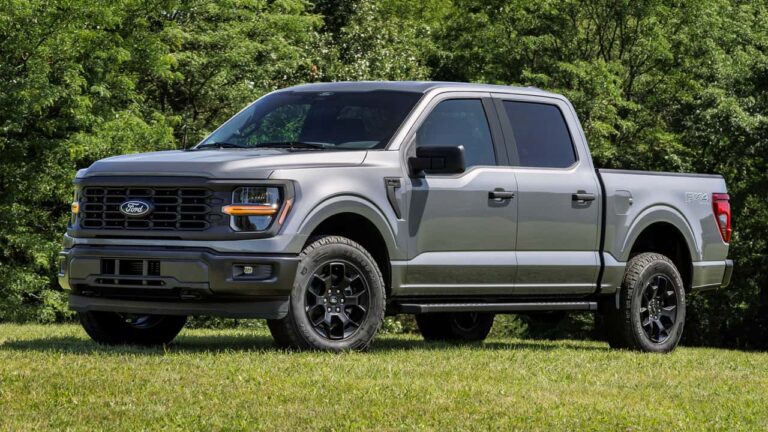
This is the largest segment, encompassing popular models like the Ford F-150, Chevrolet Silverado 1500, Ram 1500, and Toyota Tundra. Within full-size trucks, there are several common bed lengths:
- Short Bed: Typically 5.5 feet to 5.8 feet. This is popular for crew cab configurations, offering a balance of passenger space and cargo utility.
- Standard Bed: Around 6.5 feet. A versatile choice for both work and personal use, providing ample cargo room without making the truck excessively long.
- Long Bed: Usually 8 feet. Predominantly found on regular cab or extended cab trucks, this bed is designed for maximum hauling capacity, often preferred by contractors or those needing to transport lengthy items.
Toppers for full-size trucks are robust and designed to integrate with the truck’s often more aggressive styling. Specific width and bulkhead designs will vary significantly between manufacturers (e.g., Ford’s aluminum body vs. GM’s steel).
3. Heavy-Duty Trucks
Trucks like the Ford F-250/F-350, Ram 2500/3500, and Chevrolet Silverado/GMC Sierra 2500/3500 share similar bed lengths with their half-ton counterparts (6.5ft and 8ft). However, they often feature wider and taller bed rails, and their overall construction is more substantial.
Toppers for heavy-duty trucks are built with a corresponding level of durability and often have higher weight capacities for roof racks. Based on my experience, while bed lengths might match, the subtle differences in bed rail thickness and cab contours mean you must specify your exact heavy-duty model and year when ordering a topper.
Beyond the Bed Dimensions: Other Factors Influencing Topper Fit
While bed length and width are primary, several other factors contribute to the perfect truck topper fit. Overlooking these can lead to an improper seal or an aesthetically mismatched topper.
1. Truck Cab Design
The type of cab your truck has (Regular Cab, Extended Cab, or Crew Cab) plays a significant role in the overall look and sometimes the desired topper height. Topper manufacturers design their products to align seamlessly with the specific cab profile, creating a cohesive appearance from front to back. A topper designed for a regular cab might not sit flush with the roofline of a crew cab, for instance.
2. Bed Rail Caps
Many trucks come with factory bed rail caps, which are plastic covers protecting the top edge of the bed rails. Aftermarket caps are also popular. These caps can slightly alter the effective width and contour where the topper sits.
A well-designed topper will account for these caps, providing a proper seal without interference. It’s crucial to inform your topper supplier if you have aftermarket rail caps, as they can sometimes be thicker than OEM versions.
3. Tailgate Design
Modern tailgates feature various designs, including steps, built-in work surfaces, and different latch mechanisms. Toppers are designed to sit flush with the top of the tailgate, often with a slight overhang to create a weather-tight seal.
The specific curvature and thickness of your tailgate are factored into the topper’s rear door design. This ensures smooth operation and a secure closure.
4. Bed Liners
Whether you have a drop-in plastic bed liner or a spray-in liner also influences fit. Spray-in liners are thin and generally don’t affect dimensions. However, drop-in liners can slightly reduce the internal width and length of the bed.
Most toppers are designed to fit over the bed liner, using clamps that secure to the truck’s metal bed rails underneath the liner. Always double-check with the topper manufacturer regarding compatibility with your specific bed liner type.
5. Year, Make, and Model Specificity
This is arguably the most critical factor. Truck beds, even within the same model line, can undergo subtle changes from year to year. A topper designed for a 2018 Ford F-150 might not perfectly fit a 2021 F-150 due to minor revisions in body lines or bed dimensions.
Pro Tip: Always confirm with the topper manufacturer’s fitment guide using your truck’s exact year, make, and model. This information is usually available on their websites or through authorized dealers. It’s the most reliable way to ensure a precise match.
Types of Truck Toppers and Their Sizing Implications
The world of truck toppers offers diverse styles, each with its own sizing considerations beyond just fitting the bed. Your choice will depend on your intended use and aesthetic preferences.
1. Fiberglass/Aluminum Shells
These are the most common types of toppers. Fiberglass shells offer smooth, automotive-grade finishes that can be painted to match your truck, providing a highly custom, integrated look. Aluminum shells, while often more utilitarian in appearance, are known for their durability and lighter weight.
Sizing for these is almost exclusively custom-fit, meaning they are manufactured specifically for your truck’s exact bed dimensions, including all the subtle contours of the rails and cab. They are designed for a perfect, sealed fit.
2. Commercial/Work Toppers
Built for demanding use, commercial toppers (often aluminum, sometimes fiberglass) prioritize durability, internal volume, and secure storage for tools and equipment. They are frequently taller than cab-high and may feature side access doors, interior shelving, or heavy-duty roof racks.
Sizing here still adheres to your truck’s bed dimensions for fitment, but the internal volume and height become primary considerations for accommodating specific tools or standing room.
3. Pop-Up/Wedge Campers
These specialized toppers transform your truck bed into a compact living space. When closed, they resemble a standard topper, but they can "pop up" or "wedge open" to reveal a sleeping area and sometimes standing room.
Sizing for these involves the closed dimensions (fitting the bed) and the expanded dimensions, including internal height and sleeping platform size. They are highly specialized and almost always custom-ordered for specific truck models.
4. Soft Toppers
Made from durable fabric and supported by an internal frame, soft toppers offer a more flexible and often more affordable alternative. They can typically be folded down or removed easily.
While more forgiving in their fit compared to rigid shells, soft toppers are still bed-specific in their design. They rely on the truck bed’s perimeter measurements to ensure a taut, weather-resistant cover.
Universal vs. Custom-Fit Truck Toppers
This is a critical distinction that often confuses first-time buyers. Understanding the difference will guide you towards the right investment.
1. Universal Truck Toppers
As the name suggests, universal toppers are designed to fit a range of truck beds, rather than one specific model. They achieve this by having more adjustable features or a less precise contour.
The main limitation of universal toppers is that they rarely offer a perfect, seamless fit. You might encounter small gaps, an imperfect seal, or an aesthetic mismatch with your truck’s lines. While they can be a more budget-friendly option, they often compromise on security, weather protection, and overall appearance. Based on my experience, while they might seem appealing initially, the long-term satisfaction and performance of a universal topper are often subpar.
2. Custom-Fit Truck Toppers
Custom-fit toppers are the gold standard. They are engineered and manufactured specifically for your truck’s exact year, make, and model. Every curve, every angle, and every dimension of your truck’s bed and cab are accounted for in their design.
The benefits are numerous: a perfect, weather-tight seal; enhanced security; superior aesthetics that integrate seamlessly with your truck; and often, a higher resale value. While the initial investment is typically higher, the longevity, performance, and satisfaction derived from a custom-fit topper far outweigh the cost difference. This is why most reputable manufacturers focus exclusively on custom-fit solutions.
Common Mistakes to Avoid When Sizing a Truck Topper
Even with all the information, it’s easy to make oversights. Here are some common pitfalls to steer clear of:
- Guessing Dimensions: Never assume your truck bed is a standard size without measuring. Variations exist, and a few inches can make all the difference.
- Relying Solely on Online Forums: While forums can be helpful, always verify information with official manufacturer fitment guides. What worked for one person’s truck might not be exactly right for yours, especially with different model years.
- Ignoring Bed Liners or Rail Caps: These accessories modify the bed’s effective dimensions. Always consider them and communicate their presence to your topper supplier.
- Buying a "Universal" Topper Expecting a Perfect Fit: As discussed, universal toppers are a compromise. If a factory-like fit and robust protection are your priorities, look for custom-fit options.
- Not Considering Future Modifications: If you plan to add a bed slide, toolboxes, or a roof rack, factor these into your topper choice and sizing. Some toppers are reinforced for heavier loads.
- Forgetting to Check the Truck’s Year: As mentioned, even minor year-to-year changes can impact fit. Always specify the exact model year.
Where to Find Reliable Sizing Information
To ensure you get it right, consult these trusted sources for sizing information:
- Your Truck’s Owner’s Manual or Manufacturer Website: These provide official bed dimensions and specifications.
- Topper Manufacturer’s Fitment Guides: This is your primary resource. Reputable brands like Leer, ARE, or Snugtop have comprehensive online fitment guides where you input your truck’s year, make, and model to see compatible toppers. For detailed specifications on specific topper models, a trusted resource like can provide invaluable data.
- Reputable Dealerships or Specialty Truck Accessory Stores: These professionals have extensive experience and often access to proprietary fitment databases. They can measure your truck and guide you to the correct topper.
For more insights into optimizing your truck’s utility, check out our guide on . If you’re weighing the pros and cons of different materials, our article on offers a deep dive.
The Installation Process: A Brief Overview (and why accurate sizing helps)
Once you’ve selected the perfectly sized topper, the installation process is straightforward, but it highlights why accurate sizing is so critical. A properly sized topper will:
- Seat Flush: It will sit perfectly on your bed rails, without rocking or gaps.
- Seal Properly: The weather-stripping will compress evenly, creating a watertight and dust-proof seal.
- Clamp Securely: The clamps will attach firmly to your truck’s bed rails, holding the topper in place without stress or strain.
- Align with the Cab: A cab-high topper will match your truck’s roofline seamlessly, enhancing aesthetics.
An ill-fitting topper will complicate every step, requiring excessive shims, sealant, or adjustments, none of which provide the secure, factory-like fit and finish you desire.
Conclusion: Your Journey to the Perfect Truck Topper
Choosing the right truck topper size is not a task to be taken lightly. It’s an investment in your truck’s functionality, security, and appearance. By meticulously measuring your truck bed, understanding the various factors that influence fit, and choosing a custom-fit solution from a reputable manufacturer, you can avoid common pitfalls and ensure a topper that performs flawlessly for years to come.
Take your time, measure carefully, and consult reliable resources. The effort you put into selecting the right size will pay dividends in peace of mind and the enhanced utility of your truck. Enjoy the benefits of a perfectly sized truck topper, whether you’re hauling gear, protecting tools, or embarking on your next great adventure!