The Ultimate Guide to Truck Cap Fit Chart: Finding the Perfect Cap for Your Chevy Silverado
The Ultimate Guide to Truck Cap Fit Chart: Finding the Perfect Cap for Your Chevy Silverado Typestruck.Guidemechanic.com
As an owner of a robust Chevy Silverado, you understand the versatility and power your truck offers. Whether you use it for work, recreation, or daily driving, protecting your cargo from the elements and securing it from theft is often a top priority. This is where a high-quality truck cap becomes indispensable.
However, selecting the right truck cap isn’t as simple as picking one off the shelf. A perfect fit is crucial, and that’s precisely why understanding the Truck Cap Fit Chart for Chevy Silverado is paramount. This comprehensive guide will walk you through everything you need to know, ensuring your investment enhances your Silverado’s functionality and aesthetics seamlessly.
The Ultimate Guide to Truck Cap Fit Chart: Finding the Perfect Cap for Your Chevy Silverado
Why a Perfect Fit Matters for Your Chevy Silverado Truck Cap
Choosing a truck cap that perfectly matches your Chevy Silverado isn’t just about aesthetics; it’s about functionality, protection, and long-term value. An ill-fitting cap can lead to a host of problems that diminish your truck’s utility and potentially cost you more in the long run.
Firstly, a precise fit ensures superior protection against the elements. Rain, snow, and dust are effectively sealed out, keeping your cargo dry and clean. This is vital for tools, camping gear, or any items you wish to safeguard from harsh weather conditions.
Secondly, security is significantly enhanced with a properly fitted cap. A snug cap, securely clamped and sealed, creates a formidable barrier against theft. There are no gaps or weak points that can be easily exploited, providing peace of mind whether your truck is parked at home or on a job site.
Furthermore, an accurately sized cap contributes to better aerodynamics. While a truck cap inherently adds some drag, one that aligns perfectly with your Silverado’s cab and bed lines can minimize air turbulence. This subtle improvement can even contribute to slightly better fuel efficiency on long hauls, which is always a welcome bonus for truck owners.
Finally, the visual appeal of your Silverado is dramatically improved with a cap that looks like it was made specifically for it. A cap that’s too short, too long, or misaligned detracts from your truck’s rugged good looks. Conversely, a cap that hugs every contour of your Silverado elevates its overall appearance, making it look integrated and purposeful.
Understanding the Basics: What Determines a Truck Cap Fit?
Before diving into the specifics of a truck cap fit chart for Chevy Silverado, it’s essential to grasp the fundamental factors that dictate a proper fit. These elements are the building blocks of any fit chart and understanding them will empower you to make an informed decision.
The primary determinant is your truck’s bed length. Chevy Silverado trucks come with various bed lengths, such as short bed, standard bed, and long bed configurations. Each cap is manufactured to a precise length to match these dimensions, ensuring it sits flush with the tailgate and the front of the bed.
Another critical factor is the cab style of your Silverado. While the cab style doesn’t directly influence the bed dimensions, it affects the overall profile of the truck. Manufacturers often design caps to complement the lines of a Regular Cab, Extended Cab, or Crew Cab, ensuring a harmonious visual flow from the cab to the cap.
Crucially, the truck model year plays an enormous role. General Motors frequently updates the body styles of the Silverado, leading to subtle yet significant changes in bed rail height, tailgate design, and cab contours. A cap designed for a 2014 Silverado, for instance, will almost certainly not fit a 2019 model perfectly due to these generational design shifts.
Lastly, each truck cap manufacturer, be it ARE, Leer, Snugtop, or another reputable brand, designs its caps with specific molds and dimensions. Their fit charts are tailored to their product lines. Therefore, consulting the manufacturer’s specific chart for their particular cap model is vital, as a "universal" approach rarely yields the ideal fit.
Decoding the Chevy Silverado Generations: A Timeline of Fit Challenges
The Chevy Silverado has evolved significantly over the years, and these evolutionary changes directly impact truck cap compatibility. Understanding the different generations is key to navigating any truck cap fit chart for Chevy Silverado. Ignoring these generational differences is one of the most common mistakes I’ve seen owners make.
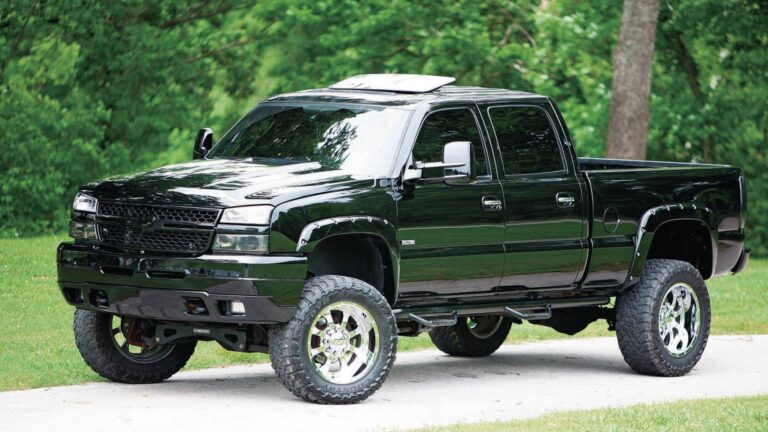
The First Generation Silverado (1999-2006, including 2007 Classic) featured a distinct body style. Caps for these models often had a specific contour to match the cab’s rear window and the bed rail caps. They are characterized by smoother lines compared to their predecessors, requiring caps designed to hug these curves precisely.
Moving into the Second Generation (2007-2013), often referred to as the "New Body Style" (NBS), the Silverado underwent a significant redesign. The bed rails became taller, and the overall truck dimensions shifted. A cap from the first generation would simply not sit correctly on these trucks due to the increased bed rail height and different cab angles.
The Third Generation Silverado (2014-2018), built on the K2XX platform, introduced further refinements in body styling and aerodynamics. The bed dimensions and rail designs were again subtly altered, meaning caps from the 2007-2013 era would likely have fitment issues. These models often feature more angular lines, and caps were designed to reflect that aesthetic.
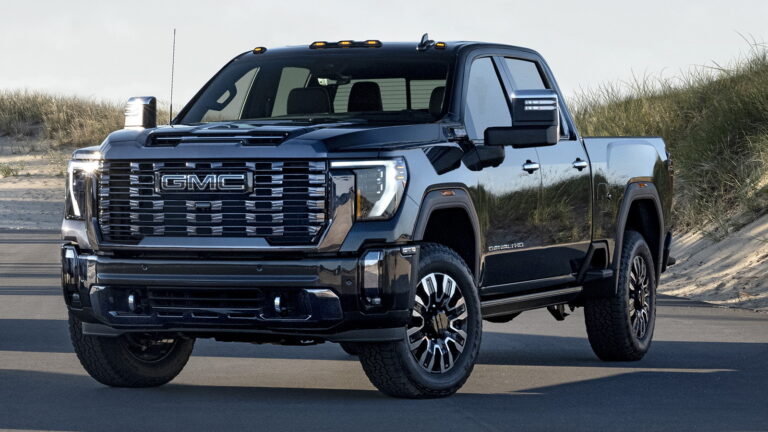
Finally, the Fourth Generation Silverado (2019-Present), utilizing the T1XX platform, brought about another substantial redesign. This generation features a more sculpted look, revised tailgate designs, and often different bed rail caps. A cap specifically manufactured for a 2019+ Silverado is crucial for a flush and secure fit, as older generation caps will exhibit noticeable gaps or overhangs. Each generational shift fundamentally changes the necessary cap dimensions and contours, making cross-generational cap use practically impossible for a truly perfect fit.
The "Truck Cap Fit Chart Chevy Silverado" Explained: How to Use It
Navigating a truck cap fit chart might seem daunting initially, but with a systematic approach, it becomes straightforward. The goal is to precisely match your Silverado’s specifications with the cap manufacturer’s recommended model. Based on my experience, this process is where attention to detail truly pays off.
Step 1: Identify Your Silverado’s Exact Specifications.
Before looking at any chart, you need to know your truck inside and out. Start with the model year – this is non-negotiable and the primary filter. Next, determine your cab type: Regular Cab, Extended Cab (often called Double Cab in newer models), or Crew Cab. Finally, and most critically, measure your bed length. Do not guess. Measure from the inside front edge of your truck bed (against the cab) to the inside rear edge (against the tailgate). Common lengths are typically around 5’8" (short bed), 6’6" (standard bed), or 8′ (long bed).
Step 2: Consult the Manufacturer’s Fit Chart.
Once you have your exact specs, head to the website of your preferred truck cap manufacturer (e.g., ARE, Leer, Snugtop). Most reputable manufacturers will have a dedicated "Fit Guide" or "Fit Chart" section. Here, you’ll typically select your truck’s make (Chevrolet), model (Silverado), and then drill down by year, cab style, and bed length. The chart will then present you with compatible cap models from their product line.
Step 3: Understand Cap Model Designations.
Manufacturers offer various cap styles (e.g., cab-high, mid-rise, high-rise, commercial). The fit chart will list which of these styles are available for your specific Silverado configuration. For example, a "Z-Series" might be their cab-high option, while a "CX Evolve" could be a mid-rise. Understand the aesthetic and functional differences between these cap models to choose one that meets your needs.
Step 4: Verify with a Professional/Dealer.
After identifying a potential cap model using the chart, it’s always a wise move to double-check with a local authorized dealer. They often have proprietary software and extensive knowledge of specific truck variations. Pro tips from us: Bring your truck’s VIN to the dealer; it helps them confirm exact specifications and avoid any potential miscommunications. This final verification step can save you from costly errors and ensures you get the perfect fit.
Beyond the Chart: Key Considerations for Your Silverado Cap
While the fit chart for your Chevy Silverado is the foundation, several other factors contribute to the overall satisfaction and functionality of your new truck cap. These considerations go beyond mere dimensions and delve into performance, aesthetics, and long-term utility.
The material of your truck cap is a significant choice. Fiberglass caps are popular for their smooth, automotive-grade finish that can be color-matched to your Silverado, providing a seamless look. They are durable, relatively lightweight, and offer good insulation. Aluminum caps, while often more utilitarian in appearance, are typically lighter, more affordable, and extremely robust, making them ideal for heavy-duty work or commercial applications where aesthetics are secondary to durability.
Features are another crucial aspect. Consider what you need from your cap. Do you require side windows that slide or pop out for ventilation? Will you need interior lighting for better visibility in the bed? A carpeted interior can protect delicate cargo and reduce condensation. For outdoor enthusiasts or those needing extra storage, a roof rack system is an invaluable addition, allowing you to carry bikes, kayaks, or ladders above the bed. Remote locking, integrated with your truck’s key fob, offers ultimate convenience and security.
Color matching is essential for fiberglass caps to maintain your Silverado’s cohesive appearance. A professional installation shop can typically match the cap’s paint to your truck’s factory color code, resulting in a virtually indistinguishable finish. This attention to detail significantly enhances the cap’s integrated look.
Finally, think about installation and weight. While some DIY enthusiasts might attempt installation, professional installation is highly recommended. It ensures proper sealing, secure clamping, and often maintains the cap’s warranty. Also, remember that adding a cap adds weight to your truck, which can slightly impact suspension and handling. This is usually negligible for most users but worth noting.
Common Mistakes to Avoid When Buying a Truck Cap for Your Silverado
Even with a detailed fit chart, missteps can occur during the purchasing process. Based on my experience, several common mistakes frequently lead to frustration and wasted resources when buying a truck cap for a Chevy Silverado. Avoiding these pitfalls will save you time, money, and headaches.
One of the most prevalent errors is ignoring the specific model year of your Silverado. As discussed, even a single year’s difference can mean substantial changes in body lines and bed dimensions. Assuming a "2010-2018" cap will fit your 2014 Silverado perfectly without confirming the exact sub-model changes can lead to an improper seal or an unsightly gap. Always verify the precise year and generation.
Another frequent mistake is estimating bed length instead of measuring it accurately. Many owners assume they have a "short bed" or "standard bed" without taking a tape measure to it. There can be slight variations even within the same bed length category over different years, or sometimes a truck might have an uncommon bed configuration. Always measure your bed from the bulkhead to the inside edge of the tailgate.
Falling for the allure of a "universal" cap is also a trap. While some caps claim to fit a range of trucks, they rarely offer the seamless, watertight, and aesthetically pleasing fit of a cap designed specifically for your Silverado. These generic options often rely on extensive weather stripping and clamping, which can fail over time and look out of place.
Overlooking the integrity of the cap’s seals and clamps is another common oversight. Even if the cap physically fits, poor sealing will compromise its primary function of protecting your cargo from weather. Always inspect the cap’s weather stripping, particularly around the bottom edge and window frames, and ensure the clamping system is robust and secure.
Finally, neglecting ventilation, especially if you plan to transport pets or spend time inside the cap, is a critical mistake. A cap without proper airflow can become dangerously hot or stuffy. Ensure the cap you choose has adequate sliding windows or vents to provide necessary air circulation for any living cargo or simply to prevent condensation buildup.
Pro Tips for a Seamless Truck Cap Experience with Your Silverado
Achieving the perfect truck cap setup for your Chevy Silverado involves more than just selecting the right model; it’s about smart decision-making and ongoing care. Here are some pro tips from us to ensure a truly seamless and satisfying experience.
Always measure your truck bed accurately, even if you think you know the length. Use a tape measure from the inside of the bulkhead to the inside of the closed tailgate. Don’t rely on online specifications alone, as slight variations can occur, especially with aftermarket bed liners. This simple step is the most critical for a correct fit.
When you’re actively shopping, take clear, well-lit photos of your Silverado from multiple angles, especially focusing on the bed rails, cab contour, and tailgate area. These photos can be invaluable when discussing options with a dealer or comparing different cap designs, helping you visualize the fit more effectively.
Consider purchasing your truck cap from a local, authorized dealer. While online prices can be tempting, a local dealer provides expert installation, warranty support, and service for any issues that may arise. This localized support is often worth the slightly higher upfront cost, as it ensures peace of mind and professional care.
Don’t rush your decision. Truck caps are a significant investment, and thorough research is key. Read reviews, compare features, and visualize how different cap styles will look on your specific Silverado model. Patience in the selection process leads to greater satisfaction in the long run.
Finally, regular maintenance of your cap’s seals and clamps is essential for longevity. Over time, weather stripping can compress or degrade, and clamps can loosen. Periodically inspect these components and replace or tighten them as needed to maintain a watertight seal and secure attachment. For more detailed maintenance tips, you might find our article on Maintaining Your Truck Cap: A Guide to Longevity helpful.
For official specifications and details about your specific Chevy Silverado model, you can always refer to the trusted source of information on the official Chevrolet website: Chevrolet Silverado Official Site.
What to Do If Your Silverado Cap Doesn’t Fit Perfectly (Troubleshooting)
Despite careful planning, sometimes a truck cap for your Silverado might not fit absolutely perfectly. While a major mismatch typically warrants a return or exchange, minor fit issues can often be remedied with some troubleshooting. Understanding the limits of "close enough" is key.
For very minor gaps or sealing issues, high-quality weather stripping can be your best friend. Available in various thicknesses and materials, it can be applied to the top of your bed rails or the bottom edge of the cap to create a tighter seal. This is particularly useful for sealing out dust and light moisture. However, it’s not a solution for large structural gaps.
Shims can also be used in situations where the cap isn’t sitting perfectly level or there’s a slight difference in bed rail height. Small, durable shims strategically placed under the cap’s frame can help level it out and improve the overall appearance and seal. This is a delicate process and often best done by an experienced installer to avoid putting undue stress on the cap or truck bed.
If the fit issue is significant—for example, the cap is clearly too long or too short, or the contours don’t match your cab—it’s highly likely that the wrong cap was purchased for your specific Silverado. In such cases, contact your seller or dealer immediately to discuss a return or exchange. Attempting to force a severely ill-fitting cap can damage both the cap and your truck, voiding warranties and creating safety hazards.
Understanding the limitations of "close enough" is crucial. A cap that requires extensive modification to fit is usually not worth the effort or potential compromise in integrity. A perfect fit ensures optimal performance, security, and aesthetics. Don’t settle for a cap that requires constant adjustments or doesn’t provide adequate protection.
Conclusion
Finding the perfect truck cap for your Chevy Silverado is an investment that pays dividends in protection, utility, and enhanced aesthetics. By meticulously consulting the Truck Cap Fit Chart Chevy Silverado, understanding your truck’s specific generation, and considering all the vital factors beyond basic dimensions, you can ensure a seamless integration.
Remember to accurately measure your truck bed, identify your exact model year and cab style, and leverage the expertise of authorized dealers. Avoiding common mistakes and applying our pro tips will guide you toward a truck cap that not only looks like it was custom-made for your Silverado but also performs flawlessly for years to come. Make an informed decision, and enjoy the expanded capabilities and peace of mind your perfectly fitted truck cap provides.