The Ultimate Guide to Towing Packages for Your Jeep Wrangler: Everything You Need to Know
The Ultimate Guide to Towing Packages for Your Jeep Wrangler: Everything You Need to Know Typestruck.Guidemechanic.com
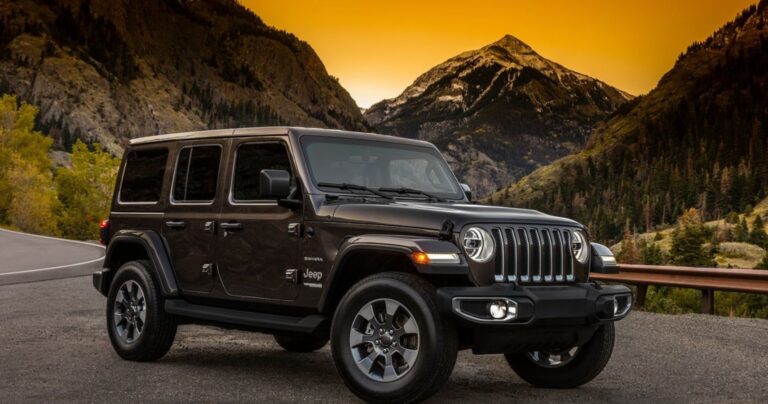
The allure of a Jeep Wrangler is undeniable. It’s an icon of off-road adventure, freedom, and unparalleled versatility. But beyond conquering rugged trails, many Wrangler owners discover another fantastic capability: towing. Whether you’re hauling a small utility trailer, a teardrop camper, or even a lightweight boat, equipping your Jeep Wrangler with the right towing package opens up a world of new possibilities.
However, towing isn’t simply a matter of attaching a hitch. It requires understanding your vehicle’s limits, selecting the correct components, and adhering to safe practices. As an expert in automotive content and a seasoned off-road enthusiast, I’m here to guide you through every aspect of securing and utilizing a towing package for your Jeep Wrangler. This comprehensive guide is designed to transform you from a novice to a confident tower, ensuring safety and optimal performance.
The Ultimate Guide to Towing Packages for Your Jeep Wrangler: Everything You Need to Know
Understanding Your Jeep Wrangler’s Towing Prowess and Its Limitations
Jeep Wranglers are renowned for their robust construction and powerful engines, making them surprisingly capable tow vehicles within their specified limits. This capability extends across various models, from the classic JK to the modern JL, including 2-door and 4-door configurations. Their short wheelbases and strong frames are inherent advantages, but understanding the specifics is crucial.
The "towing package" for a Jeep Wrangler isn’t always a single, factory-installed option; it often involves a combination of essential components. Many Wranglers come "tow-ready" to some extent, but additional parts are frequently needed to complete a safe and effective setup. Our goal here is to demystify these components and help you make informed decisions.
It’s vital to remember that while a Wrangler is tough, it has specific towing capacities. Exceeding these limits can lead to dangerous situations, vehicle damage, and accelerated wear on critical components. We’ll delve into how to accurately determine your Wrangler’s towing capacity later in this guide, ensuring you only tow what your vehicle can safely handle.
Key Components of a Jeep Wrangler Towing Package: A Deep Dive
Building a reliable towing setup for your Jeep Wrangler involves several critical components. Each plays a vital role in ensuring stability, safety, and compliance with towing regulations. Let’s explore these essential parts in detail.
The Hitch Receiver: Your Foundation for Towing
The hitch receiver is the cornerstone of any towing package. It’s the sturdy component bolted to your Wrangler’s frame that accepts the trailer ball mount. Choosing the correct class of hitch is absolutely paramount for safety and functionality.
Class II, III, and IV Hitches: For most Jeep Wranglers, you’ll be looking at Class II or Class III hitches. A Class II hitch typically handles up to 3,500 lbs GTW (Gross Trailer Weight) and 350 lbs TW (Tongue Weight). A Class III hitch is more common for Wranglers, supporting up to 5,000 lbs GTW and 500 lbs TW. Some heavy-duty setups might utilize a Class IV, but this is less common for typical Wrangler towing.
Importance of Proper Installation: Regardless of the class, proper installation is non-negotiable. The hitch must be securely bolted to the vehicle’s frame according to manufacturer specifications. Based on my experience, attempting a shoddy installation can lead to catastrophic failure while towing, putting everyone on the road at risk. If you’re unsure, professional installation is always the safest bet.
Factory vs. Aftermarket Options: Many Wranglers come with a factory-installed hitch, especially the 4-door models. These are generally Class II or Class III and are perfectly adequate for most towing needs. Aftermarket hitches offer robust alternatives, sometimes with higher ratings or specific designs for lifted Wranglers or those with aftermarket bumpers. Ensure any aftermarket hitch meets SAE J684 standards.
The Wiring Harness: Powering Your Trailer’s Signals
Connecting your trailer’s lights to your Wrangler’s electrical system is not just a convenience; it’s a legal and safety requirement. The wiring harness provides power for brake lights, turn signals, and running lights, ensuring your intentions are clearly communicated to other drivers.
4-Pin vs. 7-Pin Connectors: The most basic harness is a 4-pin flat connector, which powers tail lights, brake lights, and turn signals. This is sufficient for small utility trailers or very light campers without electric brakes. However, for trailers with electric brakes, auxiliary power, or reverse lights, a 7-pin round connector is necessary.
Brake Controller Integration: A 7-pin harness includes a pin for the trailer brake controller, allowing your Wrangler to activate the trailer’s brakes. This integration is crucial for heavier loads. Pro tips from us: always ensure your wiring harness is properly routed and secured, protecting it from road debris and weather elements. A loose wire can lead to intermittent signal issues, which are dangerous on the highway.
Importance of Reliable Electrical Connections: Corrosion and poor connections are common culprits for trailer light malfunctions. Using dielectric grease on connections and regularly inspecting the harness for damage can prevent many headaches. Many modern Wrangler wiring harnesses are plug-and-play, making installation relatively straightforward, but always follow the instructions carefully.
Trailer Brake Controller: Essential for Heavier Loads
If your trailer weighs over a certain threshold (typically 1,000 to 1,500 lbs, depending on local regulations and manufacturer recommendations), a trailer brake controller is absolutely indispensable. This device activates your trailer’s brakes simultaneously with your Wrangler’s brakes, providing synchronized stopping power.
When is it Necessary? Ignoring the need for a brake controller is a common mistake to avoid. Without one, your Wrangler’s braking system alone will be severely overloaded, leading to extended stopping distances, overheating brakes, and potential loss of control. Always check your trailer’s Gross Vehicle Weight Rating (GVWR) and your local towing laws.
Types: Proportional vs. Time-Delayed:
- Proportional Controllers: These are generally preferred. They sense the deceleration of your tow vehicle and apply the trailer brakes with a proportional force. This results in smooth, controlled braking that feels natural.
- Time-Delayed Controllers: These apply a predetermined amount of braking force after a short delay once you press your brake pedal. While less refined, they are more affordable. Based on my experience, the smoother action of a proportional controller offers a significant safety advantage, especially in emergency braking situations.
Installation Considerations: Most brake controllers require a 12V power source, a ground, a connection to the brake switch, and a wire running to the 7-pin trailer connector. Many modern Wranglers have a dedicated harness under the dash for easy plug-and-play installation with compatible controllers. If not, wiring can be more complex and might warrant professional installation.
Heavy-Duty Alternator and Cooling Systems: Protecting Your Investment
While not always part of a basic "towing package," upgraded alternators and enhanced cooling systems are often included in factory towing groups or highly recommended for frequent or heavy towing. These components protect your Wrangler’s powertrain under increased stress.
Heavy-Duty Alternator: Towing can place extra demands on your Wrangler’s electrical system, especially if your trailer has multiple lights, an onboard battery charging system, or other electrical accessories. A heavy-duty alternator ensures there’s enough power to run everything efficiently without draining your vehicle’s battery or overworking the charging system. It maintains optimal electrical flow, which is crucial for reliability.
Transmission Cooler: For automatic transmission Wranglers, a transmission cooler is incredibly important. Towing generates significant heat in the transmission fluid, and excessive heat is the number one killer of automatic transmissions. A dedicated cooler helps maintain optimal fluid temperatures, preventing premature wear and costly repairs. Common mistakes to avoid are neglecting transmission cooling, as this can dramatically shorten the life of your transmission.
Larger Radiator: While less common for typical Wrangler towing, some factory heavy-duty towing packages might include a larger radiator. This provides enhanced engine cooling, which is beneficial when pulling heavy loads up inclines or in hot climates. Keeping engine temperatures in check is vital for long-term engine health and preventing overheating issues.
Factory Towing Packages vs. Aftermarket Solutions: Making the Right Choice
When it comes to equipping your Jeep Wrangler for towing, you generally have two main routes: opting for a factory towing package or assembling an aftermarket solution. Both have their advantages and disadvantages, and the best choice depends on your specific needs and budget.
Factory Options: OEM Fit and Guaranteed Compatibility
Many new Jeep Wranglers, especially the 4-door models, offer a factory towing package as an option. These packages typically include a Class II or III hitch receiver, a 7-pin wiring harness, and sometimes an upgraded alternator or enhanced engine/transmission cooling.
Advantages: The primary benefits of a factory towing package are guaranteed OEM fitment and seamless integration with your Wrangler’s existing systems. You also get the peace of mind that these components are covered by your vehicle’s warranty. Installation is done at the factory, ensuring professional quality from day one. For those who plan to tow moderately and want a hassle-free solution, the factory option is often the simplest path.
Disadvantages: While convenient, factory packages may not always be comprehensive enough for very heavy or specialized towing needs. For instance, a factory package might not include a trailer brake controller, which you would still need to purchase and install separately. They can also be more expensive than assembling comparable aftermarket parts, depending on how they’re bundled with other options.
Aftermarket Solutions: Customization and Heavy-Duty Performance
For those who purchase a Wrangler without a factory towing package, or who require more robust or specialized components, aftermarket solutions offer immense flexibility. You can buy each component individually, tailoring your setup precisely to your towing requirements.
Advantages: Aftermarket parts provide a vast array of choices, from heavy-duty hitches designed for extreme off-road use to advanced trailer brake controllers with sophisticated features. From my years in the automotive industry, I’ve seen aftermarket solutions offer incredible value and customization potential. You can often find components that exceed OEM specifications in terms of strength and durability, which can be particularly beneficial for frequent or challenging towing. If you have specific needs, like a hitch that works with an aftermarket bumper or a particular brand of brake controller, the aftermarket is your playground.
Disadvantages: The main drawbacks of aftermarket solutions are the potential for installation complexity and warranty considerations. While many aftermarket hitches and wiring harnesses are designed for DIY installation, components like transmission coolers or trailer brake controllers can require more advanced electrical and mechanical skills. Incorrect installation of aftermarket parts could potentially void parts of your vehicle’s warranty, so always ensure reputable brands and professional installation if you’re not confident in your abilities.
Calculating Your Towing Capacity: What You Can Safely Tow
Understanding your Jeep Wrangler’s actual towing capacity is perhaps the most critical aspect of safe towing. It’s not a single, fixed number but rather a calculation influenced by several factors. Never guess; always consult your owner’s manual and perform the necessary calculations.
Key Terminology: GTW, TW, GVWR, GCWR, and Payload
- Gross Trailer Weight (GTW): This is the total weight of your fully loaded trailer. This includes the trailer itself, all its cargo, water, and any other items you’re hauling. You can often find this by weighing your loaded trailer at a public scale.
- Tongue Weight (TW): The amount of your trailer’s weight that presses down on your Wrangler’s hitch ball. Proper tongue weight is crucial for stability, typically needing to be 10-15% of the GTW. Too little can cause sway, too much can overload your Wrangler’s rear axle and suspension.
- Gross Vehicle Weight Rating (GVWR): This is the maximum permissible weight of your fully loaded Wrangler, including its own weight, all passengers, cargo, and the tongue weight of the trailer. You’ll find this on a sticker inside your driver’s side door jamb.
- Gross Combined Weight Rating (GCWR): This is the maximum permissible weight of your fully loaded Wrangler AND your fully loaded trailer combined. This number is often found in your owner’s manual. Never exceed the GCWR, as it represents the total weight your vehicle’s drivetrain and braking system can safely handle.
- Payload Capacity: This refers to the maximum amount of weight your Wrangler can carry inside its cabin and cargo area, plus the tongue weight of your trailer. It’s your GVWR minus your Wrangler’s curb weight. Every pound of passenger or cargo weight reduces the amount of tongue weight your Wrangler can safely support.
The Importance of Consulting Your Owner’s Manual
Your Jeep Wrangler’s owner’s manual is your ultimate source for specific towing capacities and limitations. It will provide the exact GTW, GVWR, and GCWR for your specific model, engine, and transmission configuration. Do not rely on general figures found online, as they can vary significantly.
Pro tips from us: Never exceed your Wrangler’s lowest rated component. For example, if your hitch is rated for 3,500 lbs, but your Wrangler’s manual states a maximum towing capacity of 2,000 lbs, you can only safely tow 2,000 lbs. The same applies to tires, axles, and any other part of your towing system. Always prioritize the lowest rating for safety.
Safe Towing Practices and Essential Tips for Your Wrangler
Having the right towing package is only half the battle; knowing how to use it safely is equally important. Towing introduces new dynamics to driving, requiring adjustments to your habits and increased vigilance.
The Pre-Trip Checklist: Your First Line of Defense
Before every towing trip, a thorough inspection can prevent many common issues. This checklist is based on years of experience with various towing setups:
- Hitch Connection: Ensure the hitch ball is properly seated in the coupler, and the coupler is securely latched. Attach safety chains in a crisscross pattern, ensuring they are long enough to allow turns but short enough not to drag.
- Electrical Connections: Confirm the wiring harness is securely plugged in and all trailer lights (running, brake, turn signals) are functioning correctly.
- Tires: Check the tire pressure on both your Wrangler and the trailer, adjusting to recommended towing pressures. Inspect tires for wear, cuts, or bulges.
- Fluid Levels: Verify engine oil, transmission fluid, and coolant levels are optimal in your Wrangler.
- Trailer Brakes: If applicable, test the trailer brake controller’s manual override to ensure the trailer brakes engage properly.
- Load Distribution: Ensure your trailer’s cargo is evenly distributed, with appropriate tongue weight.
Driving Techniques: Adapting to the Load
Towing demands a more cautious and deliberate driving style. Your Wrangler will handle differently with a trailer attached.
- Slower Speeds: Reduce your speed, especially on highways, winding roads, or in adverse weather. Higher speeds amplify trailer sway and reduce reaction time.
- Increased Stopping Distance: Your combined vehicle and trailer weight will significantly increase the distance required to stop. Allow much more space between your Wrangler and the vehicle in front of you.
- Wider Turns: Trailers cut corners. Plan your turns wider than usual to prevent the trailer from hitting curbs, signs, or other vehicles.
- Anticipate: Look further ahead than usual to anticipate traffic changes, hills, and road conditions. This allows you more time to react.
- Trailer Sway: Common mistakes to avoid are ignoring trailer sway. If you feel the trailer swaying, gently ease off the accelerator and apply the trailer brakes manually (if equipped) to bring it back in line. Do not hit your Wrangler’s brakes hard or try to steer out of it abruptly.
Weight Distribution and Mirrors: Enhancing Control and Visibility
- Weight Distribution: Proper loading of your trailer is key. Aim for 10-15% of the total trailer weight on the tongue. Too much weight in the rear of the trailer is a primary cause of dangerous trailer sway.
- Extended Mirrors: Your standard Wrangler mirrors may not provide adequate visibility around a wider trailer. Investing in clip-on or permanent extended towing mirrors significantly improves your rear and side visibility, crucial for lane changes and backing up.
Emergency Preparedness: Always Be Ready
Despite careful planning, emergencies can happen. Being prepared can make a critical difference. Carry a spare tire for both your Wrangler and the trailer, along with appropriate tools for changing them. A first-aid kit, fire extinguisher, and roadside flares or reflective triangles are also highly recommended.
Specific Considerations for Different Jeep Wrangler Models
While the core principles of towing remain consistent, different Wrangler models and configurations can have unique considerations. Understanding these nuances helps tailor your towing setup.
JL vs. JK vs. Older Models
- Jeep Wrangler JL (2018-Present): The latest generation offers improved on-road manners and often comes with more sophisticated factory towing options, including integrated trailer sway control and available 7-pin wiring. The 2.0L Turbo and 3.6L V6 engines offer good power for towing within limits, and the 4xe hybrid introduces a new dynamic with its electric assist. Towing capacities typically range from 2,000 lbs (2-door) to 3,500 lbs (4-door).
- Jeep Wrangler JK (2007-2017): The JK is a highly capable platform. Factory hitches were common, but brake controllers and advanced cooling were often separate additions. The 3.6L V6 is a strong performer. Like the JL, 2-door JKs generally have a 2,000 lb limit, while 4-door JKU models can tow up to 3,500 lbs.
- Older Wranglers (TJ, YJ, CJ): These older generations typically have lower towing capacities, often in the 1,000 to 2,000 lb range. Always consult the specific owner’s manual for these models, as their frames and powertrains are designed for lighter loads. Aftermarket hitches are usually the only option for these vehicles.
2-Door vs. 4-Door Towing Limits
A significant factor in a Wrangler’s towing capacity is its wheelbase. 4-door Wranglers (Unlimited models) have a longer wheelbase, which inherently provides greater stability when towing. Consequently, they generally have higher towing capacities (typically 3,500 lbs) compared to their 2-door counterparts (typically 2,000 lbs). This difference is critical and should never be overlooked.
Engine Variations and Their Impact
The engine in your Wrangler plays a role in its towing performance, primarily affecting its ability to maintain speed and handle inclines.
- 3.6L V6 Pentastar: A proven workhorse, this engine offers a good balance of power and efficiency for most towing needs. It’s robust and widely available across JK and JL models.
- 2.0L Turbo I4: Available in the JL, this engine provides surprising low-end torque, which can be beneficial for getting a trailer moving. It’s a capable option for light to moderate towing.
- 392 Hemi V8: Found in the high-performance JL Rubicon 392, this engine offers immense power, making it feel effortless to tow within the Wrangler’s structural limits.
- 4xe Plug-in Hybrid: The JL Wrangler 4xe combines a 2.0L turbo engine with electric motors, providing instant torque that’s excellent for towing. Its towing capacity is generally similar to other 4-door JL models, but the hybrid powertrain offers a unique towing experience. For more details on upgrading your Wrangler’s suspension, check out our guide on .
Installation: DIY vs. Professional Expertise
Once you’ve gathered all your towing components, the next step is installation. Deciding whether to tackle it yourself or seek professional help depends on your mechanical aptitude, available tools, and the complexity of the components.
DIY Installation: When It’s Feasible
For basic components like a bolt-on hitch receiver and a plug-and-play wiring harness, DIY installation is often feasible for those with some mechanical experience. Many modern kits are designed for straightforward installation with common hand tools. Online tutorials and manufacturer instructions are valuable resources.
Key considerations for DIY: Always ensure you have the correct torque specifications for bolts, especially for the hitch receiver. Double-check all electrical connections. If you’re comfortable working under your vehicle and following instructions meticulously, you can save on labor costs.
Professional Installation: When It’s Recommended
For more complex components such as a hardwired trailer brake controller, a transmission cooler, or if your wiring harness requires splicing into your vehicle’s existing electrical system, professional installation is highly recommended. A certified mechanic or a specialized trailer shop has the expertise, tools, and diagnostic equipment to ensure everything is installed correctly and safely.
Benefits of professional help: It minimizes the risk of improper installation, which could lead to component failure or, worse, dangerous situations on the road. Professionals can also troubleshoot any unforeseen issues that may arise. If you’re curious about other ways to enhance your Wrangler’s utility, read our article on .
Maintaining Your Towing Setup: Longevity and Reliability
Just like any other part of your Jeep Wrangler, your towing package requires regular maintenance to ensure its longevity and reliability. Neglecting these checks can lead to unexpected failures and costly repairs.
- Regular Inspections: Periodically inspect your hitch receiver for rust, cracks, or damage. Ensure all bolts are tight and secure. Check the safety chains for wear or kinks.
- Wiring Harness Care: Inspect the wiring harness for frayed wires, cracked insulation, or corrosion on the connectors. Keep the connectors clean and apply dielectric grease to protect them from moisture and debris.
- Brake Controller Check: If you have a trailer brake controller, ensure it’s functioning correctly by performing a manual test before each trip. Check its mounting to ensure it’s secure.
- Fluid Checks: When towing frequently, consider checking your Wrangler’s engine oil, transmission fluid, and coolant levels more often than recommended for normal driving. Towing places extra stress on these systems, and proper fluid levels are crucial.
- Tire Maintenance: Regularly inspect the tires on both your Wrangler and your trailer. Proper inflation and healthy tread are vital for safe towing.
Conclusion: Towing with Confidence in Your Jeep Wrangler
Equipping your Jeep Wrangler with the right towing package is an investment that unlocks new adventures and expands your vehicle’s utility. From hauling gear to towing your favorite recreational vehicle, a properly set-up Wrangler can handle a surprising range of tasks. However, the key to a successful and safe towing experience lies in thorough preparation, understanding your vehicle’s capabilities, and adhering to best practices.
By carefully selecting the appropriate hitch, wiring, and brake controller, and by always respecting your Wrangler’s towing limits, you can ensure a secure and enjoyable journey. Remember, safety should always be your top priority. Take the time to install components correctly, perform pre-trip checks, and adjust your driving style. For detailed information on trailer lighting requirements and towing laws in your region, resources like provide valuable insights.
Now, go forth and explore, knowing that your Jeep Wrangler, properly equipped, is ready to take on the challenge. Share your towing adventures and experiences with us – we love to hear how you’re pushing the boundaries with your capable Jeep!