The Ultimate Guide to New Medium Duty Box Trucks For Sale: Drive Your Business Forward
The Ultimate Guide to New Medium Duty Box Trucks For Sale: Drive Your Business Forward Typestruck.Guidemechanic.com
In the dynamic world of logistics, delivery, and commercial services, the right vehicle can be the backbone of your operation. For countless businesses, the new medium duty box truck stands as an indispensable workhorse, bridging the gap between smaller vans and heavy-duty haulers. It’s more than just a truck; it’s a mobile office, a rolling warehouse, and a critical component for delivering goods and services efficiently.
Choosing to invest in a new medium duty box truck for sale is a significant decision. It represents a commitment to reliability, efficiency, and the long-term growth of your enterprise. This comprehensive guide is designed to empower you with the knowledge needed to make an informed choice, ensuring your next truck purchase propels your business to new heights.
The Ultimate Guide to New Medium Duty Box Trucks For Sale: Drive Your Business Forward
We’ll delve deep into everything from understanding specifications to navigating financing, all while providing actionable insights and expert advice. By the end of this article, you’ll be equipped to confidently select the perfect new medium duty box truck that aligns with your operational needs and budget.
Understanding the Medium-Duty Box Truck Landscape
Before diving into the specifics of purchasing, it’s crucial to understand what defines a medium-duty box truck and why it might be the ideal choice for your business. These vehicles are specifically engineered to handle substantial payloads while offering greater maneuverability than their heavy-duty counterparts.
What Exactly is a Medium-Duty Box Truck?
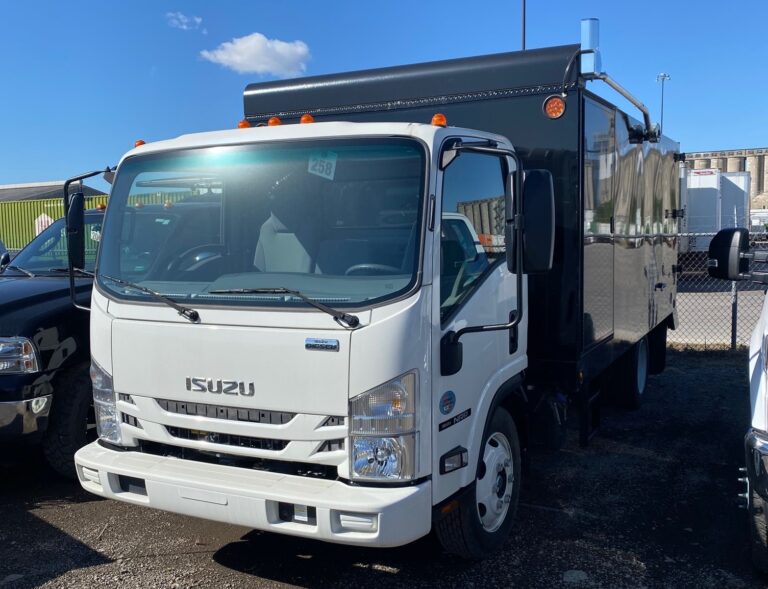
Medium-duty box trucks typically fall within a Gross Vehicle Weight Rating (GVWR) range of 10,001 to 26,000 pounds. This classification is key because it often dictates licensing requirements, particularly whether a Commercial Driver’s License (CDL) is necessary for operation. They feature a separate chassis and cab, with an enclosed cargo area (the "box") mounted to the frame.
This design offers immense versatility. The enclosed box protects cargo from weather and theft, making these trucks perfect for a wide array of applications. From local deliveries to specialized service routes, their adaptability is unmatched.
Why Choose New Over Used?
While used trucks can offer initial cost savings, investing in a new medium duty box truck for sale brings a host of advantages that often outweigh the upfront difference. New trucks come with full manufacturer warranties, covering major components and providing peace of mind against unexpected repair costs. This significantly reduces downtime and protects your operational budget.
Furthermore, new models incorporate the latest advancements in engine technology, safety features, and driver comforts. You benefit from improved fuel efficiency, reduced emissions, cutting-edge telematics, and advanced driver-assistance systems (ADAS) that enhance safety and operational insights. Based on my experience, the long-term reliability and lower total cost of ownership (TCO) often make new trucks a superior investment for businesses planning for sustained growth.
Common Industries That Rely on Them
Medium-duty box trucks are the workhorses across numerous sectors. Moving companies depend on their ample cargo space for household goods. Delivery services, from furniture to parcels, utilize them for efficient last-mile logistics. Construction and landscaping businesses often equip them with specialized upfits for tools and materials.
Even industries like food and beverage distribution, linen services, and equipment rental find these trucks indispensable. Their versatility allows for customization, such as refrigeration units or specialized shelving, making them adaptable to unique business requirements.
Key Factors to Consider Before Your Purchase
Selecting the right new medium duty box truck involves a careful evaluation of your specific operational needs. Skipping this critical assessment can lead to inefficiencies, unexpected costs, or even regulatory issues down the line.
Cargo Capacity & Dimensions: Tailoring to Your Load
The "box" is the heart of a box truck, and its size directly impacts your operational capabilities. Understanding your cargo capacity needs is paramount. This isn’t just about how much weight you can carry, but also the volume and dimensions of your typical loads.
Payload and Cubic Feet:
Payload refers to the maximum weight your truck can carry, including cargo, driver, passengers, and any added equipment. Box lengths for medium-duty trucks typically range from 12 to 26 feet, with varying widths and heights. Pro tips from us: Always consider your heaviest potential load and your bulkiest item. Don’t just plan for today’s needs; think about future growth or seasonal peaks.
Assessing Your Needs:
Carefully measure your typical cargo. Are you transporting pallets, furniture, appliances, or bulk items? Consider the number of stops, the type of items, and how often you’ll be loading and unloading. An accurately sized box truck minimizes wasted space while ensuring you can carry everything you need in a single trip. Common mistakes to avoid are underestimating your required capacity, which leads to multiple trips or overloaded vehicles, or overestimating, resulting in wasted fuel and unnecessary expenses.
Gross Vehicle Weight Rating (GVWR) & CDL Requirements
The GVWR is a critical specification. It’s the maximum operating weight of a vehicle as specified by the manufacturer, including the vehicle’s empty weight, fuel, driver, passengers, and cargo. Understanding your GVWR is not just about capacity; it has significant legal implications.
Explaining GVWR Importance:
For medium-duty box trucks, the GVWR typically falls between 10,001 and 26,000 pounds. If your truck’s GVWR is 26,001 pounds or more, or if it’s towing a trailer with a GVWR over 10,000 pounds and the combined GVWR is over 26,000 pounds, a CDL (Commercial Driver’s License) will be required to operate it. Many businesses strategically choose trucks with a GVWR of 26,000 pounds or less to avoid the complexities and additional training costs associated with CDL requirements.
Legal Implications:
Operating a vehicle that requires a CDL without the proper license can lead to severe penalties, fines, and insurance complications. Always verify the GVWR and understand the licensing requirements in your state and for your specific operational routes. This foresight can save your business from significant headaches and legal entanglements.
Engine & Drivetrain Performance: The Power Beneath the Hood
The engine and drivetrain are the heart of your truck’s performance, impacting everything from power and acceleration to fuel efficiency and maintenance. Making the right choice here is crucial for long-term operational success.
Diesel vs. Gas:
Medium-duty box trucks are available with both diesel and gasoline engines. Diesel engines typically offer greater torque, better fuel economy (especially under heavy loads), and a longer lifespan, making them ideal for high-mileage routes and heavier cargo. However, they usually come with a higher initial cost and potentially more complex emissions systems.
Gasoline engines are often less expensive upfront, have lower maintenance costs, and perform well for shorter, stop-and-go routes. Based on my experience, for businesses with extensive daily mileage or heavy hauling, diesel often proves more cost-effective in the long run despite the higher initial investment.
Horsepower, Torque, and Transmission Types:
Horsepower relates to speed, while torque is about pulling power. For a box truck carrying heavy loads, torque is often more critical. Modern transmissions, including automatic and automated manual transmissions (AMTs), offer smoother shifts and better fuel economy than older manual systems, reducing driver fatigue and improving overall efficiency.
Chassis & Suspension: Foundation for Durability
The chassis forms the structural foundation of the truck, supporting the box and all its contents. A robust chassis is essential for durability, stability, and safety, especially when carrying substantial loads over varying terrains.
Durability for Heavy Loads:
Look for high-strength steel frames designed for commercial use. The strength and rigidity of the chassis directly influence the truck’s ability to withstand daily stresses without premature wear or structural issues. A well-engineered chassis contributes significantly to the truck’s overall lifespan.
Ride Comfort and Axle Configurations:
Suspension systems are crucial for both cargo protection and driver comfort. Air ride suspensions, while an upgrade, can greatly improve ride quality, reducing vibration and protecting delicate cargo. Different axle configurations (e.g., single rear axle, tandem rear axle) dictate the truck’s weight distribution and carrying capacity. Ensure the chosen configuration aligns with your expected load distribution.
Cab Features & Driver Comfort: Investing in Your Workforce
Your drivers spend countless hours in their trucks. The comfort, safety, and functionality of the cab directly impact their productivity, morale, and retention. Investing in a well-appointed cab is an investment in your most valuable asset: your team.
Ergonomics and Visibility:
Modern truck cabs prioritize ergonomic design, with adjustable seating, intuitively placed controls, and excellent visibility. Large windows, power mirrors, and heated mirrors are standard features that enhance safety and driver awareness. A comfortable driver is a safer, more efficient driver.
Tech Integration:
Today’s new medium duty box trucks come equipped with advanced technology. Integrated GPS, telematics systems for fleet tracking and diagnostics, Bluetooth connectivity, and USB charging ports are common. These features not only improve convenience but also provide valuable data for fleet management and operational optimization.
Customization Options: Tailoring Your Truck to Perfection
One of the greatest advantages of a new medium duty box truck for sale is the ability to customize it to your exact specifications. This ensures the truck is a perfect fit for your unique business operations from day one.
Essential Upfits:
Common customization options include liftgates (hydraulic or electric) for easy loading and unloading of heavy items, various ramp styles, and interior shelving or racking systems for organized cargo management. For specialized needs, consider refrigeration units for perishable goods, climate control systems, or even mobile workshop setups.
Planning Customization Early:
Pro tips from us: Plan your customizations early in the buying process. Work closely with your dealer or a reputable upfitter to ensure all modifications are compatible with the truck’s chassis and within its weight ratings. Proper planning prevents costly retrofits and ensures your truck is operational and efficient from the moment it leaves the lot.
Safety Features: Non-Negotiable in Modern Box Trucks
Safety is paramount, both for your drivers and for other road users. New medium duty box trucks are equipped with an impressive array of advanced safety features that were once only found in passenger vehicles. These technologies are crucial for accident prevention and driver confidence.
Advanced Driver-Assistance Systems (ADAS):
Modern trucks integrate ADAS technologies designed to mitigate risks. These include Anti-lock Braking Systems (ABS), traction control, and electronic stability control, which prevent skidding and loss of control. More advanced systems like lane departure warning, automatic emergency braking, and collision mitigation systems actively help drivers avoid accidents by providing alerts or even intervening automatically.
Visibility Enhancements:
Blind spots are a significant concern for larger vehicles. New box trucks address this with improved mirror designs, side-view cameras, and even 360-degree camera systems that provide a comprehensive view around the vehicle. These enhancements drastically reduce the risk of accidents during maneuvering and lane changes.
Impact on Insurance and Operational Safety:
Investing in trucks with comprehensive safety features not only protects your drivers and cargo but can also lead to lower insurance premiums. Furthermore, a safer fleet reduces the likelihood of costly accidents, downtime, and potential legal liabilities, contributing to overall operational efficiency and peace of mind.
The True Cost of Ownership (TCO) – Beyond the Sticker Price
While the initial purchase price of a new medium duty box truck for sale is a significant factor, it’s just one piece of the financial puzzle. Understanding the Total Cost of Ownership (TCO) is crucial for accurate budgeting and long-term financial planning.
Initial Purchase Price: Budgeting for Your Investment
The price of a new medium duty box truck can vary widely based on brand, size, engine type, and customization. It’s important to research various models and options to find a truck that fits both your operational needs and your budget. Remember that this is an investment in your business’s future.
Financing & Leasing Options: Strategic Acquisition
Few businesses purchase commercial trucks outright. Fortunately, a variety of financing and leasing options are available.
Loans and Lines of Credit:
Traditional truck loans allow you to own the asset outright, building equity over time. Commercial lines of credit can offer flexibility for fleet expansion or unexpected needs. Each option has different interest rates, terms, and down payment requirements.
Lease-to-Own:
Leasing can offer lower monthly payments and preserve capital, making it an attractive option for businesses that prefer to regularly upgrade their fleet. Operating leases often provide tax advantages, as payments can be expensed. For a deeper dive, check out our Guide to Commercial Vehicle Financing (Internal Link Placeholder).
Tax Implications:
Consult with a financial advisor to understand the tax benefits associated with purchasing or leasing commercial vehicles, such as Section 179 deductions or depreciation schedules. These can significantly impact your overall cost.
Fuel Costs: A Major Operational Expense
Fuel will likely be one of your largest ongoing operational expenses. Newer medium-duty box trucks are generally more fuel-efficient than older models, thanks to advanced engine technologies and aerodynamic designs.
Long-Term Projections:
When calculating TCO, project your expected annual mileage and use current fuel prices to estimate long-term fuel costs. Factor in potential fluctuations in fuel prices and consider how engine choice (diesel vs. gas) will impact these projections.
Maintenance & Repairs: Protecting Your Investment
New trucks come with the advantage of manufacturer warranties, significantly reducing unexpected repair costs during the initial years. This protection is invaluable for maintaining operational stability.
Warranty Benefits:
Understand the scope and duration of your warranty, including powertrain, bumper-to-bumper, and emissions coverage. This is a key differentiator when choosing new.
Scheduled Maintenance:
Even new trucks require regular scheduled maintenance to ensure optimal performance and longevity. Factor in the cost of oil changes, tire rotations, brake inspections, and other preventative maintenance as part of your TCO.
Insurance: Essential Coverage
Commercial truck insurance premiums can be substantial. Factors influencing your rates include the type of cargo, routes, driver records, and the value of the truck itself. Ensure you have adequate coverage for liability, collision, comprehensive, and cargo protection.
Depreciation & Resale Value: Future Considerations
While new trucks depreciate, some brands and models hold their value better than others. A well-maintained truck from a reputable manufacturer will generally have a stronger resale value. Consider this when planning for future fleet upgrades or divestments.
Navigating the Purchase Process
Buying a new medium duty box truck for sale is a multi-step process that requires due diligence. A structured approach ensures you get the right truck at the right price, with the right support.
Research & Dealership Selection: Finding the Right Partner
Start by researching different brands and models known for reliability in the medium-duty segment. Once you have a shortlist, focus on finding a reputable dealership.
Reputation, Service, and Inventory:
Look for dealers with a strong track record, excellent customer service reviews, and a comprehensive inventory of new medium duty box trucks. A good dealer will have knowledgeable sales staff who can guide you through specifications and customization options.
Test Drives:
Always test drive the truck, ideally with a simulated load. Pay attention to acceleration, braking, maneuverability, cab comfort, and visibility. This hands-on experience is invaluable.
Inspections & Pre-Delivery: Ensuring Quality
Even though you’re buying new, a thorough inspection is crucial before final acceptance.
Pre-Delivery Inspection (PDI):
The dealer should perform a comprehensive PDI to ensure all systems are functioning correctly, fluids are topped off, and the truck meets factory specifications. Request a copy of the PDI checklist.
Your Own Review:
Carefully inspect the truck for any cosmetic damage, ensure all ordered features are present, and test all functions. This is your last chance to address any issues before taking ownership.
Warranty & Service Agreements: Long-Term Support
Understand the specifics of your truck’s warranty. What is covered, for how long, and what are the mileage limits? Inquire about extended warranty options, which can offer additional protection beyond the standard manufacturer’s warranty.
Service Agreements:
Many dealerships offer service agreements or maintenance plans. These can help budget for routine maintenance and may include discounts on parts and labor, providing further peace of mind.
Documentation & Legalities: Crossing the T’s and Dotting the I’s
The paperwork involved in purchasing a commercial vehicle can be extensive. Ensure all titles, registrations, and necessary permits are accurately completed and filed.
Permits and Regulations:
Depending on your operational area and cargo, you may need specific permits (e.g., DOT numbers, IFTA fuel tax decals). Pro tips from us: Consult with a legal expert or your state’s Department of Transportation (DOT) to ensure full compliance. For federal regulations, the Federal Motor Carrier Safety Administration (FMCSA) website is an invaluable resource for commercial vehicle operators: FMCSA Regulations (External Link).
Pro Tips for Maximizing Your Investment
Once you’ve acquired your new medium duty box truck, proactive management is key to maximizing its lifespan, efficiency, and return on investment.
- Regular Maintenance is Key: Stick religiously to the manufacturer’s recommended maintenance schedule. Preventative maintenance is far more cost-effective than reactive repairs. This extends the truck’s life and maintains its efficiency.
- Driver Training: Invest in comprehensive driver training. Well-trained drivers operate vehicles more safely, efficiently, and with less wear and tear, directly impacting fuel economy and maintenance costs.
- Telematics Integration for Fleet Management: Implement a telematics system. These systems provide real-time data on vehicle location, speed, idle time, fuel consumption, and driver behavior. This data is invaluable for optimizing routes, improving safety, and identifying areas for cost savings.
- Plan for Future Growth: Consider scalability. If your business is rapidly expanding, choose a truck that can accommodate slightly more than your current needs, or plan for phased fleet additions.
- Consider Your Local Dealer’s Service Capability: Even with a new truck, service needs will arise. A dealership with a strong service department, readily available parts, and certified technicians can minimize downtime and ensure your truck stays on the road.
Common Mistakes to Avoid When Buying a New Medium-Duty Box Truck
Even experienced buyers can fall prey to common pitfalls. Being aware of these can save you time, money, and frustration.
- Not Accurately Assessing Needs: Rushing the needs assessment leads to buying a truck that’s either too small, too large, or lacks necessary features, creating operational inefficiencies.
- Ignoring Total Cost of Ownership (TCO): Focusing solely on the sticker price without considering fuel, maintenance, insurance, and financing can lead to unexpected long-term expenses.
- Skipping Test Drives: You wouldn’t buy a car without a test drive; a commercial truck deserves the same consideration. Hands-on experience is vital.
- Overlooking Safety Features: In an effort to save costs, some might skimp on advanced safety features. This is a false economy, as accident prevention is priceless.
- Rushing the Decision: Purchasing a commercial truck is a major capital expenditure. Take your time, do your research, and ensure every aspect aligns with your business strategy.
Conclusion
Investing in a new medium duty box truck for sale is a strategic decision that can significantly impact your business’s operational efficiency, profitability, and growth trajectory. By meticulously evaluating your cargo needs, understanding crucial specifications like GVWR, weighing engine options, and considering the total cost of ownership, you can make an informed choice that truly drives your business forward.
Remember, a well-chosen new box truck is more than just transportation; it’s a reliable partner that enhances productivity, ensures timely deliveries, and ultimately contributes to your bottom line. Armed with the insights from this guide, you are now better prepared to navigate the market and acquire a truck that will serve your business faithfully for years to come.
Ready to optimize your entire fleet? Explore our tips on Optimizing Your Commercial Fleet (Internal Link Placeholder) for even greater efficiency and savings. Start your research today, consult with reputable dealers, and make an investment that pays dividends.