The Ultimate Guide to New 3/4 Ton Trucks: Power, Performance, and Your Perfect Purchase
The Ultimate Guide to New 3/4 Ton Trucks: Power, Performance, and Your Perfect Purchase Typestruck.Guidemechanic.com
Embarking on the journey to find the ideal heavy-duty pickup truck can be both exciting and a little overwhelming. For those who demand more than a half-ton can offer, but don’t quite need the behemoth capabilities of a one-ton, 3/4 ton trucks for sale new present a compelling sweet spot. These robust machines are engineered for serious work and play, blending impressive towing and hauling capacities with often surprising levels of comfort and technology.
This comprehensive guide is designed to be your definitive resource. We’ll delve deep into what makes these trucks special, who they’re for, and exactly what you need to consider before making that significant investment. Our goal is to equip you with the knowledge to confidently navigate the market for new 3/4 ton trucks, ensuring you drive away with a vehicle that perfectly matches your needs and lifestyle.
The Ultimate Guide to New 3/4 Ton Trucks: Power, Performance, and Your Perfect Purchase
What Exactly is a 3/4 Ton Truck? (Beyond the Name)
The term "3/4 ton" is a relic from a bygone era, harking back to a time when truck payload capacities were literally measured in fractions of a ton. Today, this classification is more of a historical identifier than a literal weight measurement. Modern 3/4 ton trucks can haul far more than 1,500 pounds (3/4 of a ton).
These trucks are officially categorized by their Gross Vehicle Weight Rating (GVWR), which is the maximum permissible weight of the vehicle itself, plus its passengers, cargo, and any accessories. Typically, 3/4 ton trucks fall into what’s known as "Class 2B" heavy-duty vehicles, with GVWRs ranging from 8,501 to 10,000 pounds. This places them firmly above half-ton (Class 2A) pickups and just below the heavier one-ton (Class 3) trucks.
The significance of this classification lies in its direct impact on capability. Compared to a half-ton, a new 3/4 ton truck boasts stronger frames, more robust suspension components, larger brakes, and often more powerful engine options. These upgrades are crucial for safely managing heavier loads and larger trailers, making them the preferred choice for many demanding applications.
Who Needs a New 3/4 Ton Truck? Identifying Your Use Case
Deciding if a 3/4 ton truck is right for you boils down to your specific requirements. These aren’t just bigger versions of everyday pickups; they are specialized tools designed for particular tasks. Understanding your primary needs will help you determine if investing in a new 3/4 ton truck is the smart choice.
Heavy-Duty Towing Requirements
This is arguably the most common reason individuals and businesses opt for a 3/4 ton truck. If your lifestyle or work involves regularly towing substantial loads, such as large travel trailers, fifth-wheel RVs, car haulers, or heavy utility trailers with equipment, a half-ton truck will quickly reach its limits. A 3/4 ton offers significantly higher conventional and fifth-wheel/gooseneck towing capacities, providing the necessary power and stability for safer and more comfortable towing experiences.
Based on my experience, trying to tow a large RV with an undersized truck is a recipe for stress and potential danger. The added mass and stability of a 3/4 ton chassis makes a world of difference on long hauls and in challenging conditions.
Hauling Significant Payloads
Beyond towing, the ability to carry heavy items in the truck bed is another critical factor. Construction workers, landscapers, and anyone needing to transport bags of concrete, lumber, tools, or even a slide-in truck camper will appreciate the increased payload capacity of a 3/4 ton. These trucks are built with stronger rear axles and leaf springs to handle thousands of pounds without compromising structural integrity or ride quality excessively.
Pro tips from us: Always know the weight of your cargo. Overloading any truck, regardless of its classification, is unsafe and can lead to costly repairs.
Commercial and Work Applications
Many businesses rely on the uncompromising capability of 3/4 ton trucks. From hauling equipment to job sites to serving as a mobile workshop, their durability and load-carrying prowess are invaluable. Tradespeople, agricultural workers, and fleet managers often find that these trucks strike the perfect balance between capability and operating costs, especially when compared to larger, more expensive one-ton models.
Off-Road Enthusiasts and Overlanders
While often associated with brute strength, 3/4 ton trucks also appeal to a niche of off-roaders and overlanders. Their robust frames and heavy-duty components provide an excellent platform for extensive modifications, such as lifted suspensions, larger tires, and additional gear for remote expeditions. The increased payload capacity allows them to carry more camping equipment, recovery gear, and fuel, making them ideal for venturing far off the beaten path.
Key Features and Specifications to Consider When Buying New
When you’re looking at 3/4 ton trucks for sale new, the sheer number of options can be daunting. Understanding the core features and specifications is crucial for making an informed decision that aligns with your exact requirements.
Engine Options: Diesel vs. Gasoline Powerhouses
The engine is the heart of any heavy-duty truck, and 3/4 tons typically offer a choice between gasoline and diesel powertrains, each with distinct advantages.
- Gasoline Engines: These are generally more affordable upfront and have lower maintenance costs. Modern gasoline V8s offer impressive horsepower and torque, making them perfectly capable for many towing and hauling tasks. They are often quicker to warm up and might be preferred for shorter trips or less frequent heavy hauling.
- Diesel Engines: The premium choice for maximum capability, diesel engines deliver immense torque at lower RPMs, making them superior for heavy towing and hauling, especially over long distances or up steep grades. While more expensive to purchase and maintain, their fuel efficiency (particularly when loaded) and legendary longevity can offset these costs over time. Common mistakes to avoid are underestimating the long-term cost of diesel maintenance, including DEF (Diesel Exhaust Fluid) refills and specialized service.
Towing Capacity: Understanding the Numbers
This is a primary metric for many buyers. Towing capacity refers to the maximum weight a truck can safely pull. For 3/4 ton trucks, this can range from around 15,000 lbs to well over 20,000 lbs, depending on the configuration.
- Conventional Towing: This involves hitching a trailer to a receiver on the truck’s bumper or frame.
- Fifth-Wheel/Gooseneck Towing: These setups involve a hitch mounted in the truck’s bed, distributing weight more evenly over the rear axle, which allows for significantly higher towing capacities.
Pro tips from us: Always check the specific towing capacity for the exact trim and configuration you’re considering. Factors like engine, axle ratio, 2WD/4WD, and even specific packages can impact the final rating. Never rely on generic numbers.
Payload Capacity: More Than Just "How Much Can Fit"
Payload capacity is the maximum amount of weight a truck can carry in its cab and bed, including passengers, cargo, and any accessories or modifications. This is determined by the truck’s GVWR minus its curb weight.
Understanding your truck’s payload is critical, especially if you plan to carry heavy equipment, tools, or a slide-in camper. A common mistake is to only consider the weight of the cargo in the bed, forgetting to factor in passengers, fuel, and anything else added to the truck. Always calculate the total weight you’ll be carrying to stay within safe limits.
Drivetrain: 2WD vs. 4WD
- Two-Wheel Drive (2WD): Typically rear-wheel drive, 2WD models are lighter, slightly more fuel-efficient, and often have higher payload and towing capacities due to their reduced curb weight. They are suitable for those who primarily drive on paved roads or in mild conditions.
- Four-Wheel Drive (4WD): Essential for off-road adventures, navigating challenging job sites, or driving in snow and ice. While 4WD adds weight, complexity, and cost, the enhanced traction and capability are invaluable for many users.
Cab Configurations and Bed Lengths
3/4 ton trucks for sale new come in various cab and bed configurations to suit different needs:
- Regular Cab: A single row of seats, ideal for work trucks where maximum bed length and minimal passenger space are desired.
- Extended Cab (Quad Cab/Double Cab): Offers a small rear seating area, often with suicide doors or smaller conventional doors, suitable for occasional passengers or extra storage.
- Crew Cab (Mega Cab/SuperCrew): The most popular choice, providing four full-sized doors and ample rear legroom, making it comfortable for families or a work crew.
Bed Lengths:
- Short Bed: Typically around 6.5 feet, offering a balance of cargo space and maneuverability.
- Long Bed: Usually 8 feet, providing maximum cargo capacity and often preferred for commercial use or carrying larger items like sheets of plywood or slide-in campers.
Technology and Safety Features
Modern 3/4 ton trucks are far from bare-bones workhorses. They come packed with advanced technology and safety features:
- Infotainment Systems: Large touchscreens, Apple CarPlay/Android Auto integration, navigation, and premium sound systems enhance the driving experience.
- Driver-Assist Technologies: Features like adaptive cruise control, lane-keeping assist, blind-spot monitoring, forward collision warning, and automatic emergency braking greatly improve safety, especially when towing.
- Towing-Specific Tech: Integrated trailer brake controllers, trailer sway control, trailer backup assist, and multi-camera systems make hitching and maneuvering trailers significantly easier and safer.
Trim Levels and Packages
Manufacturers offer a wide array of trim levels, ranging from basic, no-frills work trucks to luxurious, leather-clad machines. Each trim level often comes with specific standard features, and additional packages can further customize your truck with performance upgrades, appearance enhancements, or specialized towing/off-road equipment. Understanding the differences is crucial to avoid paying for features you don’t need or missing out on essentials.
The Major Players: Top 3/4 Ton Trucks For Sale New
The heavy-duty truck segment is dominated by a few key manufacturers, each offering compelling options for those seeking 3/4 ton trucks for sale new. While we won’t declare a single "best," understanding their general reputations can guide your research.
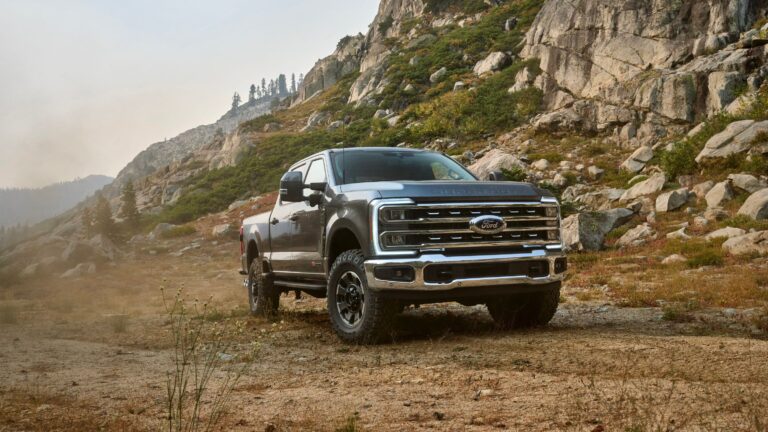
- Ford F-250 Super Duty: Renowned for its immense towing capabilities and strong diesel engine options, the F-250 is a perennial favorite in the heavy-duty market. Ford often leads with innovative towing technology and offers a wide range of trims from basic XL to luxurious Platinum.
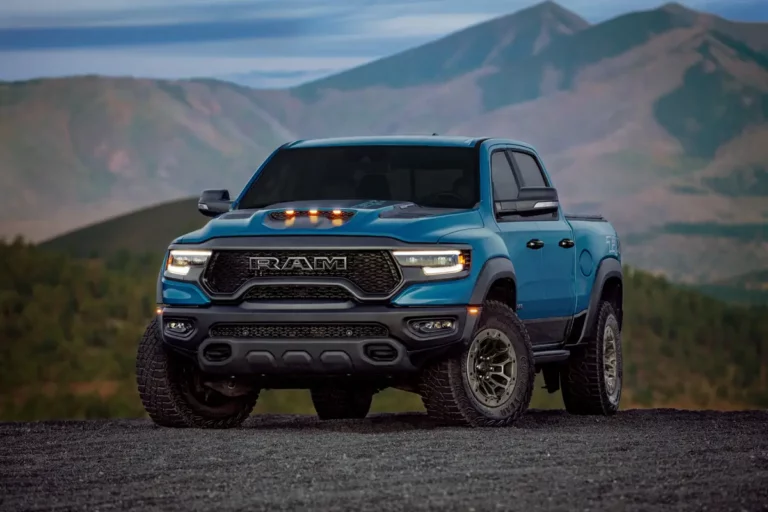
- Ram 2500 Heavy Duty: Ram trucks are celebrated for their comfortable ride quality, often attributed to their coil-spring rear suspension (on most trims), and their luxurious interiors, especially in higher trim levels. The Cummins diesel engine is a legendary powerhouse, and the RamBox cargo management system offers unique utility.
- Chevrolet Silverado 2500HD / GMC Sierra 2500HD: These GM twins share many underpinnings but offer distinct styling and interior philosophies. They are known for their strong gasoline and Duramax diesel engine options, refined driving dynamics, and innovative trailering technologies. GMC typically targets a more premium buyer with its Denali and AT4 trims.
Each of these brands brings unique strengths to the table. Your ultimate choice will depend on your specific priorities regarding power, comfort, technology, and brand loyalty.
Navigating the Purchase: Your Guide to Buying a New 3/4 Ton Truck
Purchasing a new 3/4 ton truck is a significant investment. Approaching the process strategically can save you money, time, and future headaches.
Budgeting and Financing Your Investment
Beyond the sticker price, consider the total cost of ownership. This includes insurance, fuel (especially if opting for diesel), maintenance, and potential registration fees. When exploring new 3/4 ton truck options, secure financing pre-approval if possible. This gives you a clear budget and negotiation power at the dealership. Understand loan terms, interest rates, and how different down payments affect your monthly outlay.
For more in-depth advice on managing your truck budget, you might find our article, "Understanding Truck Financing: A Complete Guide" very helpful. (Internal Link Placeholder)
The All-Important Test Drive
Never skip the test drive. Better yet, try to simulate your typical use case. If you plan to tow, ask the dealership if you can test drive with a heavy trailer attached (if available and safe). Pay attention to:
- Ride Quality: How does it handle bumps and uneven roads, both loaded and unloaded?
- Steering and Braking: Is the steering responsive? Do the brakes feel strong and confident?
- Visibility: Are there any significant blind spots? How are the mirrors for towing?
- Cabin Comfort: Are the seats comfortable for long drives? Is the infotainment system intuitive?
- Engine Performance: Does it have enough power for your anticipated needs?
Dealership Experience and Negotiation Tips
Research local dealerships and read reviews. A reputable dealership will prioritize your needs over a quick sale. When negotiating, be prepared with competitor pricing and be firm but polite. Focus on the "out-the-door" price, including all fees, rather than just the monthly payment. Understand what’s included in the warranty and any extended service plans.
Trade-ins: When and How to Value Your Old Vehicle
If you have a trade-in, research its value beforehand using reputable sources like Kelley Blue Book or Edmunds. Get an appraisal from the dealership, but also consider getting offers from third-party buyers or selling it privately if you want to maximize its value. Separating the trade-in negotiation from the new truck purchase can sometimes lead to a better deal on both ends.
Customization and Aftermarket Considerations
Many 3/4 ton truck owners customize their vehicles. Whether it’s a bed liner, a tonneau cover, a specialized hitch, or even suspension upgrades, factor these potential costs into your overall budget. Research aftermarket options and ensure any modifications won’t void your warranty.
Common Mistakes to Avoid When Buying a New 3/4 Ton Truck
Navigating the purchase of 3/4 ton trucks for sale new can be complex, and certain pitfalls are common. Being aware of these can help you make a smarter decision.
- Underestimating Your Needs (or Overestimating): Don’t buy a 3/4 ton because it "looks cool" if a half-ton would suffice, leading to higher costs. Conversely, don’t try to make a smaller truck do a 3/4 ton’s job, as this can be unsafe and lead to premature wear. Clearly define your towing and hauling requirements.
- Ignoring Total Cost of Ownership: The purchase price is just one component. Fuel, insurance, maintenance, and potential repairs for a heavy-duty truck are generally higher than for a passenger car or even a half-ton.
- Skipping the Comprehensive Test Drive: As mentioned, a quick spin around the block isn’t enough. Try to replicate your driving conditions as closely as possible, especially if towing is a primary concern.
- Not Understanding Warranty Details: Read the fine print of the manufacturer’s warranty. Know what’s covered, for how long, and what might void it (e.g., certain aftermarket modifications).
- Impulse Buying: Heavy-duty truck purchases should be thoroughly researched. Don’t let a sales pitch rush you into a decision. Take your time, compare models, and crunch the numbers.
Pro Tips for Maintaining Your Investment
Once you’ve driven home your new 3/4 ton truck, proper maintenance is key to ensuring its longevity, reliability, and resale value. These trucks are built tough, but they still require diligent care.
- Adhere to Service Intervals: Follow the manufacturer’s recommended maintenance schedule religiously. This includes oil changes, filter replacements, fluid checks (transmission, differential, coolant), and tire rotations. Heavy-duty use often requires more frequent service than lighter-duty applications.
- Monitor Tire Health: Tires are critical for safety, especially with heavy loads. Regularly check tire pressure, inspect for wear patterns, and ensure proper rotation. Using tires rated for your truck’s GVWR is non-negotiable.
- Understand and Respect Load Limits: Always stay within your truck’s rated payload and towing capacities. Overloading causes excessive wear on the engine, transmission, brakes, and suspension, and it compromises safety.
- Regular Fluid Checks: Beyond scheduled changes, routinely check fluid levels. A small leak caught early can prevent a major, costly repair down the line. This is especially true for diesel engines with their specific fluid requirements.
For more detailed information on keeping your truck in top condition, refer to our comprehensive article on "Essential Truck Maintenance Tips for Longevity." (Internal Link Placeholder)
The Future of 3/4 Ton Trucks: What’s Next?
The heavy-duty truck segment is constantly evolving. While electric half-ton trucks are emerging, the electrification of 3/4 ton and one-ton trucks presents greater engineering challenges due to their immense power and range requirements for towing and hauling. However, expect to see:
- Continued Powertrain Refinements: More efficient gasoline engines and even cleaner, more powerful diesel engines are on the horizon.
- Advanced Technology Integration: Further enhancements in driver-assist systems, towing technology, and connectivity will make these trucks even smarter and safer.
- Hybrid and Mild-Hybrid Options: These could bridge the gap, offering improved fuel economy without fully committing to electric powertrains for heavy-duty applications.
The industry is always pushing boundaries, ensuring that 3/4 ton trucks for sale new will continue to be at the forefront of power, capability, and innovation. For up-to-date industry news and developments, we often consult trusted sources like Automotive News. (External Link Placeholder)
Your Journey to a New 3/4 Ton Truck Starts Here
Choosing a new 3/4 ton truck is a significant decision that will impact your work, hobbies, and daily life. By understanding the classifications, identifying your specific needs, diligently researching features, and navigating the purchase process with confidence, you can find a vehicle that serves you reliably for years to come.
Remember to consider engine options, towing and payload capacities, cab and bed configurations, and the array of technology and safety features available. Don’t rush the process, and always prioritize safety and long-term value. With this guide, you’re well-equipped to explore the impressive world of 3/4 ton trucks for sale new and make an informed choice. Happy hunting!