The Ultimate Guide to New 1-Ton Dually Trucks For Sale: Unleash Unrivaled Power and Stability
The Ultimate Guide to New 1-Ton Dually Trucks For Sale: Unleash Unrivaled Power and Stability Typestruck.Guidemechanic.com
Are you in the market for a vehicle that can truly handle the heaviest loads, conquer the toughest terrains, and provide unwavering stability when towing massive trailers? If so, then a new 1-ton dually truck is likely on your radar. These formidable machines are the undisputed champions of heavy-duty hauling, purpose-built for those who demand uncompromising power and reliability.
In this comprehensive guide, we’ll dive deep into everything you need to know about new 1-ton dually trucks for sale. From understanding their unique advantages to exploring the top models on the market, our goal is to equip you with the knowledge to make an informed decision. Get ready to discover why a dually might just be the ultimate workhorse for your personal or commercial needs.
The Ultimate Guide to New 1-Ton Dually Trucks For Sale: Unleash Unrivaled Power and Stability
What Exactly is a 1-Ton Dually Truck? Defining the Heavy-Duty Beast
Before we delve into specific models and features, let’s clarify what defines a 1-ton dually truck. The "1-ton" designation historically refers to its payload capacity, though modern trucks often exceed this significantly. More critically, "dually" refers to the dual rear wheels on each side of the rear axle, giving the truck four tires on its rear axle instead of the standard two.
This configuration is not merely for aesthetics; it’s a fundamental engineering choice that dramatically enhances the truck’s capabilities. A dually truck features a wider rear stance and a robust heavy-duty chassis, specifically designed to distribute immense weight across a larger contact patch. This design is what sets it apart from its single-rear-wheel (SRW) counterparts, enabling it to manage loads that would overwhelm lesser vehicles.
The primary purpose of a dually is to provide superior stability and payload capacity for extreme hauling and towing. Whether you’re pulling a large fifth-wheel RV, a multi-car hauler, or a heavy equipment trailer, a new 1-ton dually truck offers the foundation of confidence and control you need. It’s built from the ground up to be a relentless workhorse, not just a passenger vehicle.
The Unmatched Powerhouse: Why Consider a New 1-Ton Dually?
Choosing a dually is a significant investment, and understanding its core benefits is crucial. Based on my experience, the advantages of these trucks extend far beyond just brute strength. They offer a comprehensive package of performance, safety, and durability that is simply unmatched by other truck classes.
Superior Towing Capacity: Hauling Without Hesitation
One of the most compelling reasons to consider a new 1-ton dually truck is its unparalleled towing capacity. These trucks are engineered to pull the heaviest trailers with remarkable ease. This includes large fifth-wheel campers, gooseneck livestock trailers, and substantial equipment haulers.
The additional rear tires and reinforced chassis allow for significantly higher Gross Combined Weight Ratings (GCWR) and maximum conventional towing capacities. This means you can confidently hitch up thousands of pounds more than what a 3/4-ton or even an SRW 1-ton truck could safely manage. For serious RVers, construction professionals, or agricultural operators, this capability is not just a luxury but a necessity.
Exceptional Payload Capability: Carrying More in the Bed
Beyond towing, a new 1-ton dually truck excels in payload capacity. This refers to the maximum weight the truck can carry in its bed, including passengers and cargo. Thanks to its heavy-duty suspension, robust frame, and those extra rear tires, a dually can haul significantly more weight directly over its rear axle.
Imagine loading up a bed full of gravel, a heavy truck camper, or an industrial generator. A dually handles these loads with greater stability and less sag compared to an SRW truck. This makes it an invaluable asset for landscapers, contractors, and anyone needing to transport substantial cargo without the need for a separate trailer.
Enhanced Stability and Safety: Confidence on the Road
The dual rear wheels fundamentally improve the truck’s stability, especially when under heavy loads or in adverse conditions. The wider stance and increased tire contact patch provide a much more stable platform, reducing sway and improving handling. This translates directly into enhanced safety for both the driver and others on the road.
When encountering crosswinds, uneven roads, or sudden maneuvers with a heavy trailer, a dually maintains composure where an SRW might feel unstable. This added confidence is invaluable, particularly during long hauls or in challenging driving environments. It’s about feeling firmly planted, even when carrying immense weight.
Increased Tire Contact Patch: Better Traction and Load Distribution
The four tires on the rear axle provide a much larger contact patch with the road compared to two. This larger footprint offers several benefits. Firstly, it significantly improves traction, which is crucial when launching a heavy load or navigating slippery surfaces.
Secondly, and perhaps more importantly, the load is distributed across more tires. This reduces the stress on individual tires, helps prevent tire overheating, and minimizes the risk of blowouts, especially during sustained heavy hauling. This superior load distribution also contributes to longer tire life under demanding conditions.
Durability and Longevity: Built for the Long Haul
New 1-ton dually trucks are built with commercial-grade components designed for continuous heavy-duty use. Everything from the frame and axles to the suspension and braking systems is engineered for maximum durability and longevity. They are designed to withstand the rigors of constant towing and hauling, day in and day out.
Investing in a dually means acquiring a vehicle that is truly built to last. While initial costs might be higher, their robust construction often translates into a longer service life and less wear and tear under strenuous conditions. This makes them a wise long-term investment for those with persistent heavy-duty requirements.
Leading Contenders in the New 1-Ton Dually Market
When searching for new 1-ton dually trucks for sale, you’ll encounter a few dominant players, each offering its own blend of power, technology, and refinement. These manufacturers have refined their heavy-duty offerings over decades, leading to today’s highly capable machines.
Ford F-350 Super Duty Dually
The Ford F-350 Super Duty Dually is a perennial favorite, renowned for its formidable power and extensive feature set. It consistently pushes the boundaries of towing and payload capacity, often leading its class in these metrics. Ford’s commitment to innovation is evident in its advanced towing technologies.
Available with powerful gasoline and diesel engine options, including the high-output Power Stroke diesel, the F-350 dually can tackle virtually any task. Its spacious and technology-rich interior provides comfort during long hauls, while available features like Pro Trailer Backup Assist make maneuvering large trailers significantly easier. This truck is a workhorse that doesn’t compromise on modern conveniences.
Ram 3500 Heavy Duty Dually
The Ram 3500 Heavy Duty Dually stands out for its luxurious interiors and impressive towing capabilities, particularly with its Cummins turbo-diesel engine. Ram has invested heavily in creating cabins that feel more like premium SUVs than rugged work trucks, without sacrificing capability. Their ride quality is often praised, even in heavy-duty applications.
With its potent engine options, the Ram 3500 dually offers class-leading torque and incredible towing figures. Features like the available air suspension further enhance ride comfort and load leveling. For those who spend long hours on the road and appreciate a refined environment, the Ram 3500 dually presents a very attractive package.
Chevrolet Silverado 3500HD Dually
The Chevrolet Silverado 3500HD Dually combines robust performance with a user-friendly design and strong reliability. Powered by powerful gasoline or Duramax diesel engines, the Silverado 3500HD is a capable hauler that emphasizes straightforward functionality and dependable operation. Its exterior design is bold and purposeful.
Chevy’s heavy-duty truck offers a comfortable and practical interior, equipped with intuitive infotainment systems and a suite of towing-focused technologies. Features like the advanced trailering system, multiple camera views, and available power-up/down tailgate enhance convenience and safety. It’s a solid choice for those seeking a dependable and powerful dually truck.
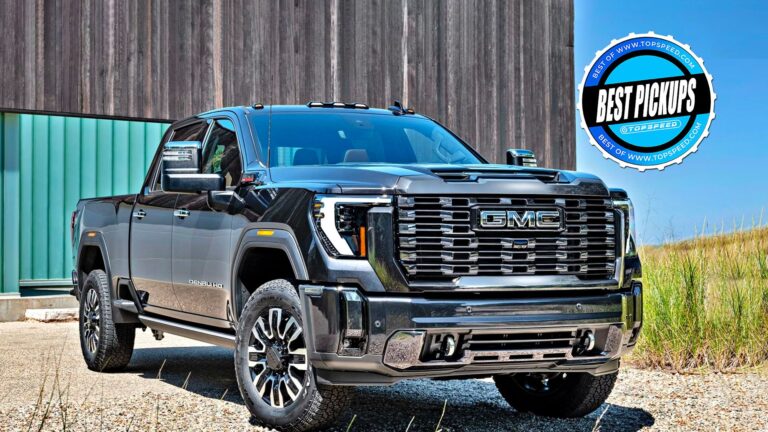
GMC Sierra 3500HD Dually
The GMC Sierra 3500HD Dually shares much of its underlying architecture with the Silverado, but distinguishes itself with more premium styling and upscale features. It often appeals to buyers who desire a more refined aesthetic and elevated materials within the heavy-duty segment. The Sierra offers a compelling blend of capability and sophistication.
Like its Chevrolet sibling, the Sierra 3500HD dually boasts strong engine options and impressive towing and payload figures. It often includes exclusive features such as the MultiPro Tailgate, which offers six versatile functions to assist with loading, unloading, and accessing the bed. For buyers seeking a premium heavy-duty experience, the Sierra 3500HD dually is an excellent contender.
Key Features to Look For When Buying a New 1-Ton Dually
When exploring new 1-ton dually trucks for sale, understanding the critical features can significantly impact your satisfaction and the truck’s suitability for your specific needs. It’s not just about the brand; it’s about the configuration.
Engine Options: Diesel vs. Gas Power
The engine is the heart of any heavy-duty truck. You’ll primarily choose between robust gasoline V8 engines and powerful turbo-diesel engines. Diesel engines typically offer superior torque, which is essential for heavy towing, and often achieve better fuel economy when under load. However, they usually come with a higher upfront cost and potentially more expensive maintenance.
Gasoline engines, while generally having lower torque, offer a more affordable purchase price and simpler maintenance. They are often perfectly adequate for moderate to heavy loads. Your choice should align with your primary use case: frequent, extremely heavy towing often favors diesel, while intermittent heavy use might be fine with gas. for more details.
Transmission Types and Axle Ratios
Modern 1-ton duallies come with highly capable automatic transmissions, often with 6, 8, or 10 speeds. These transmissions are engineered to handle massive torque and seamlessly transfer power to the wheels. Look for transmissions with a "tow/haul" mode, which optimizes shift points for better performance and engine braking when towing.
Axle ratios also play a critical role. A "taller" (lower numerically, e.g., 3.42) axle ratio offers better fuel economy at highway speeds but less torque for towing. A "shorter" (higher numerically, e.g., 4.10) ratio provides maximum pulling power but at the expense of fuel efficiency. Matching the axle ratio to your typical towing weight is essential for optimal performance.
Towing Packages and Technology
Most new 1-ton dually trucks come with comprehensive towing packages. These often include an integrated trailer brake controller, a heavy-duty hitch receiver, larger mirrors, and often advanced camera systems. These camera systems can provide multiple views around the truck and trailer, making hitching up and maneuvering much safer and easier.
Look for features like trailer sway control, hill start assist, and exhaust brakes (on diesel models) which significantly enhance towing safety and control. Modern trucks also offer advanced trailering apps that monitor trailer lights, tire pressure, and even conduct pre-trip checklists, providing immense peace of mind.
Interior Comfort and Technology
While a work truck, the interior of a modern dually can be surprisingly luxurious. Consider seating comfort, especially if you plan long drives. Look for features like heated and ventilated seats, power adjustments, and ample storage. The infotainment system should be intuitive, with Apple CarPlay and Android Auto for seamless smartphone integration.
Technology extends to connectivity, with many trucks offering Wi-Fi hotspots and multiple USB ports. A quiet cabin is also a significant plus for reducing driver fatigue. Choose an interior that balances durability with the comfort and tech features you need.
Safety Features and Driver-Assist Systems
Modern duallies are equipped with an array of safety features. Beyond standard airbags and ABS, look for advanced driver-assistance systems (ADAS) such as blind-spot monitoring (often trailer-aware), lane departure warning, forward collision warning with automatic emergency braking, and adaptive cruise control. These systems can significantly enhance safety, especially when navigating busy highways or congested areas with a large truck and trailer.
Understanding Dually Truck Pricing and Ownership Costs
Investing in a new 1-ton dually truck for sale is a significant financial commitment, and it’s important to consider both the initial purchase price and ongoing ownership costs. These aren’t just work vehicles; they’re powerful investments.
Initial Purchase Price
The MSRP for new 1-ton dually trucks can vary widely based on the manufacturer, trim level, engine choice, and selected options. Base models might start in the low to mid-$50,000s, while fully loaded, top-tier trims, especially with premium diesel engines and luxury packages, can easily exceed $80,000 or even $90,000. It’s crucial to budget not only for the truck itself but also for any necessary accessories like fifth-wheel hitches or bed liners.
Fuel Economy Considerations
Let’s be realistic: dually trucks are not fuel-sippers. Their massive engines, heavy-duty components, and large size mean they consume more fuel than smaller vehicles. While diesel engines often provide better mileage under load, expect overall fuel economy figures to be significantly lower than an average SUV or light-duty pickup. When you add the weight of a heavy trailer, fuel consumption will increase further. Factor fuel costs into your overall budget, especially if you plan on frequent long-distance trips.
Maintenance and Tire Costs
Maintenance costs for a heavy-duty dually can also be higher than for a standard vehicle. Heavy-duty components, larger fluid capacities, and specialized parts can contribute to increased service expenses. Pro tips from us: always adhere to the manufacturer’s recommended maintenance schedule.
Tires are another major consideration. A dually truck requires six tires, and these are often heavy-duty, load-range E or F tires, which are more expensive than standard passenger vehicle tires. Regular rotation and proper inflation are critical for maximizing tire life and ensuring safety. Budget for tire replacement every few years, depending on your mileage and usage.
Insurance and Resale Value
Insurance costs for a dually truck can be higher due to their higher purchase price and the potential for greater damage in an accident. However, many insurance companies offer commercial policies or specialized heavy-duty truck policies that might be more appropriate.
On the flip side, new 1-ton dually trucks often hold their resale value quite well, especially diesel models with low mileage and a good service history. Their specialized nature means they cater to a specific, consistent demand. This strong resale value can offset some of the higher initial and ownership costs over time.
The Buying Process: Finding Your Perfect New 1-Ton Dually For Sale
Finding the right new 1-ton dually truck for sale involves more than just picking a brand. It’s a methodical process that ensures you get the best vehicle for your needs and budget.
1. Research and Compare Models Thoroughly
Start by thoroughly researching the various models from Ford, Ram, Chevrolet, and GMC. Compare their maximum towing and payload capacities, available engine options, standard and optional features, and safety ratings. Read professional reviews and owner testimonials to get a balanced perspective.
Consider your specific requirements: Will you be primarily towing a fifth-wheel, a gooseneck, or conventional trailers? What is the maximum weight you expect to haul or tow? These answers will help narrow down your choices to models that meet your essential criteria.
2. Test Drives Are Essential (With a Load, If Possible)
A test drive is non-negotiable. Don’t just drive around the block; try to simulate your typical usage as much as possible. If a dealership allows, test drive the truck with a heavy trailer attached, even if it’s just a dealer-owned utility trailer. This will give you a real sense of its power, braking, and stability under load.
Pay attention to steering feel, ride comfort, cabin noise, and the responsiveness of the engine and transmission. Test all the technology features, especially those related to towing. Ensure the driver’s seat and controls are comfortable and accessible for your body type.
3. Dealership Negotiation Tips
When you’ve identified your preferred model, be prepared to negotiate. Research the invoice price (what the dealer paid) and typical selling prices in your area. Don’t be afraid to walk away if the deal isn’t right. Consider visiting multiple dealerships or using online buying services to compare offers.
Beyond the purchase price, negotiate on trade-in value (if applicable), financing rates, and any add-ons or warranties. A common mistake to avoid is focusing solely on the monthly payment; always look at the total price of the truck.
4. Explore Financing Options
Before stepping into a dealership, explore your financing options. Get pre-approved for a loan from your bank or credit union. This gives you leverage during negotiations and a clear understanding of your budget. Dealerships often offer competitive financing, but it’s always good to have an alternative.
Consider the loan term (length of the loan) and the interest rate. A longer loan term might result in lower monthly payments but will increase the total interest paid over the life of the loan. Choose a financing plan that aligns with your financial goals.
Common Mistakes to Avoid When Buying a Dually
- Rushing the decision: This is a big purchase; take your time to research and test drive thoroughly.
- Not considering future needs: Buy a truck that can handle what you might need in the future, not just what you need today. Upgrading later is more expensive.
- Overlooking warranty and service plans: Understand the warranty coverage and consider extended service plans, especially for complex diesel engines and heavy-duty components.
- Ignoring weight ratings: Always know your truck’s GVWR, GCWR, and GAWR, and never exceed them. This is critical for safety and legality. for more.
Pro Tips for Dually Owners and Future Buyers (E-E-A-T Section)
Based on my experience handling heavy trucks and trailers, proper operation and maintenance of a new 1-ton dually truck are paramount. These aren’t just "big trucks"; they require specific knowledge to operate safely and efficiently.
Pre-Trip Inspections Are Non-Negotiable
Before every trip, especially when towing or hauling heavy loads, conduct a thorough pre-trip inspection. Check tire pressure on all six rear tires and the two front tires, as well as your trailer tires. Inspect all fluid levels, lights (headlights, tail lights, turn signals, brake lights, trailer lights), and ensure your trailer connections are secure.
Pro tips from us: Pay extra attention to your brakes. Check for any leaks, listen for unusual noises, and ensure brake fluid is at the correct level. A complete pre-trip inspection takes only a few minutes but can prevent costly breakdowns or, more importantly, dangerous situations on the road.
Tire Pressure Management is Crucial
Maintaining correct tire pressure is absolutely vital for dually trucks. Those six rear tires are your foundation for stability and load-carrying. Incorrect pressure can lead to uneven tire wear, reduced fuel economy, decreased stability, and an increased risk of tire failure. Always follow the manufacturer’s recommended tire pressures, which are typically found on a sticker inside the driver’s side door jamb.
Common mistakes to avoid are under-inflating tires, which can cause overheating and blowouts, and over-inflating, which reduces the tire’s contact patch and accelerates wear. Invest in a good quality tire pressure gauge and check pressures regularly, especially before long trips or when hauling maximum loads.
Proper Loading Techniques
How you load your truck bed and trailer profoundly impacts handling and safety. For truck bed loads, ensure the weight is evenly distributed and as far forward as possible, placing more weight over the front axle for better steering. Secure all cargo to prevent shifting during transit.
When loading a trailer, aim for 10-15% of the trailer’s total weight to be on the hitch (tongue weight for conventional trailers, pin weight for fifth-wheel/gooseneck). Too little tongue weight can cause severe trailer sway, while too much can overload the truck’s rear axle. Always use a weight distribution hitch for conventional trailers exceeding certain weights, as recommended by the manufacturer.
Understanding Weight Ratings
You’ll encounter several critical weight ratings with your dually:
- GVWR (Gross Vehicle Weight Rating): The maximum allowable total weight of the truck itself, including fuel, passengers, and cargo.
- GCWR (Gross Combined Weight Rating): The maximum allowable total weight of the fully loaded truck and a fully loaded trailer.
- GAWR (Gross Axle Weight Rating): The maximum weight that can be placed on a single axle. Dually trucks will have separate ratings for the front and rear axles.
Never exceed these ratings. Doing so is not only illegal in many places but also extremely dangerous, compromising braking, handling, and the structural integrity of your truck and trailer.
Dually vs. Single Rear Wheel (SRW): Making the Right Choice
Deciding between a new 1-ton dually truck for sale and a single-rear-wheel (SRW) heavy-duty truck is a common dilemma. Both are capable, but they serve different niches.
When a Dually is Essential:
- Maximum Towing: If you regularly tow large fifth-wheel RVs, multi-car trailers, heavy equipment, or livestock trailers that approach or exceed 18,000-20,000 pounds.
- Heavy Payload: If you frequently carry extremely heavy loads in the truck bed, such as large truck campers or commercial tools/materials.
- Enhanced Stability: For those who prioritize maximum stability and control in all towing situations, especially in crosswinds or on winding roads.
- Commercial Use: Many commercial applications, like hotshot trucking or heavy construction, virtually require the capabilities of a dually.
When an SRW Might Suffice (or be Preferable):
- Moderate Towing: If your heaviest trailer is under 15,000-18,000 pounds and doesn’t require the absolute maximum stability.
- Daily Driving: SRW trucks are generally easier to maneuver and park in urban environments due to their narrower rear end.
- Lower Initial Cost: SRW versions are typically less expensive to purchase and maintain (fewer tires).
- Off-Roading: While some duallies can go off-road, SRW trucks generally have better articulation and a narrower footprint for tight trails.
Pro tips from us: Honestly assess your actual needs, not just your desires. Over-buying can lead to unnecessary expenses and inconvenience. However, under-buying can be dangerous and costly in the long run.
Conclusion: Embrace the Power of a New 1-Ton Dually
The search for new 1-ton dually trucks for sale leads to a world of uncompromising power, stability, and capability. These vehicles are purpose-built for those who demand the absolute most from their truck, whether for demanding commercial applications or the adventurous spirit of heavy RVing. By understanding their unique advantages, exploring the leading models, and making informed decisions about features and costs, you can confidently choose the perfect dually to meet your needs.
From superior towing and payload capacities to enhanced safety and durability, a new 1-ton dually truck is more than just a vehicle; it’s a reliable partner designed to conquer the biggest jobs with unwavering confidence. Take the time to research, test drive, and select the dually that will truly unleash your potential. Visit your local dealership today and experience the formidable presence and incredible performance of these heavy-duty titans.