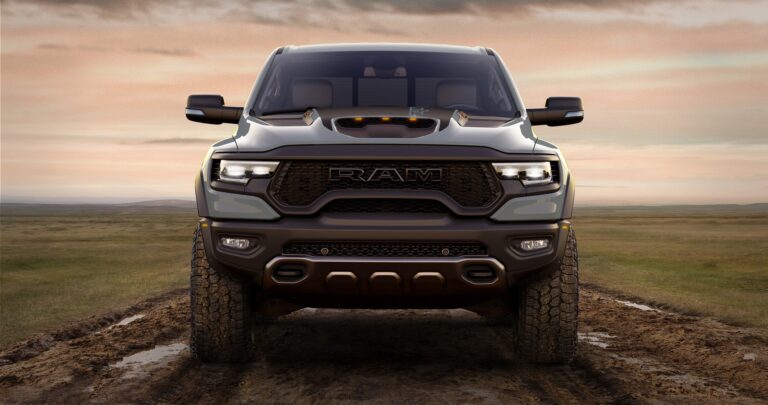
The Ultimate Guide to Medium Duty Crew Cab Trucks For Sale: Your Complete Buying Handbook
The Ultimate Guide to Medium Duty Crew Cab Trucks For Sale: Your Complete Buying Handbook Typestruck.Guidemechanic.com
The world of commercial vehicles is vast and varied, but for many businesses and individuals, the sweet spot lies squarely with medium duty crew cab trucks. These versatile powerhouses offer a compelling blend of strength, capacity, and passenger comfort, making them indispensable for a wide range of applications. If you’re currently searching for "medium duty crew cab trucks for sale," you’ve landed in the right place.
This comprehensive guide is designed to be your ultimate resource, breaking down everything you need to know before making such a significant investment. We’ll delve deep into their unique advantages, critical buying considerations, and expert tips to ensure you drive away with the perfect truck for your needs. Our goal is to equip you with the knowledge to make an informed decision, ensuring your next medium duty crew cab truck delivers exceptional value and performance for years to come.
The Ultimate Guide to Medium Duty Crew Cab Trucks For Sale: Your Complete Buying Handbook
What Defines a Medium Duty Crew Cab Truck? Understanding the Classification
Before diving into the specifics of buying, it’s crucial to understand what distinguishes a medium duty crew cab truck from its lighter or heavier counterparts. The "medium duty" classification primarily refers to the truck’s Gross Vehicle Weight Rating (GVWR), while "crew cab" denotes its passenger capacity.
Gross Vehicle Weight Rating (GVWR): This critical number represents the maximum operating weight of the truck, including the vehicle itself, its fuel, cargo, equipment, and passengers. According to industry standards, medium duty trucks typically fall into classes 4, 5, and 6. This translates to a GVWR range generally between 14,001 pounds and 26,000 pounds.
This classification is vital because it dictates licensing requirements, registration fees, and even permissible routes in some areas. A truck with a GVWR over 26,000 pounds, for instance, often requires a Commercial Driver’s License (CDL) in the United States, whereas many medium duty trucks can be operated with a standard driver’s license.
Crew Cab Configuration: The "crew cab" aspect signifies a full-size passenger compartment, typically featuring four full doors and comfortable seating for five to six occupants. Unlike extended cabs or regular cabs, crew cabs prioritize passenger space, making them ideal for teams heading to a job site or for families needing to transport gear and people simultaneously. This combination of robust capability and ample seating is precisely why many businesses and individuals seek out medium duty crew cab trucks for sale.
Why Choose a Medium Duty Crew Cab Truck? The Unbeatable Advantages
The appeal of medium duty crew cab trucks is multifaceted, offering a unique set of benefits that often make them the ideal choice over light-duty pickups or even heavy-duty rigs. Based on my experience in the commercial vehicle market, these trucks truly hit a sweet spot for versatility and performance.
Unmatched Versatility for Work and Family: One of the primary draws of a medium duty crew cab is its incredible versatility. It can seamlessly transition from a demanding workhorse, hauling heavy equipment or materials to a job site, to a comfortable family transporter for weekend adventures. The crew cab ensures everyone travels in comfort, while the robust chassis handles serious loads. This dual functionality is a significant advantage for many owner-operators and small businesses.
Superior Towing and Hauling Capacity: While light-duty trucks have impressive towing figures, they often reach their limits when faced with heavier trailers, equipment, or substantial payloads. Medium duty trucks, by design, are engineered to handle significantly more. Their stronger frames, axles, and suspension systems provide the necessary backbone for consistently pulling large trailers or carrying heavy service bodies without strain. This enhanced capacity means less stress on the vehicle and greater safety margins when operating at or near maximum load.
Exceptional Durability and Longevity: Medium duty trucks are built to a higher standard of durability than their light-duty counterparts. They are designed for continuous, demanding work, featuring more robust components, stronger frames, and often more powerful, commercial-grade engines and transmissions. This inherent ruggedness translates into a longer operational lifespan and greater reliability, especially under heavy use. Investing in a medium duty truck often means fewer breakdowns and a lower total cost of ownership over its lifetime.
Enhanced Driver Comfort and Passenger Space: Don’t let their workhorse nature fool you; modern medium duty crew cab trucks offer surprisingly comfortable interiors. The crew cab configuration provides generous legroom and headroom for all passengers, a significant improvement over the often-cramped rear seats of extended cab pickups. Many models come equipped with advanced infotainment systems, comfortable seating, and ergonomic controls, making long days on the road much more bearable for both the driver and the crew.
Strong Resale Value: Due to their durability and specialized utility, medium duty crew cab trucks often retain a strong resale value. Businesses and individuals are always in need of reliable work vehicles, and a well-maintained medium duty truck can command a good price on the secondary market. This robust resale value helps offset the initial purchase cost, making it a sound financial investment over the long term.
Key Considerations Before You Buy: A Deep Dive
Purchasing a medium duty crew cab truck is a significant decision that requires careful thought and research. To ensure you make the best choice, we’ve outlined a comprehensive list of factors to consider. Pro tips from us emphasize thinking long-term about your operational needs.
1. Intended Use: Define Your Mission
The very first step is to clearly define what you need the truck to do. Will it be primarily for towing heavy trailers, carrying specialized equipment, or transporting a work crew to remote locations? Perhaps it’s a combination of these. Your intended use will dictate crucial specifications like engine type, drivetrain, and bed configuration. For instance, a landscaping company hauling mulch and equipment will have different needs than a construction crew transporting tools and personnel.
2. GVWR & Payload Capacity: Understand the Numbers
As discussed, GVWR is paramount. Beyond that, pay close attention to the truck’s payload capacity – the maximum weight it can carry in its bed and cab, including passengers and cargo. Ensure the truck’s payload capacity comfortably exceeds your heaviest anticipated load. Overloading a truck is not only unsafe but can also lead to premature wear and costly repairs. Always err on the side of caution and choose a truck with a little extra capacity.
3. Towing Capacity: Axle Ratios, Engine, and Transmission
If towing is a primary function, understanding towing capacity is critical. This figure is influenced by several factors:
- Engine: The horsepower and torque output are directly related to a truck’s pulling power. Diesel engines typically offer superior torque for heavy towing.
- Transmission: Heavy-duty transmissions are designed to handle sustained high loads and often include features like tow/haul modes.
- Axle Ratios: Higher (numerically larger) axle ratios provide more torque to the wheels, improving towing performance at the expense of some fuel economy. Match the ratio to your typical towing demands.
4. Engine Options: Diesel vs. Gasoline
This is one of the most significant decisions for a medium duty truck.
- Diesel Engines: Known for their immense torque, superior fuel efficiency (especially under load), and exceptional longevity. They are often preferred for heavy towing, long-haul operations, and applications requiring sustained power. However, they typically have a higher upfront cost and more complex maintenance.
- Gasoline Engines: Generally have a lower initial cost, simpler maintenance, and often better cold-weather starting. They are suitable for lighter duty applications within the medium duty range or for trucks that don’t constantly operate at maximum capacity.
5. Transmission Types: Automatic vs. Manual
While manual transmissions were once common, automatics now dominate the market, even in medium duty trucks.
- Automatic Transmissions: Offer ease of use, especially in stop-and-go traffic, and modern units are highly efficient and durable. They are generally preferred for fleet operations where drivers might vary.
- Manual Transmissions: Still available on some models, they can offer greater control for experienced drivers and are sometimes preferred for specific vocational applications.
6. Drivetrain: 2WD vs. 4WD
Your operating environment will dictate this choice.
- 2WD (Two-Wheel Drive): Typically rear-wheel drive (RWD) for medium duty trucks, offering better fuel economy and a tighter turning radius. Suitable for paved roads and light-duty off-road conditions.
- 4WD (Four-Wheel Drive): Essential for off-road use, muddy job sites, snowy conditions, or situations requiring maximum traction. It adds complexity, weight, and generally reduces fuel economy.
7. Cab Configuration: Beyond Crew Cab
While you’re specifically looking for "crew cab trucks for sale," it’s good to know other options exist. Standard (single) cabs are for maximum bed length and payload, while extended cabs offer minimal rear seating. Crew cabs provide the most passenger comfort, making them ideal for transporting a full team.
8. Bed Length and Upfitting Potential:
- Bed Length: Medium duty trucks can come with various bed lengths or as chassis cabs. If you need a traditional pickup bed, consider short, standard, or long beds based on your cargo needs.
- Upfitting Potential: Many medium duty trucks are sold as "chassis cabs," meaning they come without a rear body, allowing for custom upfits. This is where the true versatility shines. You can install:
- Flatbeds: For hauling large, irregularly shaped items.
- Service Bodies: With integrated tool compartments for tradespeople.
- Utility Bodies: Similar to service bodies, often with crane mounts or specialized equipment.
- Dump Beds: For hauling and unloading loose materials.
- Box Bodies: For enclosed cargo transport.
- Think about the specific equipment or storage you require.
9. Budget: New vs. Used, and Total Cost of Ownership
Your budget isn’t just the sticker price. Consider:
- Initial Purchase Cost: New trucks offer warranties and the latest features but come at a premium. Used trucks are more affordable but might require immediate maintenance.
- Fuel Costs: Diesel trucks are more efficient but diesel fuel can be more expensive.
- Maintenance & Repairs: Parts and labor for medium duty trucks are generally higher than for light-duty vehicles.
- Insurance: Commercial insurance can be a significant ongoing expense.
- Registration & Licensing: Fees vary by state and GVWR.
10. Maintenance & Parts Availability:
Before committing, research the availability of parts and qualified service technicians in your area. Some specialized medium duty trucks might require specific dealerships or mechanics, which could lead to downtime if parts aren’t readily available.
Top Brands and Models to Consider
When searching for medium duty crew cab trucks for sale, several manufacturers consistently stand out for their reliability, performance, and customization options. Based on our market analysis, these are some of the key players to look at.
- Ford F-Series (F-450, F-550, F-600 Chassis Cab): Ford’s Super Duty lineup extends well into the medium duty segment with its chassis cab models. These trucks are renowned for their powerful Power Stroke diesel engines (or available gasoline V8s), robust frames, and extensive upfitting capabilities. The F-600, for instance, bridges the gap between Class 5 and Class 6, offering impressive payload and towing. Their widespread dealer network also means easier service access.
- Ram Chassis Cab (3500, 4500, 5500): Ram’s chassis cab trucks, particularly the 4500 and 5500, are formidable contenders. They feature the legendary Cummins turbo-diesel engine, known for its durability and immense torque, alongside capable gasoline engine options. Ram chassis cabs are also highly customizable, making them popular for various vocational applications, from construction to municipal services.
- Chevrolet Silverado (4500HD, 5500HD, 6500HD): GM re-entered the conventional medium duty truck market with its Silverado HD chassis cab lineup. These trucks are built on a robust frame, often powered by a Duramax diesel engine paired with an Allison transmission – a highly respected and durable powertrain combination. They offer strong performance, comfortable interiors, and extensive dealer support.
- GMC Sierra (4500HD, 5500HD, 6500HD): Essentially sharing the same platform as the Chevrolet Silverado HD chassis cabs, the GMC Sierra models offer similar capabilities with slightly different styling and trim options. They benefit from the same powerful engine and transmission choices, making them equally strong contenders for those needing a dependable medium duty crew cab truck.
- International CV Series: For those looking for a more dedicated commercial feel, the International CV Series (developed in collaboration with GM) is an excellent option. These trucks leverage components from both International’s commercial truck expertise and GM’s Silverado chassis, offering a robust platform with commercial-grade features, often including air-ride suspensions and advanced telematics.
When evaluating these brands, consider specific features, engine options, and the availability of parts and service in your local area. Each brand offers a slightly different take on the medium duty crew cab, but all provide a solid foundation for your operational needs.
New vs. Used Medium Duty Crew Cab Trucks: Making the Right Choice
The decision between purchasing a new or used medium duty crew cab truck for sale is one of the most significant financial considerations. Both options present distinct advantages and disadvantages that warrant careful evaluation.
Buying New:
- Advantages:
- Warranty Protection: New trucks come with comprehensive factory warranties, offering peace of mind against unexpected repairs.
- Latest Technology & Features: You get the most current safety features, infotainment systems, and engine technologies, which can improve efficiency and comfort.
- Customization: Ordering new allows you to specify every detail, from engine type and axle ratios to upfitting options, ensuring the truck is perfectly tailored to your needs.
- Reliability: A new truck is less likely to have immediate mechanical issues, reducing potential downtime.
- Disadvantages:
- Higher Upfront Cost: New trucks represent a significant investment, often with higher monthly payments.
- Depreciation: Vehicles lose a substantial portion of their value in the first few years, and commercial trucks are no exception.
Buying Used:
- Advantages:
- Significant Cost Savings: Used trucks are considerably more affordable, allowing you to get more truck for your money or free up capital for other business needs.
- Slower Depreciation: The bulk of the depreciation has already occurred, meaning the truck will hold its value better from the point of purchase.
- Immediate Availability: You can often find used trucks available for immediate purchase, without waiting for factory orders.
- Proven Track Record: Sometimes, a truck with a few years and miles can demonstrate its reliability in real-world conditions.
- Disadvantages:
- Unknown History: You might inherit past maintenance issues or undisclosed problems.
- No Warranty (or Limited): Most used trucks are sold without a factory warranty, or with very limited coverage.
- Older Technology: You might miss out on the latest safety features or fuel-efficient technologies.
- Wear and Tear: Components will naturally have some wear, potentially leading to earlier maintenance needs.
Common mistakes to avoid are rushing the purchase or neglecting a thorough pre-purchase inspection. Whether new or used, always verify the vehicle’s specifications against your needs. For used trucks, a detailed inspection by an independent, certified mechanic is non-negotiable. This can uncover hidden issues that might save you thousands in future repairs. Consider the total cost of ownership over your projected usage period, factoring in potential maintenance for a used vehicle versus the higher initial cost of a new one.
Where to Find Medium Duty Crew Cab Trucks For Sale
Once you’ve narrowed down your requirements, the next step is locating suitable medium duty crew cab trucks for sale. The market offers several avenues, each with its own advantages.
- Commercial Truck Dealerships: These are often the best starting point for both new and certified pre-owned medium duty trucks. Dealerships specializing in commercial vehicles will have knowledgeable staff who can guide you through the various models, customization options, and financing. They also typically offer service and parts support, which is crucial for commercial vehicles.
- Online Marketplaces: The internet has revolutionized vehicle shopping. Websites like CommercialTruckTrader, TruckPaper, eBay Motors, and AutoTrader Commercial allow you to browse thousands of listings from dealers and private sellers across the country. These platforms are excellent for comparing prices, features, and locations.
- Heavy Equipment and Truck Auctions: Auctions, whether online or in-person, can be a source of good deals, particularly for used trucks. Government surplus auctions, public auctions, and specialized truck auctions often feature a wide range of medium duty vehicles. However, buying at auction usually means "as-is" sales, so a thorough inspection before bidding is critical.
- Private Sellers: Sometimes, businesses or individuals sell their medium duty trucks directly. This can occasionally lead to a better price, as there’s no dealership markup. However, private sales require more due diligence on your part regarding vehicle history, title, and condition.
- Networking and Industry Contacts: Word-of-mouth within your industry can be surprisingly effective. Let your colleagues, suppliers, and industry contacts know you’re in the market. They might know of a truck for sale or an upcoming fleet upgrade.
The Buying Process: A Step-by-Step Guide
Navigating the purchase of a medium duty crew cab truck can be complex, but following a structured process will streamline your experience and help you secure the best deal.
1. Research & Define Needs: Begin by clearly outlining your specific requirements. What payload capacity do you need? What are your towing demands? Will you primarily be on highways or off-road? This initial research, as detailed in our considerations section, is the foundation of a successful purchase.
2. Set a Realistic Budget: Determine your maximum expenditure, including the purchase price, potential upfitting costs, taxes, registration, and insurance. For a deeper dive into choosing the right engine for your commercial vehicle, check out our article on . Factor in financing options and potential interest rates.
3. Locate Potential Trucks: Utilize the resources mentioned above (dealerships, online marketplaces, auctions) to find trucks that match your defined needs and budget. Create a shortlist of promising candidates.
4. Thorough Inspection & Test Drive:
- For New Trucks: Conduct a detailed walk-around, checking for any cosmetic imperfections. Test all features, including lights, HVAC, infotainment, and power accessories. Take a comprehensive test drive, paying attention to acceleration, braking, steering, and overall ride comfort.
- For Used Trucks: This step is paramount. Beyond the test drive, arrange for an independent, pre-purchase inspection by a qualified mechanic who specializes in commercial vehicles. This inspection should cover the engine, transmission, frame, suspension, brakes, tires, and all major systems. Review the vehicle’s maintenance history and VIN check report meticulously.
5. Explore Financing Options: Whether you’re buying new or used, explore various financing avenues. Dealerships often offer their own financing, but also check with banks, credit unions, and specialized commercial lenders. Compare interest rates, loan terms, and down payment requirements.
6. Negotiation: Don’t be afraid to negotiate the price. For new trucks, inquire about any available incentives or fleet discounts. For used trucks, leverage your research on market value and any findings from the pre-purchase inspection to justify your offer. Be prepared to walk away if the deal isn’t right.
7. Paperwork & Registration: Once an agreement is reached, carefully review all sales contracts, warranty information, and financing documents. Ensure all terms are understood before signing. After purchase, you’ll need to register the truck with your local Department of Motor Vehicles (or equivalent agency), pay sales tax, and secure appropriate commercial insurance.
Maintaining Your Investment: Tips for Longevity
Purchasing a medium duty crew cab truck is just the beginning; proper maintenance is key to maximizing its lifespan, ensuring reliability, and protecting your investment. Pro tips from us emphasize that proactive maintenance is always cheaper than reactive repairs.
- Adhere to Manufacturer’s Service Schedule: This is the most crucial step. Follow the recommended intervals for oil changes, filter replacements (oil, fuel, air), fluid checks, and major service milestones. These schedules are designed to keep your truck running optimally.
- Regular Fluid Checks: Regularly monitor engine oil, transmission fluid, coolant, brake fluid, power steering fluid, and differential fluids. Top off or change as needed. Contaminated or low fluids can lead to serious and expensive component failures.
- Tire Maintenance: Proper tire pressure is vital for safety, fuel economy, and tire longevity. Check tire pressure weekly, including the spare. Rotate tires according to the manufacturer’s recommendations and replace them when tread wear indicators appear. For heavy-duty use, consider specialized commercial-grade tires.
- Brake System Inspection: Brakes on a medium duty truck work hard, especially when hauling or towing. Have your brake pads, rotors/drums, calipers, and brake lines inspected regularly. Any signs of decreased braking performance or unusual noises warrant immediate attention.
- Lubrication of Chassis Components: Many medium duty trucks have grease zerks on various chassis components (e.g., tie rods, ball joints, U-joints). Regular lubrication with the correct grease helps prevent wear and extends the life of these critical parts.
- Rust Prevention: Commercial trucks are exposed to harsh conditions. Regularly wash your truck, especially in areas where road salt is used. Consider applying undercoating or rust-proofing treatments to protect the frame and body from corrosion.
- Keep Detailed Records: Maintain a meticulous record of all maintenance, repairs, and inspections. This not only helps you track the truck’s health but also significantly adds to its resale value. If you’re considering the pros and cons of new versus used commercial vehicles, read our comprehensive guide .
Conclusion: Driving Forward with Confidence
Finding the perfect medium duty crew cab truck for sale involves more than just searching listings; it requires a deep understanding of your needs, the truck’s capabilities, and the market itself. These incredible machines represent a significant investment, but with their unparalleled blend of power, versatility, and passenger comfort, they offer immense value for businesses and individuals alike.
By carefully considering factors like GVWR, engine type, upfitting potential, and navigating the new versus used debate with expert insights, you can confidently select a truck that will serve you reliably for years to come. Remember, the right medium duty crew cab truck isn’t just a vehicle; it’s a critical tool that empowers you to get the job done, transport your team safely, and tackle any challenge with strength and efficiency.
We hope this comprehensive guide has equipped you with the knowledge and confidence needed to make an informed decision on your journey to finding the ideal medium duty crew cab truck for sale. Happy hunting, and may your next truck deliver every bit of performance and value you expect!