The Ultimate Guide to Finding Your Perfect Junk Removal Truck: A Comprehensive Buying Handbook
The Ultimate Guide to Finding Your Perfect Junk Removal Truck: A Comprehensive Buying Handbook Typestruck.Guidemechanic.com
Embarking on the journey to purchase a junk removal truck is a pivotal moment for any aspiring or established hauling business. This isn’t just about buying a vehicle; it’s about investing in the backbone of your operations, a crucial asset that dictates efficiency, profitability, and your capacity to serve clients. From understanding the diverse types available to navigating financing and maintenance, making an informed decision is paramount.
Based on my extensive experience in the industry, choosing the right truck can significantly impact your bottom line and operational success. This comprehensive guide will walk you through every critical aspect of finding the ideal junk removal truck for sale, ensuring you make a smart, strategic investment.
The Ultimate Guide to Finding Your Perfect Junk Removal Truck: A Comprehensive Buying Handbook
Why the Right Junk Removal Truck is Non-Negotiable for Your Business
The heart of any successful junk removal operation lies in its equipment. Your truck isn’t merely a mode of transport; it’s your primary tool, your mobile billboard, and a direct reflection of your professionalism. Investing in the appropriate vehicle goes far beyond simply moving waste from point A to point B.
An unsuitable truck can lead to a cascade of problems, including operational inefficiencies, increased fuel costs, frequent breakdowns, and even safety hazards. Conversely, the right truck enhances productivity, ensures compliance with weight limits, and provides a safer working environment for your crew. It also projects an image of reliability and capability to your customers, which is invaluable for building trust and securing repeat business.
Decoding the Different Types of Junk Removal Trucks
The world of junk removal trucks is diverse, offering specialized solutions for various operational needs. Understanding these distinctions is the first step toward pinpointing the vehicle that best aligns with your business model and service offerings. Each type presents unique advantages and considerations.
1. Dump Trucks: The Workhorses of Waste
Dump trucks are perhaps the most common and versatile choice for junk removal businesses. They are designed with a hydraulic lift system that tilts the truck bed, allowing for easy and efficient unloading of debris. Their robust construction makes them ideal for hauling a wide array of materials, from general household clutter to construction debris.
Pros: Their primary advantage is the ease of unloading, which significantly reduces labor time and effort. They come in various sizes, from smaller models suitable for residential jobs to larger commercial units capable of handling substantial loads. Many models offer high payload capacities, making them efficient for larger projects.
Cons: The fixed bed size can sometimes be a limitation if you encounter unusually large or bulky items that don’t fit well. They can also be challenging to maneuver in tight residential spaces, depending on their overall dimensions. Fuel consumption can be higher for larger models due to their weight and engine size.
2. Roll-Off Trucks: The Container Champions
Roll-off trucks are highly specialized vehicles designed to transport and deploy large, open-top containers (dumpsters) to job sites. This system allows clients to fill the container at their leisure, after which the truck returns to pick it up and haul it away. They are particularly well-suited for large-scale projects, such as construction site cleanups, major renovations, or extensive estate clear-outs.
Pros: The biggest benefit is the flexibility they offer clients, who can take their time filling the container. For the business, it means one truck can service multiple containers, reducing the need for constant on-site presence. They are excellent for heavy, bulky, or high-volume waste.
Cons: Roll-off trucks and their containers represent a significant initial investment. They require ample space at the job site for container placement and retrieval, which might not always be feasible in urban or densely populated areas. Operating these large vehicles also often requires a Commercial Driver’s License (CDL), adding to operational complexities.
3. Pickup Trucks with Dump Inserts: Agility Meets Capacity
For smaller operations, startups, or those focusing on residential and light commercial jobs, a heavy-duty pickup truck equipped with a dump insert can be an incredibly cost-effective and agile solution. These inserts essentially convert the bed of a standard pickup truck into a miniature dump body, complete with a hydraulic lift.
Pros: The primary advantages are lower upfront costs compared to dedicated dump trucks and better maneuverability in tight spaces. They often do not require a CDL, making them accessible to a broader range of drivers. Fuel efficiency is generally better than larger commercial trucks.
Cons: Their payload capacity is significantly lower than a full-size dump or roll-off truck, limiting the size and weight of jobs you can take on. The smaller volume means more trips for larger projects, potentially increasing fuel and labor costs. Durability of the insert and the truck itself under constant heavy loads can be a concern over time.
New vs. Used Junk Removal Trucks: Weighing Your Options
The decision between a brand-new truck and a pre-owned one is a critical financial and operational consideration. Both paths offer distinct advantages and disadvantages, and the best choice often depends on your budget, business stage, and risk tolerance.
Buying New: The Lure of Pristine Performance
Purchasing a new junk removal truck offers the peace of mind that comes with modern engineering, a full manufacturer’s warranty, and the latest features. You get a vehicle with zero mileage, no hidden wear and tear, and the ability to customize it to your exact specifications.
Pros: Reliability is a major draw; new trucks are less likely to experience immediate mechanical issues, reducing downtime. They often come with advanced safety features, better fuel efficiency, and a longer lifespan. The warranty provides financial protection against unforeseen defects.
Cons: The most significant hurdle is the higher upfront cost, which can be prohibitive for startups or businesses with limited capital. New trucks also experience rapid depreciation, especially in the first few years. Insurance costs might also be higher due to the vehicle’s value.
Buying Used: Smart Savings, Careful Scrutiny
Used junk removal trucks for sale present a compelling option for businesses looking to maximize their budget. The pre-owned market is vast, offering a range of models and ages at significantly lower price points than their new counterparts.
Pros: Cost savings are the primary benefit; you can acquire a higher-spec truck for the price of a new, more basic model. Depreciation has already occurred, meaning the vehicle holds its value better post-purchase. It allows businesses to enter the market with less capital investment.
Cons: The main risk lies in potential hidden mechanical issues or undisclosed damage. Without a warranty, you bear the full cost of any repairs. Older models may lack modern safety features or fuel efficiency. Thorough inspection and due diligence are absolutely crucial when buying used.
Pro tips from us: When considering a used junk removal truck, always insist on a pre-purchase inspection by an independent, certified mechanic specializing in commercial vehicles. Review the vehicle’s maintenance records meticulously. Look for signs of excessive wear on the frame, suspension, and hydraulic systems. A detailed vehicle history report (like CarFax for commercial vehicles) can also reveal past accidents or title issues.
Essential Features to Prioritize in Your Junk Removal Truck
Beyond the basic type, the specific features of a junk removal truck significantly impact its functionality, safety, and operational efficiency. Overlooking these details can lead to costly oversights down the line.
- Payload Capacity & GVWR: This is arguably the most critical specification. Payload capacity dictates how much weight your truck can legally and safely carry. Gross Vehicle Weight Rating (GVWR) is the maximum operating weight of the truck, including the vehicle itself, its fuel, passengers, and cargo. Always choose a truck with a capacity that comfortably exceeds your typical job requirements to avoid overloading, which is illegal and dangerous.
- Engine Type & Power: Diesel engines are generally preferred for heavy-duty junk removal operations due to their torque, durability, and better fuel economy under heavy loads. The engine’s horsepower and torque ratings should match the truck’s intended use and payload capacity.
- Transmission: Automatic transmissions offer easier operation and are common in modern commercial trucks. Manual transmissions can provide better fuel efficiency for experienced drivers but require more skill. Consider what your drivers are comfortable with and what suits your operational needs.
- Braking System: Air brakes are standard on larger commercial trucks and offer superior stopping power for heavy loads. Hydraulic brakes are common on lighter-duty commercial vehicles and pickup trucks with dump inserts. Ensure the braking system is robust and well-maintained.
- Lift System (for Dump & Roll-Off Trucks): The hydraulic system is the heart of a dump or roll-off truck. Inspect the hydraulic pump, cylinders, hoses, and fluid for any leaks or signs of wear. A reliable lift system is essential for efficient loading and unloading.
- Bed Material & Construction: The bed of a junk removal truck takes a beating. Look for heavy-duty steel construction, ideally with reinforced sides and floor. Some trucks feature abrasion-resistant steel for enhanced durability. A robust tailgate mechanism is also vital.
- Safety Features: Modern trucks offer a host of safety features, including anti-lock brakes (ABS), traction control, stability control, backup cameras, and blind-spot monitoring. These features not only protect your drivers but also reduce the risk of accidents and associated liabilities.
- Cabin Comfort & Ergonomics: Your drivers will spend countless hours in the truck. A comfortable cabin with good visibility, ergonomic controls, and amenities like air conditioning can reduce driver fatigue and improve overall productivity.
- Fuel Efficiency: While heavy-duty trucks are not known for being gas-sippers, comparing fuel economy ratings between models can lead to significant long-term savings, especially with fluctuating fuel prices.
Understanding the True Cost: Beyond the Purchase Price
The sticker price of a junk removal truck is only one piece of the financial puzzle. To make a truly informed decision, you must consider the full spectrum of costs associated with ownership and operation.
1. Purchase Price: Initial Outlay
This is the most obvious cost. New junk removal trucks can range from $70,000 for a medium-duty dump truck up to $200,000 or more for specialized roll-off units. Used trucks can vary wildly, from $15,000 for an older pickup with an insert to $80,000+ for a well-maintained commercial dump truck. Your budget will largely dictate your options here.
2. Operating Costs: The Daily Drain
- Fuel: This will likely be your largest ongoing expense. Diesel prices fluctuate, and heavy trucks consume a lot of fuel.
- Insurance: Commercial truck insurance is expensive and varies based on vehicle type, driver history, coverage limits, and location.
- Maintenance & Repairs: All vehicles require regular servicing. For junk removal trucks, this includes oil changes, tire rotations, brake inspections, and hydraulic system checks. Repairs for commercial vehicles can be costly, especially for specialized components.
- Tires: Commercial truck tires are a significant expense and wear out faster under heavy loads.
- Registration & Licensing: Annual fees for vehicle registration and potentially specialized commercial plates.
3. Hidden Costs: The Unexpected Surprises
- Downtime: If your truck breaks down, you’re not just paying for repairs; you’re losing income from missed jobs. This opportunity cost can be substantial.
- Depreciation: While less of an issue for used trucks, new vehicles lose value quickly.
- Tooling & Accessories: Don’t forget the cost of tarps, tie-downs, shovels, brooms, and other essential tools for your crew.
- Regulatory Fines: Overloading, improper waste disposal, or expired permits can lead to hefty fines.
Financing Your Investment: Making It Accessible
Unless you’re paying cash, securing financing is a crucial step. Several options are available, each with its own benefits and drawbacks.
- Bank Loans: Traditional commercial loans from banks or credit unions. These typically offer competitive interest rates but can have stringent eligibility requirements.
- Dealership Financing: Many truck dealerships offer in-house financing or work with specific lenders. This can be convenient, but always compare their rates with external options.
- Equipment Leasing: Leasing allows you to use the truck for a set period by paying monthly fees, without outright ownership. This can free up capital, but you won’t build equity in the asset.
- SBA Loans: The Small Business Administration (SBA) guarantees loans for small businesses, making it easier to secure financing with favorable terms.
- Owner Financing: In some cases, particularly with used trucks, the seller might offer financing. Always exercise caution and have legal counsel review any such agreements.
Pro tips from us: Before approaching lenders, have a solid business plan, detailed financial projections, and a clear understanding of your credit score. A higher down payment can often lead to better loan terms.
Where to Find Your Next Junk Removal Truck For Sale
The market for junk removal trucks is extensive, offering numerous avenues to explore.
- Commercial Truck Dealerships: These are excellent sources for both new and used trucks. They often have a wide selection, offer financing, and provide warranty options for new vehicles.
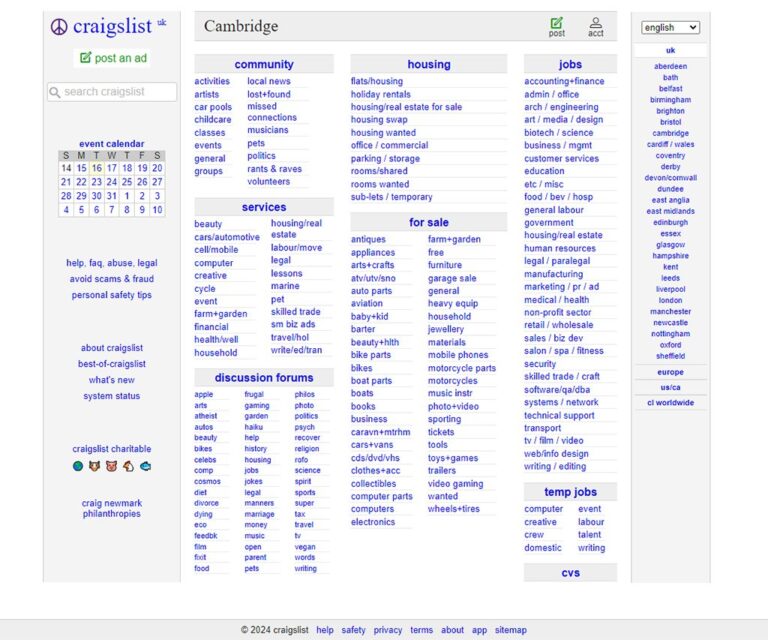
- Online Marketplaces: Websites like Commercial Truck Trader, TruckPaper, and eBay Motors specialize in commercial vehicle listings. You can filter by type, make, model, year, and price.
- Government & Public Auctions: Government agencies, municipalities, and utility companies frequently auction off their surplus vehicles, including dump trucks. These can be great deals, but vehicles are often sold "as-is."
- Private Sellers: Check local classifieds, industry forums, or even "for sale" signs on trucks. Buying from a private seller can sometimes yield a lower price, but requires extra vigilance in inspection and paperwork.
- Fleet Sales: Larger companies refreshing their fleets might sell off their older, well-maintained trucks in bulk or individually.
The Buying Process: A Step-by-Step Road Map
Navigating the purchase process efficiently can save you time, money, and headaches.
- Define Your Needs: Start by clearly outlining your operational requirements. What type of junk will you haul? What payload capacity do you need? What’s your average job size?
- Set Your Budget: Determine your maximum purchase price, considering both the upfront cost and ongoing expenses.
- Research & Compare: Explore different makes, models, and sellers. Read reviews, compare specifications, and create a shortlist of potential trucks.
- Inspect Thoroughly: For used trucks, this means a professional mechanic’s inspection. For new, a detailed walk-around. Check all systems: engine, transmission, brakes, hydraulics, frame, tires, and electrical.
- Test Drive: Always test drive the truck, ideally with some weight in the bed to simulate real-world conditions. Pay attention to how it handles, brakes, and accelerates.
- Review Paperwork: Verify the title is clean, check for liens, and ensure all maintenance records are present (especially for used trucks). Understand the warranty terms for new vehicles.
- Negotiate: Don’t be afraid to negotiate the price. Be prepared to walk away if the deal isn’t right.
- Finalize the Sale: Ensure all contracts are clear, understand the payment terms, and complete the necessary title transfer and registration.
Essential Maintenance Tips for Longevity and Performance
Once you’ve acquired your junk removal truck, proper maintenance is crucial for maximizing its lifespan, ensuring reliability, and minimizing costly breakdowns.
- Adhere to Service Schedules: Follow the manufacturer’s recommended maintenance schedule religiously. This includes regular oil changes, filter replacements (fuel, air, hydraulic), and fluid checks.
- Tire Care: Regularly check tire pressure, rotate tires as recommended, and inspect for wear and damage. Proper tire maintenance improves fuel efficiency and prevents blowouts.
- Hydraulic System Checks: For dump and roll-off trucks, the hydraulic system is critical. Inspect hoses, cylinders, and pumps for leaks or damage. Keep hydraulic fluid levels optimal and change it according to the manufacturer’s guidelines.
- Brake Inspections: Commercial truck brakes endure heavy loads. Have them inspected frequently for wear on pads, rotors, and drums. Ensure the air brake system (if applicable) is functioning correctly.
- Keep It Clean: Regularly wash your truck, especially the undercarriage, to remove corrosive debris and road salt. This helps prevent rust and allows for easier visual inspections of components.
- Pre-Trip Inspections: Common mistakes to avoid are skipping daily pre-trip inspections. A quick walk-around to check lights, fluid levels, tire pressure, and general condition can catch minor issues before they become major problems.
- Driver Training: Ensure all drivers are properly trained on the specific vehicle’s operation, including loading/unloading procedures and weight distribution.
Legal and Regulatory Considerations for Junk Removal Trucks
Operating a commercial junk removal truck involves specific legal and regulatory obligations that you must be aware of to avoid penalties and ensure safe operations.
- Commercial Driver’s License (CDL): Depending on the truck’s Gross Vehicle Weight Rating (GVWR) and whether it’s pulling a trailer, your drivers may require a CDL. Typically, trucks with a GVWR of 26,001 pounds or more, or those designed to transport hazardous materials, require a CDL.
- Department of Transportation (DOT) Regulations: The Federal Motor Carrier Safety Administration (FMCSA) and state DOTs impose regulations on commercial vehicles regarding safety, maintenance, driver hours, and record-keeping. Ensure your truck and operations are compliant. You can find more detailed information on regulations at the FMCSA website.
- Insurance: Adequate commercial auto insurance is not just a good idea; it’s legally required. This typically includes liability, collision, comprehensive, and potentially cargo insurance to protect your business against various risks.
- Permits & Licenses: Depending on your location and the type of waste you haul, you may need specific local or state permits for waste hauling, disposal, or operating a commercial vehicle. Always check local ordinances.
Pro Tips for Thriving in the Junk Removal Business
Beyond the truck itself, several strategies can help your junk removal business flourish.
- Branding Your Truck: Your truck is a moving billboard. Invest in professional vehicle wraps or decals with your company name, logo, phone number, and website. A clean, branded truck speaks volumes about your business.
- Route Optimization: Use GPS and routing software to plan efficient routes, minimizing fuel consumption and travel time between jobs.
- Exceptional Customer Service: Word-of-mouth is powerful. Be punctual, polite, efficient, and go the extra mile for your clients. Positive reviews are gold.
- Diversify Services: Consider offering related services like demolition, clean-outs, or even moving assistance to expand your revenue streams.
- Build Relationships: Forge connections with local real estate agents, property managers, contractors, and storage facilities. These can be excellent sources of recurring business.
- Digital Presence: A professional website, active social media presence, and local SEO optimization are crucial for attracting new customers in today’s digital age. For more insights on digital marketing, check out our guide on
.
Conclusion: Your Journey to the Perfect Hauling Partner
The decision to purchase a junk removal truck is a significant one, fraught with choices and considerations. By thoroughly understanding the different truck types, meticulously evaluating new versus used options, prioritizing essential features, and budgeting for the total cost of ownership, you position your business for success.
Based on my experience, diligence in the research and buying process pays dividends for years to come. Remember that this investment is more than just a vehicle; it’s a commitment to efficiency, reliability, and the growth of your junk removal enterprise. Arm yourself with knowledge, ask the right questions, and soon you’ll be hitting the road with the perfect hauling partner. Start your informed search for junk removal trucks for sale today, and drive your business forward!