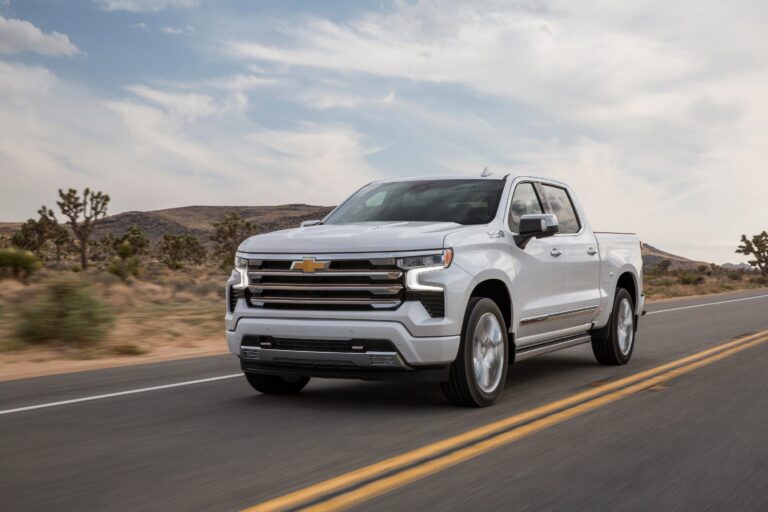
The Ultimate Guide to Finding Your Perfect Gas 3/4 Ton Truck For Sale
The Ultimate Guide to Finding Your Perfect Gas 3/4 Ton Truck For Sale Typestruck.Guidemechanic.com
Searching for the ideal heavy-duty truck can feel like a daunting task, especially with the myriad of options available. But if you’re reading this, chances are you’ve narrowed down your focus to a very specific, and often highly practical, category: Gas 3/4 Ton Trucks For Sale. These workhorses strike a remarkable balance between robust capability and manageable ownership costs, making them a popular choice for both serious hauling and everyday versatility.
In this comprehensive guide, we’re not just going to list features; we’re going to equip you with the knowledge, insights, and expert advice needed to confidently navigate the market. From understanding what makes these trucks special to evaluating the best models and making a smart purchase, consider this your definitive resource. Our ultimate goal is to help you drive away in a truck that perfectly meets your needs, offering power, reliability, and value for years to come.
The Ultimate Guide to Finding Your Perfect Gas 3/4 Ton Truck For Sale
What Exactly is a 3/4 Ton Truck? And Why Choose Gas?
Before we dive into the specifics of finding your next vehicle, let’s clarify what we mean by a "3/4 ton truck" and why a gasoline engine might be the superior choice for your applications. The "3/4 ton" designation, while somewhat anachronistic in modern automotive terms, traditionally refers to a truck’s payload capacity – approximately 1,500 pounds. Today, however, these trucks, classified as Class 2B vehicles, boast significantly higher payload and towing capacities, often exceeding 3,000 pounds for payload and well over 15,000 pounds for towing.
These trucks typically have a Gross Vehicle Weight Rating (GVWR) ranging from 8,501 to 10,000 pounds. This places them squarely above light-duty half-ton trucks (like the F-150 or Silverado 1500) but below the heaviest one-ton models (F-350, Silverado 3500HD). This positioning makes them incredibly versatile for a wide range of tasks, from hauling heavy trailers and equipment to serving as reliable family transporters.
Now, let’s talk about the engine. While diesel engines often grab headlines for their massive torque and fuel efficiency under extreme loads, modern gas engines in 3/4 ton trucks have become incredibly sophisticated and powerful. For many buyers, a gas engine offers compelling advantages that often make it the smarter, more economical choice.
Why a Gas 3/4 Ton Truck Might Be Your Best Bet: The Undeniable Advantages
Choosing between gas and diesel for a heavy-duty truck is a common dilemma. Based on my experience and observations in the industry, here’s why a gas-powered 3/4 ton truck often emerges as the clear winner for a significant number of buyers:
1. Lower Upfront Purchase Cost
One of the most immediate and significant advantages of a gas 3/4 ton truck is its lower initial purchase price. Diesel powertrains typically command a premium of several thousands of dollars over their gasoline counterparts. This substantial saving at the point of sale can free up capital for other essential needs, whether it’s for accessories, a down payment, or simply keeping more money in your pocket.
This cost difference holds true whether you’re looking at brand new models or exploring the market for used 3/4 ton gas trucks. The diesel premium often persists across model years, making gas options consistently more budget-friendly from the outset.
2. Reduced Maintenance and Repair Expenses
Gas engines generally have simpler emissions systems compared to modern diesels, which often include complex components like Diesel Particulate Filters (DPF) and Selective Catalytic Reduction (SCR) systems requiring Diesel Exhaust Fluid (DEF). These diesel-specific systems, while effective, can be expensive to maintain and repair if issues arise.
Routine maintenance for a gas engine, such as oil changes and spark plug replacements, is typically less costly and less frequent than for a diesel. Furthermore, the specialized components and labor required for diesel repairs often lead to higher shop bills, making the overall cost of ownership for a gas truck more predictable and often lower over the long term.
3. Excellent Performance and Power
Gone are the days when gas engines were considered underpowered for heavy-duty applications. Modern gas engines, particularly the large V8s found in 3/4 ton trucks, deliver impressive horsepower and torque figures. They are perfectly capable of handling substantial towing and payload demands for the vast majority of users.
For instance, many contemporary gas 3/4 ton trucks offer towing capacities well into the 15,000-pound range, which is more than enough for large travel trailers, fifth-wheel campers, car haulers, and utility trailers. Unless you are regularly hauling maximum loads close to the truck’s absolute limit, a gas engine will likely provide all the power you need with smooth, responsive acceleration.
4. Fuel Availability and Price Stability
While diesel fuel can sometimes offer better mileage per gallon, its price can be more volatile and often higher than gasoline in many regions. Gas stations are also far more ubiquitous, especially in rural areas, making refueling less of a concern. For those who don’t log thousands of miles annually or consistently tow at maximum capacity, the slightly lower fuel efficiency of a gas engine is often offset by the lower fuel cost per gallon and easier access.
5. Versatility for Everyday Driving
While heavy-duty trucks are built for work, many owners also use them for daily commutes, family errands, and recreational activities. A gas 3/4 ton truck often provides a smoother, quieter, and more car-like driving experience when unladen, making it a more comfortable and practical daily driver compared to some diesel counterparts. The immediate throttle response of a gas engine can also make it feel more agile in city traffic.
Key Factors to Consider When Searching for Gas 3/4 Ton Trucks For Sale
Once you’ve decided that a gas 3/4 ton truck is the right fit, the next step is to understand the crucial factors that will influence your choice. This isn’t just about finding any truck; it’s about finding your truck.
1. Towing and Payload Capacity: Matching Your Needs
This is perhaps the most critical consideration for any heavy-duty truck. Don’t just look at the maximum advertised capacity; understand your specific needs.
- Payload: This refers to the total weight your truck can carry, including passengers, cargo, and anything in the bed. If you plan to carry heavy tools, equipment, or a truck camper, pay close attention to the payload rating.
- Towing: This is the maximum weight your truck can pull behind it. Consider the Gross Trailer Weight (GTW) of your heaviest trailer, plus any cargo you’ll put in it. Always add a buffer for safety.
- Pro Tip from us: Never exceed your truck’s Gross Vehicle Weight Rating (GVWR) or Gross Combined Weight Rating (GCWR). These are found on a sticker on the driver’s side door jamb. For a deeper dive into understanding truck specifications, check out our comprehensive guide on .
2. Engine Options: The Heart of Your Truck
While we’re focusing on gas, even within this category, there are different engine choices. Most 3/4 ton trucks offer one or two primary gas engine options, typically large V8s.
- Displacement: Larger displacement engines (e.g., 6.4L, 6.6L, 7.3L) generally produce more horsepower and torque, which translates to better towing and hauling capability.
- Horsepower & Torque: While horsepower dictates top-end speed and acceleration, torque is what truly matters for pulling heavy loads from a standstill and climbing grades. Look for strong torque figures at lower RPMs.
- Fuel Requirements: Most modern gas heavy-duty engines are designed to run on regular unleaded gasoline, which helps keep operating costs down.
3. Transmission: Power Delivery Matters
Today, most gas 3/4 ton trucks come with robust automatic transmissions, often with 6, 8, or even 10 speeds. More gears generally lead to smoother power delivery, better fuel efficiency, and improved towing performance as the transmission can always find the optimal gear. Look for features like Tow/Haul mode, which adjusts shift points for better performance when towing or hauling.
4. Cab and Bed Configurations: Space and Utility
Your lifestyle and work needs will dictate the ideal cab and bed setup.
- Cab Styles:
- Regular Cab: Two doors, single row of seats. Best for maximum bed length or if you rarely carry passengers.
- Extended Cab (or Quad Cab/Double Cab): Two full-size front doors and two smaller rear doors, with a smaller rear seat. A good compromise for occasional rear passengers.
- Crew Cab (or Mega Cab): Four full-size doors, spacious rear seating comparable to a sedan. Ideal for families or work crews.
- Bed Lengths:
- Short Bed (approx. 5.5 – 6.5 feet): More maneuverable, but less cargo capacity.
- Standard Bed (approx. 6.5 – 7 feet): The most common choice, offering a good balance.
- Long Bed (approx. 8 feet): Maximum cargo space and often preferred for fifth-wheel towing.
5. Drivetrain: 2WD vs. 4WD
- 2WD (Two-Wheel Drive): Lighter, slightly better fuel economy, lower purchase cost. Sufficient if you only drive on paved roads and don’t encounter snow, mud, or off-road conditions.
- 4WD (Four-Wheel Drive): Essential for off-road use, slippery conditions, or launching boats on slick ramps. Adds weight, complexity, and cost, but provides significantly enhanced traction.
6. Features and Technology: Comfort and Convenience
Modern trucks are packed with technology. Decide which features are must-haves versus nice-to-haves.
- Infotainment: Touchscreen displays, Apple CarPlay/Android Auto, navigation.
- Safety Features: Blind-spot monitoring, forward collision warning, lane departure warning, parking sensors, surround-view cameras. These are especially valuable in larger trucks.
- Towing Aids: Integrated trailer brake controllers, trailer sway control, trailer backup assist, cargo bed cameras. These can significantly enhance safety and ease of towing.
- Comfort: Heated/ventilated seats, power-adjustable pedals, premium audio.
7. Fuel Efficiency: Realistic Expectations
While gas 3/4 ton trucks are generally more economical than their diesel counterparts in terms of maintenance and purchase price, they are still heavy-duty vehicles. Don’t expect sedan-like MPG. Most will average in the low to mid-teens (MPG), dropping significantly when towing heavy loads. Factor this into your overall budget.
8. Reliability and Durability: Brand Reputation and History
Research the long-term reliability of specific models and engine combinations. Look at owner reviews, consumer reports, and recall information. Certain brands and powertrains have reputations for being more robust than others. A well-maintained truck from a reputable manufacturer will serve you well for many years.
9. Resale Value: Protecting Your Investment
While trucks generally hold their value better than cars, certain configurations and brands maintain their value better than others. Generally, popular models with common configurations (like crew cab, 4×4) tend to have stronger resale values. A well-maintained truck with a clean history will always command a better price when it’s time to sell.
Popular Gas 3/4 Ton Truck Models on the Market
When you’re searching for Gas 3/4 Ton Trucks For Sale, you’ll primarily encounter offerings from the "Big Three" American manufacturers, known for their robust heavy-duty lineups. Each brand brings its unique strengths to the table, and understanding them can help you narrow your search.
1. Ford F-250 Super Duty (Gas Engine Options)
The Ford F-Series Super Duty line is legendary for its capability and innovation. For gas buyers, the F-250 typically offers a powerful V8 engine, often a 6.2L "Boss" V8 or, more recently, the formidable 7.3L "Godzilla" V8.
- Strengths: Class-leading towing and payload with the 7.3L engine, a wide array of technology and safety features, and a reputation for durability. The cabin design is often praised for its practicality and available luxury.
- Ideal For: Those prioritizing maximum gas-powered capability, advanced towing technologies, and a wide range of trim levels from basic work truck to opulent Lariat or Platinum.
2. Chevrolet Silverado 2500HD (Gas Engine Options)
The Chevrolet Silverado 2500HD stands out with its distinctive styling and strong performance. Its primary gas engine option is typically a robust 6.6L V8, often paired with a smooth-shifting 6-speed or 10-speed automatic transmission.
- Strengths: Muscular design, comfortable interior, competitive towing and payload figures, and user-friendly infotainment systems. Chevy often excels in providing a comfortable ride even for a heavy-duty truck.
- Ideal For: Buyers seeking a balance of style, comfort, and proven capability. The Silverado 2500HD is a solid choice for both work and daily driving.
3. Ram 2500 (Gas Engine Options)
Ram trucks have carved out a niche for themselves with their luxurious interiors and coil-spring rear suspensions, which contribute to a remarkably smooth ride for a heavy-duty truck. The Ram 2500 typically offers the venerable 6.4L HEMI V8 engine.
- Strengths: Unmatched ride comfort in the heavy-duty segment, premium interior materials, and innovative storage solutions (like the RamBox cargo management system). The HEMI V8 provides ample power for most tasks.
- Ideal For: Drivers who prioritize ride quality, interior refinement, and unique storage options without sacrificing heavy-duty capability.
4. GMC Sierra 2500HD (Gas Engine Options)
Sharing its platform with the Chevrolet Silverado 2500HD, the GMC Sierra 2500HD distinguishes itself with a more premium aesthetic and often more upscale interior appointments. It also features the same potent 6.6L V8 gas engine.
- Strengths: Sophisticated styling, higher-quality interior finishes, and advanced technologies like the MultiPro tailgate (or Multi-Flex on Chevy). Offers the same robust performance as its Chevy sibling but with a more refined feel.
- Ideal For: Those looking for a heavy-duty truck with a more premium, professional appearance and a touch of luxury, while still retaining the core capabilities of a GM truck.
Each of these new 3/4 ton gas trucks offers compelling reasons for purchase, depending on your specific priorities regarding power, features, comfort, and brand loyalty.
Buying New vs. Used: Making the Right Choice
When you’re ready to invest in a gas 3/4 ton truck, a fundamental decision awaits: should you buy new or used? Both options present distinct advantages and disadvantages that warrant careful consideration.
Buying a New Gas 3/4 Ton Truck
Pros:
- Latest Technology & Features: You get the newest safety systems, infotainment, and engine advancements.
- Full Warranty: Comprehensive bumper-to-bumper and powertrain warranties provide peace of mind.
- Customization: You can order exactly the trim, color, and options you desire.
- Reliability: Brand new means no prior wear and tear, reducing immediate repair concerns.
- Financing Incentives: Manufacturers often offer attractive financing rates or rebates on new models.
Cons:
- Significant Depreciation: Trucks, like most vehicles, lose a substantial portion of their value the moment they’re driven off the lot.
- Higher Purchase Price: New trucks come with a premium price tag, potentially stretching your budget.
- Insurance Costs: New vehicles generally have higher insurance premiums.
Buying a Used Gas 3/4 Ton Truck
Pros:
- Cost Savings: The biggest advantage is the lower purchase price, as the initial depreciation has already occurred.
- Wider Selection: You’ll find a broader range of model years, trims, and configurations within your budget.
- Lower Insurance: Older vehicles typically have lower insurance costs.
- Proven Reliability: With some research, you can identify model years and engines with strong reliability track records.
- Less Depreciation: The steepest depreciation curve has already passed, meaning your used truck will hold its value better from your purchase point.
Cons:
- Unknown History: Unless meticulously documented, you might not know the full history of maintenance or potential abuse.
- Wear and Tear: Used trucks will have some level of wear and tear, and may require maintenance sooner.
- Limited Warranty: Any remaining factory warranty might be short, or you might need to purchase an extended warranty.
- Older Technology: You might miss out on the very latest features and safety tech.
Based on my experience, for many buyers seeking a heavy-duty truck for practical work or towing, a used 3/4 ton gas truck often represents the best value. The initial depreciation hit is absorbed by the first owner, allowing you to get a highly capable vehicle at a significantly reduced price. However, this path requires a diligent and thorough inspection process.
The Ultimate Buying Guide for a Used Gas 3/4 Ton Truck
Deciding to go the used route for a gas 3/4 ton truck is a smart financial move, but it demands diligence. Here’s how to navigate the used market like a pro, leveraging our expert insights to ensure you make a sound investment.
1. Research is Your Most Powerful Tool
Before you even look at a single truck, invest time in research.
- Identify Reliable Model Years: Look up common issues, recalls, and owner reviews for the specific make and model years you’re considering. Some years are known for specific problems, while others are lauded for their robustness.
- Understand Trim Levels: Know what features come with different trim levels so you can accurately assess value. Don’t pay for a premium trim if you only need a base model.
- Target Specific Engines: If a particular gas engine has a reputation for longevity or specific power characteristics you desire, focus your search there.
2. The Comprehensive Inspection Checklist
This is where you earn your savings. Never buy a used truck without a thorough inspection.
-
Exterior and Frame:
- Rust: Heavy-duty trucks work hard, and rust is a common enemy, especially on the frame, suspension components, and bed. Pay close attention to the areas around the wheel wells, rocker panels, and underneath the truck. Surface rust is often manageable, but structural rust is a deal-breaker.
- Body Damage: Look for signs of accidents – misaligned panels, mismatched paint, wavy body lines. Minor dents are expected, but significant repairs can indicate underlying issues.
- Tires: Check tread depth evenly across all four tires. Uneven wear can indicate alignment issues or suspension problems.
- Lights & Glass: Ensure all lights work and there are no significant cracks in the windshield or mirrors.
-
Engine and Drivetrain:
- Fluid Leaks: Look under the truck for any puddles or drips. Check for oil, coolant, transmission fluid, and brake fluid leaks.
- Engine Bay: A clean engine bay is good, but sometimes too clean can be suspicious, indicating a recent cleaning to hide leaks. Look for signs of recent work (new hoses, clamps).
- Engine Noises: Listen for knocking, ticking, or grinding sounds. A cold start can reveal issues like worn lifters or exhaust leaks.
- Transmission Fluid: Check the color and smell (if accessible via a dipstick). It should be red or pink and smell sweet, not burnt.
-
Interior:
- Wear and Tear: Check seat condition, carpets, and dashboard for excessive wear, tears, or cracks. This can indicate how hard the truck was used.
- Electronics: Test every button, switch, and screen. Check the HVAC system (heating and AC), power windows, locks, radio, and any advanced tech features.
- Odor: A musty smell could indicate water leaks or mold; a strong air freshener might be hiding something.
3. The All-Important Test Drive
A test drive is non-negotiable. Don’t just drive around the block.
- Cold Start: Pay attention to how the engine starts when cold.
- Brakes: Test them gently and firmly. Listen for squealing or grinding. Check if the truck pulls to one side.
- Steering: Should be responsive and not feel loose. Listen for groaning or whining when turning the wheel.
- Transmission: Shifts should be smooth and predictable. No hard jerks, slips, or delayed engagement.
- Highway Speeds: Get it up to highway speed to check for vibrations, wind noise, and stability.
- Towing Simulation (if possible): If you plan to tow, ask if you can test it with a moderate load (if the seller is amenable and you have a compatible trailer).
4. Vehicle History Report (CarFax/AutoCheck)
Spend the money on a vehicle history report. This provides crucial information:
- Accident History: Reveals any reported collisions.
- Service Records: Shows a glimpse into past maintenance.
- Title Issues: Checks for salvage, flood, or branded titles.
- Odometer Rollback: Verifies mileage accuracy.
- Ownership History: How many owners and where it was registered.
5. Professional Pre-Purchase Inspection (PPI)
This is the Pro Tip from us that can save you thousands. Even if you’re knowledgeable, a certified mechanic specializing in heavy-duty trucks will spot things you might miss. They can put the truck on a lift, run diagnostics, and give you an unbiased assessment of its condition. This small investment can prevent a major headache down the road.
6. Negotiation Tips
Once you have all the information, use it to your advantage.
- Be Prepared: Know the market value of similar trucks.
- Highlight Flaws: Any issues found during your inspection or on the history report can be used to negotiate the price down.
- Don’t Rush: Be willing to walk away if the deal isn’t right.
Common mistakes to avoid are rushing the purchase, ignoring red flags in the inspection, or not budgeting for potential immediate repairs or maintenance on a used vehicle. Take your time, do your homework, and trust your gut.
Financing Your Gas 3/4 Ton Truck
Once you’ve found your ideal gas 3/4 ton truck for sale, the next step is often securing financing. This process can be straightforward if you’re prepared.
1. Assess Your Budget
Before you even look at loan options, determine what you can realistically afford. This isn’t just about the monthly payment, but also insurance, registration, fuel, and ongoing maintenance. A general rule is that your total vehicle expenses shouldn’t exceed 10-15% of your net income.
2. Get Pre-Approved
Before visiting a dealership, consider getting pre-approved for a loan from your bank or credit union. This gives you a clear understanding of the interest rate you qualify for and your maximum loan amount. It also gives you leverage in negotiations, as you’re not solely reliant on the dealer’s financing options.
3. Down Payment Strategy
A larger down payment reduces the amount you need to borrow, which in turn lowers your monthly payments and the total interest paid over the life of the loan. For used trucks, putting down at least 10-20% is a good target.
4. Loan Terms
Loan terms typically range from 36 to 72 months, or even longer. While longer terms mean lower monthly payments, they also mean you’ll pay more in interest over time. Aim for the shortest term you can comfortably afford to minimize interest costs.
5. Understand All Costs
Remember to factor in sales tax, registration fees, and any dealer documentation fees into your total loan amount or out-of-pocket expenses. These can add a significant amount to the overall cost.
The Ownership Experience: Maintenance and Longevity
Owning a gas 3/4 ton truck is a commitment, but with proper care, it will serve you reliably for many years and hundreds of thousands of miles. Understanding and adhering to a maintenance schedule is paramount.
1. Routine Maintenance is Non-Negotiable
Heavy-duty trucks work harder, so their maintenance needs are often more stringent than a passenger car.
- Oil Changes: Follow the manufacturer’s recommendations for oil type and change intervals. If you tow or haul frequently, consider more frequent changes.
- Fluid Checks: Regularly check transmission fluid, coolant, brake fluid, and power steering fluid. Ensure they are at the correct levels and look healthy.
- Tire Care: Rotate tires regularly (every 5,000-7,500 miles) and maintain proper tire pressure, especially when towing or hauling. This maximizes tire life and ensures safe handling.
- Filters: Replace air filters, fuel filters (if applicable), and cabin air filters according to the schedule.
2. Heavy-Duty Specific Considerations
- Brakes: Heavy-duty trucks have larger, more robust brakes, but they still wear out, especially if you frequently tow. Pay attention to any changes in braking performance or unusual noises.
- Suspension: The suspension components (shocks, springs, bushings) endure significant stress. Inspect them periodically for wear or damage.
- Cooling System: Ensure your cooling system is in top shape, especially if you frequently tow in hot climates. Overheating can lead to costly engine damage.
- Driveline: Inspect universal joints (U-joints) and driveshafts for wear or looseness, particularly on 4×4 models.
3. Understanding Your Truck’s Limits
Even a 3/4 ton truck has limits. Always be aware of your truck’s GVWR (Gross Vehicle Weight Rating), GCWR (Gross Combined Weight Rating), and GAWR (Gross Axle Weight Rating). Overloading or exceeding towing limits not only puts undue stress on your truck but is also dangerous and illegal. Operate within these safe boundaries for longevity and safety.
If you’re still weighing the pros and cons of gas vs. diesel, our article offers further insights. For detailed specifications on current models, you can always refer to reputable manufacturer websites like .
Conclusion: Your Journey to a Capable Gas 3/4 Ton Truck
The world of gas 3/4 ton trucks for sale is vast and full of excellent options that combine impressive capability with sensible ownership costs. Whether you’re a contractor needing a reliable workhorse, an RVer dreaming of hitting the open road with a large trailer, or simply someone who appreciates the versatility of a robust pickup, a gas 3/4 ton truck offers a compelling solution.
By understanding what these trucks offer, meticulously researching your options, thoroughly inspecting any potential purchase, and committing to diligent maintenance, you can find a vehicle that not only meets but exceeds your expectations. Don’t rush the process; arm yourself with knowledge, and you’ll confidently drive away in a truck that delivers power, performance, and value for years to come. Your perfect heavy-duty partner is out there – go find it!