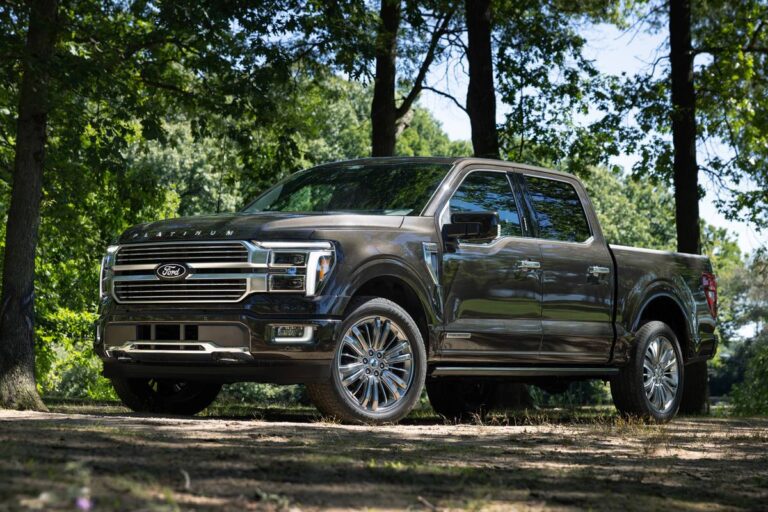
The Ultimate Guide to Finding Your Perfect Chassis Cab Truck For Sale
The Ultimate Guide to Finding Your Perfect Chassis Cab Truck For Sale Typestruck.Guidemechanic.com
In the dynamic world of commercial vehicles, few options offer the raw versatility and customization potential of a chassis cab truck. These robust workhorses are the unsung heroes of countless industries, providing a blank canvas upon which businesses build their specialized solutions. If you’re searching for "chassis cab trucks for sale," you’ve come to the right place.
This comprehensive guide will demystify the chassis cab, walk you through essential considerations, and equip you with the knowledge to make an informed purchase. Our goal is to transform you from a curious browser into a confident buyer, ready to invest in a vehicle that truly meets your operational demands. Let’s dive deep into the world of chassis cab trucks and discover why they might be the perfect foundation for your next business venture.
The Ultimate Guide to Finding Your Perfect Chassis Cab Truck For Sale
Understanding the Chassis Cab Truck: More Than Just a Frame
When you hear "truck," you likely picture a pickup with a bed. A chassis cab, however, is a distinctly different beast. It’s essentially a heavy-duty truck that comes from the manufacturer with a cabin and engine, but no rear body or bed.
What Exactly is a Chassis Cab?
Imagine a truck that stops just behind the driver’s cab. That’s a chassis cab. It consists of the frame rails, axles, wheels, engine, transmission, and the cab itself. The rear section is left open, ready for a specialized "upfit" or body to be installed by a third-party manufacturer.
This design is what gives chassis cabs their incredible adaptability. Unlike a standard pickup, which is limited by its integrated bed, a chassis cab can be transformed into almost any type of work vehicle imaginable. It’s a purposeful design for businesses that need more than just simple hauling.
The Unrivaled Versatility of Chassis Cabs
The true magic of a chassis cab lies in its potential. Because it lacks a factory-installed bed, it can be customized with a wide array of specialized equipment tailored to specific tasks. This adaptability makes them indispensable across numerous sectors.
From construction sites to utility service routes, and from urban delivery networks to emergency services, chassis cabs are everywhere. Their ability to integrate seamlessly with various specialized bodies ensures that businesses can acquire precisely the tool they need for their unique operations. This flexibility often makes them a smarter long-term investment than a fixed-purpose vehicle.
Why Choose a Chassis Cab Over a Standard Pickup?
While pickups are fantastic for personal use and light-duty hauling, chassis cabs are engineered for more demanding, specialized commercial applications. The distinction is crucial when considering your business needs.
Customization Power: Tailored Solutions for Specific Needs
The primary advantage of a chassis cab is its unparalleled customization. A standard pickup truck comes with a fixed bed, limiting its utility to general hauling. A chassis cab, on the other hand, is designed from the ground up to receive a specialized body.
This means you can outfit it with a dump body for landscaping, a service body for mobile repairs, a flatbed for heavy equipment transport, or even a box body for deliveries. You’re not buying a truck; you’re buying a platform for your specific business solution, which is a key differentiator when exploring "chassis cab trucks for sale."
Enhanced Durability & Capacity: Built for Heavy-Duty Work
Chassis cabs are generally built on heavier-duty frames than most consumer pickups. They are engineered to handle greater Gross Vehicle Weight Ratings (GVWR) and often feature more robust suspension systems, braking components, and stronger powertrains. This inherent strength is essential for carrying heavy upfits and substantial payloads day in and day out.
They are designed for continuous, rigorous commercial use, which translates to a longer service life and greater reliability under strenuous conditions. This structural integrity is critical for businesses whose operations depend on durable and capable vehicles.
Cost-Effectiveness (Long-Term): Specialized Tools Without Custom-Built Vehicle Expense
While the initial purchase of a chassis cab and its upfit might seem like a significant investment, it often proves more cost-effective in the long run than purchasing multiple specialized vehicles or modifying a standard pickup to perform tasks it wasn’t designed for. You get a purpose-built solution without the prohibitive cost of a fully custom-fabricated vehicle.
Furthermore, a well-maintained chassis cab, especially with a quality upfit, tends to hold its value well in the commercial market. Pro tip from us: Always consider the total cost of ownership, including fuel, maintenance, and potential resale value, when evaluating your options. A cheaper, less capable vehicle often costs more in breakdowns and inefficiencies over its lifetime.
Key Factors When Looking for Chassis Cab Trucks For Sale
Navigating the market for chassis cab trucks requires a detailed understanding of several critical specifications. These factors will directly impact the truck’s suitability for your specific operational requirements.
GVWR (Gross Vehicle Weight Rating): The Cornerstone of Capacity
The Gross Vehicle Weight Rating (GVWR) is perhaps the single most important specification for any commercial vehicle, especially a chassis cab. It represents the maximum permissible total weight of the truck, including the vehicle itself, its upfit, fuel, passengers, and cargo. You’ll find this number on the driver’s side door jamb.
Understanding your required GVWR is crucial. You must factor in the weight of the chassis cab, the chosen upfit, and the maximum anticipated payload. Common mistakes to avoid are underestimating your total weight, which can lead to overloading, premature wear, safety hazards, and even legal fines. Always err on the side of caution and choose a truck with a GVWR that comfortably exceeds your calculated needs.
Engine & Drivetrain Options: Powering Your Purpose
The engine and drivetrain are the heart and soul of your chassis cab. Your choice here will impact fuel efficiency, towing capacity, and overall performance.
- Gas vs. Diesel: Gasoline engines are typically less expensive upfront and often have lower maintenance costs for lighter-duty applications. Diesel engines, while more expensive initially, offer superior torque, better fuel efficiency under heavy loads, and exceptional durability, making them ideal for heavy-duty work and long hauls.
- 2WD vs. 4WD: Two-wheel drive (2WD) is sufficient for paved roads and light-duty applications. Four-wheel drive (4WD) is essential for off-road conditions, construction sites, snowy environments, or any situation requiring maximum traction.
- Transmission Types: Most modern chassis cabs offer automatic transmissions, which provide ease of use, especially for drivers who are not accustomed to manual shifting. Manual transmissions, though less common, can offer greater control and potentially better fuel economy for experienced drivers.
Cab Configuration: Comfort and Crew Capacity
Chassis cabs come in various cab configurations to suit different crew sizes and interior space needs.
- Regular Cab: The most basic option, offering seating for two or three occupants (driver plus one or two passengers) and minimal interior storage space. It’s often chosen when maximum payload or a shorter wheelbase is prioritized.
- Extended Cab: Provides additional space behind the front seats, typically with smaller rear jump seats or simply extra storage. Useful for carrying occasional extra passengers or more gear inside the cab.
- Crew Cab: Offers a full back seat, comfortably accommodating four to six occupants. Ideal for businesses that transport a work crew and need ample interior storage. This configuration will, however, reduce your cab-to-axle (CA) length and potentially impact the size of your upfit.
Wheelbase & Cab-to-Axle (CA) Length: Perfect Fit for Your Upfit
These two measurements are absolutely critical for ensuring your chosen upfit will properly fit your chassis cab.
- Wheelbase: The distance between the centers of the front and rear axles. A longer wheelbase generally provides a smoother ride and more stability, but can reduce maneuverability.
- Cab-to-Axle (CA) Length: This is the measurement from the back of the truck’s cab to the center of the rear axle. It dictates the maximum length of the body or equipment you can mount behind the cab. You must match the CA length of the chassis cab to the requirements of your specific upfit.
Based on my experience, neglecting these measurements is a common oversight that leads to costly mistakes and incompatible upfits. Always confirm these dimensions with your upfitter before purchasing the chassis cab.
Manufacturer & Model: Reputation and Reliability
Just like passenger vehicles, different manufacturers and models of chassis cabs have varying reputations for reliability, durability, and features. Popular brands in the North American market include Ford (F-Series Super Duty, F-650/750), Ram (3500, 4500, 5500), Chevrolet/GMC (Silverado/Sierra 3500HD, 4500HD, 5500HD), Isuzu, and Hino.
Consider factors like:
- Parts Availability: How easy is it to get replacement parts?
- Service Network: Is there a reliable dealership or service center nearby that specializes in commercial trucks?
- Resale Value: How well does the brand hold its value over time?
Based on my experience, investing in a reputable brand often translates to better long-term reliability and a stronger support network, which can be invaluable when your business depends on your fleet.
The Upfit: Transforming Your Chassis Cab
The chassis cab itself is only half the equation. The other, equally vital half, is the specialized body or "upfit" that turns it into a purpose-built commercial tool. This is where your investment truly becomes functional.
Common Upfit Types: Matching the Tool to the Task
The variety of upfits available is vast, each designed for specific industries and tasks.
- Dump Trucks: Essential for construction, landscaping, and waste management, allowing for efficient loading and unloading of bulk materials.
- Flatbeds: Ideal for hauling oversized or irregularly shaped cargo, equipment, and building materials that don’t require enclosed protection.
- Service/Utility Bodies: Featuring multiple compartments and often equipped with cranes or generators, these are mobile workshops for electricians, plumbers, telecom technicians, and other field service professionals.
- Box Trucks: Enclosed bodies for secure transport of goods, common in delivery services, moving companies, and general freight.
- Tow Trucks: Specialized bodies designed for vehicle recovery and transport, ranging from light-duty wreckers to heavy-duty rotators.
- Crane Trucks: Equipped with hydraulic cranes for lifting and placing heavy objects, crucial in construction, infrastructure, and heavy equipment maintenance.
Choosing the Right Upfit Partner: Quality and Warranty
Selecting the right upfit is as important as choosing the right chassis cab. It’s crucial to work with a reputable upfitter who understands your needs and has a proven track record of quality workmanship.
- Experience and Reputation: Look for upfitters with extensive experience in your specific industry. Read reviews and ask for references.
- Customization Options: Can they provide the exact features and configurations you need?
- Warranty: Understand the warranty on the upfit itself. A good upfitter will stand behind their product.
- Integration: Ensure the upfitter understands how to properly integrate their body with the chassis cab, considering electrical systems, weight distribution, and safety standards.
New vs. Used Chassis Cab Trucks For Sale
Deciding between a new or used chassis cab is a significant financial and operational consideration. Both options present distinct advantages and disadvantages.
Buying New: Fresh Start, Full Customization
- Pros: You get the latest technology, safety features, and engine advancements. A full manufacturer’s warranty provides peace of mind. You can fully customize the chassis cab and upfit from scratch, ensuring it perfectly meets your specifications.
- Cons: Higher initial purchase price and significant depreciation in the first few years. There might be a lead time for manufacturing and upfitting, delaying deployment.
Buying Used: Value and Immediate Availability
- Pros: Significantly lower initial cost, making it an attractive option for budget-conscious businesses or startups. Used trucks, especially those already upfitted, can be available immediately, saving you time. Depreciation has already occurred, so the resale value might be more stable.
- Cons: Unknown vehicle history is a major concern; you might inherit maintenance issues or hidden damage. Warranties, if available, are typically limited. You may have to compromise on certain features or the exact upfit configuration.
Pro tip from us: If you’re considering "used chassis cab trucks for sale," a comprehensive pre-purchase inspection by an independent, certified mechanic specializing in commercial vehicles is non-negotiable. This inspection should cover the engine, transmission, brakes, suspension, frame, and any existing upfit. A common mistake to avoid is skipping this crucial step to save a few hundred dollars, only to face thousands in unexpected repairs down the line.
Where to Find Chassis Cab Trucks For Sale
Once you know what you’re looking for, the next step is finding it. The market for commercial vehicles is diverse, offering several avenues for purchase.
Dealerships: New and Used Options
- Commercial Truck Dealerships: These specialized dealerships focus exclusively on commercial vehicles. They have knowledgeable sales staff, a wide inventory of new and often used chassis cabs, and can guide you through financing and upfitting options. Many also have dedicated commercial service departments.
- Standard Automotive Dealerships: While primarily selling passenger vehicles, many larger dealerships will have a commercial sales division or at least a selection of chassis cab models from their brand.
Online Marketplaces: Broad Selection, Convenient Browsing
- Specialized Commercial Truck Websites: Sites like CommercialTruckTrader.com, TruckPaper.com, and other industry-specific platforms offer extensive listings of new and used chassis cabs from dealers and private sellers across the country.
- General Automotive Marketplaces: Websites like Autotrader.com or Cars.com also feature commercial vehicle sections, though the selection might be less specialized.
Auctions: Potential Bargains, Higher Risk
- Government/Fleet Auctions: Agencies and large corporations often sell off their aging fleet vehicles through public auctions. You can find well-maintained trucks, but often sold "as-is."
- Salvage Auctions: These carry the highest risk but can offer significant savings for those with the expertise to repair damaged vehicles. This is generally not recommended for primary business vehicles.
For more detailed strategies on navigating online listings, you might find our guide on Tips for Buying Commercial Vehicles Online (Internal Link Placeholder 1) particularly helpful.
Financing Your Chassis Cab Truck
Acquiring a commercial vehicle, especially a chassis cab with an upfit, represents a significant investment. Understanding your financing options is crucial for managing your budget and cash flow.
Traditional Bank Loans
Most commercial banks offer term loans for vehicle purchases. These typically involve a down payment and fixed monthly payments over a set period. Interest rates will depend on your business’s creditworthiness and the loan term.
Dealership Financing
Many commercial dealerships offer in-house financing or work with a network of lenders. This can be convenient, as they often streamline the application process and may have special promotional rates.
Commercial Vehicle Leases
Leasing is a popular option for businesses that prefer lower monthly payments, want to avoid the burden of ownership, or regularly upgrade their fleet. Leases often have tax advantages and can help preserve working capital.
SBA Loans
The Small Business Administration (SBA) offers various loan programs designed to help small businesses access capital, including for vehicle purchases. These loans often come with favorable terms and can be a great option for qualifying businesses.
Based on my experience, it’s always wise to explore multiple financing avenues. Obtain quotes from your bank, the dealership, and potentially a third-party commercial lender. Comparing interest rates, terms, and conditions can save your business a substantial amount over the life of the loan or lease. Don’t be afraid to negotiate!
Maintenance and Longevity for Your Chassis Cab
A chassis cab is a workhorse, and like any valuable asset, it requires diligent care to ensure maximum longevity and reliability. Proper maintenance is not just about avoiding breakdowns; it’s about maximizing your investment and operational efficiency.
Regular Servicing: The Backbone of Reliability
Adhere strictly to the manufacturer’s recommended service schedule. This includes routine oil changes, filter replacements (air, fuel, oil), fluid checks (transmission, brake, coolant), and tire rotations. For commercial vehicles, these intervals might be more frequent than for personal cars, given the heavier loads and more demanding operating conditions.
Ignoring these basic services is a surefire way to shorten the lifespan of your truck and incur costly major repairs down the road. Regular inspections can also catch minor issues before they escalate.
Upfit-Specific Maintenance: Don’t Forget the Body
Remember, your upfit is a critical component of your chassis cab’s functionality. It also requires its own maintenance.
- Hydraulic Systems: If your upfit includes a dump body, crane, or liftgate, regularly inspect hydraulic lines, cylinders, and fluid levels. Leaks or low fluid can lead to system failure.
- Moving Parts: Lubricate hinges, latches, and any other moving components on service bodies or box truck doors.
- Structural Integrity: Periodically inspect the upfit for cracks, corrosion, or damage, especially at mounting points. Address any issues promptly to prevent further deterioration.
For comprehensive maintenance guidelines, you can often refer to official sources like the National Highway Traffic Safety Administration (NHTSA) for safety standards or directly to the manufacturer’s maintenance guides. Here’s a link to Ram Trucks’ commercial vehicle resources for example. (External Link Placeholder)
Driver Training: Proper Operation Extends Vehicle Life
A well-maintained truck can still suffer premature wear and tear if not operated correctly. Investing in proper driver training can significantly extend the life of your chassis cab and its upfit. This includes:
- Understanding GVWR and Payload: Ensuring drivers never overload the vehicle.
- Proper Loading Techniques: Distributing weight correctly to maintain stability and prevent undue stress on components.
- Safe Operating Procedures: Training on the specific functionality of the upfit (e.g., operating a crane, raising a dump bed) to prevent damage and accidents.
Conclusion: Your Journey to the Perfect Chassis Cab Starts Here
Chassis cab trucks represent an incredible opportunity for businesses seeking specialized, durable, and highly customizable commercial vehicles. From their robust frames to the endless possibilities of their upfits, they are designed to be the backbone of your operations. When you’re looking for "chassis cab trucks for sale," you’re not just buying a vehicle; you’re investing in a mobile solution tailored to your success.
By carefully considering factors like GVWR, engine options, cab configuration, and the perfect upfit, you can make an informed decision that pays dividends for years to come. Remember the importance of thorough research, pre-purchase inspections for used vehicles, and exploring all financing options. With the right chassis cab, your business will be equipped to tackle any challenge, efficiently and reliably.
Ready to optimize your fleet and boost your operational efficiency? Start your search for the ideal chassis cab truck today, armed with the knowledge to make a truly smart investment. For more insights on maximizing the value of your commercial assets, don’t forget to check out our article on Maximizing Your Commercial Truck’s Resale Value (Internal Link Placeholder 2).