The Ultimate Guide to Finding Your Perfect 3/4 Ton Regular Cab Truck For Sale
The Ultimate Guide to Finding Your Perfect 3/4 Ton Regular Cab Truck For Sale Typestruck.Guidemechanic.com
For many professionals and serious hobbyists, a truck isn’t just a vehicle; it’s an indispensable tool, a partner in productivity, and a testament to hard work. Among the vast array of pickups available, the 3/4 ton regular cab truck holds a special place. It’s a no-nonsense workhorse, engineered for capability, durability, and straightforward utility. If you’re searching for "3/4 ton regular cab trucks for sale," you’re likely looking for a vehicle that can tackle the toughest jobs without unnecessary frills.
This comprehensive guide will delve deep into everything you need to know about these robust machines. We’ll explore their unique advantages, critical considerations for purchase, where to find them, and how to make an informed decision that perfectly aligns with your needs and budget. Our goal is to equip you with expert insights, ensuring you find the ideal 3/4 ton regular cab truck that will serve you faithfully for years to come.
The Ultimate Guide to Finding Your Perfect 3/4 Ton Regular Cab Truck For Sale
Understanding the 3/4 Ton Regular Cab Designation
Before diving into the specifics of buying, it’s essential to clarify what "3/4 ton" and "regular cab" truly signify in today’s truck market. These terms, while rooted in historical payload ratings, have evolved to represent a specific class of vehicle designed for heavy-duty tasks.
Historically, a "3/4 ton" truck referred to a vehicle with a payload capacity of approximately 1,500 pounds (or 0.75 tons). While this specific weight rating is largely outdated, the "3/4 ton" designation (often referred to as 2500/250 series) now broadly categorizes trucks with a Gross Vehicle Weight Rating (GVWR) typically ranging from 8,500 to 10,000 pounds. This GVWR indicates the maximum permissible total weight of the truck, including the vehicle itself, passengers, cargo, and any accessories.
A "regular cab" truck, on the other hand, is defined by its single row of seating and two doors. It’s the most traditional truck configuration, prioritizing a longer bed and a more compact overall footprint over passenger space. This combination—a heavy-duty chassis with a minimalist cabin—is precisely what makes 3/4 ton regular cab trucks so appealing to a specific segment of buyers.
Based on my experience in the automotive industry, many buyers initially misunderstand these designations. It’s crucial to remember that a 3/4 ton truck today is about far more than just 1,500 lbs of payload; it’s about a significantly reinforced frame, more robust suspension, larger brakes, and stronger axles than its 1/2 ton counterparts.
Why Choose a 3/4 Ton Regular Cab Truck? Key Benefits
Opting for a 3/4 ton regular cab truck isn’t just a choice; it’s often a strategic decision for those who demand serious capability without compromise. These trucks offer a distinct set of advantages that make them ideal for specific applications.
1. Unmatched Durability and Longevity
At their core, 3/4 ton trucks are built for the long haul and the heavy lift. They feature stronger frames, more robust suspension components, and heavier-duty axles compared to lighter trucks. This inherent over-engineering translates directly into superior durability and an extended lifespan, especially when subjected to rigorous work environments.
The regular cab configuration further enhances this longevity. With fewer complex electronics, fewer moving parts in the interior (like rear doors or power sliding windows), there’s simply less to wear out or break down over time. This simplicity means your truck can endure years of demanding use, often outlasting more complex vehicles.
2. Exceptional Towing and Hauling Capability
This is arguably the primary reason most people seek out 3/4 ton regular cab trucks for sale. Their higher GVWR allows for significantly greater payload capacities, making them perfect for carrying heavy tools, materials, or even a slide-in camper. More importantly, their beefed-up chassis and powertrain are designed to handle substantial towing loads.
Whether you’re pulling a large enclosed trailer, a fifth-wheel RV, a boat, or heavy construction equipment, a 3/4 ton truck provides the necessary muscle and stability. Understanding the Gross Combined Weight Rating (GCWR) – the maximum permissible total weight of the loaded truck and its attached trailer – is crucial here. These trucks excel at maximizing this figure, making them indispensable for serious towing.
3. Simplicity and Reliability
In an age where vehicles are increasingly packed with complex technology, the regular cab 3/4 ton often represents a refreshing return to core functionality. Many models are available in more basic, work-oriented trims that prioritize reliability over luxury. Fewer electronic gadgets mean fewer potential points of failure, which can translate to lower maintenance costs and greater peace of mind on the job site.
Pro tips from us: While modern trucks still have advanced systems, a base model regular cab typically features a more streamlined electrical architecture than a fully loaded crew cab, enhancing its long-term reliability for purely utilitarian purposes.
4. Superior Maneuverability
With only a single cab and often a shorter wheelbase compared to their extended or crew cab counterparts, regular cab trucks offer better maneuverability. This is a significant advantage when navigating tight job sites, crowded urban environments, or when parking in challenging spaces. The reduced turning radius can save valuable time and prevent frustrating re-positioning, especially when backing up with a trailer.
For anyone who frequently works in confined areas, the ability to turn sharply and fit into smaller spaces without sacrificing towing or hauling power is a major benefit that cannot be overstated.
5. Cost-Effectiveness
Compared to larger crew cab configurations, 3/4 ton regular cab trucks are often more budget-friendly both at the point of purchase and over their lifespan. They typically have a lower sticker price when new, and used models can represent exceptional value. Their simpler construction can also lead to lower insurance premiums and potentially better fuel economy (relative to larger, heavier crew cabs, though still heavy-duty).
For businesses and individuals focused on maximizing their return on investment from a work vehicle, the cost-effectiveness of a regular cab 3/4 ton truck makes it a very attractive proposition. You get maximum capability without paying for unused passenger space.
6. Purpose-Built for Work
Ultimately, a 3/4 ton regular cab truck is a purpose-built tool. It’s designed from the ground up to be a workhorse, not a luxury cruiser. This focus means every component, from the frame to the powertrain, is optimized for heavy-duty performance and reliability. They are the go-to choice for contractors, farmers, landscapers, utility companies, and anyone else whose livelihood depends on a truck that performs flawlessly day in and day out.
Key Considerations Before Buying Your 3/4 Ton Regular Cab Truck
Purchasing a 3/4 ton regular cab truck is a significant investment. To ensure you make the best decision, it’s crucial to carefully consider several factors that will impact your truck’s suitability for your specific needs.
1. Budget: New vs. Used
Your budget will largely dictate your options. New 3/4 ton regular cab trucks offer the latest technology, full warranties, and customization options. However, they come with a higher price tag and rapid depreciation in the initial years.
Used 3/4 ton regular cab trucks for sale can offer tremendous value. You can often get a more capable trim level or a newer model year for the same price as a base new truck. The key with used vehicles is thorough inspection and understanding the vehicle’s history. Common mistakes to avoid are purchasing a used truck without a detailed pre-purchase inspection from a trusted mechanic.
2. Intended Use
This is perhaps the most critical consideration. What will you primarily use the truck for?
- Heavy Towing: If you’re consistently pulling large trailers, prioritize models with high towing capacities, robust cooling systems, and potentially a diesel engine.
- Heavy Hauling/Payload: For carrying heavy materials in the bed, focus on payload ratings and bed length. A long bed (8-foot) is often preferred for work.
- Off-Roading/Job Site Access: 4WD is essential for rough terrain.
- Daily Driving: While capable, remember a 3/4 ton regular cab is a work truck. If it’s also your primary commuter, consider comfort features like infotainment and better seats.
3. Engine Options: Diesel vs. Gas
The engine choice is monumental for 3/4 ton trucks.
- Gasoline Engines: Typically more affordable upfront, simpler maintenance, and quicker warm-ups in cold weather. They are excellent for intermittent heavy use or lighter towing. Modern gas engines in 3/4 tons are very powerful.
- Diesel Engines: Offer superior torque, which is ideal for sustained heavy towing and hauling, especially at higher altitudes. They also tend to be more fuel-efficient under load and have a longer lifespan. However, diesels come with a higher purchase price, more expensive maintenance, and more complex emissions systems.
Based on my experience, if you’re towing over 10,000 lbs regularly or for long distances, a diesel engine is almost always the better choice for its effortless power and durability.
4. Drivetrain: 2WD vs. 4WD
- Two-Wheel Drive (2WD): Generally more affordable, slightly better fuel economy, and simpler maintenance. Ideal if you operate primarily on paved roads or dry, stable surfaces.
- Four-Wheel Drive (4WD): Essential for off-road conditions, snow, mud, or slippery job sites. It adds complexity, weight, and cost, but provides invaluable traction when needed.
5. Bed Length
Regular cab trucks typically come with either a standard bed (around 6.5 feet) or a long bed (8 feet).
- Standard Bed: Offers slightly better maneuverability.
- Long Bed: Crucial for hauling full sheets of plywood, longer pipes, or mounting large toolboxes or fifth-wheel hitches. For most work applications, the 8-foot bed is the preferred choice.
6. GVWR, Payload, and Towing Capacity
These are the absolute critical numbers. Always check the specific truck’s door jamb sticker for its actual GVWR and payload capacity, and consult the owner’s manual or manufacturer’s towing guide for accurate towing figures. Never rely solely on general "3/4 ton" ratings. Exceeding these limits is dangerous and illegal.
7. Maintenance History (for Used Trucks)
A comprehensive service record is gold when buying a used 3/4 ton regular cab truck. Look for consistent oil changes, transmission fluid services, brake maintenance, and any significant repairs. A well-maintained truck will save you headaches and money down the line. If records are unavailable, a pre-purchase inspection becomes even more vital.
8. Features and Technology
While regular cabs often lean towards simplicity, modern 3/4 ton trucks still offer a range of features. Decide what’s essential:
- Basic Work Truck: Vinyl seats, crank windows, basic radio.
- Comfort/Convenience: Power windows/locks, air conditioning, cruise control, Bluetooth, backup camera.
- Towing Aids: Integrated trailer brake controller, tow/haul mode, extendable mirrors.
Pro tips from us: Even for a work truck, a backup camera is an invaluable safety and convenience feature, especially when hitching trailers.
Where to Find 3/4 Ton Regular Cab Trucks For Sale
Once you’ve narrowed down your requirements, the next step is finding available vehicles. You have several avenues to explore when searching for 3/4 ton regular cab trucks for sale.
1. Dealerships (New & Used)
- New Car Dealerships: Offer the latest models, full warranties, and financing options. They often have a selection of new regular cab trucks in various trims.
- Used Car Dealerships: Can have a broader inventory, including older models and different brands. They may also offer certified pre-owned (CPO) options with extended warranties.
- Pros: Professional sales process, financing, trade-in options, often some form of warranty.
- Cons: Higher prices than private sellers, sales pressure.
2. Private Sellers
- Often found through online classifieds (Craigslist, Facebook Marketplace) or local ads.
- Pros: Potentially lower prices, direct negotiation with the owner.
- Cons: No warranty, "as-is" sale, more risk involved, you’re responsible for all paperwork. Requires extra diligence in inspection and history checks.
3. Online Marketplaces
Websites like AutoTrader, Cars.com, and eBay Motors are excellent resources. They aggregate listings from both dealerships and private sellers across a wide geographical area.
- Pros: Vast selection, powerful search filters (e.g., "regular cab," "3/4 ton," specific model year), ability to compare multiple listings side-by-side.
- Cons: Can be overwhelming, still requires travel for inspection.
4. Auctions
Government auctions, fleet auctions, and salvage auctions can sometimes yield great deals on 3/4 ton regular cab trucks. These are often ex-fleet vehicles that have been well-maintained.
- Pros: Potentially very low prices.
- Cons: "Buyer beware" environment, often no opportunity for test drives or thorough inspections, vehicles usually sold "as-is" with no recourse. Best for experienced buyers or those with a mechanic on standby.
5. Specialty Truck Dealers
Some dealerships specialize specifically in work trucks, commercial vehicles, or heavy-duty pickups. They might have a better understanding of your specific needs and a more tailored inventory.
The Buying Process: A Step-by-Step Guide
Navigating the purchase of a 3/4 ton regular cab truck requires a systematic approach. Follow these steps to ensure a smooth and successful transaction.
1. Research and Define Your Needs
Start by identifying the specific models that fit your criteria. The primary players in the 3/4 ton regular cab segment are the Ford F-250, Ram 2500, Chevrolet Silverado 2500HD, and GMC Sierra 2500HD. Look into their engine options, available bed lengths, and common features for the model years you’re considering. Read reviews, watch videos, and understand their typical reliability.
2. Set Your Budget (and Stick to It)
Beyond the purchase price, factor in sales tax, registration fees, insurance, and potential immediate maintenance (for used trucks). Also, consider the ongoing costs of fuel and regular servicing.
3. Locate Potential Trucks
Use the resources mentioned above to find trucks that match your criteria. Create a shortlist of promising candidates within a reasonable travel distance.
4. Initial Inquiry and Verification
Before driving out to see a truck, make initial contact. Ask specific questions:
- Why are they selling?
- Any known mechanical issues?
- Maintenance history available?
- What is the exact trim level and mileage?
- Confirm it’s a regular cab and 3/4 ton.
5. Thorough Inspection (Critical for Used Trucks)
This step cannot be overemphasized.
- Exterior: Check for rust (especially on the frame, rocker panels, and wheel wells), dents, scratches, panel alignment (indicating previous accidents), and tire condition.
- Interior: Look for wear and tear on seats, steering wheel, and pedals. Test all electronics, lights, and HVAC. Ensure all seatbelts work.
- Under the Hood: Check fluid levels (oil, coolant, brake, power steering), look for leaks, corrosion on battery terminals, and signs of poor maintenance.
- Underneath: Inspect the frame for bends, cracks, or severe rust. Check suspension components, exhaust system, and drivetrain for damage or leaks.
Common mistakes to avoid are rushing the inspection or skipping it entirely. Always arrange for a pre-purchase inspection (PPI) by an independent, certified mechanic. This small investment can save you thousands in unexpected repairs.
6. The Test Drive
A comprehensive test drive is essential.
- Cold Start: Listen for any unusual noises.
- Acceleration: How does it pull?
- Braking: Does it stop smoothly and straight? Any grinding or pulsing?
- Steering: Is it responsive? Any looseness or pulling?
- Transmission: Does it shift smoothly through all gears (both up and down)? No slipping or harsh shifts.
- Listen: Pay attention to any strange clunks, squeaks, or rattles over bumps or at speed.
- Test 4WD: If equipped, engage 4WD in a safe, unpaved area to ensure it works.
7. Vehicle History Report (for Used Trucks)
Always obtain a CarFax or AutoCheck report using the VIN. This report can reveal:
- Previous accidents or salvage titles.
- Mileage discrepancies.
- Number of previous owners.
- Service history (sometimes).
- Flood or fire damage.
8. Negotiation
Be prepared to negotiate the price. Research market values for similar 3/4 ton regular cab trucks for sale in your area. Be firm but polite, and don’t be afraid to walk away if you can’t reach a fair price.
9. Financing and Insurance
Secure your financing and get insurance quotes before finalizing the purchase. This ensures you know your total monthly cost and are protected from the moment you take ownership.
10. Finalizing the Sale
Carefully review all paperwork, including the bill of sale, title, and any warranty documents. Ensure all details are correct before signing. Complete the title transfer and registration processes promptly.
Popular Models to Consider
When searching for 3/4 ton regular cab trucks for sale, you’ll primarily encounter offerings from the "Big Three" American manufacturers, each with its loyal following and distinct characteristics.
- Ford F-250 Regular Cab: A perennial favorite, known for its robust Power Stroke diesel engine option, impressive towing figures, and a wide range of available trims even in the regular cab configuration. Ford trucks often feature strong chassis and extensive safety features.
- Ram 2500 Regular Cab: Praised for its powerful Cummins diesel engine, comfortable ride (especially with the optional air suspension), and refined interior even in work-focused trims. Ram trucks often blend capability with unexpected creature comforts.
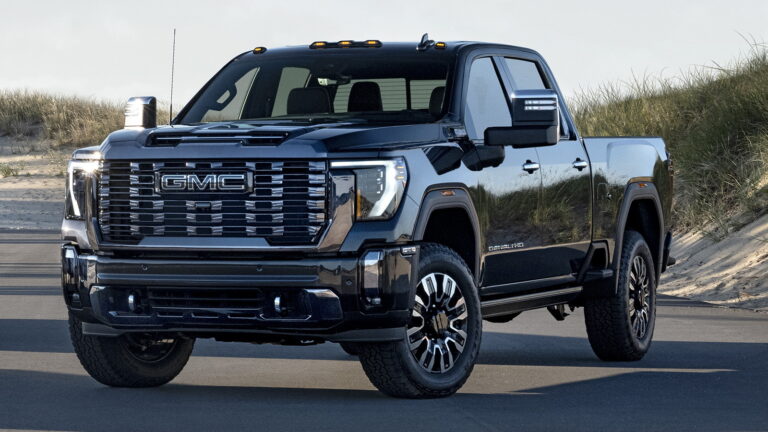
- Chevrolet Silverado 2500HD Regular Cab / GMC Sierra 2500HD Regular Cab: These twins offer potent gas (6.6L V8) and Duramax diesel engine options, excellent trailering technologies, and a proven track record of reliability. GMC models typically offer a more premium feel, even in their regular cab versions.
Each of these trucks offers competitive capabilities. Your choice will often come down to brand preference, specific engine requirements, and the availability of features that are most important to you.
Maximizing the Value of Your 3/4 Ton Regular Cab
Once you’ve purchased your ideal 3/4 ton regular cab truck, ensuring its longevity and maximizing its value requires ongoing effort.
1. Adhere to Regular Maintenance Schedules
This is non-negotiable for a heavy-duty work truck. Follow the manufacturer’s recommended service intervals for oil changes, fluid checks (transmission, differential, coolant), tire rotations, and brake inspections. Neglecting maintenance is the fastest way to shorten your truck’s lifespan and incur costly repairs.
2. Practice Proper Loading and Towing
Always stay within the truck’s specified payload and towing capacities. Overloading puts undue stress on the engine, transmission, brakes, and suspension, leading to premature wear and potential safety hazards. Use proper weight distribution hitches when necessary.
3. Consider Sensible Aftermarket Upgrades
Focus on upgrades that enhance functionality and protection.
- Bed Liner: Essential for protecting the bed from damage.
- Toolboxes/Storage: Keeps tools organized and secure.
- Upgraded Hitch: If you have specialized towing needs.
- Running Boards/Side Steps: Improve cabin access.
Avoid unnecessary performance modifications that could void warranties or compromise reliability, especially on a work truck.
4. Rust Prevention
If you live in an area with harsh winters or coastal environments, rust can be a major enemy. Regularly wash your truck, especially underneath, to remove salt and grime. Consider applying undercoating or rust inhibitors to protect the frame and vulnerable components.
Future Trends in Work Trucks
While the core functionality of 3/4 ton regular cab trucks remains steadfast, the industry is constantly evolving. We can expect to see:
- Increased Electrification: Hybrid and fully electric heavy-duty trucks are on the horizon, promising lower emissions and potentially reduced operating costs.
- Advanced Safety Features: More sophisticated driver-assist systems like adaptive cruise control, lane-keeping assist, and enhanced blind-spot monitoring will become standard.
- Enhanced Connectivity: Integrated telematics, improved infotainment systems, and over-the-air updates will become more common, even in work-focused vehicles.
- Lighter Materials: Manufacturers will continue to explore lighter, stronger materials to improve fuel efficiency and increase payload capacity without sacrificing durability.
Conclusion
Finding the perfect 3/4 ton regular cab truck for sale is about making an informed decision that balances capability, reliability, and value. These purpose-built machines are designed to be true workhorses, offering unparalleled towing and hauling prowess, robust durability, and straightforward operation. By understanding their unique advantages, carefully considering your specific needs, and following a diligent buying process, you can confidently select a truck that will be a valuable asset for years to come.
Whether you’re a seasoned contractor, a dedicated farmer, or an individual with demanding hauling requirements, the right 3/4 ton regular cab truck will prove to be an indispensable partner. Start your search today, armed with the knowledge from this guide, and prepare to put a truly capable machine to work. Your next heavy-duty companion is out there, ready to tackle any challenge you throw its way.
External Link: For the latest specifications and safety ratings on new 3/4 ton trucks, always consult the official manufacturer websites, such as Ford’s official truck page or similar for Ram, Chevrolet, and GMC.