The Ultimate Guide to Finding Trucks For Sale With Tow Package: Your Road to Unrestricted Adventure
The Ultimate Guide to Finding Trucks For Sale With Tow Package: Your Road to Unrestricted Adventure Typestruck.Guidemechanic.com
The open road calls, the project list grows, and your weekend warrior dreams are within reach. But to truly conquer these ambitions, you need the right vehicle – a truck equipped for the job. Specifically, you need a truck with a tow package. For many, the phrase "trucks for sale with tow package" is more than just a search query; it’s a gateway to utility, capability, and endless possibilities.
This comprehensive guide is designed to transform you from a hopeful browser into an informed buyer. We’ll delve deep into what a tow package truly entails, why it’s critical, and how to navigate the market to find the perfect tow-ready truck that meets your needs and budget. Prepare to unlock the full potential of truck ownership.
The Ultimate Guide to Finding Trucks For Sale With Tow Package: Your Road to Unrestricted Adventure
Understanding the "Tow Package": More Than Just a Hitch
When you hear "tow package," your mind might immediately go to the visible hitch receiver at the back of a truck. While that’s a crucial component, a genuine tow package is a much more intricate system of integrated upgrades designed to ensure safe, efficient, and stress-free towing. It’s about engineering the entire vehicle to handle the additional stress of hauling heavy loads.
Based on my experience in the automotive industry, many buyers mistakenly think they can simply bolt on a hitch and be ready to tow. This oversight can lead to serious safety issues, premature wear on vehicle components, and even legal complications. A true factory-installed tow package offers a holistic solution.
Key Components of a Comprehensive Tow Package:
- Heavy-Duty Hitch Receiver: This is the visible attachment point for your trailer. Tow packages typically include a Class III, IV, or V receiver, rated for specific weight capacities. Matching the hitch class to your towing needs is paramount.
- Integrated Wiring Harness: Modern trailers require electrical connections for lights, turn signals, and sometimes auxiliary power. A tow package includes a factory-installed wiring harness, usually a 4-pin or 7-pin connector, ensuring seamless communication between your truck and trailer.
- Trailer Brake Controller: This essential safety device allows you to manually or automatically apply the trailer’s brakes, synchronized with your truck’s braking system. An integrated controller offers superior performance and safety compared to aftermarket plug-in units.
- Heavy-Duty Cooling Systems: Towing puts immense strain on a truck’s engine and transmission. A proper tow package often includes upgraded radiators, transmission coolers, and sometimes even engine oil coolers to prevent overheating under load.
- Upgraded Suspension Components: To handle increased tongue weight and maintain stability, trucks with tow packages typically feature heavy-duty springs, shocks, and sometimes stabilizer bars. This minimizes sag and improves handling.
- Larger Alternator: Supplying power to the truck, trailer lights, and a trailer brake controller requires more electrical output. A larger alternator ensures all systems receive adequate power without strain.
- Towing Mirrors: While sometimes optional, extended or telescoping towing mirrors significantly improve visibility around a wide trailer. They are an invaluable safety feature, especially for larger setups.
Pro tips from us: Always verify what specific components are included in a truck’s tow package. Don’t assume; ask for a detailed list. This due diligence ensures you’re getting a truly capable vehicle.
Why a Factory Tow Package is a Smart Choice
Opting for a truck with a factory-installed tow package offers significant advantages over piecing together aftermarket components. These benefits span safety, performance, warranty, and even resale value. It’s an investment in peace of mind and long-term capability.
Factory packages are designed and engineered by the vehicle manufacturer to integrate seamlessly with the truck’s existing systems. This ensures optimal performance and reliability, as every component is tested and validated as a cohesive unit.
Advantages of Factory-Installed Tow Packages:
- Seamless Integration: All components are designed to work together, from the wiring to the cooling systems. This prevents compatibility issues and ensures reliable operation.
- Warranty Protection: Factory-installed components are covered by the vehicle’s original warranty, unlike many aftermarket additions. This provides crucial protection against defects or failures.
- Optimized Performance: Engineers fine-tune the truck’s engine, transmission, and braking systems to account for the added stress of towing. This results in better power delivery, smoother shifting, and more effective braking.
- Enhanced Safety: Features like integrated trailer brake controllers and trailer sway control are often factory-calibrated for maximum effectiveness, significantly improving towing safety.
- Higher Resale Value: Trucks with factory tow packages are generally more desirable in the used market, commanding higher resale values due to their proven capability and completeness.
Common mistakes to avoid are underestimating the complexity of towing and opting for cheaper, incomplete aftermarket solutions. While some aftermarket parts are high-quality, they rarely offer the same level of integrated engineering as a factory package.
Key Factors to Consider When Buying a Truck with a Tow Package
Finding the perfect tow-ready truck involves more than just liking the color. You need to meticulously evaluate its capabilities against your specific towing and hauling needs. Understanding the jargon and critical specifications will empower you to make an informed decision.
Based on my years helping customers select vehicles, the biggest pitfall is often over-specifying or, more dangerously, under-specifying. Matching the truck’s capability to your realistic maximum load is paramount for safety and longevity.
Critical Specifications to Evaluate:
-
Towing Capacity:
- This is the maximum weight a truck can safely pull. It’s often the first number buyers look at, but it’s crucial to understand what it truly represents.
- Gross Trailer Weight (GTW): The total weight of your loaded trailer.
- Gross Combined Weight Rating (GCWR): The maximum allowable weight of the fully loaded truck and trailer combined.
- Tongue Weight: The downward force exerted by the trailer coupler on the hitch ball. This should typically be 10-15% of the GTW.
- Pro Tip: Never exceed the lowest rating of any component in your towing setup (truck, hitch, ball, trailer). Always leave a safety margin; don’t buy a truck rated exactly for your maximum load.
-
Payload Capacity:
- This is often confused with towing capacity. Payload is the maximum amount of weight a truck can carry in its bed and cab, including passengers, cargo, and the tongue weight of your trailer.
- Many people forget to factor in the weight of passengers and gear when calculating payload. Exceeding payload capacity is just as dangerous as exceeding towing capacity.
-
Engine and Transmission:
- Engine Type:
- Gasoline Engines: Generally less expensive, lighter, and quicker to rev. Good for occasional towing and lighter loads.
- Diesel Engines: Offer superior torque, better fuel economy when towing heavy loads, and excellent durability. They are typically more expensive upfront and for maintenance.
- Transmission: Look for heavy-duty automatic transmissions with a "tow/haul" mode. This mode adjusts shift points to reduce hunting for gears, improves engine braking, and keeps the transmission cooler.
- Engine Type:
-
Axle Ratio:
- This ratio (e.g., 3.73, 4.10) indicates how many times the drive shaft turns for each rotation of the wheel.
- A "lower" numerical ratio (e.g., 3.21) is better for fuel economy but reduces towing capability. A "higher" numerical ratio (e.g., 4.10) provides more torque for towing but sacrifices some fuel efficiency.
- For serious towing, a higher (numerically) axle ratio is often preferred.
-
Braking System:
- Towing significantly increases the demands on a truck’s brakes. Look for trucks with larger rotors, heavy-duty calipers, and advanced ABS systems.
- An integrated trailer brake controller is a non-negotiable safety feature for trailers with electric brakes.
-
Safety Features:
- Modern trucks offer a suite of towing-specific safety features.
- Trailer Sway Control: Automatically applies brakes to individual wheels or reduces engine power to mitigate trailer sway.
- Blind-Spot Monitoring with Trailer Coverage: Extends the blind-spot detection area to include the length of your hitched trailer.
- Backup Camera with Trailer Hitch Assist: Makes hooking up a trailer significantly easier.
-
Fuel Economy:
- While towing, fuel economy will always decrease significantly. Consider the cost of fuel for your intended towing trips. Diesel engines often offer better MPG when pulling heavy loads.
Our team of experts often advises that understanding these nuances will prevent future headaches and ensure you select a truck that truly fits your lifestyle and work demands.
Popular Truck Models Known for Towing Prowess
When searching for "trucks for sale with tow package," you’ll encounter several dominant players known for their robust towing capabilities. Each brand offers a range of models, from light-duty to heavy-duty, designed to cater to various towing needs.
Having spent years observing the market, it’s clear that certain manufacturers consistently deliver on towing performance and reliability. While specific model year capabilities vary, the core strengths remain consistent across their lineups.
Leading Truck Brands and Their Towing Strengths:
- Ford F-Series (F-150, Super Duty F-250/F-350): Often considered the benchmark for towing, Ford trucks offer a wide range of powerful engines (EcoBoost V6, V8, Power Stroke Diesel) and advanced towing technologies like Pro Trailer Backup Assist. Their Super Duty line is legendary for its heavy-duty hauling.
- Ram Trucks (1500, 2500/3500): Ram is renowned for its comfortable rides and powerful engines, especially the available Cummins Turbo Diesel. Their integrated towing technology and luxurious interiors make them a favorite for those who tow frequently.
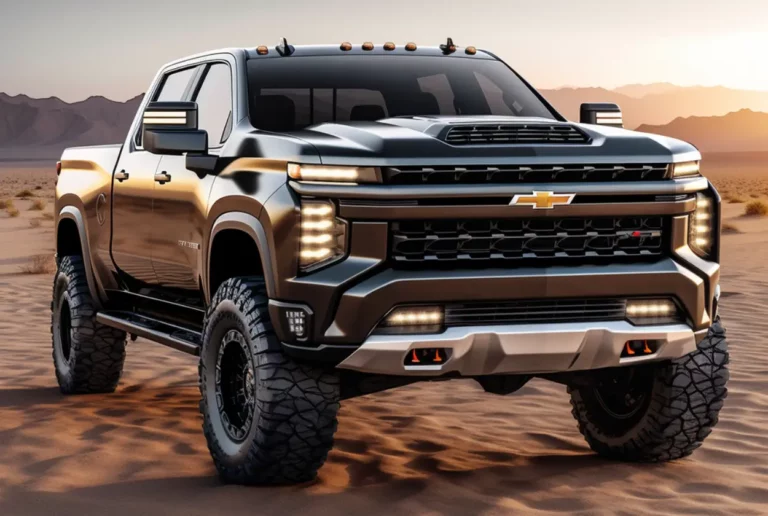
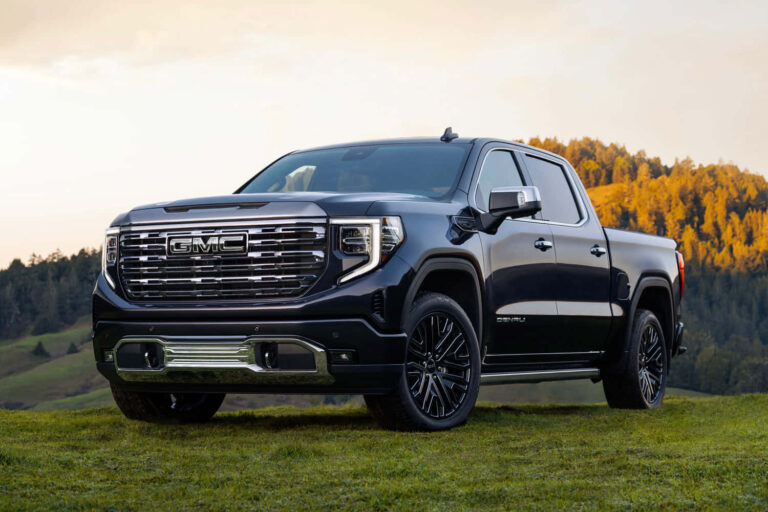
- Chevrolet Silverado / GMC Sierra (1500, 2500HD/3500HD): These GM twins offer strong V8 and Duramax Diesel engine options, along with innovative trailering camera systems and robust chassis designs. They provide a balance of capability and refinement.
- Toyota Tundra: Known for its legendary reliability and powerful V8 engines (in previous generations, now a potent twin-turbo V6 hybrid), the Tundra offers strong towing figures for a full-size light-duty truck, backed by Toyota’s reputation for durability.
- Nissan Titan: While a smaller market share, the Titan offers a capable V8 engine and a solid tow package, often presenting a strong value proposition for buyers looking for a dependable workhorse.
When evaluating these models, always confirm the specific tow package options and engine configurations. A base model of any truck, even a robust one, might not have the full towing capability you require without the necessary upgrades.
New vs. Used Trucks with Tow Packages: Making the Right Choice
The decision between a new and a used truck with a tow package is often a balance between budget, desired features, and peace of mind. Both options have their distinct advantages and potential drawbacks. Carefully weigh these factors to determine which path is best for you.
Based on my observations, the choice often comes down to how much you prioritize the latest technology and a fresh start versus maximizing your budget. There’s no single "right" answer, only the best fit for your circumstances.
Pros and Cons of New Trucks:
- Pros:
- Latest Technology: Access to the newest towing features, infotainment, and safety systems.
- Full Warranty: Comprehensive bumper-to-bumper and powertrain warranties offer peace of mind.
- Customization: You can order the exact configuration, colors, and options you desire.
- Undeniable Reliability: No previous owner history to worry about.
- Cons:
- Higher Cost: New trucks represent a significant investment, including higher taxes and insurance.
- Rapid Depreciation: A new truck loses a substantial portion of its value as soon as it leaves the lot.
Pros and Cons of Used Trucks:
- Pros:
- Significant Cost Savings: Used trucks are considerably more affordable, allowing you to get more truck for your money.
- Slower Depreciation: Most of the major depreciation has already occurred.
- Proven Reliability: You can research common issues for specific models and years.
- Cons:
- Potential Wear and Tear: Used vehicles inherently come with some level of wear.
- Limited Warranty: Factory warranties may be expired or limited. Aftermarket warranties are available but vary in coverage.
- Less Customization: You’re limited to what’s available on the market.
- Hidden Issues: Without proper inspection, you might inherit problems from a previous owner.
Common mistakes to avoid when buying used are skipping a thorough pre-purchase inspection and neglecting to review the vehicle’s service history. These steps are crucial for mitigating risks.
The Buying Process: What to Look For and Ask
Whether new or used, the process of acquiring a truck with a tow package requires diligence. You’re not just buying a vehicle; you’re investing in a tool for specific tasks. A careful approach ensures you get a truck that’s truly capable and reliable.
Having spent years in the automotive industry, I can’t stress enough the importance of being proactive and asking the right questions. Don’t be afraid to dig deep; it’s your investment.
Essential Steps and Questions:
- Pre-Purchase Inspection (PPI) – Especially for Used Trucks:
- This is non-negotiable for a used truck. Have an independent, certified mechanic inspect the vehicle thoroughly, paying special attention to the frame, engine, transmission, brakes, and all tow package components.
- Internal Link Placeholder: For a detailed checklist, read our guide on .
- Verify Tow Package Components:
- Visually inspect the hitch receiver for damage, rust, or improper installation.
- Check the wiring harness connectors (4-pin and 7-pin, if applicable) for corrosion or damage.
- Confirm the presence of a factory trailer brake controller.
- Ask about cooling system upgrades and suspension modifications specific to the tow package.
- Review Documentation:
- Look for the official towing capacity sticker, usually located on the driver’s side door jamb or in the owner’s manual.
- Request service records, especially for maintenance related to heavy-duty use (transmission fluid changes, brake inspections).
- For used trucks, obtain a vehicle history report (CarFax or AutoCheck) to check for accidents, flood damage, or salvage titles.
- Test Drive – With an Eye on Towing:
- Pay attention to how the transmission shifts, especially under simulated load (e.g., accelerating uphill).
- Listen for unusual noises from the engine, transmission, or differentials.
- Test the brakes thoroughly. Does the truck pull to one side? Is there excessive pedal travel?
- If possible, test drive a truck equipped with the same engine and axle ratio you intend to buy.
- Pro Tip: While unlikely to happen, if a dealer allows a test drive with a small, relevant load, that’s ideal.
- Ask Specific Questions:
- "What is the Gross Combined Weight Rating (GCWR) for this specific configuration?"
- "Has the transmission fluid ever been changed, and when?"
- "Are there any aftermarket modifications to the engine or suspension that could affect towing?"
- "What is the warranty coverage for the tow package components?"
Financing and Insurance Considerations
Acquiring a truck, especially one equipped for towing, involves more than just the purchase price. Understanding the financing and insurance implications is vital for budgeting and protecting your investment.
Our team of experts often advises clients to factor in all associated costs upfront. Overlooking these can lead to unexpected financial strain down the road.
Financing Your Tow-Ready Truck:
- Loan Terms: Trucks with tow packages can be more expensive than base models. This might influence your loan amount, interest rate, and monthly payments. Lenders generally view trucks as valuable assets, but always shop around for the best rates.
- Down Payment: A larger down payment can reduce your monthly payments and the total interest paid over the life of the loan.
- Added Value: A factory tow package adds value to the truck, which lenders often recognize, potentially making it easier to secure financing.
Insuring Your Towing Setup:
- Vehicle Insurance: Inform your insurance provider that your truck has a tow package and will be used for towing. This ensures proper coverage in case of an accident.
- Trailer Coverage:
- Liability: Your truck’s liability insurance often extends to the trailer while it’s hitched, covering damage or injury you might cause to others.
- Comprehensive/Collision: Your truck’s comprehensive and collision coverage typically does not extend to the trailer itself. You’ll need separate insurance for the trailer to cover damage to it.
- Cargo Insurance: If you’re hauling valuable cargo, consider additional cargo insurance.
Always review your insurance policy with your agent to confirm coverage specifics for both your truck and any trailers you plan to tow. Don’t leave it to chance.
Maintenance for Your Tow-Ready Truck
A truck used for towing experiences more stress and wear than one used solely for commuting. Regular, diligent maintenance is not just recommended; it’s essential to ensure safety, longevity, and reliable performance. Neglecting maintenance is a common mistake that can lead to costly repairs.
Based on my experience, proactive maintenance is the single most effective way to protect your investment and prevent breakdowns, especially when towing far from home.
Key Maintenance Areas for Towing Trucks:
- Fluids:
- Engine Oil: Check more frequently and consider synthetic oil for better heat protection. Follow the severe-duty schedule in your owner’s manual.
- Transmission Fluid: Critical for towing. Check levels and condition regularly. Consider more frequent fluid and filter changes than standard recommendations.
- Coolant: Ensure proper levels and concentration to prevent overheating.
- Differential Fluid: Often overlooked, but crucial for heavy towing. Check and change as recommended for severe duty.
- Brakes:
- Regularly inspect brake pads, rotors, and fluid. Towing wears out brakes much faster.
- Ensure your trailer’s brakes are also in excellent working order and properly adjusted.
- Tires:
- Maintain correct tire pressure, especially for the rear tires, which bear more load.
- Inspect for wear, cracks, and proper tread depth. Consider load-range E tires for heavy-duty applications.
- Hitch and Wiring:
- Inspect the hitch receiver for rust, cracks, or loose bolts. Lubricate the hitch ball.
- Check the wiring harness for corrosion, frayed wires, or loose connections.
- Suspension:
- Periodically inspect springs, shocks, and bushings for wear or damage. Excessive sag can indicate worn components.
Pro tips from us: Always consult your truck’s owner’s manual for specific towing-related maintenance schedules. These schedules are often more aggressive than standard driving recommendations.
Legal and Safety Aspects of Towing
Owning a truck with a tow package comes with the responsibility of understanding and adhering to legal requirements and best safety practices. Proper towing is not just about having the right equipment; it’s about operating it safely and legally.
Having spent years observing incidents related to improper towing, I can confidently say that knowledge and preparation are your best defense against accidents and fines.
Essential Towing Safety and Legalities:
- Weight Limits:
- Never exceed your truck’s Gross Vehicle Weight Rating (GVWR), Gross Combined Weight Rating (GCWR), or the trailer’s Gross Axle Weight Rating (GAWR).
- Ensure your trailer’s weight rating is appropriate for the load it carries.
- Proper Hitching:
- Ensure the hitch ball size matches the trailer coupler.
- Securely connect safety chains in a crisscross pattern, ensuring they are not dragging but have enough slack for turns.
- Connect the trailer’s electrical wiring and confirm all lights (running, brake, turn signals) are working.
- Load Distribution:
- Distribute the trailer’s cargo evenly, with roughly 60% of the weight in the front half of the trailer.
- Ensure proper tongue weight (10-15% of GTW) for stability. Too little can cause sway, too much can overload the truck’s rear axle.
- Braking and Breakaway Systems:
- Confirm your trailer’s brakes are functioning correctly and the brake controller is properly adjusted.
- Ensure your trailer has a breakaway system, which applies the trailer brakes if it separates from the tow vehicle.
- Towing Speed Limits:
- Many states have lower speed limits for vehicles towing trailers. Be aware of and obey these regulations.
- Pre-Trip Inspection:
- Before every trip, walk around your truck and trailer. Check tires, lights, fluid levels, hitch connection, and safety chains.
For detailed safety guidelines and regulations, we recommend consulting resources from organizations like the National Highway Traffic Safety Administration (NHTSA). Staying informed is your first line of defense.
Internal Link Placeholder: For more advanced towing techniques and tips, explore our article on .
Conclusion: Your Journey to the Perfect Tow-Ready Truck
The search for "trucks for sale with tow package" is the first step towards unlocking unparalleled utility, capability, and adventure. Whether you’re planning to haul a boat, a camper, heavy equipment, or simply need the flexibility for future projects, a properly equipped truck is an indispensable tool.
By understanding the components of a true tow package, meticulously evaluating a truck’s specifications, and approaching the buying process with diligence, you can confidently select a vehicle that meets all your demands. Remember to prioritize safety, engage in proactive maintenance, and stay informed about legal requirements.
Your ideal tow-ready truck is out there, waiting to help you tackle any challenge and embark on countless journeys. Armed with the knowledge from this guide, you are now well-prepared to make a smart, informed decision that will serve you well for years to come. Happy hunting, and safe towing!