The Ultimate Guide to Finding the Best Truck for Towing Campers: Your Adventure Starts Here
The Ultimate Guide to Finding the Best Truck for Towing Campers: Your Adventure Starts Here Typestruck.Guidemechanic.com
Embarking on a camping adventure promises freedom, scenic beauty, and unforgettable memories. But before you hit the open road, there’s one critical decision to make: choosing the best truck for towing campers. This isn’t just about buying any truck; it’s about matching your vehicle precisely to your camper, ensuring safety, efficiency, and peace of mind on every journey.
Many aspiring adventurers underestimate the complexities of towing. A mismatch between your truck and trailer can lead to dangerous situations, excessive wear on your vehicle, and a less enjoyable experience overall. This comprehensive guide will equip you with all the knowledge you need to select the perfect towing companion, transforming your travel dreams into reality.
The Ultimate Guide to Finding the Best Truck for Towing Campers: Your Adventure Starts Here
Why Choosing the Right Truck Matters More Than You Think
Selecting the appropriate truck for your camper is paramount for several reasons. It directly impacts your safety, the longevity of both your truck and camper, and the overall enjoyment of your travels. A poorly matched setup can quickly turn a dream trip into a nightmare.
Firstly, safety is non-negotiable. Overloading your truck or using one with insufficient towing capacity can compromise braking, steering, and stability, putting you, your passengers, and others on the road at serious risk. Accidents caused by improper towing are tragically common and easily avoidable with proper planning.
Secondly, the right truck protects your investment. An undersized vehicle constantly straining to tow a heavy camper will experience accelerated wear and tear on its engine, transmission, brakes, and suspension. This leads to costly repairs and a significantly shortened lifespan for your truck.
Finally, choosing wisely ensures a comfortable and enjoyable towing experience. Imagine white-knuckling it down the highway, constantly worried about your rig’s stability. With the right truck, towing becomes a smooth, controlled, and stress-free part of your adventure, allowing you to focus on the destination, not the journey’s anxiety.
Decoding the Language of Towing: Essential Terms You Must Know
Before we dive into specific truck models, it’s crucial to understand the fundamental terminology of towing. These terms dictate what your truck can safely handle and what type of camper it can pull. Based on my experience, a thorough understanding here prevents many common and costly mistakes.
Ignoring these ratings is one of the most significant errors new towers make.
Towing Capacity vs. Payload Capacity: Not the Same Thing!
Towing Capacity refers to the maximum weight your truck is rated to pull behind it. This figure is typically advertised prominently by manufacturers. It’s often the first number people look at, but it’s only one piece of the puzzle.
Payload Capacity, on the other hand, is the maximum amount of weight your truck can carry inside its cab and bed, including passengers, cargo, and the tongue weight or pin weight of your trailer. This is a critical, often overlooked number. Remember, everything you put in or on the truck subtracts from this capacity.
Gross Vehicle Weight Rating (GVWR) and Gross Combined Weight Rating (GCWR)
Gross Vehicle Weight Rating (GVWR) is the maximum permissible total weight of your fully loaded truck, including its own weight, all passengers, cargo, and the trailer’s tongue or pin weight. You should never exceed this number for safety and legal reasons.
Gross Combined Weight Rating (GCWR) is the maximum permissible total weight of your entire rig – that is, the fully loaded truck plus the fully loaded trailer. This is the ultimate limit for your complete setup. Ensuring your combined weight stays under the GCWR is absolutely essential.
Tongue Weight and Pin Weight
Tongue Weight applies to conventional (bumper-pull) travel trailers. It’s the downward force the trailer’s tongue exerts on your truck’s hitch ball. Ideally, this should be 10-15% of the total loaded trailer weight for stable towing. Too little or too much can cause dangerous sway.
Pin Weight is the equivalent for fifth-wheel trailers. It’s the downward force exerted by the fifth-wheel kingpin onto the hitch in the truck’s bed. This is typically a higher percentage, ranging from 15-25% of the total loaded trailer weight, due to the hitch’s placement over the rear axle.
Common Mistakes to Avoid Are…
One of the biggest mistakes is focusing solely on the "dry weight" of a camper. Campers are rarely towed dry! You must account for water, propane, gear, food, and personal belongings. Always use the Gross Vehicle Weight (GVW) of your fully loaded trailer when calculating your towing needs. Another common pitfall is forgetting to factor in the weight of passengers and gear in your truck when assessing payload. Every pound counts.
Types of Campers and Their Towing Demands
The type of camper you own or plan to purchase is the starting point for determining the best truck for towing campers. Each category has different weight profiles and hitching requirements, directly influencing the truck you’ll need.
Travel Trailers (Conventional/Bumper-Pull)
Travel trailers are the most common type of towable RV, ranging from small teardrops to large bunkhouse models. They hitch to a ball mount on your truck’s bumper or a receiver hitch. Their tongue weight is crucial for stability and needs to be properly managed.
Small travel trailers (under 5,000 lbs GVWR) can often be towed by properly equipped half-ton trucks or even some SUVs. Mid-size to larger travel trailers (5,000-10,000 lbs GVWR) generally require a robust half-ton or a three-quarter-ton truck. Very large travel trailers (over 10,000 lbs GVWR) almost always necessitate a heavy-duty three-quarter-ton or one-ton truck.
Fifth-Wheel Trailers
Fifth-wheel trailers are recognized by their distinctive raised front section that extends over the truck’s bed, connecting to a special fifth-wheel hitch. This hitch placement directly over the rear axle significantly improves stability and weight distribution compared to bumper-pull trailers.
Due to their size and design, fifth-wheel trailers are almost exclusively towed by three-quarter-ton or one-ton trucks. Even smaller fifth-wheels will push the payload limits of most half-ton trucks. Larger, heavier fifth-wheels, especially toy haulers, absolutely demand a one-ton dually (dual rear wheels) for safe towing.
Pop-Up Campers and Teardrops
These are typically the lightest and most aerodynamic campers. Pop-ups feature collapsible walls, while teardrops are compact, streamlined units. They are designed for minimal weight and easy towing.
Many pop-ups and teardrops can be towed by vehicles much smaller than traditional trucks, including SUVs, minivans, and even some cars, provided they have a factory-installed tow package. For trucks, even a mid-size pickup can handle these with ease, making them a great option for those who don’t need maximum towing power.
Toy Haulers
Toy haulers are specialized trailers designed to carry "toys" like ATVs, motorcycles, or even small cars in a dedicated garage area. They come in both travel trailer and fifth-wheel configurations. The key challenge with toy haulers is their inherent variability in weight.
When empty, they might seem manageable, but once loaded with fuel, gear, and your toys, their weight can skyrocket. This often means that even travel trailer toy haulers require heavy-duty three-quarter-ton trucks, and fifth-wheel toy haulers almost always demand a one-ton, often a dually, to safely handle their immense weight and high pin weight.
Key Truck Features to Consider for Superior Towing
Beyond basic capacity numbers, specific truck features play a massive role in how well a vehicle performs when towing. Understanding these components will help you identify the best truck for towing campers that meets your specific needs.
Engine Type: Gas vs. Diesel
The choice between a gasoline and a diesel engine is one of the most significant decisions for a towing truck. Each has distinct advantages and disadvantages.
Gas Engines: Generally more affordable upfront, quieter, and cheaper to maintain. Modern gas engines offer impressive horsepower, but they often achieve their peak torque at higher RPMs. This means you might find yourself revving higher and shifting more frequently, especially on inclines, which can impact fuel economy when towing heavy loads. They are excellent for lighter to moderate towing.
Diesel Engines: Offer superior torque, typically at lower RPMs, making them feel effortlessly powerful when pulling heavy loads. They excel in sustained heavy towing, steep grades, and high altitudes. Diesels also tend to be more durable and fuel-efficient when towing, offering integrated exhaust brakes for added control. However, they come with a higher purchase price, more expensive maintenance, and pricier fuel. They are the go-to for serious heavy hauling.
Transmission: The Unsung Hero
A robust transmission is crucial for towing. Look for transmissions with multiple gears (8-speed, 10-speed, or more) designed for heavy-duty use. More gears allow the engine to stay in its optimal power band, improving both performance and fuel efficiency.
Dedicated tow/haul modes are a must-have. These modes adjust shift points, engine braking, and throttle response to optimize performance when towing, preventing excessive shifting and making descents safer. Without a proper towing transmission, even a powerful engine can struggle.
Drivetrain: 2WD vs. 4WD
Most towing occurs on paved roads, where a two-wheel-drive (2WD) truck is perfectly adequate and often offers slightly higher payload and towing capacities due to less weight. However, if your camping adventures take you off the beaten path, to remote campsites, or through challenging weather conditions like snow or mud, 4WD becomes invaluable.
While 4WD adds weight and complexity, the ability to engage all four wheels for traction can get you out of sticky situations. Consider your typical destinations before making this choice.
Axle Ratio: More Than Just a Number
The axle ratio (e.g., 3.55, 3.73, 4.10) refers to the number of driveshaft rotations for one wheel rotation. A "higher" axle ratio (e.g., 4.10) means the engine spins more times per wheel rotation, providing more torque to the wheels. This is excellent for towing heavy loads, making it easier to start from a stop and climb hills.
However, a higher axle ratio generally results in worse fuel economy when not towing, as the engine revs higher at highway speeds. A "lower" axle ratio (e.g., 3.55) is better for fuel economy but provides less pulling power. For serious towing, especially with heavy campers, a higher axle ratio is highly recommended.
Braking Systems: Stopping Power is Critical
Stopping a heavy truck and trailer combination requires serious braking power. Look for trucks with large, heavy-duty disc brakes. An integrated trailer brake controller is an absolute necessity, allowing you to synchronize your trailer’s brakes with your truck’s, providing smooth and controlled stopping.
Pro tips from us: Never rely solely on your truck’s brakes to stop your combined rig. An exhaust brake (common on diesel engines) is another fantastic feature that uses engine compression to slow the vehicle down, significantly reducing wear on your service brakes, especially on long descents.
Hitch Types: Matching Your Trailer
The type of hitch you need depends entirely on your camper. Conventional travel trailers use a receiver hitch with a ball mount. For these, a weight distribution hitch (WDH) is highly recommended for trailers over 5,000 lbs, as it helps distribute tongue weight more evenly across the truck’s axles and the trailer’s axles, reducing sway and improving stability.
Fifth-wheel and gooseneck hitches are designed for specific trailer types and mount into the bed of your truck, typically over the rear axle. These offer superior stability and handling for larger trailers but require a truck designed to accommodate them.
Suspension and Frame: The Foundation of Strength
A truck’s suspension and frame are its backbone. For towing, you need a heavy-duty frame (often fully boxed) and a robust suspension system designed to handle significant weight. Upgraded shocks, leaf springs, or even air suspension systems can dramatically improve ride quality and stability when towing.
Many heavy-duty trucks come with stronger frames and suspension components as standard, but even half-ton trucks can benefit from aftermarket upgrades or specific factory towing packages that include enhanced suspension.
Towing Packages: A Must-Have Option
Most truck manufacturers offer optional "towing packages." These are often non-negotiable for serious towing. A good towing package typically includes:
- A heavy-duty receiver hitch
- Integrated trailer brake controller
- Upgraded cooling systems (for engine and transmission)
- Larger alternator
- Higher capacity battery
- Specific wiring harnesses for trailer lights and brakes
- Sometimes, upgraded suspension components or a higher axle ratio.
Always opt for the factory towing package if you intend to tow regularly. It ensures all components are integrated and warrantied correctly.
Truck Categories for Towing Campers: Finding Your Match
Now that we’ve covered the essentials, let’s explore the different truck categories and which campers they are best truck for towing campers in each segment.
Half-Ton Trucks (150/1500 Series)
Examples: Ford F-150, Ram 1500, Chevrolet Silverado 1500, GMC Sierra 1500, Toyota Tundra, Nissan Titan.
Ideal Use Cases: Half-ton trucks are the most popular choice for everyday driving combined with moderate towing. They excel at pulling smaller to mid-size travel trailers (typically up to 8,000-10,000 lbs GVWR) and very light, specialized fifth-wheel trailers (though payload is usually the limiting factor for fifth-wheels).
Pros:
- More comfortable ride when unladen.
- Better fuel economy for daily driving.
- More maneuverable and easier to park.
- Often less expensive than heavy-duty trucks.
Cons:
- Limited payload capacity, which is often the first thing you’ll max out when towing.
- Less stable with very heavy or long trailers.
- Engine and transmission may work harder on grades with heavy loads.
Based on my experience, a properly equipped half-ton with a strong V8 or EcoBoost/Turbo engine, a high axle ratio, and a max tow package can handle a surprising amount. However, always double-check the specific truck’s payload sticker, not just the marketing towing capacity.
Three-Quarter-Ton Trucks (250/2500 Series)
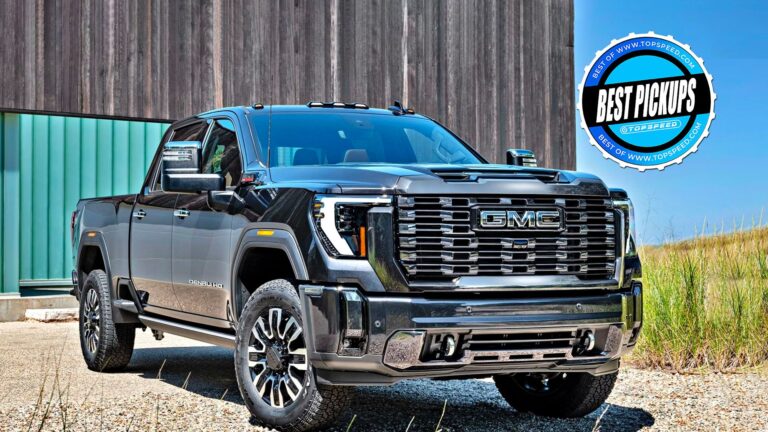
Examples: Ford F-250 Super Duty, Ram 2500 Heavy Duty, Chevrolet Silverado 2500 HD, GMC Sierra 2500 HD.
Ideal Use Cases: These are the sweet spot for many RVers. Three-quarter-ton trucks are designed for serious towing without the full bulk of a one-ton. They are the best truck for towing campers in the mid-to-large travel trailer range (up to 12,000-18,000 lbs GVWR) and most fifth-wheel trailers.
Pros:
- Significantly increased towing and payload capacities over half-tons.
- More stable with heavy loads due to heavier frames and suspension.
- Often available with powerful diesel engine options.
- Still manageable as a daily driver for many, though less comfortable than a half-ton.
Cons:
- Harsher ride when unladen compared to half-tons.
- Worse fuel economy than half-tons.
- More expensive to purchase and maintain.
- Larger and less agile for city driving or tight parking.
For anyone considering a medium to large fifth-wheel or a substantial travel trailer, a three-quarter-ton is often the minimum recommended. The added stability and power make a world of difference.
One-Ton Trucks (350/3500 Series)
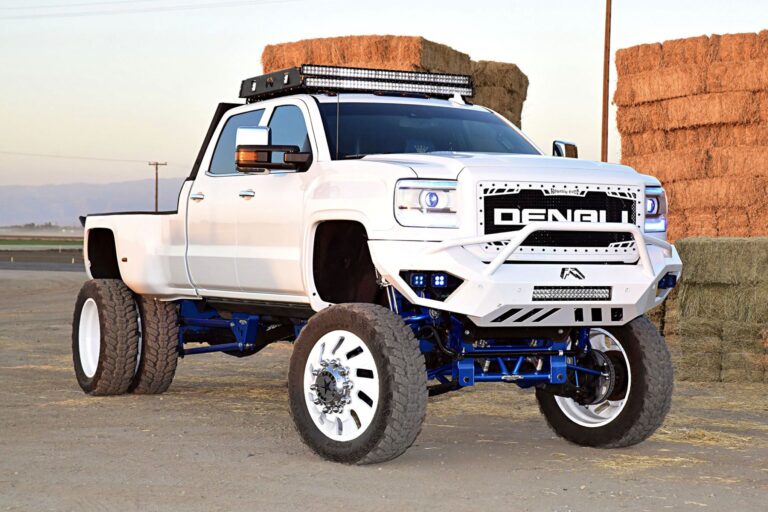
Examples: Ford F-350 Super Duty, Ram 3500 Heavy Duty, Chevrolet Silverado 3500 HD, GMC Sierra 3500 HD.
Ideal Use Cases: When you’re talking about the largest travel trailers, the heaviest fifth-wheels, and especially toy haulers, a one-ton truck is your go-to. These trucks are purpose-built for maximum towing and hauling capabilities. They are unequivocally the best truck for towing campers that are truly massive.
Pros:
- Highest towing and payload capacities available in a consumer pickup.
- Unmatched stability and control with extremely heavy loads.
- Often available in "dually" configurations (dual rear wheels) for ultimate stability and payload.
- The most robust frames, suspension, and driveline components.
Cons:
- Rougher ride when unladen, especially dually models.
- Significantly worse fuel economy.
- Very expensive to purchase and maintain.
- Impractical for daily driving in many urban or suburban environments due to size and maneuverability.
If your dream camper is a large fifth-wheel toy hauler or a residential-sized travel trailer, a one-ton truck, possibly a dually, is not just recommended, it’s often a necessity for safe and legal towing.
Pro Tips for Towing Safety and Performance
Even with the best truck for towing campers, proper technique and regular maintenance are crucial. These pro tips from us will enhance your towing experience and ensure your adventures are safe and smooth.
- Weight Distribution Hitches (WDH): For conventional travel trailers over 5,000 lbs, a WDH is highly recommended. It helps evenly distribute the tongue weight across your truck’s axles and the trailer’s axles, preventing sag, improving steering, and significantly reducing trailer sway. We have another detailed article on Choosing the Right Hitch for Your RV that you might find helpful.
- Pre-Trip Checks: Before every trip, perform a thorough inspection. Check tire pressure on both the truck and trailer (including the spare!). Ensure all lights are working (brake, turn signals, running lights). Confirm hitch connection is secure, safety chains are crossed, and breakaway cable is attached. Check fluid levels in your truck.
- Load Distribution in Trailer: Distribute weight inside your camper evenly, with heavier items placed low and over the axles. Avoid putting too much weight at either the front or rear, which can negatively impact tongue weight and cause sway.
- Driving Techniques: Drive slower than usual, allow for longer braking distances, and take wide turns. Avoid sudden lane changes or aggressive steering inputs. Anticipate traffic and terrain changes well in advance.
- Trailer Brakes: Always ensure your trailer brakes are properly adjusted and functioning. A functional trailer brake controller is vital for safe stopping.
- Tire Maintenance: Beyond pressure, regularly inspect your truck and trailer tires for wear, cracks, and proper tread depth. Old tires, even if they look okay, can be dangerous.
- Regular Truck Maintenance: Towing puts extra strain on your truck. Stick to a rigorous maintenance schedule, including oil changes, transmission fluid checks, brake inspections, and cooling system flushes. Overheating is a common issue when towing, so ensure your cooling system is in top shape.
- Understanding RV Weight Ratings: For a deeper dive into all the weight ratings specific to your RV, check out this excellent guide from the RV Industry Association: Understanding RV Weights.
Making Your Final Decision: The Best Truck For Your Camper
Choosing the best truck for towing campers ultimately comes down to a careful assessment of your specific needs. Start with your camper: What is its fully loaded GVWR? What is its tongue or pin weight?
Then, look at your potential truck’s specifications. Don’t just consider the maximum towing capacity. Prioritize payload capacity, especially if you plan to carry passengers, gear, or a fifth-wheel. Ensure the truck’s GCWR can handle the combined weight of your fully loaded truck and trailer.
Consider your budget, driving preferences (gas vs. diesel), and how often you’ll be towing versus daily driving. For occasional, lighter towing, a well-equipped half-ton might suffice. For frequent trips with larger RVs, a three-quarter-ton or one-ton will provide the necessary power, stability, and peace of mind.
Remember, it’s always better to have more truck than you think you need. A truck that is slightly over-capacity for your trailer will tow more comfortably and safely than one that is constantly at its limits.
Conclusion: Hit the Road with Confidence!
The journey to finding the best truck for towing campers can seem daunting, but by understanding the core principles of towing, decoding the essential terminology, and carefully matching your truck to your specific camper, you’re well on your way. Invest the time in research, verify all weight ratings, and prioritize safety above all else.
With the right truck, your camping adventures will be smoother, safer, and far more enjoyable. So, gear up, hook up, and confidently hit the road, knowing you’ve made an informed decision that will lead to countless memorable experiences under the open sky. Happy camping!