The Ultimate Guide to Finding Step Trucks For Sale: Your Path to Mobile Business Success
The Ultimate Guide to Finding Step Trucks For Sale: Your Path to Mobile Business Success Typestruck.Guidemechanic.com
In the dynamic world of logistics, mobile businesses, and last-mile delivery, the right vehicle isn’t just a mode of transport – it’s a foundational asset. For many entrepreneurs and established companies alike, the step truck stands out as an indispensable workhorse. These versatile vehicles, often seen darting through city streets or serving customers at bustling events, offer a unique blend of capacity, accessibility, and durability.
If you’re currently searching for "step trucks for sale," you’re on the cusp of making a significant investment in your operational efficiency and business growth. This comprehensive guide will navigate you through everything you need to know, from understanding what makes these trucks so special to mastering the art of inspection and financing. Our goal is to equip you with the knowledge to make an informed decision, ensuring your next step truck acquisition truly elevates your business.
The Ultimate Guide to Finding Step Trucks For Sale: Your Path to Mobile Business Success
What Exactly is a Step Truck? (And Why Are They So Popular?)
Before diving into the market, it’s essential to understand the core identity of a step truck. Often referred to as walk-in vans, parcel delivery vans, or bread trucks, a step truck is a medium-duty commercial vehicle characterized by its distinct box-like body and a low floor, allowing drivers to "step in" and out easily. This design significantly reduces the effort and time spent entering and exiting the vehicle, a crucial factor for multi-stop routes.
These trucks typically feature a spacious, open cargo area directly accessible from the driver’s seat. The high ceilings and wide aisles inside mean drivers can stand upright and move freely, organizing packages or preparing orders without having to contort themselves. This ergonomic design is a major reason for their popularity, especially in industries requiring frequent access to cargo.
Historically, step trucks evolved from early delivery vehicles, designed for efficiency and durability. Modern iterations continue this legacy, incorporating advanced powertrains, improved safety features, and enhanced customization options. Their robust construction is engineered to withstand the rigors of daily commercial use, making them a long-term asset for many businesses.
Key Benefits of Investing in a Step Truck
The decision to acquire a step truck is often driven by a clear understanding of the operational advantages they offer. These benefits extend beyond simple transportation, impacting efficiency, brand visibility, and driver comfort.
Firstly, unmatched operational efficiency is a primary draw. For businesses involved in parcel delivery, linen services, or route sales, the walk-in design dramatically speeds up the loading and unloading process. Drivers spend less time fumbling with doors or climbing in and out, translating into more deliveries per shift and reduced labor costs.
Secondly, incredible versatility makes step trucks a smart investment across a multitude of industries. While commonly associated with package delivery, their adaptable chassis and spacious interiors make them ideal platforms for mobile businesses. Think food trucks, mobile pet groomers, pop-up retail shops, or even specialized medical outreach units. The potential for customization is virtually limitless.
Furthermore, step trucks are built for durability and longevity. These vehicles are designed for heavy, continuous use, often racking up hundreds of thousands of miles over their lifespan. Their robust frames and commercial-grade components are engineered to withstand demanding operational schedules, offering a reliable backbone for your business for years to come.
Finally, the sheer size and distinct profile of a step truck offer superior brand visibility. With ample surface area for custom wraps and signage, your step truck transforms into a mobile billboard, promoting your brand everywhere it goes. This continuous exposure can significantly boost brand recognition and customer recall, turning every delivery into a marketing opportunity.
Types of Step Trucks Available on the Market
The world of "step trucks for sale" is diverse, offering various configurations to meet specific business demands. Understanding these types will help you narrow down your search and find the perfect fit.
We can broadly categorize step trucks by their size and intended duty. Small to medium-duty step trucks are typically used for lighter loads and urban deliveries. These vehicles often feature a shorter wheelbase and a more compact cargo area, making them agile in congested areas. They are ideal for florists, bakeries, laundry services, or small parcel couriers who need frequent stops and easy maneuverability.
Then there are heavy-duty step trucks, designed for larger payloads and more demanding routes. These models boast stronger chassis, more powerful engines, and significantly larger cargo capacities. Businesses transporting bulkier items, requiring specialized equipment, or operating long-haul routes often opt for these robust vehicles. They are commonly seen in linen supply, industrial parts delivery, or large-scale food distribution.
Beyond standard configurations, a significant portion of the market is dedicated to customized and specialty step trucks. This category includes the increasingly popular food trucks, which are essentially step vans meticulously outfitted with commercial kitchens. It also encompasses mobile workshops, command centers, medical screening units, and even bookmobiles. These specialized builds highlight the incredible adaptability of the step truck platform, transforming a utility vehicle into a bespoke operational hub.
Different manufacturers also contribute to this variety, with chassis builders like Freightliner Custom Chassis, Ford, and Workhorse providing the underlying framework for many step vans. Each manufacturer offers unique features and engine options, so researching their specific offerings can be beneficial during your search.
The Ultimate Guide to Finding "Step Trucks For Sale": Where to Look
Embarking on the hunt for "step trucks for sale" can feel overwhelming given the numerous avenues available. Knowing where to focus your search can save you time and potentially secure a better deal.
Commercial Vehicle Dealerships are a traditional and often reliable starting point. They offer both new and used step trucks, providing a range of financing options and often including warranties, especially for new models. Dealers can guide you through different specifications and help with customization. However, their prices might be higher due to overheads and markups. For those considering new vehicles, a dealership is often the best route to explore the latest models and technologies.
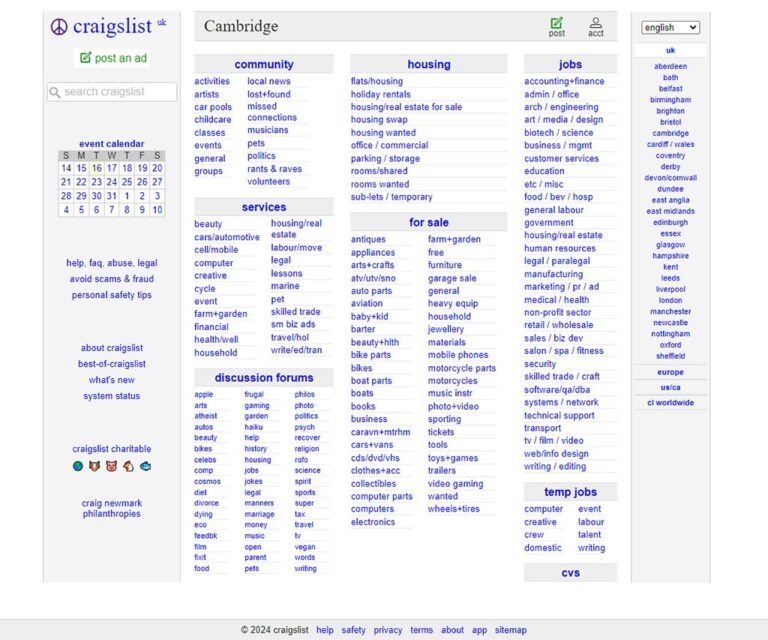
Online Marketplaces and Classifieds have revolutionized the way commercial vehicles are bought and sold. Websites dedicated to commercial vehicle sales, such as TruckPaper, CommercialTruckTrader, and even general marketplaces like eBay Motors, host thousands of listings. These platforms offer a vast selection, allowing you to filter by make, model, year, price, and location. While they provide convenience, it’s crucial to exercise caution and thoroughly vet sellers and vehicles. You might also find local listings on platforms like Craigslist, but these require even greater vigilance due to the lack of formal mediation.
Public and Private Auctions represent another significant channel for finding step trucks, particularly used models. Government surplus auctions, fleet liquidation sales, and specialized commercial vehicle auctions can be excellent places to find deals. Vehicles from these sources often come from well-maintained fleets, though they are usually sold "as-is," meaning buyers must be prepared to conduct their own thorough inspections. Based on my experience, attending an auction requires a clear understanding of vehicle values and the ability to act quickly, as bidding wars can drive up prices. It’s not for the faint of heart, but the potential for savings is considerable.
Finally, consider searching directly from businesses that are upgrading their fleets. Many large companies, particularly parcel delivery services or utility companies, frequently cycle out older vehicles. They might advertise these sales directly on their websites or through specialized brokers. This method can sometimes yield well-maintained vehicles that have been part of a rigorous maintenance schedule. For a deeper dive into the nuances of purchasing pre-owned commercial vehicles, you might find our article on Understanding the Pros and Cons of Used Commercial Vehicles particularly helpful.
Crucial Factors to Consider When Buying a Step Truck
Once you know where to look, the next step is understanding what to look for. Making an informed decision when searching for "step trucks for sale" requires careful consideration of several key factors that impact both upfront costs and long-term operational efficiency.
First and foremost is your budget. This isn’t just about the purchase price; it includes financing costs, insurance, potential repairs, and ongoing maintenance. Deciding between a new or used step truck will significantly influence this figure. New trucks offer reliability and warranties but come with a higher price tag and immediate depreciation. Used trucks are more budget-friendly initially but might require more immediate maintenance and lack modern features.
Your intended use for the step truck dictates many of its essential specifications. What kind of cargo will you carry? How much does it weigh? How frequently will you stop? These questions inform the necessary cargo capacity, payload rating, and internal configurations like shelving or refrigeration. For example, a florist needs different internal setups than a mobile tool repair service.
When considering used step trucks, the vehicle’s condition and maintenance history are paramount. A detailed service record is invaluable, indicating how well the previous owner cared for the vehicle. Check for regular oil changes, tire rotations, and documented repairs. Pro tips from us: Always ask for records, and if they’re unavailable, proceed with extreme caution. A well-maintained older truck can be a better investment than a newer one with a spotty history.
The fuel type is another critical decision. Gasoline engines are often cheaper upfront and easier to maintain for some, while diesel engines offer better fuel economy for heavy loads and long distances, albeit with higher maintenance costs and a higher initial price. Electric step trucks are an emerging option, offering lower operating costs and environmental benefits, but their range and charging infrastructure need to be carefully evaluated for your specific routes.
Mileage and engine hours are crucial indicators of wear and tear on used vehicles. High mileage isn’t always a deal-breaker if the truck has been consistently maintained, but it certainly warrants a more thorough inspection of major components like the engine and transmission. Similarly, engine hours can be a better indicator for vehicles that spend a lot of time idling, such as food trucks.
Finally, consider the Gross Vehicle Weight Rating (GVWR). This figure indicates the maximum operating weight of the truck as specified by the manufacturer, including the vehicle itself, fuel, passengers, and cargo. GVWR can impact licensing requirements, driver qualifications, and even insurance premiums. Ensure the truck’s GVWR aligns with your operational needs and your drivers’ licenses. Common mistakes to avoid are underestimating your payload needs or overlooking the GVWR, which can lead to safety hazards and legal issues.
Inspecting a Step Truck: Your Essential Checklist
Once you’ve identified potential "step trucks for sale," a thorough inspection is non-negotiable, especially for used vehicles. This is where your E-E-A-T (Expertise, Experience, Authoritativeness, Trustworthiness) really comes into play, ensuring you don’t inherit someone else’s problems.
Start with the exterior inspection. Look for signs of significant rust on the body panels, chassis, and undercarriage. Minor surface rust might be manageable, but extensive structural rust can indicate serious issues. Check for dents, scratches, and any signs of previous accidents or repairs that might have compromised the frame. Pay close attention to the tires – uneven wear can signal alignment problems or suspension issues. Ensure all lights, including headlights, taillights, turn signals, and interior cargo lights, are functional.
Move to the interior. Assess the driver’s cabin for wear and tear on seats, steering wheel, and dashboard. Check all gauges, warning lights, and electronic systems. In the cargo bay, look for damage to the floor, walls, and ceiling. Ensure all doors (driver, passenger, and cargo) open, close, and latch securely. Test any shelving, ramps, or specialized equipment installed in the back for proper functionality. Look for any signs of water leaks or unusual odors, which could indicate moisture damage or other issues.
The engine and mechanical components require a detailed look. With the engine off, check fluid levels (oil, coolant, brake fluid, transmission fluid) and look for any visible leaks or unusual grime. Inspect belts and hoses for cracks or wear. Once the engine is started, listen for any unusual noises – knocking, grinding, or excessive exhaust smoke. Check the exhaust system for leaks. Based on my experience, a pre-purchase inspection by a qualified commercial vehicle mechanic is the single best investment you can make, especially for used trucks. They can identify hidden issues that even an experienced buyer might miss.
Finally, conduct a thorough test drive. Pay attention to how the truck starts, accelerates, and shifts gears. Test the brakes thoroughly – do they feel firm? Is there any pulling to one side? Evaluate the steering for responsiveness and play. Listen for any strange noises during turns, over bumps, or when accelerating. Ensure all safety features, like ABS or traction control, appear to be working. Remember, you’re not just buying a vehicle; you’re buying a tool for your business, and it needs to perform reliably. For detailed regulations on commercial vehicle safety, it’s always wise to consult official sources like the Federal Motor Carrier Safety Administration (FMCSA).
Financing Your Step Truck Purchase
Securing the right financing is as crucial as finding the right step truck. Whether you’re buying new or used, understanding your options can significantly impact your cash flow and long-term financial health.
Commercial loans are the most common financing method for businesses. These loans can be secured through banks, credit unions, or specialized commercial vehicle lenders. They typically involve a down payment and monthly installments over a set period. Loan terms can vary based on your credit history, the age of the truck, and the lender’s policies. It’s always advisable to shop around and compare interest rates and terms from multiple lenders.
Leasing options offer an alternative to outright ownership. With a lease, you essentially rent the truck for a specified period, typically 2-5 years, with the option to purchase it at the end of the term or return it. Leasing can offer lower monthly payments and tax advantages, as lease payments are often deductible as a business expense. It’s particularly attractive for businesses that want to regularly upgrade their fleet or prefer to avoid the large upfront cost of a purchase.
For smaller businesses, SBA (Small Business Administration) loans might be an option. These government-backed loans are offered through partner lenders and can have more favorable terms and lower down payments than conventional commercial loans. Eligibility criteria can be strict, but they are a valuable resource for qualifying small businesses.
When considering financing, always look beyond the monthly payment. Factor in the total cost of ownership (TCO), which includes not just the purchase price or lease payments, but also insurance, fuel, maintenance, repairs, and potential depreciation. A seemingly cheaper financing option might lead to higher TCO if the vehicle is prone to expensive breakdowns.
Maintaining Your Step Truck for Longevity
A step truck is an investment, and like any investment, it requires diligent care to maximize its lifespan and return. Proper maintenance is not just about avoiding breakdowns; it’s about ensuring operational efficiency, safety, and preserving the resale value of your asset.
Regular preventative maintenance is the cornerstone of longevity. This includes adhering to manufacturer-recommended schedules for oil changes, fluid checks, filter replacements (air, fuel, oil), and tire rotations. These seemingly small tasks prevent larger, more expensive problems down the road. Pro tips from us: Create a strict maintenance schedule and stick to it. Don’t defer maintenance; it almost always costs more in the long run.
Brake inspections should be a priority, given the constant stopping and starting typical of step truck operations. Regular checks of brake pads, rotors, and fluid levels ensure your vehicle can stop safely and efficiently. Similarly, tire care is crucial. Maintaining proper tire pressure not only extends tire life but also improves fuel economy and handling. Regularly inspect tires for uneven wear, punctures, or bulges.
Consider implementing fleet management software if you operate multiple step trucks. These systems can track mileage, schedule maintenance, monitor fuel consumption, and even provide real-time diagnostics. This data-driven approach allows for proactive maintenance, minimizing downtime and optimizing operational costs.
Finally, driver training plays a significant role in vehicle longevity. Educating drivers on proper vehicle operation, defensive driving techniques, and how to identify early signs of mechanical issues can prevent excessive wear and tear. A driver who understands and respects their vehicle is more likely to operate it in a way that extends its life. For more detailed strategies on keeping your fleet in top condition, our article on Maximizing Efficiency: Essential Maintenance for Your Commercial Fleet offers further insights.
Beyond the Purchase: Customization and Branding
Acquiring a step truck is just the beginning. One of their most significant advantages is their adaptability, allowing for extensive customization and branding to perfectly suit your business needs and maximize your presence.
Interior customization can transform a basic cargo space into a highly functional workspace. This might include installing custom shelving, drawers, and compartments for organized storage. For food service, refrigeration units, sinks, cooking equipment, and service windows are essential. Mobile workshops might require workbenches, power outlets, and specialized tool storage. The goal is to optimize the interior layout to enhance workflow and efficiency for your specific operations.
Exterior branding is where your step truck truly becomes a mobile marketing tool. High-quality vinyl wraps are a popular choice, allowing for vibrant, eye-catching graphics that showcase your company logo, services, and contact information. A well-designed wrap can turn heads and generate significant brand recall, essentially giving you a moving billboard that works for you 24/7. Consider reflective elements for nighttime visibility, further extending your marketing reach.
Beyond aesthetics, functional exterior modifications can also be added. This could include installing ramps or liftgates for easier loading and unloading of heavy items, specialized lighting for night operations, or even roof-mounted equipment like solar panels or additional storage units. These enhancements improve the utility and safety of your step truck, tailoring it precisely to your operational demands.
Conclusion: Your Journey to a Perfect Step Truck
The search for "step trucks for sale" is more than just buying a vehicle; it’s about investing in a crucial component of your business’s future. From understanding the diverse types available and knowing where to search, to meticulously inspecting potential purchases and planning for long-term maintenance, every step in this journey is vital.
A well-chosen step truck offers unparalleled efficiency, versatility, and brand-building potential, propelling your operations forward. By applying the comprehensive knowledge shared in this guide, you are now well-equipped to navigate the market with confidence and make a decision that brings genuine value to your enterprise. Take your time, do your due diligence, and secure the perfect step truck that will serve as a reliable foundation for your mobile business success for years to come.