The Ultimate Guide to Choosing the Best Snow Plow for Your 1/2 Ton Pickup
The Ultimate Guide to Choosing the Best Snow Plow for Your 1/2 Ton Pickup Typestruck.Guidemechanic.com
Winter’s relentless grip can transform a picturesque snowfall into a formidable adversary, especially for homeowners and small business owners responsible for clearing their own driveways and lots. If you own a 1/2 ton pickup truck, you’re already halfway to conquering winter. But selecting the best snow plow for your 1/2 ton pickup isn’t as simple as picking the biggest blade you can find. It requires careful consideration of your truck’s capabilities, your specific needs, and the myriad of plow options available.
As an expert who has navigated countless snowfalls and helped many truck owners outfit their rigs, I can tell you that the right plow transforms a daunting chore into a manageable task, even a satisfying one. This comprehensive guide is designed to empower you with the knowledge to make an informed decision, ensuring your 1/2 ton pickup becomes a formidable snow-clearing machine. We’ll delve deep into the critical factors, explore different plow types, and share invaluable insights to help you find the perfect match.
The Ultimate Guide to Choosing the Best Snow Plow for Your 1/2 Ton Pickup
Why Your 1/2 Ton Pickup is a Great Starting Point for Snow Plowing
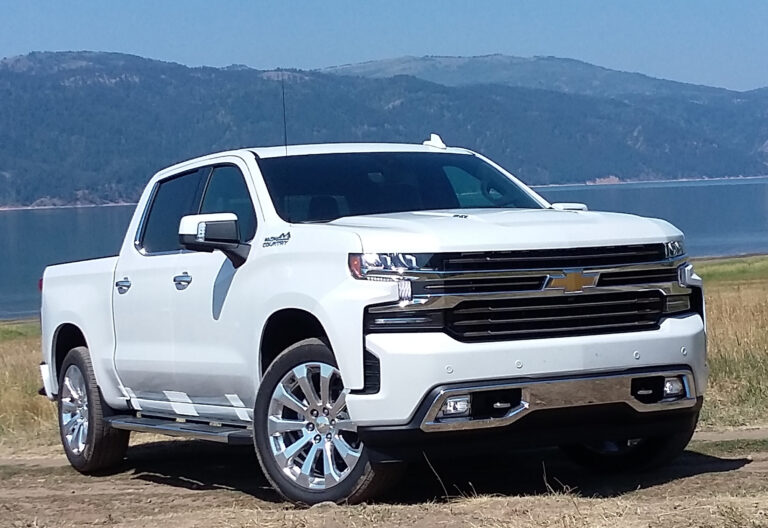
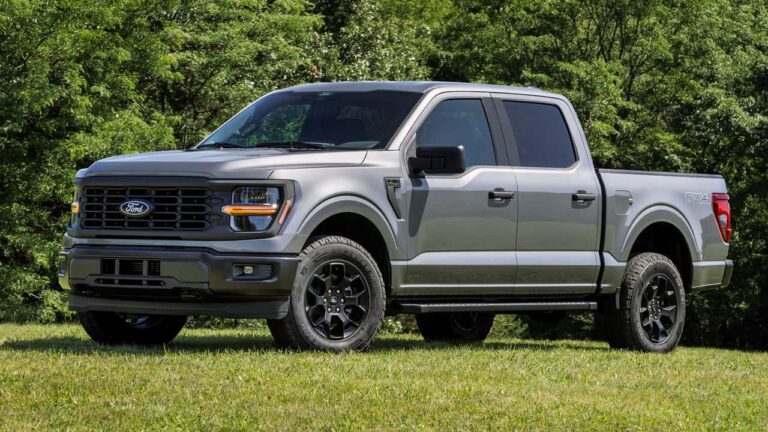
Your 1/2 ton pickup, like a Ford F-150, Chevrolet Silverado 1500, Ram 1500, or Toyota Tundra, offers a fantastic blend of power, maneuverability, and everyday utility. These trucks are widely popular, readily available, and generally more fuel-efficient and comfortable for daily driving than their heavy-duty counterparts. For residential snow removal or light commercial applications, they often hit the sweet spot.
However, it’s crucial to understand their inherent limitations, primarily concerning weight capacity. A 1/2 ton truck is designed for lighter loads compared to 3/4 ton or 1-ton trucks. This means the snow plow you choose must be specifically engineered to work within these parameters, preventing undue stress on your truck’s suspension, frame, and drivetrain. Overloading your truck with an inappropriate plow can lead to costly repairs and compromise safety.
Key Considerations When Choosing a Snow Plow for Your 1/2 Ton Pickup
Selecting the ideal snow plow involves a detailed assessment of several crucial factors. Overlooking any of these could lead to dissatisfaction or, worse, damage to your vehicle. Based on my experience, taking the time upfront to evaluate these points will save you headaches and expense down the road.
1. Truck Compatibility: Know Your Numbers
This is arguably the most critical factor. Your 1/2 ton pickup has specific Gross Vehicle Weight Rating (GVWR) and Gross Axle Weight Rating (GAWR) limits. These numbers dictate how much weight your truck can safely carry, including the plow, mounting hardware, and any snow accumulated on the blade.
Pro tips from us: Always consult your truck’s owner’s manual or the sticker on the driver’s side door jamb for its exact GVWR and GAWR (front and rear). A plow that exceeds your truck’s front GAWR can lead to poor handling, increased stopping distances, premature tire wear, and suspension damage. Many plow manufacturers provide "Plow Selector Guides" or tools that match specific plow models to your truck’s year, make, and model, taking these critical weight ratings into account.
Beyond weight, consider your truck’s suspension system. While some 1/2 tons might handle a light plow without modification, others might benefit significantly from heavy-duty shocks, upgraded springs, or even Timbren or Air Lift suspension helper kits to manage the added front-end weight effectively. Your electrical system also needs to be robust enough to power the plow’s hydraulics and lights.
2. Your Plowing Needs: Residential vs. Light Commercial
Understanding how you intend to use your snow plow is paramount. Are you clearing your own long driveway and perhaps a neighbor’s? Or are you looking to run a small snow removal business, tackling multiple residential driveways or small commercial lots?
For strictly residential use, where snow depth is moderate and frequency is occasional, a lighter-duty, personal-use plow is often sufficient and more budget-friendly. These plows are designed for ease of use and minimal impact on your truck. If you’re venturing into light commercial work, you’ll need a more robust plow designed for frequent use and potentially heavier snowfalls. These plows typically feature stronger frames, more durable components, and faster hydraulic systems, though they will also be heavier.
3. Plow Type: Straight Blade vs. V-Plow
The shape of your plow blade significantly impacts its performance in different snow conditions. For 1/2 ton pickups, the primary choices are straight blades and V-plows.
- Straight Blade Ploughs: These are the most common and often the most economical choice. A straight blade excels at pushing snow forward and to the side, making it ideal for clearing long, straight driveways or open parking areas. They are simple, reliable, and generally lighter than V-plows, making them a good fit for 1/2 ton trucks. Their primary limitation is their effectiveness in deep, heavy drifts, which can sometimes "stack up" in front of the blade.
- V-Plows (V-Blades): As the name suggests, these plows form a "V" shape, allowing them to cut through deep drifts more effectively. They can also be angled straight, scooped (for carrying snow), or in various "wing" configurations to pile snow higher or direct it more efficiently. V-plows offer superior versatility and are excellent for tackling significant snowfalls or packed snow. However, they are typically heavier and more complex than straight blades, making the selection even more critical for a 1/2 ton truck. Some manufacturers offer lighter-duty V-plows specifically for 1/2 tons.
Common mistakes to avoid are assuming a V-plow is always better. While versatile, their added weight and complexity might not be necessary for simple residential clearing and can put more strain on your truck if not properly matched.
4. Plow Material: Steel vs. Polyethylene
The material of your plow blade affects its weight, durability, and performance.
- Steel Blades: Steel is the traditional choice, known for its extreme durability and strength. It can withstand significant impact and abuse, making it a reliable option for heavy-duty use. However, steel blades are heavier, which is a major consideration for 1/2 ton trucks. They are also susceptible to rust and can have snow stick to them in certain conditions, increasing the effective weight on your truck.
- Polyethylene (Poly) Blades: Poly blades are a modern alternative, featuring a slick, non-stick surface that allows snow to shed off easily, reducing drag and making the plow feel lighter. They are also inherently corrosion-resistant and generally lighter than steel blades of comparable size. This weight advantage makes poly blades an excellent choice for 1/2 ton pickups. While durable, they might not withstand the same level of impact as a thick steel blade, but for typical residential or light commercial use, they are more than adequate.
5. Mounting System: Quick-Attach/Detach for Convenience
The mounting system dictates how easily you can attach and detach the plow from your truck. For 1/2 ton owners who use their truck for daily driving, a quick-attach/detach system is highly recommended.
Look for systems that allow you to connect or disconnect the plow in minutes, often without tools. This typically involves a receiver frame that bolts to your truck’s chassis, with the plow then connecting to this frame. Systems that are cumbersome or require significant effort to remove can be a major deterrent, leading to you leaving the plow on your truck unnecessarily, which affects fuel economy and adds wear.
6. Hydraulics and Controls: Smooth Operation is Key
The hydraulic system powers the plow’s movement (lifting, angling). For 1/2 ton plows, you’ll typically find electric-over-hydraulic systems. Ensure the system is robust and responsive.
In-cab controls are equally important. Most modern plows feature ergonomic joysticks or push-button controllers that are easy to operate, even with gloves on. A well-designed control system allows for precise plow manipulation, enhancing efficiency and reducing fatigue during long plowing sessions.
7. Cost and Budget: An Investment, Not Just an Expense
Snow plows represent a significant investment. Prices can vary widely based on brand, size, material, and features. For a 1/2 ton pickup, expect to pay anywhere from $3,000 to $6,000 or more for a new plow, including the mounting kit and installation.
Based on my experience, it’s important to look beyond the initial purchase price. Consider the long-term value, including durability, ease of maintenance, and the availability of replacement parts. Sometimes, spending a little more upfront for a quality unit from a reputable brand can save you money and frustration in the long run. Don’t forget to factor in installation costs if you’re not doing it yourself, and potential truck modifications like suspension upgrades.
Top Contenders: Leading Snow Plow Brands for 1/2 Ton Pickups
While specific models can change annually, several brands consistently produce high-quality snow plows well-suited for 1/2 ton trucks. These manufacturers understand the unique requirements of lighter-duty vehicles and offer robust, yet appropriately weighted, solutions.
- Western Products & Fisher Engineering: These are two of the most recognized names in the snow plow industry, often considered sister companies. They offer a range of plows, including the "Homesteader" or "Minute Mount" series, specifically designed for lighter-duty trucks. Their plows are known for their durable construction, reliable hydraulics, and user-friendly quick-attach systems. They provide excellent performance and longevity, making them a favorite for both residential and light commercial users.
- Meyer Products: Meyer has a long history of innovation in snow removal equipment. They offer several personal-use and light commercial plows suitable for 1/2 tons, such as the "Drive Pro" or "Super-V" series. Meyer plows are often praised for their ease of use, robust electrical systems, and the availability of poly blades, which are ideal for managing weight on a 1/2 ton.
- BOSS Snowplow: BOSS is another premium brand known for its rugged construction and advanced features. Their "Sport-Duty" and "HTX" series are specifically engineered for 1/2 ton trucks, balancing strength with appropriate weight. BOSS plows often feature innovative design elements and strong hydraulics, making them a top choice for those seeking reliability and performance.
- SnowEx & Hiniker: These brands also offer excellent options for 1/2 ton pickups. SnowEx, often recognized for its poly hoppers, also makes durable and lighter-weight plows that are a great fit. Hiniker plows are known for their unique trip-edge designs and efficient operation.
When researching these brands, always use their online "Plow Selector" tools to confirm compatibility with your exact truck model. This step is critical to ensure you select a plow that aligns with your truck’s specifications.
Installation and Setup: What to Expect
Once you’ve chosen the best snow plow for your 1/2 ton pickup, the next step is installation. While some mechanically inclined individuals might attempt a DIY installation, it often involves complex electrical wiring and precise frame mounting.
- Professional Installation: This is highly recommended, especially for first-time plow owners. A professional installer will ensure the mounting frame is correctly aligned, the electrical system is properly wired, and the hydraulics are functioning optimally. This peace of mind is invaluable, ensuring your plow is safe and ready for its first snowfall.
- DIY Installation: If you choose this route, be prepared for a multi-hour process. You’ll need specialized tools, a solid understanding of automotive electrical systems, and the ability to lift heavy components. Always follow the manufacturer’s instructions meticulously.
- Pre-Season Checks: Regardless of who installs it, always perform a thorough pre-season check. Cycle the plow through all its movements, check all lights, and inspect hydraulic lines for leaks. Ensure all fasteners are tight.
Maintenance Tips for Longevity
Proper maintenance is key to extending the life of your snow plow and ensuring it’s ready when winter strikes. Pro tips from us: A little effort goes a long way.
- Regular Lubrication: Grease all pivot points, pins, and hinges according to the manufacturer’s recommendations. This prevents rust and ensures smooth operation.
- Hydraulic Fluid Check: Regularly inspect the hydraulic fluid reservoir and top it off if necessary. Look for leaks in hoses and connections.
- Cutting Edge Inspection: The cutting edge is the part of the plow that makes contact with the ground. Inspect it regularly for wear and replace it when it becomes thin or damaged. A worn cutting edge reduces plowing efficiency and can damage the plow’s moldboard.
- Rust Prevention: For steel components, clean off road salt and debris after use. Apply a rust-inhibiting paint or lubricant to exposed metal surfaces, especially before storing the plow for the off-season.
- Electrical Connections: Keep all electrical connections clean and free of corrosion. A dielectric grease can help protect them from moisture.
- Off-Season Storage: When winter is over, clean the plow thoroughly, lubricate all moving parts, and store it in a dry location, ideally with the blade resting on blocks to prevent rust on the cutting edge. Disconnect the electrical harness from your truck.
Safety First: Plowing Best Practices
Operating a snow plow safely is paramount, not just for your own well-being but also for protecting your property and others.
- Know Your Limits: Understand your truck’s capabilities. A 1/2 ton pickup isn’t designed for pushing massive amounts of heavy, wet snow for extended periods. Work within its limits to prevent mechanical strain.
- Visibility is Key: Ensure your truck’s headlights, taillights, and any auxiliary plow lights are clean and fully functional. Visibility is often reduced during snowstorms.
- Slow and Steady: Plow at a controlled speed. Going too fast can cause damage to the plow, your truck, or the property you’re clearing. It also makes it harder to react to obstacles.
- Identify Obstacles: Before the first snowfall, mark any obstacles in your plowing area – sprinklers, curbs, landscape lighting, or decorative rocks – with reflective markers. This prevents costly damage.
- Proper Weight Distribution: When the plow is on, the front of your truck will be significantly heavier. Drive cautiously, especially on slippery surfaces, and allow for increased stopping distances.
- Stay Hydrated and Warm: Plowing can be physically demanding. Dress appropriately for the weather and take breaks as needed.
Common Mistakes to Avoid When Plowing with a 1/2 Ton
Even experienced plow operators can fall into bad habits. Here are some common pitfalls to steer clear of:
- Overloading Your Truck: As mentioned, this is the biggest mistake. Using a plow that’s too heavy for your 1/2 ton can lead to suspension collapse, frame damage, transmission failure, and dangerous handling characteristics. Always adhere to your truck’s and plow’s weight specifications.
- Neglecting Pre-Plow Inspection: Jumping straight into plowing without checking hydraulics, lights, and cutting edge wear is asking for trouble. A quick walk-around can prevent breakdowns.
- Ignoring Warning Signs: If your truck is struggling, making unusual noises, or you smell something burning, stop immediately and investigate. Pushing through these warnings will only exacerbate the problem.
- Plowing Uphill or Against the Grade: Whenever possible, plow downhill or with the natural grade of the land. Pushing heavy snow uphill puts immense strain on your drivetrain.
- Not Understanding Snow Stacking: Plan your plowing pattern to avoid creating giant snow piles that block visibility or future access. Pile snow in designated areas.
- Skipping Maintenance: Neglecting regular lubrication, fluid checks, and cutting edge replacement will drastically shorten your plow’s lifespan and lead to unexpected failures.
- Driving with the Plow Raised Too High: When transporting the plow, keep it as low as safely possible to maintain a lower center of gravity and better visibility. Don’t drive with it angled too far up, as this can affect stability.
Frequently Asked Questions (FAQs)
- Can I put a commercial-grade plow on my 1/2 ton? Generally, no. Commercial plows are designed for heavy-duty trucks (3/4 ton and larger) and are too heavy for a 1/2 ton. Attempting this will void warranties and likely damage your truck.
- Do I need to upgrade my suspension for a snow plow? It depends on your specific truck and the plow’s weight. Many 1/2 tons will benefit from, or even require, upgraded front springs, heavy-duty shocks, or helper springs/airbags to safely handle the added front-end weight and maintain proper ride height.
- How long does it take to install a snow plow? A professional installation for a new plow and mounting kit typically takes 4-8 hours, depending on the truck and plow model. Subsequent attachment/detachment can be done in minutes with quick-attach systems.
- Will a snow plow void my truck’s warranty? Not necessarily, but it can. If damage to your truck is directly caused by the plow (e.g., frame bending from an oversized plow), the manufacturer may deny a warranty claim. Always ensure your plow is approved for your truck by the manufacturer.
Conclusion: Conquer Winter with Confidence
Choosing the best snow plow for your 1/2 ton pickup is an investment that pays dividends in convenience, safety, and peace of mind during the winter months. By carefully considering your truck’s specifications, understanding your plowing needs, and evaluating the various plow types and features, you can make an informed decision that will serve you well for years to come.
Remember to prioritize compatibility, durability, and ease of use. A well-matched plow will transform your 1/2 ton pickup into a reliable snow-clearing workhorse, allowing you to tackle even the heaviest snowfalls with confidence. Don’t let winter catch you unprepared; equip your truck with the right tools, and you’ll be ready to face whatever Mother Nature throws your way. Stay safe, stay warm, and enjoy the satisfaction of a freshly cleared path!
Internal Link Suggestion 1: For readers interested in further preparing their truck, consider linking to an article like "Preparing Your Truck for Winter: A Comprehensive Checklist."
Internal Link Suggestion 2: For those wanting to dive deeper into truck specs, an article titled "Understanding Truck GVWR and Payload Capacity for Smart Upgrades" would be valuable.
External Link Suggestion: Link to a reputable plow manufacturer’s "Plow Selector" tool, such as Western Products’ website, to help readers find compatible plows for their specific truck model.