The Ultimate Guide to Cab Trucks For Sale: Your Blueprint for Buying Smart
The Ultimate Guide to Cab Trucks For Sale: Your Blueprint for Buying Smart Typestruck.Guidemechanic.com
In the dynamic world of commercial transportation and specialized industries, few vehicles offer the versatility and customization potential of a cab truck. These robust machines are the backbone of countless businesses, serving as the adaptable foundation upon which a wide array of specialized equipment and bodies can be built. If you’re currently exploring "cab trucks for sale," you’re not just looking for a vehicle; you’re looking for a solution, a workhorse that can be tailored precisely to your operational needs.
This comprehensive guide is designed to be your definitive resource, cutting through the complexity to provide you with the essential knowledge needed to make an informed and strategic purchase. From understanding the different types and their applications to navigating the buying process and ensuring long-term value, we’ll cover every critical aspect. Our goal is to empower you with the insights of an industry expert, ensuring your investment in a cab truck is both smart and successful.
The Ultimate Guide to Cab Trucks For Sale: Your Blueprint for Buying Smart
Understanding Cab Trucks: What Defines These Versatile Vehicles?
At its core, a cab truck, often referred to as a "cab and chassis" truck, is a commercial vehicle sold without a pre-installed rear body. It consists of the cabin, the engine, the transmission, and the bare frame rails ready for customization. This unique configuration is precisely what makes them so invaluable across various sectors.
Unlike a standard pickup truck or a pre-configured box truck, a cab truck provides a blank slate. Businesses can then choose to mount a dump body, a flatbed, a service body, a recovery wrecker, or even specialized equipment like a boom lift or a concrete mixer. This modularity ensures maximum utility and efficiency for specific job requirements.
Based on my experience, many first-time buyers often confuse a cab and chassis with a heavy-duty pickup. While some heavy-duty pickups offer chassis cab versions, the distinction lies in their primary design intent. Cab trucks are engineered from the ground up to support significant aftermarket modifications and heavier loads, making them purpose-built for commercial applications rather than personal use.
The Diverse World of Cab Trucks: Types and Classifications
The market for cab trucks for sale is incredibly diverse, with vehicles categorized by their duty class, cab configuration, and even their intended application. Understanding these distinctions is crucial for selecting a truck that genuinely meets your demands.
By Duty Class: Matching Power to Purpose
The U.S. Department of Transportation classifies commercial trucks into eight classes based on their Gross Vehicle Weight Rating (GVWR). This rating is the maximum operating weight of a vehicle as specified by the manufacturer, including the vehicle’s chassis, engine, fuel, accessories, driver, passengers, and cargo.
-
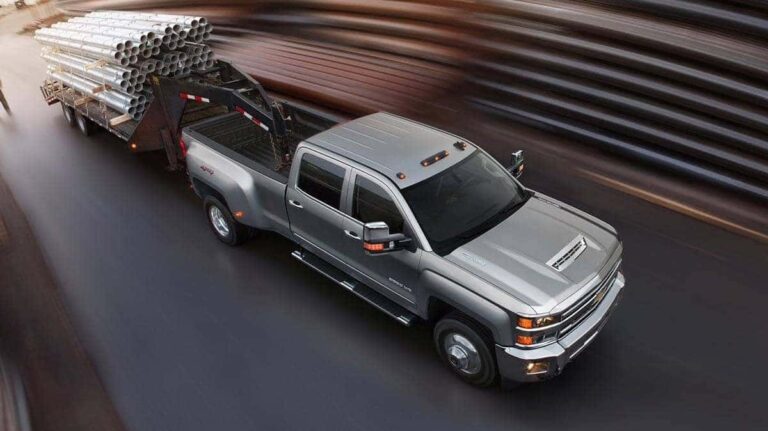
Light-Duty Cab Trucks (Class 1-3): These are typically chassis cab versions of heavy-duty pickups, with GVWRs ranging from 6,000 to 14,000 pounds. Examples include the Ford F-350/F-450 Chassis Cab, Ram 3500/4500/5500 Chassis Cab, and Chevrolet Silverado 3500/4500HD Chassis Cab.
- They are popular for lighter service bodies, smaller dump trucks, or landscaping applications. Their smaller footprint and easier maneuverability make them ideal for urban environments and jobs that don’t require extreme payloads.
- Many small businesses and independent contractors find these models to be an excellent entry point due to their lower initial cost and often simpler maintenance requirements. They offer a great balance of capability and accessibility.
-
Medium-Duty Cab Trucks (Class 4-6): With GVWRs between 14,001 and 26,000 pounds, these trucks bridge the gap between light-duty and heavy-duty options. Popular models include the Ford F-550/F-650/F-750, Isuzu N-Series, Hino 195, and Freightliner M2 106.
- These are workhorses for a vast array of vocations, from delivery services and utility companies to construction and municipal operations. They can support larger box bodies, medium-sized dump bodies, or more complex utility setups.
- Pro tips from us: Always match the truck’s duty class to your primary application. Over-specifying can lead to unnecessary costs, while under-specifying can result in safety hazards and premature wear.
-
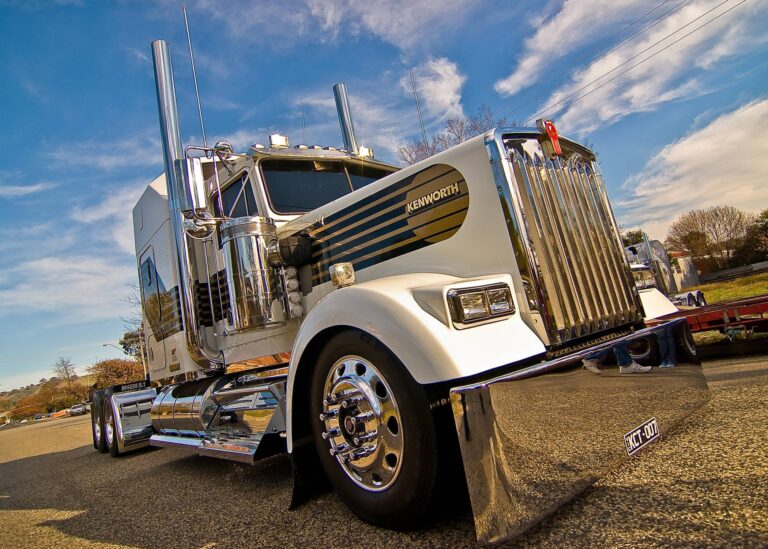
Heavy-Duty Cab Trucks (Class 7-8): These behemoths boast GVWRs exceeding 26,001 pounds, with Class 8 trucks having a GVWR over 33,000 pounds. This category includes iconic brands like Peterbilt, Kenworth, Freightliner, Volvo, and International.
- Heavy-duty cab trucks are designed for the most demanding tasks, such as long-haul trucking, large-scale construction, refuse collection, and heavy equipment transport. They are built for extreme durability and continuous operation under significant loads.
- When exploring heavy-duty cab trucks for sale, you’ll encounter a wider range of engine options, axle configurations, and frame strengths, all designed to tackle the toughest jobs with reliability and power.
By Cab Configuration: Comfort and Crew Capacity
Beyond duty class, the cabin itself comes in various configurations, impacting passenger capacity and interior space.
-
Standard Cab (Single Cab): This configuration offers seating for one or two passengers (driver plus one) and is the most compact option. It maximizes the available chassis length for body mounting.
- Often chosen for applications where crew transport isn’t a priority, such as dedicated dump trucks, certain service vehicles, or specialized equipment carriers. It’s typically the most cost-effective cab option.
-
Extended Cab (King Cab, SuperCab): Providing additional space behind the front seats, often with smaller, fold-down rear seats or extra storage. Access to the rear is typically via smaller, rear-hinged doors.
- Suitable for crews of 3-4, offering a balance between cab space and cargo capacity. It’s a popular choice for supervisors or teams needing to carry extra tools or gear securely inside the cabin.
-
Crew Cab (Double Cab, Quad Cab): The largest cab option, featuring four full-sized doors and comfortable seating for up to five or six passengers. This configuration prioritizes crew comfort and transport.
- Ideal for work crews, emergency services, or any operation requiring multiple personnel to travel together. While it reduces the available chassis length for the body, the benefit of increased crew capacity often outweighs this trade-off for many businesses.
Key Factors to Consider When Looking for Cab Trucks For Sale
Purchasing a cab truck is a significant investment that requires careful consideration of numerous factors. Each decision directly impacts the truck’s performance, efficiency, and suitability for your specific business operations.
1. Intended Use and Application
This is the foundational question. What exactly will the truck be doing? Are you hauling heavy materials, transporting equipment, delivering goods, or providing a mobile service? Your answers will dictate the necessary GVWR, engine power, chassis length, and axle configuration.
A landscaping company needing a dump body will have different requirements than a utility company needing a service body with a crane. Clearly defining your primary and secondary uses will streamline your search for cab trucks for sale.
2. Gross Vehicle Weight Rating (GVWR)
The GVWR is paramount. It determines the maximum weight the truck can safely handle, including its own weight, fuel, passengers, and the mounted body with its cargo. Exceeding the GVWR is not only illegal but also dangerous, leading to accelerated wear, poor handling, and potential accidents.
Common mistakes to avoid are underestimating your GVWR needs, especially if you plan to add heavy equipment or frequently carry maximum loads. Always factor in the weight of the proposed body and your heaviest anticipated payload.
3. Engine and Drivetrain
The engine is the heart of your cab truck, dictating its power, torque, and fuel efficiency. Diesel engines are prevalent in medium and heavy-duty trucks for their durability, torque, and better fuel economy under load. Gasoline engines are common in lighter-duty chassis cabs and can be more economical for certain applications.
Consider the terrain you’ll be operating on (flat vs. hilly) and whether 2-wheel drive (2WD) or 4-wheel drive (4WD) is necessary. For off-road or challenging conditions, 4WD offers superior traction and capability.
4. Transmission Type
Most modern cab trucks for sale offer either automatic or manual transmissions. Automatic transmissions provide ease of operation, especially in stop-and-go traffic, and are increasingly sophisticated. Manual transmissions, while less common in newer models, offer precise control and can be preferred by some drivers for specific tasks.
Your choice should consider driver preference, the type of work, and the need for power take-off (PTO) functionality, which powers auxiliary equipment like hydraulic pumps for dump beds or cranes.
5. Chassis Length and Frame Strength
The length of the chassis rails determines the maximum length of the body you can mount. Manufacturers offer various "Cab-to-Axle" (CA) or "Back of Cab to End of Frame" (BOC) measurements. Matching this to your desired body type is critical for proper weight distribution and legal compliance.
Frame strength, often measured by "Resisting Bending Moment" (RBM), indicates the frame’s ability to withstand twisting and bending forces. Heavier applications require stronger frames, which are typically thicker and deeper.
6. Axle Configuration
Cab trucks come with different axle configurations. A single rear axle is common for lighter and medium-duty applications. Tandem rear axles (two rear axles) are found on heavy-duty trucks, significantly increasing payload capacity and improving weight distribution.
The Gross Axle Weight Rating (GAWR) for both front and rear axles must also be considered, as this limits the weight that can be placed over each axle. This is vital for maintaining legal weight limits and ensuring safe operation.
7. Maintenance History (Especially for Used Trucks)
For used cab trucks for sale, a detailed maintenance history is invaluable. It provides insights into how well the vehicle has been cared for, revealing potential issues or upcoming maintenance needs. Look for records of regular oil changes, filter replacements, brake servicing, and any major repairs.
A lack of maintenance records should be a red flag, as it could indicate neglect and potentially lead to costly repairs down the road. This is where a pre-purchase inspection becomes even more critical.
8. Budget and Financing
Your budget will heavily influence whether you opt for a new or used cab truck. New trucks offer warranties, the latest technology, and full customization options, but come with a higher price tag. Used trucks are more budget-friendly but may require more immediate maintenance.
Explore financing options, including commercial loans, leases, and lines of credit. Understand interest rates, down payments, and repayment terms to ensure the purchase is financially viable for your business.
The Buying Journey: Finding the Right Cab Truck
Once you’ve defined your needs, the next step is to navigate the market to find the perfect cab truck. Both new and used options present distinct advantages and challenges.
New Cab Trucks For Sale
Advantages:
- Warranty: Provides peace of mind against manufacturing defects and major component failures.
- Latest Technology: Access to advanced safety features, fuel efficiency improvements, and in-cab connectivity.
- Full Customization: You can specify every detail, from engine size and transmission to axle ratios and interior features, directly from the manufacturer.
- Reliability: A new truck is less likely to have immediate mechanical issues, reducing downtime.
Where to Buy:
- Authorized Dealerships: The primary source for new cab trucks. Dealerships offer sales, service, parts, and often financing. They can also assist with upfitting coordination.
- Manufacturer Websites: Provide detailed specifications, build-your-own tools, and locate nearby dealers.
Used Cab Trucks For Sale
Advantages:
- Cost Savings: Significantly lower purchase price compared to new models.
- Immediate Availability: Often available for quick purchase, avoiding potential factory order lead times.
- Depreciation Savings: The steepest depreciation occurs in the first few years; buying used means someone else absorbed that initial loss.
Disadvantages:
- Wear and Tear: Used trucks will have accumulated mileage and operational hours, leading to natural wear.
- Potential Hidden Issues: Without a thorough inspection, you risk inheriting mechanical problems.
- Limited Customization: You’re working with existing specifications, though aftermarket modifications are still possible.
Where to Buy:
- Commercial Truck Dealerships: Many dealerships specialize in used commercial vehicles and offer certified pre-owned options.
- Online Marketplaces: Websites like TruckPaper, Commercial Truck Trader, and Ritchie Bros. Auctioneers feature vast listings from dealers and private sellers.
- Auctions: Can offer competitive pricing but often involve "as-is" sales, requiring a high level of expertise to assess vehicles quickly.
- Private Sellers: May offer lower prices but come with fewer protections and require more diligence on the buyer’s part.
Crucial Steps for Used Cab Trucks:
- Thorough Inspection (Pre-Purchase Inspection – PPI): Based on my experience, investing in a professional pre-purchase inspection is non-negotiable for used cab trucks. A qualified, independent mechanic specializing in commercial vehicles should inspect the engine, transmission, frame, suspension, brakes, electrical system, and all other critical components. This can uncover costly issues before you buy.
- Vehicle History Report: Obtain a report from services like CARFAX or a VIN check. This report can reveal accident history, previous owners, service records (if reported), and odometer discrepancies.
- Test Drive: Take the truck for an extended test drive under conditions similar to your intended use. Pay attention to engine performance, transmission shifting, braking, steering, and any unusual noises or vibrations.
Understanding the "Chassis" – The Foundation of Your Cab Truck
The chassis is the skeletal structure of your cab truck, and its design is paramount to the vehicle’s capacity and adaptability. When looking at cab trucks for sale, you’re essentially buying this robust foundation.
Frame Types
Most commercial cab trucks utilize a ladder frame, characterized by two long, parallel frame rails connected by crossmembers. This design offers immense strength and flexibility, ideal for supporting heavy loads and enduring torsional stress. It’s the standard for vocational trucks due to its durability and ease of body mounting.
Less common in heavy commercial applications is the unibody construction, which integrates the body and frame into a single structure. While lighter and stiffer for passenger vehicles, it lacks the modularity and load-bearing capacity required for most commercial cab truck applications.
Frame Rail Spacing and Upfitting
The spacing between the frame rails is a critical dimension for aftermarket body installation. Standardized widths exist, but variations can occur between manufacturers and models. Ensuring compatibility with your chosen body is essential for a seamless and safe upfit.
Aftermarket body upfitting is where the cab truck truly shines. This process involves mounting the specialized body or equipment onto the bare chassis. Common body types include:
- Dump Bodies: For hauling loose materials like sand, gravel, and demolition debris.
- Flatbeds: For transporting large, unwieldy items or palletized goods.
- Service/Utility Bodies: Featuring compartments and shelving for tools and equipment, often with cranes or air compressors.
- Box Trucks: Enclosed bodies for general freight, moving, or refrigerated transport.
- Recovery Wreckers: Specialized bodies with winches and booms for vehicle recovery.
For a deeper dive into choosing the perfect truck body, check out our guide on . This article provides detailed insights into various body types and how to match them to your operational requirements.
Legality, Licensing, and Regulations: Staying Compliant
Operating a cab truck, especially a commercial one, involves a host of legal and regulatory considerations. Understanding these ensures you remain compliant and avoid costly penalties.
CDL Requirements
Whether you need a Commercial Driver’s License (CDL) depends primarily on the truck’s GVWR and its intended use.
- Class A CDL: Required for combinations of vehicles with a GVWR of 26,001 pounds or more, provided the GVWR of the vehicle(s) being towed is more than 10,000 pounds.
- Class B CDL: Required for single vehicles with a GVWR of 26,001 pounds or more, or such a vehicle towing a vehicle not heavier than 10,000 pounds GVWR.
- Class C CDL: Required for vehicles that do not meet Class A or B criteria but are designed to transport 16 or more passengers (including the driver) or transport hazardous materials.
Most medium and heavy-duty cab trucks will require at least a Class B CDL, sometimes a Class A if towing heavy trailers. Light-duty chassis cabs, if kept under 26,000 lbs GVWR and not hauling hazardous materials or many passengers, might not require a CDL.
DOT Regulations
The Department of Transportation (DOT) imposes stringent regulations on commercial vehicles. These cover everything from driver hours of service (HOS) and vehicle maintenance to cargo securement and annual inspections. If your cab truck is used in interstate commerce or meets certain intrastate criteria, you’ll need to comply with these rules.
For the most up-to-date information on federal trucking regulations, refer to the Federal Motor Carrier Safety Administration (FMCSA) website. This trusted resource provides comprehensive details on all compliance requirements.
Registration and Insurance
Proper registration and adequate insurance are non-negotiable. Registration fees often vary by GVWR and state. Commercial vehicle insurance typically includes liability, collision, comprehensive, and sometimes specialized coverage like cargo insurance or non-owned trailer coverage.
Ensure your insurance policy is comprehensive enough to cover the specific risks associated with your cab truck’s operation and the valuable equipment or cargo it carries.
Ownership and Maintenance Tips for Your Cab Truck
The purchase of a cab truck is just the beginning of your journey. Proper maintenance is key to maximizing its lifespan, ensuring reliability, and protecting your investment.
Regular Servicing
Adhere strictly to the manufacturer’s recommended service schedule. This typically includes:
- Oil and Filter Changes: Crucial for engine longevity. Commercial vehicles often have specific oil types and shorter service intervals.
- Fluid Checks: Regularly inspect and top off coolant, transmission fluid, brake fluid, and power steering fluid.
- Fuel Filter Replacement: Especially important for diesel engines to protect fuel injectors.
- Air Filter Replacement: Ensures optimal engine performance and fuel economy.
Brake System Maintenance
Given the heavy loads cab trucks carry, the braking system is critical. Regular inspections of brake pads/shoes, drums/rotors, calipers, and hydraulic/air lines are essential. Any signs of wear or diminished performance should be addressed immediately by a qualified technician.
Properly functioning brakes are not just about compliance; they are paramount for safety on the road. Don’t defer brake maintenance.
Tire Care
Tires are another major expense and a critical safety component.
- Inflation: Maintain correct tire pressure as specified by the manufacturer. Under-inflation leads to excessive heat, premature wear, and reduced fuel efficiency.
- Rotation: Regular tire rotation helps ensure even wear and extends tire life.
- Inspection: Check for cuts, bulges, uneven wear patterns, and embedded objects.
Uneven tire wear can indicate alignment issues or suspension problems, which should be investigated promptly.
Preventative Maintenance Schedules
Beyond routine servicing, establish a preventative maintenance (PM) schedule that addresses all major systems. This proactive approach helps identify and rectify minor issues before they escalate into costly failures. Your PM schedule should be tailored to your truck’s age, mileage, and typical operating conditions.
This might include checking belts and hoses, inspecting electrical systems, lubricating chassis components, and performing diagnostic scans. A well-executed PM program is the best defense against unexpected breakdowns.
Record Keeping
Maintain meticulous records of all maintenance, repairs, and inspections. These records are invaluable for tracking expenses, demonstrating compliance with DOT regulations, and can significantly increase the resale value of your truck. Digital record-keeping systems can simplify this process.
Discover more ways to extend your truck’s lifespan in our detailed post on . This article delves deeper into specific maintenance practices that can save you time and money.
Conclusion: Your Smart Investment in Cab Trucks For Sale
The journey of finding and acquiring the perfect cab truck for sale is a strategic endeavor that requires thorough research, careful consideration, and expert guidance. From understanding the nuances of duty classes and cab configurations to navigating the complexities of financing, regulations, and long-term maintenance, every step is crucial in ensuring your investment pays dividends.
By leveraging the insights and practical advice provided in this comprehensive guide, you are now equipped to approach the market with confidence. Remember, a cab truck isn’t just a purchase; it’s a vital asset, a customizable solution designed to drive the efficiency and productivity of your business. Make an informed decision, prioritize safety and compliance, and embark on a successful journey with your new workhorse. Your future on the road, tailored to perfection, starts now.