The Ultimate Guide to Box Trucks With Lift Gates For Sale: Everything You Need to Know Before You Buy
The Ultimate Guide to Box Trucks With Lift Gates For Sale: Everything You Need to Know Before You Buy Typestruck.Guidemechanic.com
In the dynamic world of logistics, moving, and commercial operations, efficiency and safety are paramount. Whether you’re a small business owner, a dedicated mover, or a logistics manager, the right equipment can make all the difference. Enter the unsung hero of heavy lifting and seamless transport: the box truck with a lift gate. This powerful combination isn’t just a vehicle; it’s a strategic asset that can transform your operations.
If you’re currently searching for box trucks with lift gates for sale, you’ve come to the right place. This comprehensive guide will delve deep into every facet of these indispensable vehicles, offering expert insights, practical advice, and everything you need to know to make an informed purchase. Our goal is to equip you with the knowledge to find the perfect truck that meets your specific needs, ensuring long-term value and operational excellence.
The Ultimate Guide to Box Trucks With Lift Gates For Sale: Everything You Need to Know Before You Buy
Understanding the Powerhouse Combination: Box Truck and Lift Gate
Before we dive into the specifics of finding box trucks with lift gates for sale, let’s first clarify what makes this pairing so incredibly effective.
What is a Box Truck?
A box truck, also commonly known as a straight truck or cube van, is a commercial vehicle characterized by its separate chassis and a large, enclosed rectangular cargo area, or "box," mounted directly onto the frame. Unlike tractor-trailers, the cab and the cargo area are typically one integrated unit, making them highly maneuverable and suitable for urban deliveries and local transport. They come in various sizes, from smaller 12-foot models perfect for local deliveries to larger 26-foot versions capable of handling substantial payloads.
The enclosed nature of the cargo area provides excellent protection for goods against weather, theft, and road debris. This makes them ideal for transporting everything from furniture and appliances to packaged goods and specialized equipment. The robust construction is designed to withstand the rigors of commercial use, offering a reliable platform for various business needs.
What is a Lift Gate?
A lift gate is a mechanical device installed at the rear of a truck or van, designed to assist in loading and unloading heavy or bulky items from ground level to the cargo bed and vice versa. It essentially acts as a powerful, movable platform that eliminates the need for manual lifting or ramps. Operated hydraulically, lift gates significantly reduce the physical strain on workers, minimize the risk of injury, and protect goods from potential damage during handling.
These devices are crucial for businesses that frequently deal with heavy freight, such as palletized goods, machinery, or large appliances. The presence of a lift gate transforms a standard box truck into a highly efficient loading and unloading machine, drastically cutting down on labor time and improving overall operational flow.
Why Are They a Powerful Combination?
The synergy between a box truck and a lift gate creates an unparalleled solution for countless commercial applications. A box truck provides the secure, spacious cargo capacity, while the lift gate provides the means to efficiently manage that cargo.
This combination is a game-changer for businesses prioritizing safety, speed, and cost-effectiveness. It allows a single operator to handle items that would otherwise require multiple people or specialized loading dock equipment. For any business that moves goods from ground level, investing in a box truck with a lift gate is not just a convenience; it’s a strategic advantage that pays dividends in productivity and safety.
The Different Types of Lift Gates Explained
When you’re exploring box trucks with lift gates for sale, you’ll encounter several types of lift gates, each with unique advantages tailored to different operational needs. Understanding these variations is key to choosing the right truck.
1. Tuck-Away Lift Gates
Tuck-away lift gates are incredibly popular due to their ability to fold and store neatly underneath the truck’s bed when not in use. This design keeps the platform out of the way, allowing for easy access to the cargo area via traditional dock loading or when the lift gate is not needed.
Based on my experience, tuck-away gates are excellent for businesses that often use loading docks but occasionally require ground-level loading. They maintain the truck’s rear aesthetic and protect the gate mechanism from potential damage during transit or tight maneuvers. They typically have a lower lifting capacity compared to rail gates but are highly versatile for mixed operations.
2. Rail Lift Gates (Conventional Lift Gates)
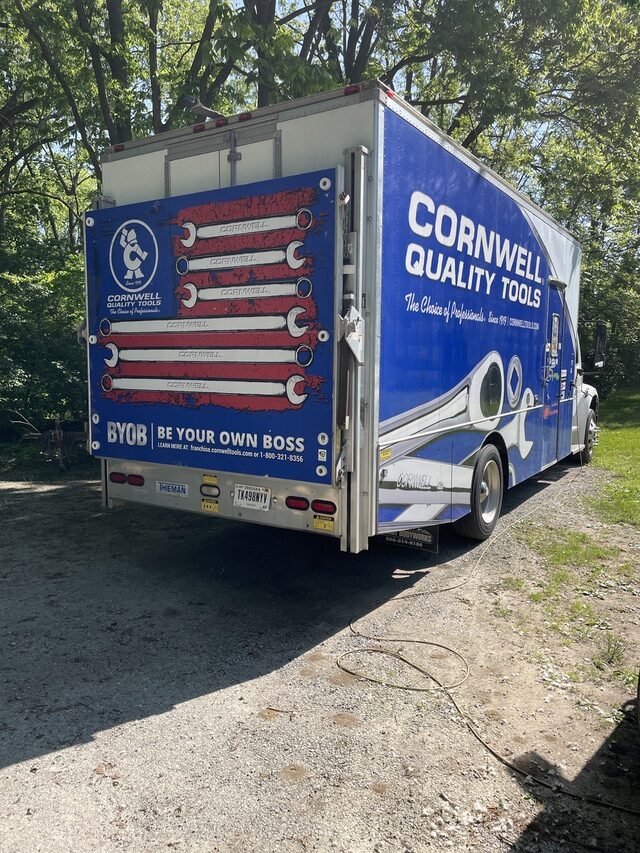
Rail lift gates, also known as conventional or column gates, are characterized by a large, rigid platform that moves up and down along vertical rails mounted to the rear of the truck. When not in use, the platform typically folds up to cover the entire rear opening of the truck, often acting as the primary rear door.
These gates are known for their robust construction and higher lifting capacities, making them ideal for extremely heavy loads, such as large machinery or multiple pallets. Pro tips from us suggest that rail gates are perfect for operations where ground-level loading is the primary method and maximum lifting power is essential. However, they can obstruct dock loading unless the platform is lowered.
3. Slider Lift Gates
Slider lift gates offer a clever compromise between tuck-away and rail gates. The platform slides out from underneath the truck’s body and then lifts vertically. When stowed, it’s completely hidden, preserving the truck’s rear access and appearance, similar to a tuck-away.
This design combines the benefits of hidden storage with a sturdy lifting mechanism. Slider gates are often found on larger box trucks and semi-trailers, providing significant lifting capacity while maintaining a clean rear profile. They are particularly useful for businesses that need a robust lift gate but also require unobstructed access to loading docks.
4. Column Lift Gates
Column lift gates are similar to rail gates in that they use vertical columns at the rear of the truck, but their platforms often fold in half horizontally before stowing vertically against the truck body. This allows for a more compact storage solution compared to a full rail gate while still offering strong lifting capabilities.
They are a good choice for operations needing substantial lift capacity and a durable gate, with a slightly more streamlined stowing option than some traditional rail gates. The choice among these types will significantly influence your truck’s functionality, so consider your typical cargo and loading environment carefully.
The Undeniable Benefits of Owning a Box Truck with a Lift Gate
Investing in box trucks with lift gates for sale isn’t just about buying a vehicle; it’s about acquiring a suite of operational advantages. These benefits translate directly into improved efficiency, safety, and profitability for your business.
1. Enhanced Efficiency and Speed
The most immediate benefit is the dramatic increase in loading and unloading efficiency. Without a lift gate, moving heavy items requires ramps, multiple personnel, or specialized forklifts – all of which take time and effort. A lift gate streamlines this process, allowing a single operator to quickly and safely move items from ground level to the truck bed.
This efficiency reduces turnaround times at delivery points, allowing drivers to complete more stops in a day. For businesses focused on timely deliveries or rapid service, this speed advantage is invaluable, directly contributing to customer satisfaction and increased revenue.
2. Improved Safety and Reduced Injuries
Manual lifting of heavy objects is a leading cause of workplace injuries, particularly back strains and muscle sprains. A lift gate virtually eliminates the need for strenuous manual lifting, significantly reducing the risk of injuries to your employees.
By automating the heaviest part of the loading process, you create a safer working environment. This not only protects your valuable team members but also reduces potential workers’ compensation claims, lost workdays, and associated costs. Safety isn’t just a compliance issue; it’s a fundamental aspect of a responsible and sustainable business.
3. Versatility for Diverse Operations
Box trucks with lift gates are incredibly versatile, making them suitable for a wide array of industries and tasks. From furniture delivery and appliance installation to catering services, event setup, and general freight transport, their utility is broad.
They are perfect for businesses that handle bulky or fragile items that require careful handling. This versatility means your investment can support various aspects of your operations, adapting to changing business needs and expanding service offerings.
4. Significant Cost Savings
While there’s an initial investment, the long-term cost savings are substantial. Reduced labor requirements for loading and unloading can lead to lower payroll expenses or allow existing staff to be more productive. Moreover, the lift gate minimizes the risk of damage to goods during transit, reducing replacement costs and insurance claims.
Fewer worker injuries also mean lower healthcare costs and insurance premiums. These combined savings quickly offset the initial purchase price, making a lift gate-equipped box truck a financially shrewd decision for any growing business.
5. Professional Image and Customer Satisfaction
Arriving at a client’s location with a professional box truck equipped with a lift gate projects an image of competence and reliability. It demonstrates that your business is well-equipped to handle their goods safely and efficiently.
This professional approach can enhance customer satisfaction and build trust. Clients appreciate businesses that invest in tools to provide a seamless and secure service, which can lead to repeat business and positive referrals.
Key Factors to Consider When Buying Box Trucks With Lift Gates For Sale
Navigating the market for box trucks with lift gates for sale requires careful consideration of several critical factors. Making an informed decision here will ensure your investment aligns perfectly with your operational demands and budget.
1. Truck Size and Capacity
The size of the box truck, measured by its cargo box length (e.g., 12 ft, 16 ft, 20 ft, 24 ft, 26 ft), and its Gross Vehicle Weight Rating (GVWR) are paramount. The GVWR indicates the maximum operating weight of the truck, including the chassis, body, engine, fuel, accessories, driver, passengers, and cargo.
Pro tips from us suggest you accurately assess the volume and weight of the goods you typically transport. Overloading a truck is dangerous and illegal, while buying an excessively large truck can lead to unnecessary fuel and maintenance costs. Consider not just your current needs, but also potential future growth.
2. Lift Gate Type and Capacity
As discussed, different lift gate types serve different purposes. Beyond the type, its lifting capacity is crucial. Lift gates are rated for specific maximum weights (e.g., 1,500 lbs, 2,500 lbs, 3,000 lbs, 4,000 lbs).
Always choose a lift gate with a capacity that comfortably exceeds your heaviest anticipated load. Underestimating this can lead to equipment failure, safety hazards, and costly repairs. Also, consider the platform size – does it accommodate your largest pallets or items?
3. Engine and Fuel Type
Box trucks typically come with either gasoline or diesel engines.
- Gasoline engines are generally less expensive to purchase, quieter, and more common in smaller to medium-sized box trucks. They are often preferred for urban driving with frequent stops.
- Diesel engines offer superior fuel economy, more torque for heavy loads, and greater durability, making them ideal for larger trucks and long-haul operations. However, they have higher upfront costs and maintenance can be more specialized.
Evaluate your typical routes and loads to decide which engine type offers the best balance of performance and operating cost for your business.
4. Transmission Type
Most modern box trucks offer automatic transmissions, which simplify driving and reduce driver fatigue, especially in stop-and-go traffic. Manual transmissions, while less common, can offer better fuel efficiency for experienced drivers and are often found in older models or heavy-duty applications.
For most commercial operations, particularly with multiple drivers, an automatic transmission is often the preferred choice due to its ease of use and reduced training requirements.
5. Condition: New vs. Used
The decision between a new or used box truck with a lift gate is largely dependent on your budget and immediate needs.
- New trucks offer the latest technology, full warranties, and no wear and tear. They come with a higher price tag but provide peace of mind.
- Used trucks are significantly more affordable, allowing you to acquire a capable vehicle for a fraction of the cost. However, they require more diligent inspection and may come with higher maintenance risks.
Based on my experience, a well-maintained used truck can be an excellent value, but thorough due diligence is non-negotiable.
6. Maintenance History (for Used Trucks)
When considering used box trucks with lift gates for sale, a detailed maintenance history is invaluable. This includes records of oil changes, brake service, tire rotations, and critically, lift gate hydraulic system maintenance.
A complete history indicates a responsible previous owner and helps predict future maintenance needs. Lack of records is a major red flag. Always request these documents and, if unavailable, proceed with extreme caution. can provide more in-depth advice on this.
7. Additional Features and Accessories
Consider additional features that can enhance functionality and driver comfort:
- Door Type: Roll-up doors are fast and convenient, while swing doors offer a wider opening and can be more secure.
- Cargo Management: E-track systems, tie-downs, and load bars are essential for securing cargo.
- Climate Control: Refrigerated or heated boxes are crucial for temperature-sensitive goods.
- Driver Comfort: Air conditioning, power windows, and comfortable seating improve driver satisfaction and productivity.
Where to Find Box Trucks With Lift Gates For Sale
Finding the right box trucks with lift gates for sale can be an extensive search, but knowing where to look streamlines the process significantly.
1. Commercial Truck Dealerships
Dedicated commercial truck dealerships are an excellent starting point, especially if you’re looking for new or certified pre-owned vehicles. They offer a wide selection, often have financing options, and provide warranties and service packages.
Dealers typically have knowledgeable sales staff who can guide you through specifications and options. They are also a reliable source for late-model used trucks that have been inspected and reconditioned.
2. Online Marketplaces
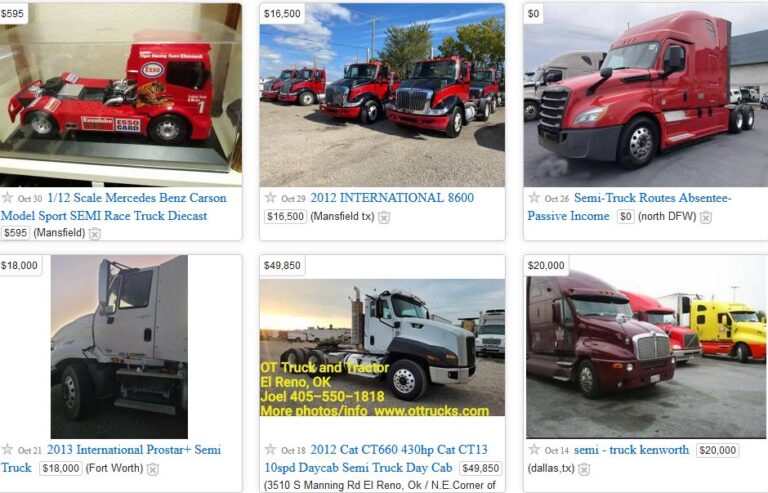
The internet has revolutionized the way we buy commercial vehicles. Websites like TruckPaper.com, CommercialTruckTrader.com, and RitchieSpecs.com are specialized platforms listing thousands of box trucks with lift gates for sale from dealers and private sellers nationwide.
General online classifieds such as eBay Motors, Craigslist, and Facebook Marketplace can also yield results, particularly for smaller or older models. Be cautious with private sellers and always verify information.
3. Auctions (Government and Private)
Truck auctions, both public and private, can be a source of significant savings. Government auctions (e.g., surplus federal, state, or municipal vehicles) often feature well-maintained vehicles. Private auctions from fleet liquidations or repossessions can also offer good deals.
Common mistakes to avoid are buying at auction without a prior inspection. Auction vehicles are typically sold "as-is," so a thorough pre-purchase inspection is even more critical here.
4. Private Sellers
You might find good deals directly from businesses upgrading their fleets or individual owners selling their trucks. This route can sometimes lead to lower prices as there’s no dealer markup.
However, private sales require extra vigilance regarding vehicle history, mechanical condition, and legal paperwork. Always meet in a safe, public place and bring a mechanic for inspection.
The Buying Process: A Step-by-Step Guide
Once you’ve identified potential box trucks with lift gates for sale, follow a structured buying process to ensure a smart and secure purchase.
1. Define Your Needs Clearly
Before you even start browsing, precisely define what you need. What’s your average payload weight? How many miles will you drive daily? What type of terrain? Do you need refrigeration? What’s your budget range? Answering these questions will narrow your search significantly.
2. Set Your Budget
Beyond the purchase price, consider the total cost of ownership. This includes insurance, fuel, maintenance, tires, and potential financing costs. Get pre-approved for financing if needed, so you know your spending limit. can help you explore options.
3. Research and Compare
Use the resources mentioned above to research available trucks. Compare prices, features, mileage, and condition for similar models. Read reviews of specific truck makes and models to understand their reliability and common issues.
4. Inspect Thoroughly
This is arguably the most crucial step, especially for used trucks.
- Visual Inspection: Check for rust, dents, tire wear, fluid leaks, and overall condition of the box and lift gate.
- Mechanical Inspection: If possible, hire a certified mechanic specializing in commercial trucks to conduct a pre-purchase inspection. They can identify hidden issues with the engine, transmission, brakes, and suspension.
- Lift Gate Functionality: Test the lift gate multiple times with a significant load (if safe to do so). Check for smooth operation, unusual noises, and hydraulic leaks.
5. Test Drive
Never buy a truck without a comprehensive test drive. Pay attention to how the truck handles, brakes, shifts gears (if manual), and accelerates. Listen for any unusual noises from the engine or suspension. Test it under conditions similar to how you’ll use it – perhaps on a highway and in stop-and-go traffic.
6. Negotiate
Armed with your inspection findings and market research, negotiate the price. Don’t be afraid to walk away if the deal doesn’t feel right or if the seller is unwilling to address concerns.
7. Finalize Paperwork and Financing
Once you agree on a price, ensure all paperwork is in order: title, registration, bill of sale, and any lien releases. Understand the terms of your financing if applicable. Make sure the truck is properly insured before you drive it off the lot.
Operating and Maintaining Your Box Truck with a Lift Gate
Owning a box truck with a lift gate is a significant asset, and proper operation and diligent maintenance are key to maximizing its lifespan and ensuring continuous, safe performance.
1. Safety Protocols for Lift Gates
Safety should always be the top priority.
- Training: Ensure all operators are thoroughly trained on the correct and safe operation of the lift gate, including understanding its weight limits and emergency procedures.
- Daily Checks: Before each use, conduct a quick visual inspection of the lift gate. Check for hydraulic fluid leaks, loose wires, bent components, and proper platform alignment.
- Clear Area: Always ensure the area around the lift gate is clear of people and obstructions before operating it. Use cones or warning signs if necessary.
- Secure Load: Always secure items on the lift gate platform to prevent them from shifting or falling during operation.
2. Regular Maintenance Schedule
Preventative maintenance is far more cost-effective than reactive repairs.
- Engine & Drivetrain: Follow the manufacturer’s recommended service intervals for oil changes, fluid checks, filter replacements, and tune-ups.
- Brakes & Tires: Regularly inspect brake pads, rotors, and fluid levels. Monitor tire pressure and tread depth, rotating and replacing tires as needed.
- Lift Gate Hydraulics: The lift gate’s hydraulic system requires specialized attention. Regularly check hydraulic fluid levels, inspect hoses and connections for leaks, and lubricate moving parts. Based on my experience, neglecting lift gate maintenance is a common cause of costly breakdowns and can lead to dangerous operational failures.
3. Common Issues and Troubleshooting
Even with proper maintenance, issues can arise.
- Lift Gate Not Responding: Check the power supply, fuses, and remote control batteries. It could also indicate low hydraulic fluid or a faulty motor.
- Slow Operation: This might point to low hydraulic fluid, a clogged filter, or a worn pump.
- Uneven Lifting: Could be a sign of a bent component, air in the hydraulic lines, or uneven weight distribution.
Always consult the owner’s manual for troubleshooting steps and seek professional help for complex issues.
4. DOT Regulations (if applicable)
If your box truck exceeds certain weight thresholds or is used for interstate commerce, it may be subject to Department of Transportation (DOT) regulations. These include mandatory inspections, driver qualification requirements, and hours-of-service rules. Familiarize yourself with all relevant regulations to ensure compliance and avoid penalties. can provide detailed information.
Common Mistakes to Avoid When Buying Box Trucks With Lift Gates For Sale
Navigating the purchase of a commercial vehicle can be complex. Here are some common pitfalls to steer clear of when looking for box trucks with lift gates for sale.
1. Buying Without a Thorough Inspection
This is perhaps the biggest mistake. Relying solely on pictures or a seller’s word is risky. Always conduct a detailed visual inspection and, ideally, have a qualified mechanic perform a pre-purchase inspection. Skipping this step can lead to unexpected and expensive repairs down the line.
2. Underestimating Operational Costs
The sticker price is just the beginning. Many buyers forget to factor in ongoing costs like fuel, insurance, maintenance, tires, and potential repairs. Create a comprehensive budget that includes all these elements to avoid financial surprises.
3. Choosing the Wrong Size or Type
Purchasing a truck that’s too small for your heaviest loads or too large for your typical routes will lead to inefficiencies. Similarly, selecting the wrong lift gate type (e.g., a low-capacity tuck-away when you need a high-capacity rail gate) will hinder your operations. Accurately assess your needs before committing.
4. Neglecting Maintenance History (for Used Trucks)
A truck without a verifiable maintenance history is a gamble. It indicates a lack of care from the previous owner, and you might inherit a host of unresolved mechanical issues. Always prioritize trucks with comprehensive service records.
5. Not Understanding Financing Options
Don’t jump into the first financing deal offered. Research different lenders, compare interest rates, terms, and repayment schedules. A small difference in interest rate can save you thousands over the life of the loan. Ensure you understand all clauses before signing any agreements.
Conclusion: Making an Informed Investment
The search for box trucks with lift gates for sale is more than just a transaction; it’s an investment in your business’s future. By equipping yourself with the knowledge outlined in this comprehensive guide, you are empowered to make a decision that will enhance your operational efficiency, safeguard your employees, and contribute to your bottom line.
Remember to prioritize your specific needs, conduct thorough research, and never shy away from professional inspections. A well-chosen box truck with a robust lift gate is a workhorse that will serve your business reliably for years to come. Start your search with confidence, knowing you have the insights to find the perfect commercial vehicle that drives your success forward.