The Ultimate Guide to 3/4 Ton Work Trucks For Sale: Finding Your Perfect Heavy-Duty Partner
The Ultimate Guide to 3/4 Ton Work Trucks For Sale: Finding Your Perfect Heavy-Duty Partner Typestruck.Guidemechanic.com
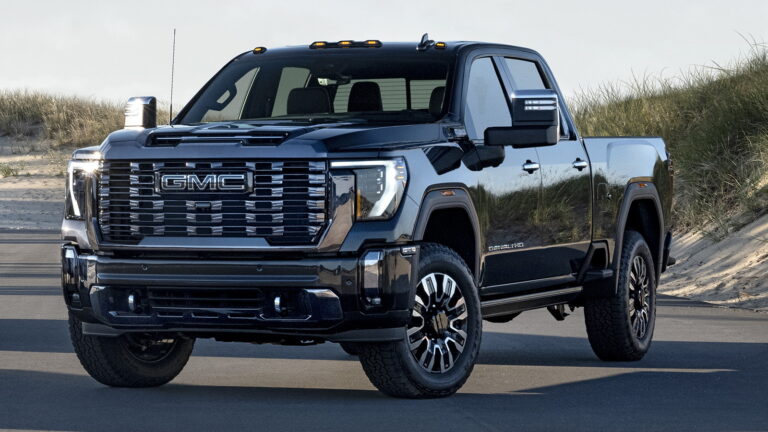
For many businesses and serious enthusiasts, a standard half-ton pickup just doesn’t cut it. When the job demands more muscle, greater towing capacity, and robust durability, the focus inevitably shifts to the heavy-duty segment. Specifically, the 3/4 ton work truck stands out as the ultimate sweet spot, offering an impressive blend of power and practicality without the sheer scale of a one-ton.
This comprehensive guide is your essential resource for navigating the world of 3/4 ton work trucks for sale. We’ll delve deep into what makes these vehicles indispensable, what to look for, and how to make the smartest purchasing decision. Our goal is to equip you with the knowledge to find a work truck that not only meets but exceeds your professional demands.
The Ultimate Guide to 3/4 Ton Work Trucks For Sale: Finding Your Perfect Heavy-Duty Partner
Understanding the "3/4 Ton" Designation: More Than Just a Number
The term "3/4 ton" is a legacy designation that often causes confusion. Historically, it referred to a truck’s payload capacity – the amount of weight it could carry in its bed. However, modern 3/4 ton trucks can haul significantly more than 1,500 pounds (which is 3/4 of a ton).
Today, the "3/4 ton" classification, often known as "2500" or "250" series trucks, primarily indicates a specific class of heavy-duty vehicle. These trucks are engineered with stronger frames, more robust suspension systems, larger brakes, and often more powerful engine options compared to their half-ton (1500/150 series) counterparts. This enhanced construction allows for substantially higher Gross Vehicle Weight Ratings (GVWR) and Gross Combined Weight Ratings (GCWR), which are the true indicators of a truck’s payload and towing capabilities.
Based on my experience, understanding GVWR and GCWR is paramount. The GVWR is the maximum permissible total weight of the truck itself, including fuel, passengers, cargo, and any accessories. The GCWR, on the other hand, is the maximum allowable weight of the fully loaded truck plus any attached trailer and its cargo. Always consult these official ratings in the owner’s manual or on the truck’s door jamb sticker to ensure you never overload your vehicle, a common mistake that can lead to safety hazards and costly damage.
Who Needs a 3/4 Ton Work Truck? Your Business Demands More
A 3/4 ton work truck isn’t just a bigger pickup; it’s a specialized tool designed for demanding applications. Its enhanced capabilities make it the ideal choice for a wide array of professionals and serious hobbyists.
Consider the construction foreman who needs to transport heavy tools, materials, and potentially a small excavator to a job site. Or perhaps the landscaper hauling multiple pallets of pavers, bags of soil, and a trailer full of commercial mowers. These are scenarios where a half-ton truck would quickly reach its limits, struggling with the weight and potentially compromising safety.
Farmers and ranchers frequently rely on 3/4 ton trucks to tow livestock trailers, transport feed, or pull heavy implements across challenging terrain. Furthermore, businesses that require substantial towing for boats, large RVs, or heavy equipment will find the increased stability and pulling power of a 3/4 ton indispensable. It’s the practical choice for anyone whose daily tasks involve consistently moving significant weight, either in the bed or behind the hitch.
Key Factors to Consider When Buying a 3/4 Ton Work Truck
Purchasing a 3/4 ton work truck is a significant investment, and making an informed decision is crucial. There are several critical factors to weigh before you commit.
New vs. Used: Balancing Cost and Features
One of the first dilemmas you’ll face is whether to buy a new or used 3/4 ton work truck. Both options present distinct advantages and disadvantages.
New 3/4 Ton Work Trucks:
- Pros: You get the latest technology, safety features, and often better fuel efficiency. A full factory warranty provides peace of mind, and you have complete customization options for trim levels, packages, and accessories.
- Cons: New trucks experience significant depreciation the moment they leave the lot. The upfront cost is considerably higher, which can impact your budget.
Used 3/4 Ton Work Trucks:
- Pros: Substantial cost savings are the primary benefit, as the initial depreciation hit has already occurred. You can often get a higher trim level or more features for your money compared to a new base model. Many heavy-duty trucks are built to last, offering years of reliable service even with higher mileage.
- Cons: Warranties may be expired or limited. You might inherit previous maintenance issues, and the technology might be a few generations behind.
Pro tips from us: When considering a used 3/4 ton, always request detailed service records. A well-maintained used truck can be an incredible value, but a neglected one can quickly become a money pit. A pre-purchase inspection by an independent, trusted mechanic is non-negotiable for any used vehicle.
Engine Type: Gas vs. Diesel Powerhouses
The engine choice is arguably the most critical decision for a 3/4 ton work truck, directly impacting performance, efficiency, and long-term costs.
Gas Engines:
- Characteristics: Typically offer lower upfront costs and often have less expensive routine maintenance. They are generally quieter and warm up faster in cold weather.
- Best For: Those who don’t consistently tow at the absolute maximum capacity, have shorter hauls, or operate primarily in urban environments.
- Considerations: While modern gas engines are powerful, they usually don’t match the low-end torque or fuel efficiency of their diesel counterparts when under heavy load.
Diesel Engines:
- Characteristics: Renowned for their immense low-end torque, making them ideal for heavy towing and hauling. They offer superior fuel economy, especially when loaded, and are engineered for exceptional durability and longevity.
- Best For: Businesses or individuals who frequently tow heavy trailers over long distances, operate in demanding conditions, or anticipate high annual mileage.
- Considerations: Diesel trucks typically have a higher purchase price, and their maintenance can be more specialized and costly (e.g., diesel exhaust fluid, specific filters). Cold weather starting can also be more challenging without proper glow plug systems.
Based on my experience, if your work involves consistently towing anything over 10,000 pounds or if you put more than 20,000 miles on your truck annually, the long-term benefits of a diesel engine – including its legendary durability and better fuel economy under load – often outweigh the higher initial investment.
Cab Configuration: Matching Space to Crew Size
The cab style of your 3/4 ton work truck dictates passenger space and, indirectly, bed length. Choose wisely based on your typical crew size and storage needs.
- Regular Cab: Offers seating for two to three passengers and typically comes with the longest available bed. It’s ideal for single operators or small crews who prioritize maximum cargo capacity in the bed.
- Extended Cab (or Quad Cab/SuperCab): Provides a small rear seating area, often with suicide doors or smaller hinged rear doors. This offers extra interior storage or occasional seating for two additional passengers, though legroom is limited. It’s a good compromise for those who sometimes need more passenger space but still want a reasonably long bed.
- Crew Cab (or Double Cab/SuperCrew): Features four full-sized doors and a spacious rear seating area, comfortably accommodating five or six adults. This is the most popular choice for crews, families, or anyone needing significant interior passenger space. Crew cabs often come with shorter bed options to maintain overall vehicle length.
Common mistakes to avoid are underestimating your need for interior space. While a regular cab might seem cheaper, if you frequently transport colleagues or need secure, weatherproof storage for tools inside the cab, you’ll quickly regret the lack of room.
Bed Length: Cargo Capacity vs. Maneuverability
The bed length you choose impacts how much cargo you can carry and how easily your truck maneuvers.
- Short Box (approx. 5.5 – 6.5 feet): Often paired with crew cabs for better maneuverability in tight spaces. Suitable for lighter, shorter cargo or for those who primarily tow and only occasionally use the bed for bulkier items.
- Standard Box (approx. 6.5 – 6.8 feet): A versatile option that balances cargo capacity with reasonable maneuverability. It’s a common choice across all cab configurations.
- Long Box (approx. 8 feet): Provides maximum cargo capacity, essential for hauling long lumber, pipes, or sheet goods without overhang. Typically found on regular or extended cab trucks, though some crew cab models offer it. The trade-off is reduced maneuverability and a longer overall vehicle footprint.
Consider the specific dimensions of the materials or equipment you regularly transport. Will an 8-foot sheet of plywood fit flat with the tailgate closed? These practical questions should guide your decision.
Drivetrain: 2WD vs. 4WD
The choice between two-wheel drive (2WD) and four-wheel drive (4WD) depends entirely on your operational environment.
- 2WD: Generally less expensive, lighter, and offers slightly better fuel economy. It’s perfectly adequate for paved roads and dry, level terrain.
- 4WD: Provides superior traction and control in adverse conditions such as snow, mud, sand, or uneven job sites. Essential for off-road use or for navigating challenging terrains.
Pro tips from us: If your work takes you off paved roads, through unpaved job sites, or if you regularly encounter inclement weather, investing in 4WD is a wise decision. The added capability can prevent costly delays and potential recovery situations.
Towing and Payload Capacity: Know Your Limits
Understanding and respecting your truck’s towing and payload capacities is not just about performance; it’s about safety and legality.
- Payload Capacity: This is the maximum weight your truck can carry, including passengers, cargo, and any accessories or modifications. Exceeding this can stress the suspension, tires, and frame, leading to premature wear and unsafe handling.
- Towing Capacity: This refers to the maximum weight your truck can safely pull. It’s influenced by the engine, transmission, axle ratio, and hitch type.
Common mistakes to avoid are simply looking at the maximum advertised towing capacity. You must factor in the weight of your passengers, cargo in the truck bed, and the weight of the hitch itself. The "real-world" towing capacity is often less than the advertised maximum. Always use a weight distribution hitch for heavy trailers and an integrated trailer brake controller for safe stopping. You can find more detailed definitions and regulations from official bodies like the NHTSA website for vehicle safety standards.
Features and Technology: Enhancing Work and Safety
Modern 3/4 ton work trucks are far from basic beasts of burden. They come equipped with a host of features designed to improve productivity, safety, and comfort.
- Towing Aids: Integrated trailer brake controllers, trailer sway control, multiple camera systems (including bed view and trailer reverse guidance), and tow/haul modes are invaluable for heavy towing.
- Work-Specific Features: Upfitter switches for auxiliary lighting or equipment, built-in power outlets (120V), spray-in bedliners, LED bed lighting, and robust tie-down points enhance utility.
- Safety Features: Blind-spot monitoring (often with trailer coverage), lane-keeping assist, adaptive cruise control, and automatic emergency braking are increasingly common and add crucial layers of protection.
- Infotainment: Large touchscreens with Apple CarPlay/Android Auto, navigation, and Wi-Fi hotspots can make long workdays more manageable and connected.
While some features might seem like luxuries, many significantly contribute to efficiency and safety, making them wise investments for a work truck.
Budget and Financing: Total Cost of Ownership
Beyond the purchase price, consider the total cost of ownership when budgeting for a 3/4 ton work truck.
- Fuel Costs: Diesel trucks typically have higher fuel prices per gallon but offer better mileage under load. Gas trucks have lower per-gallon costs but can be less efficient.
- Maintenance: Diesels often have longer service intervals but more expensive parts and specialized labor. Gas engines generally have lower routine maintenance costs.
- Insurance: Heavy-duty trucks can sometimes have higher insurance premiums due to their value and repair costs.
- Financing: Explore commercial financing options if you’re a business owner, as they might offer better rates or terms. Individual financing rates will depend on your credit score and current market conditions.
Pro tips from us: Always get multiple insurance quotes before buying. For businesses, a thorough cost-benefit analysis of owning versus leasing, considering tax implications, is highly recommended.
Where to Find 3/4 Ton Work Trucks For Sale
Once you know what you’re looking for, the hunt begins. There are several avenues to explore when searching for 3/4 ton work trucks for sale.
- New Car Dealerships: The best place to find the latest models, full warranties, and new vehicle incentives. You’ll have the widest selection of configurations and the option to custom-order.
- Used Car Dealerships (including Certified Pre-Owned): Offer a range of models, often with the benefit of professional reconditioning and sometimes extended warranties (especially Certified Pre-Owned programs).
- Online Marketplaces: Websites like AutoTrader, Cars.com, eBay Motors, and even Facebook Marketplace provide vast inventories from both dealerships and private sellers. They allow you to filter by make, model, year, mileage, and features.
- Commercial Truck Specific Sites: Some platforms specialize in commercial vehicles, which can be a good source for fleet-maintained trucks.
- Auctions: Government, fleet liquidation, and public auto auctions can offer significant savings, but they often come with higher risks due to limited inspection opportunities and "as-is" sales.
- Private Sellers: Often offer the lowest prices, as there’s no dealership overhead. However, the buying process requires more due diligence from your end regarding inspections, paperwork, and negotiation.
Pro tips for safe buying: When dealing with private sellers, always meet in a public place. Be wary of deals that seem too good to be true, and never send money before seeing the vehicle and verifying its legitimacy.
Essential Pre-Purchase Checks and Test Drives
Even after extensive research, the physical inspection and test drive are critical final steps. Don’t rush them.
- Thorough Mechanical Inspection: For used trucks, this is paramount. Have a trusted, independent mechanic perform a pre-purchase inspection. They will check for frame damage, engine health, transmission issues, suspension wear, and overall vehicle integrity. This small investment can save you thousands down the line.
- Review Service Records: Look for a consistent maintenance history. Regular oil changes, fluid flushes, and scheduled servicing indicate a well-cared-for vehicle.
- VIN Check: Run a Vehicle Identification Number (VIN) check through services like CarFax or AutoCheck. This reveals accident history, previous ownership, odometer discrepancies, and potential flood damage.
- The Test Drive: Don’t just drive around the block.
- Cold Start: Listen for any unusual noises or smoke.
- Variety of Speeds: Test acceleration, braking, and steering at low and highway speeds.
- Simulate Load (if possible): If you can safely test drive with a trailer (even a light one) or some weight in the bed, do so. This will give you a better sense of its working performance.
- Check All Features: Test the AC, radio, power windows, 4WD system, and any other specific features important to you.
- Listen and Feel: Pay attention to any unusual vibrations, clunks, grinding, or warning lights.
Based on my experience, many buyers get caught up in the excitement of a potential purchase and overlook subtle red flags during the test drive. Take your time, be critical, and don’t hesitate to ask questions.
Maintenance and Longevity Tips for Your Work Truck
A 3/4 ton work truck is an investment that needs consistent care to deliver years of reliable service. Proactive maintenance is key to maximizing its lifespan and preserving its value.
- Adhere to Service Schedules: Follow the manufacturer’s recommended maintenance schedule religiously. This includes regular oil changes, filter replacements (oil, air, fuel), and fluid checks (transmission, differential, brake fluid). These schedules are designed to prevent major issues before they arise.
- Tire Care: Regularly check tire pressure and tread depth. Rotate your tires according to the manufacturer’s recommendations to ensure even wear. Proper tire maintenance is crucial for safety, fuel efficiency, and extending tire life, especially when carrying heavy loads.
- Brake System: Due to the heavy loads and towing capabilities, your brakes work harder. Have them inspected regularly for pad wear, rotor condition, and fluid levels. Don’t neglect brake maintenance.
- Cooling System: Especially for diesel engines or trucks that frequently tow, ensure the cooling system is in top condition. Check coolant levels and condition, and address any overheating issues immediately.
- Underbody Protection: If you operate in harsh conditions or off-road, consider underbody rust protection or regular washings to remove salt and grime.
Based on my experience, neglecting minor issues often leads to major, costly repairs down the road. A small investment in regular maintenance pays dividends in reliability and resale value. For more details on maximizing your truck’s lifespan, check out our article on .
The Investment Value: Resale and ROI
3/4 ton work trucks are renowned for their durability and strong resale value, making them a sound investment, particularly for businesses. Unlike some passenger vehicles that depreciate rapidly, heavy-duty trucks tend to hold their value well, especially those from reputable manufacturers.
Factors influencing resale value include:
- Maintenance History: A well-documented service history significantly boosts resale appeal.
- Condition: A truck free of major dents, rust, and with a clean interior will command a better price.
- Mileage: While heavy-duty trucks are built for high mileage, lower mileage will always be more attractive.
- Engine Type: Diesel engines often hold their value better than gas, particularly in the used heavy-duty market, due to their longevity and towing capabilities.
- Popularity: Models from leading brands with strong reputations for reliability tend to retain value better.
For businesses, calculating the return on investment (ROI) for a 3/4 ton work truck involves more than just resale value. It includes increased productivity, reduced downtime, and the ability to take on more demanding jobs that smaller trucks couldn’t handle. A reliable work truck directly contributes to your bottom line. If you’re still weighing options between different truck classes, our comprehensive guide on might be helpful.
Conclusion: Your Journey to the Perfect 3/4 Ton Work Truck
Choosing the right 3/4 ton work truck for sale is a decision that impacts your productivity, safety, and financial well-being. By understanding the nuances of these powerful machines – from their true capabilities beyond the "3/4 ton" label, to the critical considerations of engine type, cab configuration, and vital features – you are well-equipped to make an informed choice.
Remember to prioritize your specific work requirements, conduct thorough inspections, and never compromise on safety. With diligent research and a clear understanding of your needs, you’ll find a heavy-duty partner that will reliably serve your business for years to come. Your perfect 3/4 ton work truck is out there, ready to tackle any challenge you throw its way.
Have you recently purchased a 3/4 ton work truck, or are you in the market? Share your experiences and questions in the comments below!