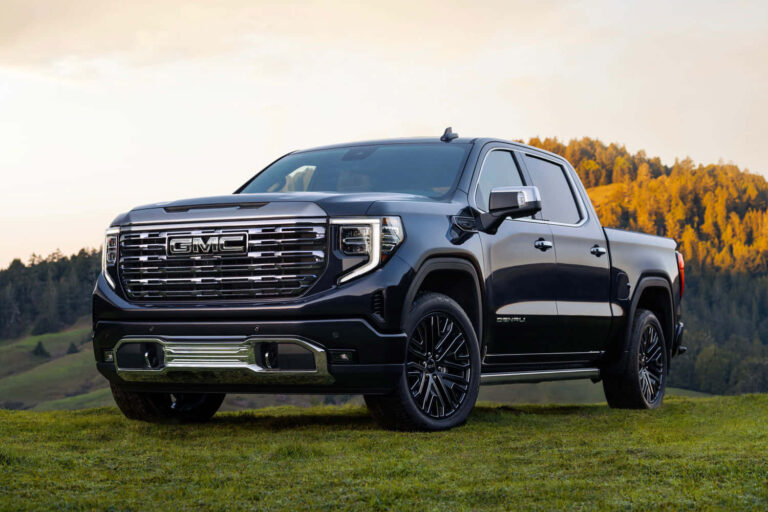
The Ultimate Guide: Finding the Best Truck to Tow Your Camper for Unforgettable Adventures
The Ultimate Guide: Finding the Best Truck to Tow Your Camper for Unforgettable Adventures Typestruck.Guidemechanic.com
Imagine the open road stretching before you, the scent of pine in the air, and your home-on-wheels trailing perfectly behind. The freedom of RV life is a dream for many, but turning that dream into a safe and enjoyable reality hinges on one critical decision: choosing the right truck to tow your camper. This isn’t just about raw power; it’s about a harmonious blend of capability, safety, and comfort.
As an expert in all things towing and RVing, I’ve seen countless adventurers make the right choice – and unfortunately, some make the wrong one. Based on my experience, selecting the best truck for towing a camper involves much more than simply looking at a "max tow" number. It requires a deep understanding of your camper’s specific needs, the truck’s true capabilities, and the nuances of safe towing. In this comprehensive guide, we’ll dive deep into everything you need to know to make an informed, confident decision, ensuring your next camping trip is nothing short of spectacular.
The Ultimate Guide: Finding the Best Truck to Tow Your Camper for Unforgettable Adventures
Understanding the Fundamentals: More Than Just Towing Capacity
Before we even talk about specific trucks, it’s crucial to grasp the fundamental concepts that govern safe and efficient towing. Many first-time buyers get caught up in the marketing hype of maximum towing capacities, only to find themselves with an underpowered or unsafe setup.
Towing Capacity vs. Payload Capacity: The Critical Distinction
These two terms are often confused, but understanding their difference is paramount.
Towing Capacity refers to the maximum weight your truck can pull, typically measured in pounds. This number is often the first thing people look at. However, it’s calculated under ideal conditions, usually with a lightweight driver and no additional cargo in the truck. It’s a crucial figure, but it doesn’t tell the whole story.
Payload Capacity, on the other hand, is the maximum amount of weight your truck can carry in its cab and bed, including passengers, cargo, and importantly, the tongue weight or pin weight of your camper. The tongue weight is the downward force your trailer exerts on your truck’s hitch. For travel trailers, this is typically 10-15% of the trailer’s loaded weight. For fifth-wheel trailers, the "pin weight" can be 15-25% of the loaded trailer weight. Many people overlook payload, leading to an overloaded truck even if the towing capacity seems sufficient.
Gross Vehicle Weight Rating (GVWR), Gross Combined Weight Rating (GCWR), and Gross Axle Weight Rating (GAWR)
These acronyms might seem intimidating, but they are your best friends when it comes to safe towing.
GVWR (Gross Vehicle Weight Rating) is the maximum permissible weight of your fully loaded truck, including the truck itself, passengers, cargo, and the tongue/pin weight of your trailer. Exceeding your truck’s GVWR is dangerous and illegal.
GCWR (Gross Combined Weight Rating) is the absolute maximum allowable weight of the entire combination – your fully loaded truck and your fully loaded trailer. This is the ultimate limit for your entire setup.
GAWR (Gross Axle Weight Rating) specifies the maximum weight that can be safely supported by each individual axle (front and rear) of your truck. When towing, the rear axle often bears a significant portion of the tongue or pin weight, so monitoring this is essential.
Pro tip from us: Always use the loaded weight of your camper, not its dry weight. Your camper’s dry weight is what it weighs empty from the factory. Once you add water, propane, gear, food, and passengers, that weight increases significantly. It’s common for a camper to gain 1,000 to 2,000 pounds or more once fully packed for a trip. Get your fully loaded camper weighed at a truck stop scale to know your true numbers.
Types of Campers and Their Weight Implications
The type of camper you own or plan to purchase heavily influences the kind of truck you’ll need.
Pop-Up Campers: These are typically the lightest, often weighing between 1,000 and 3,000 pounds. They can often be towed by SUVs, minivans, or light-duty trucks.
Travel Trailers: The most common type, travel trailers vary wildly in size and weight, from compact 15-foot models weighing 3,000 pounds to luxurious 40-foot trailers pushing 12,000 pounds or more. Most fall in the 4,000-8,000 pound range.
Fifth-Wheel Trailers: Designed to be towed by a hitch in the bed of a pickup truck, fifth-wheels are generally larger and heavier than travel trailers, often starting around 7,000 pounds and easily exceeding 18,000 pounds for luxury models. They require a heavy-duty truck due to their significant pin weight.
Toy Haulers: These trailers, whether travel trailer or fifth-wheel style, include a "garage" area for ATVs, motorcycles, or other gear. The added structure and the weight of the toys make them exceptionally heavy, often requiring the most robust towing vehicles.
Understanding these weights and ratings is your first step towards safety and enjoyment. Don’t guess; calculate!
The Truck Classes: Matching Power to Purpose
Once you understand your camper’s actual weight and your towing requirements, you can start looking at the truck classes that match. Trucks are generally categorized by their "ton" rating, though this is a historical carryover and doesn’t directly reflect their payload capacity today.
Half-Ton Trucks (150/1500 Series)
These are the most popular trucks on the road, offering a great balance of daily drivability, comfort, and respectable towing capabilities.
- Examples: Ford F-150, Ram 1500, Chevrolet Silverado 1500, GMC Sierra 1500, Toyota Tundra, Nissan Titan.
- Capabilities: Modern half-ton trucks are incredibly capable. Many can tow upwards of 10,000-13,000 pounds, with some specialized configurations like the Ford F-150 with the Max Trailer Tow Package exceeding 14,000 pounds. Their payload capacities typically range from 1,500 to 2,500 pounds.
- Best For: Most small to medium-sized travel trailers (up to about 7,000-8,000 pounds loaded), pop-up campers, and smaller boat trailers. They can handle some lighter fifth-wheel trailers, but you must be meticulous with payload calculations.
- Common mistakes to avoid are: Overestimating a half-ton’s payload capacity. While the towing numbers look good, the tongue weight of a larger travel trailer, combined with passengers and gear in the truck, can quickly push you over your payload limit. Always check the specific truck’s yellow sticker on the door jamb for its exact payload capacity.
Three-Quarter-Ton Trucks (250/2500 Series)
Stepping up to a heavy-duty (HD) truck provides a significant increase in capability, designed specifically for more demanding towing tasks.
- Examples: Ford F-250, Ram 2500, Chevrolet Silverado 2500HD, GMC Sierra 2500HD.
- Capabilities: These trucks typically offer towing capacities ranging from 15,000 to 20,000 pounds, with some configurations pushing higher. Payload capacities are substantially greater, often in the 3,000-4,500 pound range. They feature stronger frames, more robust suspension components, larger brakes, and often more powerful engine options (especially diesel).
- Best For: Larger travel trailers (8,000-12,000 pounds loaded), most mid-sized fifth-wheel trailers, and heavier toy haulers. If you plan to tow frequently or for long distances with a substantial camper, a 250/2500 series truck is often the sweet spot.
- Based on my experience: Many people who start with a large travel trailer and a half-ton truck often find themselves upgrading to a 2500-series truck within a few years for added stability, safety, and peace of mind. The difference in towing feel is remarkable.
One-Ton Trucks (350/3500 Series)
These are the heavyweights, purpose-built for the most demanding towing and hauling applications.
- Examples: Ford F-350, Ram 3500, Chevrolet Silverado 3500HD, GMC Sierra 3500HD.
- Capabilities: One-ton trucks are beasts, boasting towing capacities that can exceed 30,000 pounds, especially with dually (dual rear wheel) configurations. Their payload capacities can range from 4,000 pounds up to an astounding 7,000-8,000 pounds for dually models. They share many components with their three-quarter-ton counterparts but feature even stronger suspension, higher GVWRs, and often more robust axles.
- Best For: Large and heavy fifth-wheel trailers, especially toy haulers, multi-axle travel trailers, and commercial hauling. If you have a luxury fifth-wheel that tips the scales at 14,000 pounds or more, or if you plan to carry a lot of gear in your truck bed while towing a heavy trailer, a one-ton is your ideal choice.
- Pro tips from us: For serious fifth-wheel towing, a dually (dual rear wheel) one-ton truck offers unparalleled stability and tire capacity, making long hauls much safer and less stressful. While a single rear wheel (SRW) one-ton can handle many heavy fifth-wheels, a dually provides that extra margin of safety and control, especially in crosswinds.
Key Features and Considerations for a Towing Truck
Beyond the basic classification, several features and options can significantly enhance your towing experience and safety.
Engine Choices: Diesel vs. Gas
This is one of the most debated topics among towers. Both have distinct advantages.
Gas Engines:
- Pros: Lower upfront cost, less expensive maintenance, generally quieter, perform well at higher RPMs. Modern gas engines, especially turbocharged ones, offer impressive torque.
- Cons: Less low-end torque compared to diesel, can work harder and consume more fuel when towing heavy loads, less engine braking capability.
- Best For: Occasional towing, lighter to moderately heavy campers, shorter distances, or if you prioritize lower acquisition and maintenance costs.
Diesel Engines:
- Pros: Massive low-end torque for effortless towing, superior fuel economy when towing, excellent engine braking capabilities (exhaust brake), renowned durability for high mileage.
- Cons: Higher upfront cost, more expensive maintenance (especially for emissions systems), louder operation, can be slower to warm up in cold weather.
- Best For: Frequent towing, heavy campers (fifth-wheels, large travel trailers, toy haulers), long-distance hauling, mountainous terrain.
- Based on my experience: If you plan on towing more than a few times a year with a heavy camper, a diesel engine is often worth the investment. The relaxed towing experience, combined with better fuel economy and engine braking, makes a substantial difference on long trips.
Transmission: The Unsung Hero
A robust transmission is just as vital as a powerful engine. Modern trucks typically feature multi-speed automatic transmissions (6-speed, 8-speed, 10-speed). Look for:
- Tow/Haul Mode: This feature adjusts shift points, holds gears longer, and provides engine braking on descents, significantly improving performance and reducing transmission wear.
- Transmission Cooler: Essential for preventing overheating, especially with heavy loads. Most factory towing packages include an adequate cooler.
Axle Ratios: The Gearing Advantage
Axle ratio refers to the number of rotations the driveshaft makes for every rotation of the wheel. A "higher" numerical axle ratio (e.g., 3.73, 4.10) means more engine RPMs at a given road speed, translating to more torque at the wheels.
- Higher Ratios (e.g., 4.10): Excellent for towing heavy loads, better acceleration, but slightly worse unloaded fuel economy.
- Lower Ratios (e.g., 3.31): Better unloaded fuel economy, but less pulling power.
- Pro tips from us: When configuring a truck for towing, always opt for the higher (numerical) axle ratio offered. It makes a significant difference in how easily and confidently your truck pulls a heavy camper.
Braking Systems: Stopping Power is Paramount
Your truck’s brakes are crucial, but they can’t do all the work alone.
- Integrated Trailer Brake Controller: This is a non-negotiable feature. It allows your truck’s braking system to communicate directly with your trailer’s electric brakes, synchronizing their application. This is far superior to aftermarket controllers, offering smoother, more controlled stops.
- Larger Brakes: Heavy-duty trucks inherently come with larger, more powerful brakes.
Factory Towing Packages: A Smart Investment
Most truck manufacturers offer dedicated towing packages. These are highly recommended. They typically include:
- Upgraded receiver hitch
- Trailer brake controller
- Larger radiator and/or transmission cooler
- Heavy-duty alternator
- Wiring harness for trailer lights and brakes
- Sometimes, upgraded suspension components.
These packages ensure your truck is properly equipped from the factory, maintaining warranty coverage and maximizing safety.
Towing Mirrors, Cameras, and Other Tech
Modern technology makes towing safer and easier.
- Extendable Towing Mirrors: Provide a much wider field of view, essential for seeing around your wide camper. Power-folding and telescoping options are a huge convenience.
- Trailer Camera Systems: Many trucks now offer optional cameras that can be mounted on the back of your trailer, providing a clear view of traffic behind you or assisting with backing up.
- Blind Spot Monitoring with Trailer Coverage: Advanced safety systems that extend their blind spot detection to cover the length of your trailer.
- Pro Trailer Backup Assist: Ford’s system, for example, allows you to steer the trailer with a knob on the dash, making backing up much simpler.
For a deeper dive into hitch types and their specific advantages, check out our guide on .
Top Contenders: Best Trucks for Towing a Camper
While the "best" truck ultimately depends on your specific camper and needs, certain models consistently rise to the top for their robust capabilities and towing features.
Ford F-Series (F-150, F-250, F-350)
Ford’s F-Series has been the best-selling truck in America for decades, and for good reason.
- F-150: With engines like the 3.5L EcoBoost V6, it offers class-leading towing for a half-ton, often exceeding 14,000 lbs in specific configurations. Its Pro Trailer Backup Assist is a game-changer.
- F-250/F-350 (Super Duty): These are workhorses. Available with potent gasoline V8s or the legendary Power Stroke diesel, they offer immense towing and payload. The F-350, especially in dually configuration, can pull virtually any consumer-grade fifth-wheel or travel trailer. Ford’s integrated technology and robust construction make them top choices for heavy haulers.
Ram Trucks (1500, 2500, 3500)
Ram trucks are renowned for their luxurious interiors, comfortable ride, and incredible capability.
- Ram 1500: Offers excellent towing, especially with the 5.7L HEMI V8 and the eTorque mild-hybrid system, or the efficient EcoDiesel (for those who prefer diesel in a half-ton). Its coil-spring rear suspension provides an exceptionally smooth ride, even unloaded.
- Ram 2500/3500 HD: The Cummins turbo-diesel engine is legendary for its torque and durability. Ram HDs also offer a comfortable ride for heavy-duty trucks, often with optional air suspension for leveling and improved handling. The Ram 3500 dually with the High Output Cummins can tow well over 37,000 lbs.
Chevrolet Silverado / GMC Sierra (1500, 2500HD, 3500HD)
GM’s truck twins offer solid performance, powerful engines, and a strong track record of reliability.
- Silverado/Sierra 1500: Available with a range of capable gas engines (including a potent 6.2L V8) and a 3.0L Duramax diesel, they offer competitive towing numbers. Their trailering apps and camera views are excellent.
- Silverado/Sierra 2500HD/3500HD: These trucks feature the formidable 6.6L Duramax turbo-diesel V8 paired with an Allison 10-speed transmission, a combination known for its smooth power delivery and immense strength. They offer robust frames, large brakes, and extensive trailering technologies, making them ideal for heavy fifth-wheels and large travel trailers.
Toyota Tundra (for lighter towing)
While not a heavy-duty contender, the Tundra is a highly reliable half-ton option.
- Tundra: The latest generation features a powerful i-FORCE MAX hybrid V6 powertrain, offering strong torque and respectable towing capacity (up to 12,000 lbs). Known for its legendary reliability and resale value, it’s a great choice for smaller to medium travel trailers.
Essential Towing Accessories & Safety Tips
Having the right truck is only part of the equation. Proper accessories and safe driving habits are equally important.
Weight Distribution Hitches and Sway Control
For travel trailers, a Weight Distribution Hitch (WDH) is almost always a necessity, especially for trailers over 5,000 pounds or those that create significant sag in your truck’s rear. A WDH redistributes a portion of the tongue weight from the rear axle of your truck to the front axle and back to the trailer axles, leveling the entire rig and improving steering and braking.
Sway Control is often integrated into WDHs or available as a separate add-on. It helps dampen side-to-side movement of the trailer caused by crosswinds or passing semi-trucks, preventing dangerous sway.
Trailer Brake Controllers
As mentioned, an integrated trailer brake controller is paramount. It allows you to adjust the braking force applied to your trailer and manually apply the trailer brakes if needed, which can be critical in an emergency.
Proper Tire Maintenance
Your truck’s tires are your only contact with the road.
- Maintain Correct Tire Pressure: Inflate your truck and trailer tires to the manufacturer’s recommended pressures for towing, which are often higher than for unloaded driving.
- Inspect for Wear: Regularly check for uneven wear, cracks, or damage.
- Load Range: Ensure your truck’s tires have an adequate load range for the weight you’ll be carrying and towing. Heavy-duty trucks typically come with E-rated tires, which have stronger sidewalls and higher load capacities.
Pre-Trip Checks
Before every journey, perform a thorough inspection:
- Hitch Connection: Ensure it’s properly secured and latched.
- Safety Chains: Crossed under the coupler.
- Electrical Connection: Lights and brakes functioning.
- Breakaway Cable: Connected.
- Tires: Pressure and condition.
- Lights: All turn signals, brake lights, and running lights working.
- Fluid Levels: Engine oil, transmission fluid, coolant.
Driving Habits While Towing
- Increase Following Distance: You’ll need more time and space to stop.
- Anticipate: Look further ahead for traffic changes, hills, and turns.
- Slower Speeds: Drive at a speed that feels comfortable and safe, typically below the posted speed limit for cars, especially in adverse conditions.
- Wide Turns: Remember your trailer is behind you and takes a wider path.
- Downshift on Grades: Use your truck’s transmission to help control speed on descents and prevent brake fade.
- Check Mirrors Frequently: Be aware of your surroundings, especially your trailer.
Common mistakes to avoid are:
- Not using a weight distribution hitch for a travel trailer: This can lead to an unsafe, unstable ride and excessive squat.
- Forgetting to check tire pressures before each trip: Underinflated tires are a major cause of blowouts and instability.
- Overloading your truck or trailer: Always stay within all Gross Vehicle Weight Ratings (GVWR, GCWR, GAWR).
- Ignoring trailer sway: If you feel sway, slow down, activate your trailer brakes gently (if safe), and correct your steering smoothly.
If you’re new to RVing, our article on offers invaluable beginner tips that complement this towing advice.
Pro Tips for Choosing Your Ideal Towing Truck
Making the final decision can still feel overwhelming. Here are a few expert insights to guide you.
Calculate Your Real Camper Weight
I can’t stress this enough. Don’t rely solely on the "dry weight" from the manufacturer. Take your camper to a local truck stop with a CAT scale (Certified Automated Truck scale) and weigh it fully loaded with water, gear, and everything you’d typically bring. This will give you your actual Gross Trailer Weight (GTW) and tongue weight, which are the numbers you must use for comparison.
Factor in Future Needs
Are you planning to upgrade to a larger camper in a few years? Do you anticipate bringing more gear or adding more family members to your trips? It’s often wiser to buy a truck that offers a little more capacity than you currently need. This "headroom" will provide a more relaxed towing experience and save you from needing to upgrade your truck again down the line.
Test Drive with a Trailer (If Possible)
While it might be challenging, if a dealership can arrange a test drive with a similar weight trailer attached, take it! There’s no substitute for feeling how a truck handles under load. Pay attention to acceleration, braking, stability, and overall comfort.
Don’t Just Look at Max Towing Capacity
Repeat after me: "Payload is king!" For most RVers, especially those towing fifth-wheels or larger travel trailers, payload capacity will be the limiting factor long before max towing capacity. Ensure the truck can safely carry your camper’s tongue/pin weight plus all your passengers and gear.
Conclusion: Drive Confidently, Explore Freely
Choosing the best truck to tow a camper is a significant investment and a decision that impacts your safety, enjoyment, and peace of mind on the road. By understanding the critical numbers – GVWR, GCWR, payload, and your camper’s true loaded weight – and matching them to a truck with the right class, engine, and features, you set yourself up for success.
Whether you opt for a versatile half-ton, a robust three-quarter-ton, or a mighty one-ton, prioritize safety and capability above all else. Remember that the goal is not just to pull your camper, but to pull it safely and comfortably, allowing you to focus on the adventure ahead. With the right truck and proper towing practices, the open road awaits, ready to deliver unforgettable memories.
Happy camping, and may your journeys be smooth and full of joy!
External Link Placeholder: For more detailed safety guidelines and regulations regarding towing, consult resources from trusted organizations like the National Highway Traffic Safety Administration (NHTSA) at https://www.nhtsa.gov/.