The Ultimate Buyer’s Guide: Finding Your Perfect Used 3/4 Ton Ford Truck For Sale
The Ultimate Buyer’s Guide: Finding Your Perfect Used 3/4 Ton Ford Truck For Sale Typestruck.Guidemechanic.com
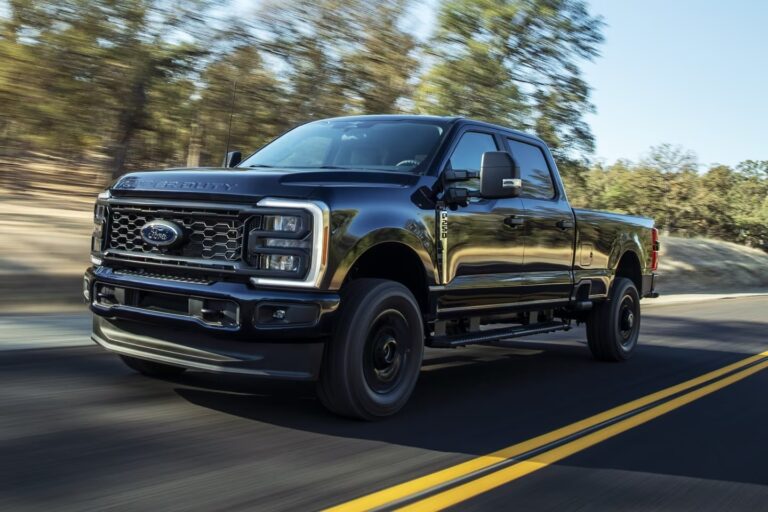
Searching for a reliable, powerful workhorse that won’t break the bank? A used 3/4 ton Ford truck often emerges as the top contender for many discerning buyers. These heavy-duty pickups, primarily the Ford F-250 Super Duty series, are legendary for their towing prowess, impressive payload capacity, and rugged durability. They represent a significant investment, but with the right knowledge, you can secure a fantastic deal on a vehicle that will serve you faithfully for years to come.
This comprehensive guide is designed to be your go-to resource, whether you’re a first-time heavy-duty truck buyer or a seasoned veteran looking for your next rig. We’ll delve deep into everything you need to know about navigating the market for used 3/4 ton Ford trucks for sale, ensuring you make an informed decision and drive away with confidence.
The Ultimate Buyer’s Guide: Finding Your Perfect Used 3/4 Ton Ford Truck For Sale
Why a Used 3/4 Ton Ford Truck is a Smart Investment
Opting for a used Ford F-250 Super Duty offers a compelling blend of value and capability. New heavy-duty trucks can command premium prices, often stretching well into the six figures for higher trim levels. By choosing a pre-owned model, you bypass the steepest depreciation curve, allowing your budget to stretch further while still acquiring a highly capable vehicle.
Based on my experience in the automotive market, the initial depreciation hit on new trucks is substantial. A well-maintained used F-250 can offer 80-90% of a new truck’s utility for a fraction of the cost, making it an incredibly attractive proposition for businesses and individuals alike. This financial advantage frees up capital for other essential needs or desired upgrades.
Beyond the cost savings, these trucks are built to last. Ford Super Duty trucks are engineered for demanding tasks, which means their core components are robust and designed for longevity. With proper maintenance, it’s not uncommon to see these trucks exceed 200,000 or even 300,000 miles, especially those equipped with the legendary Power Stroke diesel engines. Their enduring build quality contributes significantly to their strong resale value down the line.
Furthermore, the versatility of a 3/4 ton Ford truck is unparalleled. Whether you’re towing a large travel trailer, hauling heavy equipment for a construction job, or simply needing a dependable daily driver with ample cargo space, the F-250 is up to the task. Its robust frame, powerful engine options, and sophisticated towing technologies make it a true multi-purpose vehicle.
Understanding the Ford F-250 Super Duty Lineup
When we talk about used 3/4 ton Ford trucks for sale, we are primarily referring to the Ford F-250 Super Duty. This truck has a rich history of evolution, with each generation bringing enhancements in power, technology, and comfort. Knowing the key differences between model years can significantly influence your buying decision.
The Evolution of Power: Key Generations
Ford introduced the Super Duty line in 1999, separating its heavy-duty trucks from the lighter-duty F-150. This marked a significant shift towards purpose-built work trucks. Subsequent generations brought continuous improvements, from chassis redesigns to powertrain upgrades. For instance, the 2008-2010 models saw interior refinements, while the 2011 redesign introduced the 6.7L Power Stroke diesel, a game-changer for the brand.
The 2017 model year marked another major overhaul, with an all-new high-strength, military-grade aluminum alloy body, reducing weight while increasing rigidity. This generation also brought significant technological advancements in infotainment and driver-assist features. Understanding these generational shifts helps you target specific features or capabilities that are important to you.
Engine Options: Gas vs. Diesel Powerhouses
The heart of any heavy-duty truck is its engine, and Ford has offered some formidable options in its F-250 lineup. Your choice between a gasoline or diesel engine will largely depend on your intended use, budget, and preference for performance characteristics.
-
Gasoline Engines:
- 6.2L V8 (2011-2022): For many years, the 6.2L "Boss" V8 was the standard gasoline offering. This engine is known for its robust reliability, straightforward design, and strong low-end torque. It’s a solid choice for those who need substantial towing and hauling capability but don’t necessarily require the extreme power or fuel efficiency (when loaded) of a diesel. Maintenance costs are typically lower for gas engines.
- 7.3L "Godzilla" V8 (2020-Present): Ford introduced the 7.3L "Godzilla" V8, a truly massive gasoline engine designed specifically for heavy-duty work. This engine delivers impressive horsepower and torque, rivaling some older diesel engines in terms of raw pulling power. It’s quickly gaining a reputation for durability and is an excellent option for those who want serious gas power without the added complexity and cost of a diesel.
-
Diesel Engines (Power Stroke):
- 6.0L Power Stroke (2003-2007): This engine is notorious for a range of issues, including head gasket failures, oil cooler problems, and injector issues. Pro tips from us: unless you find one that has had all common "bulletproofing" modifications professionally done and can verify the work, it’s generally best to approach these models with extreme caution or avoid them altogether. The repair costs can quickly negate any initial savings.
- 6.4L Power Stroke (2008-2010): While an improvement over the 6.0L in some aspects, the 6.4L also faced significant reliability challenges, particularly with its complex emissions system, fuel pump failures, and turbocharger issues. Similar to the 6.0L, thorough due diligence and professional inspection are paramount if considering this engine.
- 6.7L Power Stroke (2011-Present): This is the crown jewel of Ford’s diesel lineup. The 6.7L Power Stroke is a fantastic engine, delivering immense torque, excellent towing capabilities, and generally strong reliability, especially in later model years. Early versions (2011-2014) had some common issues like turbocharger failures or exhaust leaks, but these were largely addressed in subsequent revisions. Later 6.7L Power Strokes (2017 onwards, particularly with the upgraded horsepower versions) are considered highly desirable for their blend of power, efficiency, and durability.
Trim Levels: From Workhorse to Luxury Liner
Ford offers the F-250 Super Duty in a variety of trim levels, catering to different needs and budgets. Understanding these can help you pinpoint the features that matter most to you.
- XL: The base work truck, offering essential features, vinyl seating, and basic infotainment. Perfect for a no-frills work vehicle.
- XLT: A step up, adding cloth seats, more convenience features like power windows/locks, and often chrome exterior accents. A popular choice for a balance of utility and comfort.
- Lariat: Introduces significant upgrades, including leather seating, advanced infotainment (touchscreen, navigation), dual-zone climate control, and more premium interior finishes.
- King Ranch: A distinctly Western-themed luxury trim with unique leather, interior badging, and often two-tone paint.
- Platinum: Offers modern luxury with premium leather, advanced safety features, LED lighting, and refined interior aesthetics.
- Limited: The top-tier trim, boasting the most advanced technology, exclusive interior materials, and maximum comfort features.
Key Considerations When Buying Your Used 3/4 Ton Ford Truck
Purchasing a used heavy-duty truck requires meticulous attention to detail. Common mistakes to avoid are rushing the process or skipping crucial inspection steps. By following these guidelines, you’ll significantly reduce your risk and increase your chances of finding a quality used 3/4 ton Ford truck for sale.
Budgeting Beyond the Purchase Price
Your budget shouldn’t just cover the sticker price. Remember to factor in:
- Insurance: Heavy-duty trucks, especially those with diesel engines, can have higher insurance premiums.
- Maintenance: Diesel engines, while durable, often have more expensive parts and specialized labor requirements. Even gas trucks will need regular servicing.
- Fuel Costs: Diesel fuel is often more expensive than gasoline, but diesel engines typically offer better fuel economy, especially when towing heavy loads.
- Registration and Taxes: Varies by state, but can be substantial for a large vehicle.
- Potential Repairs: Even a well-inspected used truck might need minor repairs or deferred maintenance. It’s wise to set aside an emergency fund.
Defining Your Intended Use
Before you even start looking, clearly define how you plan to use the truck. This will guide your search for specific features and capabilities.
- Towing Heavy Trailers? Prioritize models with the higher towing packages, diesel engines (for sustained heavy towing), and appropriate axle ratios.
- Hauling Heavy Loads in the Bed? Look for models with higher payload capacities, often found in trucks with heavier suspension packages.
- Daily Driver with Occasional Hauling? A gas engine might be more economical, and a comfortable trim level could be a priority.
- Off-Roading or Rough Terrain? Consider models with four-wheel drive (4×4), higher ground clearance, and potentially off-road packages.
The Indispensable Pre-Purchase Inspection
This is arguably the most critical step. Never buy a used truck without a thorough inspection. While a visual check is a good start, a professional inspection is non-negotiable.
- Exterior and Interior:
- Check for rust, especially on the frame, rocker panels, and wheel wells. Rust can be a deal-breaker, particularly in regions that use road salt.
- Look for uneven panel gaps, mismatched paint, or signs of accident repair.
- Inspect the interior for excessive wear, tears in upholstery, or non-functional electronics. Check all buttons, switches, and gauges.
- Engine and Transmission:
- Look for fluid leaks (oil, coolant, transmission fluid).
- Check fluid levels and color. Dark, burnt-smelling transmission fluid is a red flag.
- Listen for unusual noises during startup and idling.
- Pro tips from us: For diesel engines, pay close attention to the exhaust for excessive smoke (blue or white smoke can indicate serious issues).
- Tires and Brakes:
- Examine tire tread depth and even wear. Uneven wear can signal alignment issues or suspension problems.
- Check brake pad thickness and rotor condition. Pulsing during a test drive indicates warped rotors.
- Undercarriage and Frame:
- This is where a professional mechanic with a lift comes in handy. Look for bends, cracks, or severe rust on the frame. This indicates hard use or accident damage.
- Inspect suspension components for leaks (shocks), worn bushings, or broken parts.
- Electrical System:
- Test all lights, signals, wipers, power windows, and the infotainment system. Ensure the air conditioning and heating work correctly.
The Crucial Vehicle History Report (VHR)
Always obtain a Vehicle History Report (e.g., CarFax or AutoCheck). This report provides invaluable insights into a truck’s past.
- Accident History: Reveals any reported accidents, their severity, and repair status.
- Title Issues: Checks for salvage, flood, or rebuilt titles, which can significantly devalue a truck and pose safety concerns.
- Service Records: Often shows maintenance history, which can indicate how well the truck was cared for.
- Odometer Rollback: Helps verify the mileage.
- Previous Owners: Gives an idea of how many times the truck has changed hands.
Mileage vs. Condition: A Nuanced Perspective
For used 3/4 ton Ford trucks for sale, mileage is important, but it’s not the only factor. A high-mileage diesel engine that has been meticulously maintained and used for highway driving might be in better shape than a lower-mileage gas engine that was abused and rarely serviced.
- High-Mileage Diesels: If the service records are impeccable and a pre-purchase inspection is clean, a diesel with 150,000-200,000 miles can still have plenty of life left. Diesel engines are designed for higher mileage.
- Lower-Mileage Gas Trucks: While attractive, ensure the truck hasn’t sat for extended periods, leading to dry rot in seals or fuel system issues. Also, low mileage might not always mean easy miles; it could have been used for short, strenuous trips.
Test Drive Essentials
A comprehensive test drive is your opportunity to feel how the truck operates. Don’t rush it.
- Drive on various road types: city streets, highways, and if possible, rougher roads.
- Listen for unusual noises: clunks, grinding, squeals.
- Pay attention to steering feel: Is it loose, does it pull to one side?
- Test the brakes at different speeds, including emergency stops if safe to do so.
- Accelerate hard to check engine response and transmission shifting. Ensure shifts are smooth, not harsh or delayed.
- Test 4×4 engagement if applicable.
Where to Find Your Next Used 3/4 Ton Ford Truck
There are several avenues to explore when searching for used 3/4 ton Ford trucks for sale, each with its own advantages and disadvantages.
Dealerships (New and Used)
- Pros: Often offer certified pre-owned (CPO) options with warranties, professional detailing, and financing options. They handle title work.
- Cons: Higher prices due to overhead and profit margins. Less room for negotiation.
Private Sellers
- Pros: Generally lower prices, more room for negotiation, and you can often speak directly with the previous owner about the truck’s history.
- Cons: No warranty, "as-is" sale, requires more vigilance in inspections and paperwork. Higher risk if you’re not mechanically inclined.
Online Marketplaces & Auction Sites
- Pros: Vast selection, ability to compare many vehicles quickly, potentially good deals.
- Cons: Can be difficult to inspect vehicles remotely, scams are prevalent, and auction vehicles are often sold "as-is" with limited information.
Negotiation Tips for a Used F-250
Once you’ve found a truck you like, it’s time to negotiate.
- Research Market Value: Use sites like Kelley Blue Book or Edmunds to determine a fair price range for the specific make, model, year, and mileage.
- Be Prepared to Walk Away: This is your strongest negotiating tool. Don’t fall in love with a truck before the deal is done.
- Factor in Repairs: If your inspection uncovered minor issues, use these as leverage to negotiate a lower price.
- Don’t Rush: Take your time, ask questions, and don’t feel pressured into a quick decision.
Post-Purchase Tips for Your New-to-You Truck
Congratulations on your purchase! Now, to ensure your used 3/4 ton Ford truck serves you well, consider these immediate steps.
- Immediate Maintenance: Even with service records, it’s a good practice to perform an oil change, replace all filters (air, fuel, cabin), and check/replace other fluids (transmission, differential, coolant). This establishes a baseline for your ownership.
- Customization Options: Many F-250 owners opt for upgrades like leveling kits, larger tires, bed liners, or aftermarket lighting. Research reputable brands and installers.
- Insurance Review: Contact your insurance provider to ensure you have adequate coverage for your new heavy-duty vehicle, especially if you plan on towing expensive trailers.
Pro Tips for Long-Term Ownership and Maintenance
Based on my experience, the longevity and reliability of a used F-250 largely depend on consistent care. Here are some pro tips for keeping your truck in top shape:
- Adhere to a Strict Maintenance Schedule: Follow Ford’s recommended service intervals for your specific model year and engine. For diesel engines, pay extra attention to fuel filter changes and diesel exhaust fluid (DEF) systems.
- Understand Your Truck’s Limits: Just because it’s a Super Duty doesn’t mean it’s invincible. Don’t consistently exceed towing or payload capacities. Overloading causes premature wear on brakes, suspension, and drivetrain components.
- Regular Fluid Checks: Make it a habit to check oil, coolant, and transmission fluid levels regularly, especially before long trips or heavy towing.
- Tire Care: Maintain proper tire pressure, rotate tires regularly, and align your truck annually to maximize tire life and ensure safe handling.
- Join a Community: Truck forums and local owner groups are invaluable resources for troubleshooting, modification ideas, and connecting with other enthusiasts. You can learn a lot from shared experiences. (Simulated internal link: ).
Common Mistakes to Avoid When Buying
To reiterate, here are some critical pitfalls to steer clear of during your search for used 3/4 ton Ford trucks for sale:
- Skipping the Professional Inspection: This is the biggest mistake. A mechanic can spot issues you’d never notice.
- Ignoring the Vehicle History Report: Don’t assume everything is fine. A clean VHR is a minimum requirement.
- Buying Purely on Price: A super low price often indicates underlying problems. If it seems too good to be true, it probably is.
- Not Test Driving Adequately: A quick spin around the block isn’t enough. Get a real feel for the truck’s performance and handling.
- Underestimating Maintenance Costs: Heavy-duty trucks, particularly diesels, have higher running costs than smaller vehicles. Factor this into your long-term budget.
Conclusion: Your Journey to a Reliable Ford F-250
Finding the perfect used 3/4 ton Ford truck for sale is an exciting endeavor that, with careful planning and thorough execution, can lead to years of dependable service. By understanding the F-250 lineup, knowing what to look for during inspections, and leveraging smart negotiation tactics, you’ll be well-equipped to make a confident purchase.
Remember, patience and diligence are your best allies in this process. A well-chosen Ford F-250 Super Duty isn’t just a truck; it’s a powerful partner ready to tackle whatever challenges you throw its way. Happy truck hunting!
(Simulated Internal Link: For more in-depth advice on engine choices, check out our guide on ).
(Simulated External Link: For official specifications and the latest models, visit the Ford Super Duty official website.)