The Enduring Allure: A Comprehensive Guide to Finding and Buying 1990s Trucks For Sale
The Enduring Allure: A Comprehensive Guide to Finding and Buying 1990s Trucks For Sale Typestruck.Guidemechanic.com
The 1990s, often called the last great decade for analog vehicles, produced a generation of trucks that captured the hearts of drivers across America. These aren’t just old vehicles; they’re a sweet spot in automotive history, blending robust durability with burgeoning modern conveniences. For many, a 1990s truck represents reliability, a simpler time, and a workhorse spirit that’s increasingly rare in today’s market.
If you’re on the hunt for a piece of automotive nostalgia, specifically searching for "1990s trucks for sale," you’ve landed in the right place. This comprehensive guide will equip you with the knowledge and insights needed to navigate the market, identify the best options, and make a smart purchase. Based on my experience in the classic vehicle market, these trucks offer a unique blend of practicality and collectibility.
The Enduring Allure: A Comprehensive Guide to Finding and Buying 1990s Trucks For Sale
Why the 1990s? Unpacking the Golden Era of Pickup Trucks
What makes 1990s trucks so incredibly appealing to enthusiasts and practical buyers alike? It’s a convergence of factors that distinguishes them from both their predecessors and successors. The 90s marked a transition period, where manufacturers began integrating more comfort and technology without fully sacrificing the rugged simplicity that defined earlier pickups.
Firstly, these trucks are often praised for their build quality. Many models from this era were engineered to be true workhorses, built with heavy-duty components and simpler electronic systems that are less prone to complex failures. This translates to easier diagnosis and repair for many common issues, making them appealing to DIY mechanics.
Secondly, the styling of 90s trucks has aged gracefully. They possess a distinctive, often boxier aesthetic that stands apart from the overly aerodynamic designs of modern vehicles. This classic look, combined with a growing sense of nostalgia, contributes significantly to their increasing desirability and value in the secondary market.
Furthermore, many 90s trucks struck an excellent balance between raw power and fuel efficiency for their time. Engines like Ford’s 7.3L Power Stroke diesel, Chevy’s 6.5L Detroit Diesel, and various V8 gasoline options offered ample grunt for towing and hauling, yet were generally more manageable than some of the behemoths that followed. Pro tips from us suggest that understanding the specific engine options is paramount when evaluating a 90s truck.
Top Contenders: Iconic 1990s Trucks to Look For
When exploring "1990s trucks for sale," certain models consistently rise to the top of enthusiasts’ wish lists. These trucks earned their reputation through millions of miles of dependable service and continue to be highly sought after today. Each offers a unique blend of features and potential.
The Indomitable Ford F-Series (Eighth and Ninth Generations)
The Ford F-Series dominated sales throughout the 1990s, and for good reason. The eighth generation (1987-1991) and ninth generation (1992-1996) F-150s, F-250s, and F-350s are legends. Known for their robust frames, durable powertrains, and relatively comfortable interiors, these trucks are workhorses through and through.
The iconic 7.3L Power Stroke diesel, introduced in 1994, is a major draw for many F-Series buyers, especially in the heavier-duty F-250 and F-350 models. Gas engine options, including the 4.9L inline-six and various V8s (5.0L, 5.8L, 7.5L), are also highly regarded for their longevity. When inspecting a Ford, pay close attention to rust around the wheel wells, rocker panels, and cab corners, as these are common areas.
The Ever-Reliable Chevrolet C/K and GMC Sierra (Fourth Generation)
General Motors’ C/K series, including the Chevrolet Silverado and GMC Sierra, underwent a significant redesign in 1988, which carried through most of the 90s. These "OBS" (Old Body Style) trucks are celebrated for their comfortable rides, spacious cabs, and a wide array of powerful gasoline V8 engines (5.0L, 5.7L, 7.4L).
The 6.5L Detroit Diesel was also an option, though it’s often viewed with more caution due to some known issues compared to the Ford Power Stroke. Common mistakes to avoid when buying an OBS GM truck include overlooking signs of neglected maintenance on the fuel system or cooling system, especially with the diesel. Look for clean body lines and a well-maintained interior, as these trucks were often daily drivers.
The Revolutionary Dodge Ram (Second Generation, 1994 Onwards)
While earlier 90s Dodge trucks were somewhat utilitarian, the introduction of the redesigned second-generation Ram in 1994 was a game-changer. With its bold, big-rig styling, the Ram instantly captured attention and redefined the pickup truck aesthetic. These trucks are particularly famous for their legendary Cummins 5.9L inline-six diesel engine.
The Cummins diesel is renowned for its incredible torque, durability, and tuning potential, making these Rams highly sought after by enthusiasts and heavy haulers. Gasoline V8 options, including the Magnum 5.2L and 5.9L, also provided strong performance. When considering a second-gen Ram, closely inspect the front suspension components, steering linkage, and transmission health, particularly in high-mileage diesel models.
The Compact Contenders: Toyota Tacoma and Nissan Frontier
While the big three dominated full-size sales, compact trucks like the Toyota Tacoma (introduced in 1995, replacing the "Pickup") and Nissan Frontier (introduced in 1997) also carved out significant niches. These trucks are celebrated for their legendary reliability, fuel efficiency, and nimble handling.
Toyota Tacomas from the late 90s are particularly prized for their nearly indestructible engines (2.7L 3RZ-FE and 3.4L 5VZ-FE) and robust drivetrains. They command a premium in the used market. Nissan Frontiers also offer great value and reliability. When looking at these smaller trucks, check for frame rust, especially in regions with harsh winters, and ensure the 4×4 system engages smoothly if equipped.
The Hunt Begins: Where to Find 1990s Trucks For Sale
Finding the right 1990s truck requires a bit of detective work and patience. The market is diverse, ranging from neglected farm trucks to meticulously restored showpieces. Knowing where to look will significantly increase your chances of success.
- Online Marketplaces: Websites like Craigslist, Facebook Marketplace, and eBay Motors are excellent starting points. You’ll find a wide variety of trucks, often listed by private sellers. Be prepared to sift through many listings and always arrange to see the truck in person.
- Specialized Forums and Enthusiast Groups: Dedicated forums for specific truck models (e.g., "OBS Ford Forum," "Second Gen Ram Owners") are goldmines. Members often list their trucks for sale, and you can leverage the community’s knowledge for advice. Facebook groups for "1990s trucks for sale" or specific makes/models are also highly active.
- Classic Car and Truck Dealers: While they often command higher prices, classic dealers typically offer vehicles that have been inspected and sometimes restored. They can be a good option if you prioritize convenience and a potentially higher quality vehicle.
- Local Auctions: Automotive auctions, both online and in-person, can sometimes yield great deals. However, buying at auction requires careful due diligence as vehicles are often sold "as-is" with limited inspection opportunities. Based on my experience, this is best for seasoned buyers.
- Word of Mouth and Local Ads: Don’t underestimate the power of old-fashioned networking. Tell friends, family, and local mechanics you’re looking. Sometimes, the best deals are found through someone who knows someone selling a truck that hasn’t hit the public market yet.
Buying Guide: What to Inspect Before You Buy a 90s Truck
Once you’ve found a promising candidate, a thorough inspection is crucial. Remember, these trucks are decades old, and even the most well-maintained ones will have some wear and tear. Common mistakes to avoid are rushing the inspection and letting excitement override critical evaluation.
1. Body and Frame Condition
Rust is the archenemy of any older vehicle, and 1990s trucks are no exception. Start your inspection by examining the frame for any significant corrosion, cracks, or previous repairs. Pay close attention to:
- Frame Rails: Especially near the suspension mounting points and in front of the rear wheels.
- Rocker Panels and Cab Corners: These areas are notorious for trapping moisture and rusting from the inside out.
- Wheel Wells and Bed Sides: Look for bubbling paint or actual holes.
- Undercarriage: Inspect brake lines, fuel lines, and transmission lines for rust or leaks.
Beyond rust, check for evidence of accident damage, misaligned panels, or poor paintwork. A professional paint job can hide a lot of issues.
2. Engine and Drivetrain Health
This is the heart of your truck. Start the engine cold and listen for any unusual noises – knocks, ticks, or excessive smoke.
- Fluid Leaks: Check under the truck for oil, coolant, transmission fluid, or differential fluid leaks. Common spots include the oil pan, rear main seal, and differential covers.
- Hoses and Belts: Look for cracks, fraying, or excessive wear.
- Exhaust System: Inspect for rust, holes, or leaks.
- Transmission: During a test drive, ensure smooth shifting, both up and down. Any hesitation, slipping, or harsh engagement is a red flag. Check the transmission fluid level and color – it should be red, not dark brown or black, and shouldn’t smell burnt.
- 4×4 System: If equipped, test the 4×4 engagement (high and low range). Listen for grinding or binding.
3. Interior Comfort and Functionality
While a 90s truck interior might not be luxurious, it should be functional and relatively comfortable.
- Seats: Check for tears, excessive wear, or collapsed foam.
- Dashboard and Door Panels: Look for cracks, fading, or missing trim pieces.
- Electronics: Test all lights, wipers, horn, radio, power windows, and locks. Air conditioning is a big one – does it blow cold? Recharging an R12 system can be costly.
- Gauges: Ensure all gauges (speedometer, tachometer, fuel, temperature, oil pressure, voltmeter) are working correctly.
4. Suspension, Steering, and Brakes
These components are critical for safety and driving comfort.
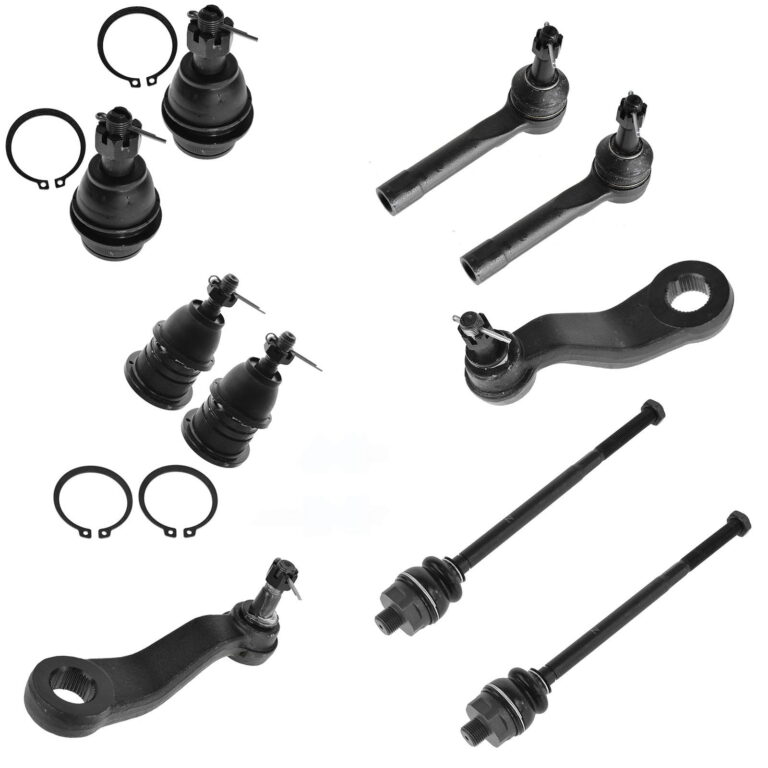
- Test Drive: Listen for clunks or squeaks over bumps, which could indicate worn shocks, bushings, or ball joints.
- Steering: Check for excessive play in the steering wheel. Does the truck pull to one side?
- Brakes: Ensure the pedal feels firm and the truck stops straight without pulling or grinding noises. Check for pulsation, which could indicate warped rotors.
5. Documentation and Service History
Always ask for records. A well-documented service history is invaluable and shows an owner who cared for the vehicle.
- Verify the title is clean and matches the VIN on the truck. Check for any liens.
- Maintenance Records: These can provide insights into what repairs have been done and when.
- Vehicle History Report: Consider running a VIN check through a service like CarFax or AutoCheck to uncover accident history, previous owners, and mileage discrepancies. This is a crucial step, and you can often find reliable services for this online.
Understanding Value: What Should You Expect to Pay?
The price of "1990s trucks for sale" can vary wildly, from a few thousand dollars for a rough-and-tumble work truck to upwards of $30,000 for a meticulously restored or low-mileage example. Several factors influence the market value:
- Condition: This is the primary driver. A truck in excellent, rust-free condition with a clean interior will fetch a premium.
- Mileage: Lower mileage typically translates to higher value, assuming the truck has been maintained.
- Model and Engine: Certain models (e.g., F-250 with a 7.3L Power Stroke, Ram with a Cummins diesel, Tacoma) are consistently more desirable and command higher prices.
- Configuration: Extended cab, crew cab, 4×4, and specific trim levels can also impact value.
- Location: Trucks in dry, southern climates tend to be less rusty and thus more valuable.
From years of observing the market, I’ve seen a steady appreciation for well-preserved 90s trucks. While not all will be investments, many are holding their value remarkably well, especially the iconic diesel models. Be prepared to pay a fair price for a good example, but don’t overpay for a truck that needs significant work.
Living with a 90s Truck: Ownership & Maintenance Tips
Owning a 1990s truck can be incredibly rewarding, but it comes with its own set of considerations. These vehicles are generally less complex than modern trucks, making them more approachable for maintenance.
- Parts Availability: For popular models like the Ford F-Series or Chevy C/K, parts availability is excellent. Aftermarket and OEM parts are readily available, and junkyards are often stocked with donor vehicles. For less common models, parts might require a bit more searching.
- Common Maintenance: Regular oil changes, fluid checks, tire rotations, and brake inspections are paramount. Pay special attention to cooling systems, as older plastic components can become brittle.
- DIY vs. Professional: Many routine maintenance tasks and even some repairs are feasible for the average DIYer with basic tools and a service manual. For more complex engine or transmission work, finding a reputable mechanic specializing in older vehicles is advisable.
- Modifications and Upgrades: Many owners choose to upgrade components like suspension, lighting, or stereo systems. Be mindful that extensive modifications might deter some future buyers if you ever decide to sell. For tips on enhancing your classic truck, you might want to check out our guide on "Modernizing Your Classic Truck Without Losing Its Soul."
The Restoration Journey: Breathing New Life into a 90s Gem
For some, buying a 90s truck isn’t just about driving it; it’s about the journey of restoration. Bringing a neglected classic back to its former glory can be a deeply satisfying project.
- Why Restore? Beyond personal enjoyment, a well-executed restoration can significantly increase the truck’s value. It also allows you to customize it to your exact specifications.
- Prioritize: Start with structural integrity (frame, rust repair), then move to mechanical reliability (engine, transmission, brakes), and finally, cosmetics (paint, interior).
- Budgeting: Restorations can be costly. Create a detailed budget and be realistic about expenses. Parts, labor, and unexpected issues can quickly add up.
- Finding Specialists: For complex tasks like bodywork, engine rebuilding, or interior upholstery, seek out experienced professionals. Look for shops with a proven track record in classic vehicle restoration. Finding the right experts is crucial, and we have an article on "How to Choose a Reputable Mechanic for Vintage Vehicles" that could be helpful.
Pro Tips for a Successful 1990s Truck Purchase
Embarking on the quest for a "1990s truck for sale" can be exciting. To ensure a smooth and satisfying experience, keep these professional tips in mind:
- Always Get a Pre-Purchase Inspection (PPI): Even if you’re an experienced mechanic, a third-party inspection by a trusted professional can uncover issues you might miss. This small investment can save you thousands down the road.
- Don’t Rush the Process: The right truck will come along. Don’t feel pressured to buy the first one you see, especially if it doesn’t meet your criteria or raises red flags.
- Set a Realistic Budget: Factor in not just the purchase price, but also potential repair costs, insurance, and ongoing maintenance. An extra cushion for unexpected issues is always a good idea.
- Be Realistic About Condition: Unless you’re buying a fully restored truck, expect some wear and tear. Decide what level of imperfection you’re willing to live with or address.
- Leverage Online Resources: Use online forums, owner groups, and YouTube videos to learn about common problems and specific inspection points for the models you’re considering. The more knowledgeable you are, the better negotiator you’ll be.
Conclusion: Your 90s Truck Adventure Awaits
The enduring appeal of "1990s trucks for sale" is a testament to their robust engineering, timeless style, and the simpler driving experience they offer. Whether you’re seeking a dependable work truck, a nostalgic daily driver, or a rewarding restoration project, the 90s era has something special to offer.
By understanding the market, knowing what to look for, and approaching your search with patience and diligence, you can find a fantastic example that brings years of enjoyment. Remember the key takeaways: thorough inspection, understanding value, and planning for ownership. Your journey into the world of classic 90s pickups is just beginning – happy hunting!