The Definitive Guide: What Other Trucks Will A Cap Fit That Came Off A 1990 Chevrolet Short Box Regular Cab Truck?
The Definitive Guide: What Other Trucks Will A Cap Fit That Came Off A 1990 Chevrolet Short Box Regular Cab Truck? Typestruck.Guidemechanic.com
Finding the perfect truck cap, also known as a topper or shell, can be a game-changer for any pickup owner. It transforms your open bed into a secure, weather-protected storage space, ideal for tools, camping gear, or even just keeping groceries dry. However, the world of used truck caps can be a maze, especially when you’re trying to figure out if a cap from one truck will actually fit another.
This comprehensive guide is specifically designed to demystify the fitment process for a truck cap originating from a very specific and popular model: a 1990 Chevrolet Short Box Regular Cab Truck. We’ll dive deep into dimensions, design nuances, and the critical factors that determine true compatibility. Our goal is to equip you with the knowledge to make an informed decision, avoid costly mistakes, and find that ideal cap without the guesswork.
The Definitive Guide: What Other Trucks Will A Cap Fit That Came Off A 1990 Chevrolet Short Box Regular Cab Truck?
Understanding the Donor: The 1990 Chevrolet Short Box Regular Cab Truck
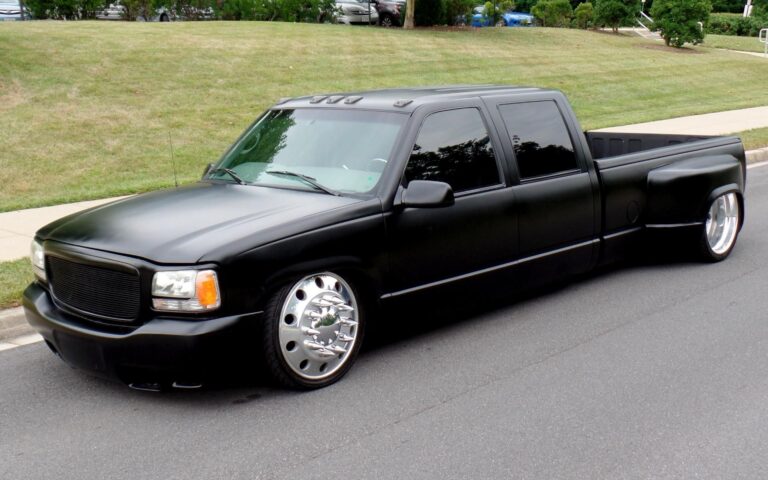
Before we can determine what other trucks might accept a cap from a 1990 Chevrolet, we first need to thoroughly understand the characteristics of the donor truck itself. The 1990 Chevrolet C/K series pickup represents a significant era in truck manufacturing, specifically falling within the GMT400 platform generation, which ran from 1988 to 1998. This platform is crucial to our discussion.
The "short box" designation for this era of Chevrolet typically refers to a bed length of approximately 6.5 feet (or around 78 inches). Paired with a "regular cab," this configuration ensures a specific cab height relative to the bed rails. These trucks were known for their robust, workhorse design and relatively consistent dimensions across the model years within that generation.
Based on my experience, understanding the exact dimensions and design language of the donor truck is the first and most critical step in assessing truck cap interchangeability. Every curve, every measurement, and every design choice by the manufacturer plays a role in whether a cap will fit snugly or become an ill-fitting eyesore.
The Golden Rules of Truck Cap Interchangeability
Successfully matching a truck cap to a different truck isn’t just about luck; it adheres to a few fundamental "golden rules." Ignoring these principles is a common mistake that leads to frustration and wasted money. These rules dictate the primary physical parameters that must align for a successful fit.
Firstly, bed length is paramount. A cap designed for a 6.5-foot short box simply won’t fit a 5.5-foot short box or an 8-foot long box without significant, often impractical, modification. The cap must sit flush with both the front bulkhead and the tailgate opening.
Secondly, bed width is equally critical. This isn’t just about the overall measurement, but also the consistency of the width from the bulkhead to the tailgate. Differences in width will result in unsightly gaps, an overhang, or the cap simply not sitting properly on the bed rails, compromising its structural integrity and weather sealing.
Thirdly, cab height plays a significant role in both aesthetics and aerodynamics. A cap designed for a regular cab will typically have a specific height to align seamlessly with the cab roofline, creating a streamlined look. If the receiving truck has a taller (e.g., extended cab or crew cab) or shorter cab, the cap will either appear to "step up" or "step down" from the cab, looking mismatched and potentially affecting airflow.
Finally, the bed rail contours and tailgate opening are often overlooked but vital. Truck bed rails are rarely perfectly flat or straight; they can have subtle curves, varying thicknesses, or integrated rail caps. The cap’s base is molded to match these contours. Similarly, the cap’s rear door must clear the tailgate and provide a secure seal when closed. Minor discrepancies here can lead to leaks, difficulty opening the tailgate, or a poor seal. Pro tip from us: Don’t assume; always measure!
Direct Fits: The Most Likely Candidates for Your 1990 Chevy Cap
When searching for a new home for your 1990 Chevrolet Short Box Regular Cab truck cap, the best-case scenario is finding a truck that shares virtually identical bed dimensions and design. This significantly narrows down the field but provides the highest chance of a perfect, seamless fit.
The most straightforward and often direct fit will be another truck from the same generation and manufacturer with the exact same bed configuration. Specifically, any Chevrolet C/K 1500/2500/3500 Short Box from the 1988-1998 GMT400 platform is an prime candidate. This includes regular cabs, extended cabs, and even crew cabs, provided they are equipped with the 6.5-foot short box. While the cab height of an extended or crew cab might be slightly different from a regular cab, the bed dimensions and bed rail contours typically remain consistent within this platform, allowing the cap to sit properly on the bed. The primary concern with differing cab styles would be the aesthetic alignment with the cab roof.
Similarly, GMC Sierra K/C 1500/2500/3500 Short Box trucks from the 1988-1998 GMT400 platform are also direct fits. Chevrolet and GMC trucks of this era were essentially platform twins, sharing the vast majority of their underpinnings and body dimensions. This means that a cap perfectly molded for a 1990 Chevy short box will almost certainly be a direct, perfect fit for a comparable GMC Sierra short box of the same generation. In my professional experience, GMC trucks of the same era are almost always a direct swap for Chevy, given the same bed length and cab style.
The key here is the "GMT400 platform" and "short box" combination. Manufacturers design caps to fit specific vehicle platforms, ensuring the base contours, length, and width are perfectly matched. Sticking within this exact lineage offers the highest probability of a "bolt-on" solution with minimal, if any, adjustments needed for sealing or clamping.
Potential "Near" Fits with Minor Modifications
While a direct fit from the same platform is ideal, sometimes you encounter a cap that’s "close enough" and worth considering with some minor adjustments. These scenarios typically involve trucks that share similar overall bed dimensions but might have slight differences in bed rail design, cab height, or tailgate clearance.
One common area for potential near fits involves later generation Chevy/GMC Short Box trucks, specifically the 1999-2006 Silverado/Sierra (GMT800 platform). While these trucks also offered a 6.5-foot short box, there were subtle but important changes. The bed rail caps on the GMT800 trucks are often thicker and have a slightly different profile than the GMT400. This means a cap designed for a 1990 Chevy might sit a fraction of an inch higher, or the sealing surface might not be perfectly flush. Modifications might include adding extra weather stripping, using shims under the cap rails, or in some cases, carefully trimming the plastic bed rail caps on the newer truck to allow the older cap to sit lower and seal better. Common mistakes to avoid are assuming newer generation caps will fit perfectly; even minor changes can lead to poor sealing or an unsightly gap.
Moving beyond GM trucks, compatibility becomes significantly more challenging, but not always impossible, for some Ford F-150 Short Box models. For instance, some Ford F-150s from the 1987-1996 (eighth and ninth generation) or 1997-2003 (tenth generation) eras might have bed lengths that are somewhat close to the 6.5-foot mark. However, Ford’s bed widths, cab heights, and especially bed rail contours are often distinct from Chevrolet’s. You might find a cap that "fits" in terms of overall length and width, but the bed rail contours will likely be off, leading to gaps, poor sealing, and potential leaks. Significant amounts of universal weather stripping and careful clamping would be necessary to mitigate these issues, and the aesthetic fit would likely be compromised.
Similarly, Dodge Ram Short Box trucks, particularly the 1994-2001 (second generation), present similar challenges. While they also had a popular 6.5-foot bed option, Dodge’s bed rail design and overall bed dimensions were unique to their brand. Trying to fit a 1990 Chevy cap onto a second-gen Ram would likely encounter the same problems as with a Ford: mismatched bed rail contours, potential width discrepancies, and an aesthetic that clearly shows the cap wasn’t originally designed for that truck. Pro tips from us: While possible, forcing a cap from a different manufacturer often results in compromise. It might "fit" but won’t be perfect, and you might always be battling leaks or an awkward appearance.
Why a Cap Might NOT Fit: Understanding the Key Obstacles
Even with the best intentions, a truck cap often simply won’t fit another truck. Understanding the specific reasons why is crucial to avoid frustration and costly mistakes. These seemingly small discrepancies are often the biggest headaches when trying to adapt a cap.
The most obvious obstacle is incorrect bed length. A cap designed for a 6.5-foot bed will be too short for an 8-foot long bed, leaving a large gap at the tailgate. Conversely, a cap too long for the bed will either overhang the tailgate or prevent it from closing properly, if it can even be installed.
Incorrect bed width is another major problem. If the cap is too wide, it will overhang the bed rails, creating an awkward look and potentially compromising its structural integrity. If it’s too narrow, it will leave significant gaps between the cap and the bed rails, making it impossible to seal properly against weather and dust. This leads directly to interior moisture and dirt problems.
Mismatched cab height affects both appearance and aerodynamics. A cap that is significantly taller or shorter than the truck’s cab will look out of place, creating an unappealing visual "step." This also disrupts the smooth airflow over the vehicle, potentially increasing drag and reducing fuel efficiency.
Dissimilar bed rail contours are a frequent culprit for poor fitment. Truck beds are not flat-topped tables; their rails can have various curves, slopes, and integrated caps. A cap’s base is specifically molded to conform to these unique contours. If the contours don’t match, the cap will sit unevenly, create gaps, and make it impossible to achieve a watertight seal, leading to persistent leaks into the bed.
Finally, tailgate clearance issues can arise. The rear door of a truck cap is designed to clear the specific tailgate and opening of its intended truck. If the cap is from a different model, its rear door might hit the tailgate when opening, or it might not provide a proper seal when closed, leaving the bed exposed to the elements. These are common mistakes to avoid.
The Ultimate Measuring Guide: How to Ensure a Perfect Fit
To ensure you don’t fall victim to misfits, accurate measurement is your best friend. Based on my years in the truck accessory industry, I cannot stress enough the importance of precise measurements of both the donor cap and the potential recipient truck.
Here’s a step-by-step guide to measuring for truck cap compatibility:
- Measure Inside Bed Length: Use a tape measure from the inside front bulkhead (the wall closest to the cab) to the inside of the closed tailgate. Take this measurement at the top of the bed rails. This gives you the usable interior length.
- Measure Outside Bed Length: Measure the length along the very top edge of the bed rails, from the front corner to the rear corner (where the tailgate meets the bed). This accounts for any overhang or design elements.
- Measure Inside Bed Width (at three points): Measure the width of the bed from inside rail to inside rail at the bulkhead, in the middle of the bed, and near the tailgate opening. This helps identify any tapering.
- Measure Outside Bed Width (at three points): Measure the width across the very top of the bed rails at the bulkhead, in the middle, and near the tailgate. This is crucial for the cap’s base.
- Measure Cab Height: From the top of your truck’s bed rail, measure vertically up to the highest point of your cab roof. Do this on both sides and in the middle if possible, to account for any slight variations or curves.
- Measure Bed Rail Contours: This is more qualitative. Observe the shape and thickness of your truck’s bed rails. Are they flat? Do they have a curve? Are there plastic caps? Compare this visually to the cap you are considering.
When measuring the cap itself, focus on the interior dimensions of its base (length and width) and its height from the base to the roof. Compare these directly to your truck’s measurements. Pro tip: Always measure three times, especially when dealing with used caps where dimensions might be slightly off due to age or previous use. Bring a notepad and pen, and if possible, take photos for reference.
Beyond Dimensions: Other Considerations When Choosing a Used Cap
While perfect fitment is paramount, there are other crucial factors to consider when selecting a used truck cap, even if the dimensions align. From a professional standpoint, these elements contribute significantly to your satisfaction and the cap’s longevity.
First, thoroughly inspect the condition of the cap. Look for cracks in the fiberglass or aluminum shell, especially around stress points like window frames and mounting areas. Check for signs of water leaks, often visible as staining or rust inside. Test all hardware: locks, latches, hinges, and gas struts for the rear door. Ensure all glass is intact and seals are not dry-rotted.
Consider the material and weight. Fiberglass caps are generally heavier and more rigid, offering better insulation and a more finished look. Aluminum caps are lighter, more utilitarian, and often more affordable. Your truck’s payload capacity and how you intend to use the cap should influence this choice.
Evaluate the features of the cap. Does it have sliding or pop-out windows for ventilation? Are there interior lights? Is there a sturdy roof rack system if you plan to carry extra gear? Does it have a secure locking mechanism? Ensure these features are functional and meet your needs. For a deeper dive into evaluating used truck caps, check out our guide on . (Placeholder for internal link)
Finally, think about aesthetics. While you might get a perfect fit, the color and style of the cap might not perfectly match your truck. While a paint job is always an option, it adds significant cost. Consider if you can live with a mismatched color or if the cap’s overall design clashes with your truck’s lines.
Installation Tips & Best Practices
Once you’ve found a cap that promises a good fit, proper installation is key to ensuring it performs as expected. This isn’t just about securing it; it’s about making it weatherproof and safe.
Always start with new, high-quality weather stripping. Even if the cap comes with old stripping, replacing it ensures a fresh, watertight seal against your truck’s bed rails. Apply it carefully and consistently around the entire perimeter where the cap meets the bed.
Use appropriate clamps to secure the cap to the bed rails. Most caps use C-clamps or J-hooks that attach to the cap’s base and hook under the bed rail. Ensure these are tightened evenly and securely to prevent movement and maintain the seal. Avoid over-tightening, which can damage the cap or bed rails.
If the cap has a third brake light, make sure to properly connect the wiring to your truck’s tail light harness. This is a crucial safety feature and often a legal requirement. If you’re unsure, consult a professional or a reliable wiring diagram for your specific truck model. For more detailed installation guides, resources like etrailer.com’s truck cap installation guides can be very helpful. (External link example)
Conclusion
Finding a compatible truck cap for your 1990 Chevrolet Short Box Regular Cab truck is a journey that requires patience, attention to detail, and a solid understanding of truck bed dimensions. While the most direct and hassle-free fits will come from the same 1988-1998 GMT400 platform (Chevy C/K or GMC Sierra short box), exploring "near" fits from other generations or even different manufacturers is possible with careful measurement and a willingness for minor modifications.
Remember, the golden rules of bed length, width, cab height, and bed rail contours are your compass. Always measure meticulously, inspect the cap thoroughly, and prioritize a tight, weatherproof seal. By following the expert advice and detailed steps outlined in this guide, you significantly increase your chances of finding a functional, aesthetically pleasing, and long-lasting home for your 1990 Chevy cap. Happy hunting, and enjoy the enhanced utility your truck will gain! Considering other truck accessories? Explore our article on . (Placeholder for internal link)