Navigating the Market: Your Ultimate Guide to LTL Trucks For Sale
Navigating the Market: Your Ultimate Guide to LTL Trucks For Sale Typestruck.Guidemechanic.com
The backbone of modern commerce relies heavily on efficient logistics, and at the heart of this efficiency for many businesses lies Less-Than-Truckload (LTL) freight transport. If you’re looking to expand your fleet, start a new venture, or simply upgrade your existing vehicles, understanding the intricacies of LTL trucks for sale is paramount. These specialized commercial vehicles are the workhorses that make it possible to move smaller shipments cost-effectively, connecting businesses and consumers across vast distances.
This comprehensive guide will demystify the process of finding and purchasing the right LTL truck, providing you with expert insights and practical advice. We’ll dive deep into everything from understanding different truck types and crucial specifications to navigating the buying process, ensuring you make an informed decision that drives your business forward. Our goal is to equip you with the knowledge needed to secure a valuable asset, optimize your operations, and achieve lasting success in the competitive world of logistics.
Navigating the Market: Your Ultimate Guide to LTL Trucks For Sale
What Exactly Are LTL Trucks? Understanding Less-Than-Truckload Vehicles
Before we delve into the market, let’s clarify what defines an LTL truck. LTL, or Less-Than-Truckload, refers to the transportation of relatively small freight that doesn’t require the entire space of a full semi-trailer. Instead, multiple LTL shipments from various customers are consolidated onto a single truck, optimizing space and reducing costs for each individual shipper.
The vehicles used for LTL freight transport are specifically designed for this purpose, often prioritizing maneuverability, cargo versatility, and efficiency in urban and regional environments. Unlike the massive tractor-trailers used for Full-Truckload (FTL) shipments that carry single, large consignments over long hauls, LTL carrier trucks are built for flexibility. They often handle multiple pickups and deliveries within a specific geographic area, acting as critical links in the supply chain.
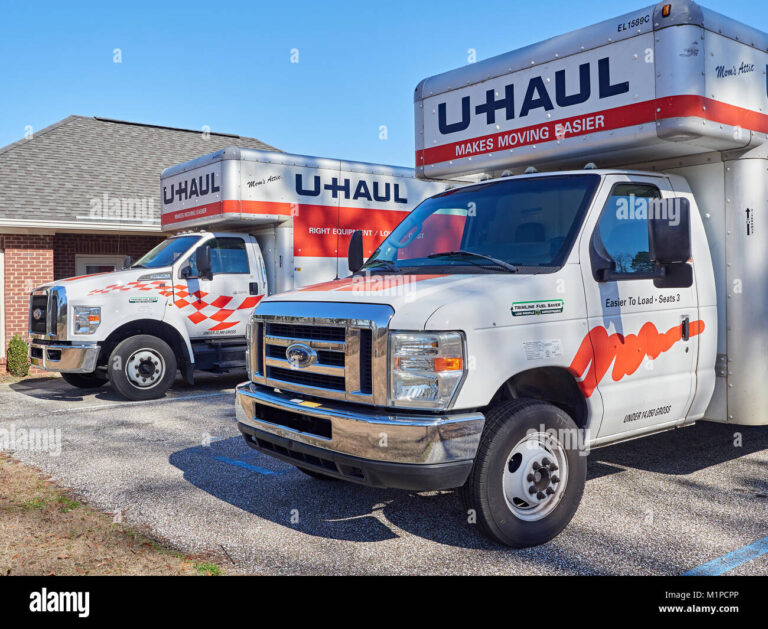
Common types of LTL vehicles include straight trucks, also known as box trucks, which have the cab and cargo area integrated onto a single chassis. You’ll also find day cab tractors paired with shorter trailers (e.g., 28-foot or 32-foot pups) designed for regional routes and easier navigation through congested areas. The selection of an appropriate LTL truck largely depends on the typical freight volume, delivery locations, and operational demands of the business.
Why Invest in LTL Trucks? The Strategic Business Case
Investing in LTL trucks can be a game-changer for businesses looking to optimize their shipping operations and expand their service offerings. For many companies, shipping smaller, frequent loads is a core part of their business model, making dedicated LTL vehicles an essential asset. These trucks enable greater control over delivery schedules and service quality.
One of the primary advantages is cost-effectiveness for managing diverse freight sizes. Instead of paying for an entire truckload when you only have a few pallets, LTL services allow you to share the space, significantly reducing shipping expenses per item. This efficiency translates directly into better profit margins and competitive pricing for your clients.
Based on my experience working with countless logistics startups and established carriers, having your own fleet of LTL trucks provides unparalleled flexibility. You gain the ability to react quickly to market demands, offer tailored delivery solutions, and build stronger relationships with your customers through reliable service. It’s not just about moving goods; it’s about building a robust and responsive supply chain. Whether you’re a third-party logistics provider, a distributor, or a manufacturer, adding the right LTL trucks to your fleet can unlock new opportunities and bolster your operational independence.
Key Considerations Before You Buy: A Pre-Purchase Checklist
Embarking on the journey to acquire LTL trucks for sale requires careful planning and a thorough understanding of your specific needs. This pre-purchase checklist will guide you through the critical factors that influence your decision, ensuring you select a vehicle that perfectly aligns with your business goals. Overlooking any of these points can lead to costly mistakes down the line, impacting both your operational efficiency and your bottom line.
New vs. Used LTL Trucks: Weighing Your Options
The first major decision you’ll face is whether to purchase a new or used LTL truck. Both options present distinct advantages and disadvantages, and the best choice depends heavily on your budget, risk tolerance, and long-term strategy.
-
New LTL Trucks:
- Pros: Latest technology, full manufacturer warranty, peak performance, higher fuel efficiency, lower initial maintenance costs, greater customization options.
- Cons: Significantly higher upfront cost, faster depreciation in the initial years, longer lead times for specific configurations.
- New trucks offer peace of mind with their reliability and cutting-edge features, often leading to better driver satisfaction and reduced downtime.
-
Used LTL Trucks:
- Pros: Much lower purchase price, slower depreciation after initial purchase, immediate availability, often well-maintained by previous owners.
- Cons: Shorter or no warranty, potential for unforeseen maintenance issues, older technology, unknown operational history without proper inspection.
- Used LTL trucks can be an excellent value, especially for startups or businesses looking to expand on a tighter budget, provided they are thoroughly vetted.
Budgeting and Financing: Understanding the True Cost
Beyond the sticker price, a comprehensive budget must account for all associated costs when buying LTL trucks. This includes the initial purchase price, sales tax, registration fees, and insurance. It’s also crucial to factor in ongoing operational costs such as fuel, maintenance, tires, and potential repairs.
Pro tips from us: Always secure your financing before you start serious shopping. Explore various financing options, including traditional bank loans, equipment leasing, and specialized commercial vehicle financing. Each has different interest rates, repayment terms, and down payment requirements. A well-structured financing plan can significantly impact your cash flow and long-term financial health.
Vehicle Type and Size: Matching the Truck to Your Freight Needs
The type and size of the LTL truck must directly correspond to the nature of your freight and your typical delivery routes. Are you primarily transporting palletized goods, specialized equipment, or a mix?
- Straight Trucks (Box Trucks): Ideal for urban deliveries, often ranging from 16 to 26 feet in length. They are highly maneuverable and come with various body types like dry van, refrigerated, or curtain side. Their single-unit design simplifies driving for many operators.
- Day Cab Tractors with Shorter Trailers: Suitable for regional LTL routes, offering greater flexibility in trailer selection (e.g., 28-foot "pup" trailers, 32-foot trailers). This configuration allows for easy detachment and attachment of trailers, which can be advantageous in hub-and-spoke operations.
- Consider the Gross Vehicle Weight Rating (GVWR) and payload capacity. Ensure the truck can legally and safely carry your typical load weights, especially important for commercial trucks for sale. Overloading is not only dangerous but also leads to fines and accelerated wear and tear.
Engine and Transmission: Power, Efficiency, and Reliability
The powertrain of your LTL truck is its heart, directly impacting performance, fuel economy, and long-term reliability. Diesel engines are prevalent in commercial vehicles due to their torque, durability, and fuel efficiency over long distances. However, newer gasoline engines are becoming more competitive for lighter-duty applications.
Research specific engine models for their reputation regarding reliability, maintenance costs, and fuel consumption. Similarly, the transmission – whether manual or automatic – plays a significant role in driver comfort and fuel efficiency. Automatic transmissions are increasingly popular for LTL operations due to reduced driver fatigue, especially in stop-and-go urban traffic.
Maintenance Records: A Window into a Truck’s History
For used LTL trucks, obtaining comprehensive maintenance records is non-negotiable. These records provide a detailed history of service, repairs, and inspections, offering invaluable insights into how well the truck was cared for. They can reveal recurring issues, demonstrate adherence to manufacturer-recommended service schedules, and highlight major components that have been replaced.
A truck with a diligent maintenance history is generally a safer bet, indicating a higher likelihood of reliable performance. Without these records, you’re essentially buying blind, which significantly increases your risk of unexpected and costly repairs.
DOT Compliance: Ensuring Legal and Safe Operation
All commercial trucks must adhere to strict Department of Transportation (DOT) regulations in the United States, or equivalent standards in other countries. When buying LTL trucks, ensure the vehicle meets all current safety standards, emissions regulations, and weight limits. This includes proper lighting, braking systems, tire condition, and overall structural integrity.
Common mistakes to avoid are overlooking DOT compliance during the purchase process, which can lead to significant fines, out-of-service orders, and operational delays. Verify that all required safety features are present and functioning correctly. A pre-purchase inspection by a qualified mechanic who understands commercial truck regulations is highly recommended to confirm compliance.
Where to Find LTL Trucks For Sale: Your Sourcing Options
Once you’ve defined your needs and budget, the next step is finding the right LTL trucks for sale. The market for commercial vehicles is vast, offering several avenues for potential buyers. Each sourcing option comes with its own set of advantages and considerations, and exploring a combination of these can yield the best results.
1. Commercial Truck Dealerships (New & Used)
Dealerships specializing in commercial trucks are often the go-to source for both new and used LTL vehicles. They offer a wide selection of makes and models, professional sales staff, and typically provide financing options and warranties (especially for new trucks or certified used models).
- Advantages: Access to a large inventory, professional assistance, financing services, potential for after-sales support and parts.
- Considerations: Prices might be higher than private sales, but the added services and peace of mind can justify the cost.
2. Online Marketplaces and Classifieds
The internet has revolutionized the way we buy and sell commercial vehicles. Websites dedicated to commercial trucks, such as TruckPaper.com, CommercialTruckTrader.com, and MyLittleSalesman.com, are excellent resources. General classifieds like Craigslist or Facebook Marketplace can also list LTL trucks for sale, though often from private sellers.
- Advantages: Broad reach, ability to compare numerous options quickly, often includes detailed specifications and photos.
- Considerations: Requires diligence to verify seller credibility and truck condition. Be wary of deals that seem too good to be true.
3. Auctions (Government & Private)
Truck auctions can be a fantastic way to find LTL trucks at competitive prices, especially if you’re comfortable with the "as-is" nature of most auction sales. Government auctions often feature well-maintained fleet vehicles, while private auctions might include trucks from businesses downsizing or liquidating assets.
- Advantages: Potential for significant savings, wide variety of trucks available.
- Considerations: Limited opportunity for pre-inspection, no warranties, quick decision-making required. Attending with a mechanic is highly advisable.
4. Private Sellers
Buying directly from a private seller can sometimes yield the best deals, as you cut out the dealership markup. These sellers might be owner-operators upgrading their equipment or small businesses selling off a single unit.
- Advantages: Potential for lower prices, direct negotiation with the owner who can provide insights into the truck’s history.
- Considerations: No warranties, increased risk if the seller isn’t transparent, requires thorough independent inspection.
5. Fleet Dispositions and Buy-Back Programs
Large LTL carriers or rental companies frequently rotate their fleets, selling off older but still functional trucks. These vehicles often come with detailed maintenance records and may have been part of structured maintenance programs. Some manufacturers also offer buy-back programs or certified used truck programs.
- Advantages: Well-documented history, often good condition due to professional maintenance, potential for volume discounts.
- Considerations: May be higher mileage, limited customization.
For a deeper dive into financial planning, we recommend checking out our comprehensive guide on Financing Commercial Trucks: A Smart Business Approach. This resource offers valuable insights into securing the best financial options for your fleet expansion.
The Inspection Process: What to Look For When Buying LTL Trucks
Once you’ve identified potential LTL trucks for sale, a rigorous inspection process is non-negotiable, especially when considering used commercial trucks for sale. This crucial step can save you from significant future expenses and operational headaches. Don’t rely solely on outward appearance; a detailed, systematic examination is key.
1. Exterior Inspection: The First Impression Matters
Start with a walk-around, paying close attention to the truck’s overall condition. Look for signs of accidents, rust, or major body damage.
- Frame: Inspect the frame rails for cracks, welds, bends, or signs of repair. A compromised frame can indicate severe prior damage or overloading.
- Tires: Check tire tread depth, even wear, and any signs of cracking or bulging. Mismatched tires or uneven wear can point to alignment issues or suspension problems.
- Body and Paint: Look for dents, scratches, rust spots (especially around wheel wells, doors, and the cargo area), and inconsistent paint jobs which might hide repairs.
- Lights and Mirrors: Ensure all lights (headlights, tail lights, turn signals, clearance lights) are intact and functional. Check mirrors for cracks and proper adjustment mechanisms.
2. Engine and Mechanicals: The Heart of the Beast
This is where a professional mechanic’s expertise becomes invaluable. However, you can still perform an initial check.
- Leaks: Look under the truck for any signs of fluid leaks (oil, coolant, fuel, hydraulic fluid).
- Fluid Levels: Check engine oil, transmission fluid, coolant, and brake fluid levels. Note their color and consistency; milky oil can indicate coolant contamination, for instance.
- Belts and Hoses: Inspect for cracks, fraying, or excessive wear.
- Battery: Check terminals for corrosion. Try starting the truck to assess battery strength and engine cranking.
- Listen to the Engine: Pay attention to unusual noises – knocking, hissing, grinding – both at idle and when revving.
3. Interior and Cab: Driver Comfort and Functionality
A comfortable and functional cab is vital for driver retention and productivity.
- Seats: Check for wear, tears, and proper adjustment mechanisms.
- Dashboard and Gauges: Ensure all gauges (speedometer, tachometer, oil pressure, temperature, fuel) are working. Look for any warning lights.
- Controls: Test all switches and controls – wipers, lights, horn, cruise control, power windows (if applicable).
- HVAC: Verify that the heating and air conditioning systems are fully functional.
4. Test Drive: Putting the Truck Through Its Paces
A thorough test drive is critical to assess the truck’s performance under actual operating conditions.
- Brakes: Test both service brakes and parking brake. Listen for grinding, squealing, or pulsation. Ensure the truck stops straight without pulling.
- Steering: Check for excessive play in the steering wheel, looseness, or unusual noises when turning.
- Acceleration and Transmission: Observe how the truck accelerates and shifts gears. Look for smooth transitions in automatic transmissions or crisp engagement in manuals. Any hesitation, slipping, or hard shifts are red flags.
- Suspension: Drive over varying road conditions to feel for excessive bouncing, sagging, or unusual noises that might indicate suspension issues.
5. Professional Mechanic Inspection: Your Best Defense
Common mistakes to avoid are rushing the inspection or, worse, skipping a professional assessment altogether. For any used LTL truck, hiring an independent, certified commercial truck mechanic to perform a pre-purchase inspection is highly recommended. They have specialized tools and expertise to detect hidden problems that even an experienced buyer might miss. This small investment can save you thousands in future repairs and downtime.
For an even more detailed guide on what to look for during inspections, consider reviewing the official DOT Pre-Trip Inspection Checklist, which provides a comprehensive overview of safety-critical components. You can find resources like this on the FMCSA website, such as their Driver’s Pre-Trip Inspection Checklist FMCSA Pre-Trip Inspection Checklist.
Understanding LTL Truck Specifications: Making the Right Match
Choosing the right LTL trucks for sale goes beyond just appearance and price; it demands a deep understanding of key specifications that impact performance, legality, and operational efficiency. Matching these specs to your specific business needs is crucial for long-term success.
Gross Vehicle Weight Rating (GVWR) and Payload Capacity
The GVWR is the maximum operating weight of a vehicle as specified by the manufacturer, including the vehicle’s chassis, body, engine, fuel, accessories, driver, passengers, and cargo. For LTL operations, understanding the GVWR is paramount for DOT compliance and safety. You must never exceed this rating.
Closely related is the payload capacity, which is the maximum amount of weight a truck can carry in its cargo area. When looking at LTL carrier trucks, calculate your typical shipment weight and ensure the truck’s payload capacity comfortably accommodates it. Overloading leads to accelerated wear, increased fuel consumption, safety hazards, and hefty fines.
Cargo Space and Body Type
The specific type of cargo space and body configuration is a direct reflection of the freight you intend to transport.
- Dry Van: The most common body type for LTL, providing enclosed, weather-protected space for general freight. These are versatile and widely available.
- Refrigerated (Reefer) Units: Essential for perishable goods requiring temperature control, such as food, pharmaceuticals, or certain chemicals. These come with specialized insulation and refrigeration units.
- Curtain Side: Offers the protection of a dry van with the loading flexibility of a flatbed, allowing goods to be loaded from the side. This can be beneficial for oddly shaped freight or situations where dock access is limited.
- Flatbed (less common for LTL): While not typical for consolidated LTL freight, some specialized LTL operations might use flatbeds for oversized or irregularly shaped items that can be secured individually.
Consider the interior dimensions (length, width, height) of the cargo area and how they align with your pallet sizes or specific product packaging.
Maneuverability: Navigating Urban and Rural Routes
LTL trucks, particularly straight trucks and shorter tractor-trailer combinations, are often chosen for their ability to navigate diverse environments. If your routes involve frequent city deliveries, tight loading docks, or residential areas, maneuverability is a critical factor.
A shorter wheelbase, tighter turning radius, and good visibility are desirable features for urban operations. Day cabs are preferred over sleeper cabs for LTL routes as they are more compact and designed for daily returns to a home base, making them easier to handle in congested areas.
Fuel Type and Efficiency
While diesel engines have long dominated the commercial truck market due to their power and longevity, rising fuel costs and environmental regulations are bringing other options into consideration.
- Diesel: Offers excellent torque, fuel efficiency for highway driving, and proven durability. Modern diesel engines are also cleaner with advanced emissions systems.
- Gasoline: Becoming more common in lighter-duty LTL trucks, especially straight trucks. They often have lower upfront costs and can be more economical for shorter, stop-and-go routes.
- Alternative Fuels (CNG, Electric): While still a smaller segment, compressed natural gas (CNG) and electric LTL trucks are emerging, offering significant environmental benefits and potentially lower long-term fuel costs, especially where infrastructure exists. However, their upfront cost and range limitations are important considerations.
Evaluate the typical mileage and terrain of your routes to determine the most cost-effective and efficient fuel type for your fleet.
Maintenance and Operational Tips for Your LTL Truck
Acquiring an LTL truck is just the first step; effective maintenance and smart operational practices are vital to maximize its lifespan, ensure reliability, and control costs. Neglecting these aspects can lead to frequent breakdowns, lost revenue, and premature vehicle replacement.
1. Regular Servicing: A Proactive Approach
Sticking to a rigorous preventative maintenance schedule is the single most important factor in keeping your LTL trucks running smoothly. This goes beyond just oil changes.
- Oil and Filter Changes: Adhere to manufacturer-recommended intervals, or more frequently if operating in severe conditions.
- Tire Rotations and Pressure Checks: Proper tire maintenance extends tire life, improves fuel economy, and enhances safety.
- Brake Inspections: Regularly check brake pads, drums/rotors, and air systems (if applicable). Brake failure is a major safety hazard.
- Fluid Checks: Monitor all fluid levels (coolant, power steering, transmission, differential) and top off or replace as needed.
- Filter Replacements: Don’t forget air filters, fuel filters, and cabin air filters to maintain engine performance and driver comfort.
2. Pre-Trip and Post-Trip Inspections: Daily Vigilance
Daily inspections are a non-negotiable part of commercial truck operation. Drivers should perform thorough pre-trip inspections before hitting the road, checking lights, tires, brakes, fluid levels, and emergency equipment.
Based on years of managing commercial fleets, these daily checks catch minor issues before they escalate into major, costly problems or lead to roadside breakdowns. A post-trip inspection helps identify any issues that developed during the day, allowing for timely repairs. Consistent daily inspections also ensure DOT compliance, preventing potential violations during roadside checks.
3. Driver Training: Empowering Your Operators
Well-trained drivers are crucial for extending a truck’s life and optimizing its performance. Training should cover:
- Proper Operation: Correct gear shifting, braking techniques, and load securement.
- Defensive Driving: Reducing wear and tear caused by aggressive driving and preventing accidents.
- Troubleshooting Basics: Equipping drivers to identify and report potential mechanical issues early.
- Fuel-Efficient Driving Practices: Encouraging smooth acceleration, anticipating traffic, and maintaining optimal speeds to conserve fuel.
4. Detailed Record Keeping: Your Truck’s Biography
Maintain meticulous records for every LTL truck in your fleet. This includes:
- Maintenance History: Dates, services performed, parts replaced, and costs.
- Repair History: Details of any breakdowns, diagnoses, and resolutions.
- Mileage Logs: Track fuel consumption and service intervals.
- Inspection Reports: Keep records of daily, weekly, and annual inspections.
These records are invaluable for several reasons: they help you track costs, identify recurring issues, forecast future maintenance needs, and significantly boost the resale value of your commercial trucks for sale when it’s time to upgrade. Accurate records also serve as proof of compliance during audits.
Maximizing Your Investment: Resale Value and Future Planning
Your investment in LTL trucks for sale isn’t just about immediate operational needs; it’s also about building long-term asset value. Strategic planning can significantly impact the resale value of your trucks and ensure your fleet remains competitive and efficient.
How to Maintain and Boost Resale Value
The value of your LTL truck when it’s time to sell is largely a reflection of how well it has been maintained and operated.
- Impeccable Maintenance Records: As mentioned, a detailed service history is a huge selling point. It assures potential buyers that the truck has been cared for professionally.
- Regular Cleaning and Detailing: A clean truck, both inside and out, conveys professionalism and attention to detail. This includes the engine bay.
- Timely Repairs: Don’t defer necessary repairs. Addressing issues promptly prevents them from escalating and becoming more expensive to fix later, which would detract from resale value.
- Original Parts: Whenever possible, use OEM (Original Equipment Manufacturer) or high-quality aftermarket parts for repairs.
- Minimize Excessive Wear: Encourage drivers to operate the truck smoothly, avoiding harsh braking or acceleration, which reduces wear on critical components.
When to Upgrade: Timing Your Fleet Expansion
Deciding when to sell existing LTL trucks and invest in newer models is a crucial strategic decision. It often involves balancing maintenance costs against the benefits of newer technology and reliability.
- Rising Maintenance Costs: When the cost of repairs and downtime for an older truck consistently outweighs its operational value, it’s a strong indicator that an upgrade might be more economical.
- Technological Advancements: Newer LTL trucks often feature improved fuel efficiency, advanced safety features, and better driver comfort, which can significantly enhance your fleet’s overall performance and attractiveness.
- Emissions Regulations: Staying ahead of evolving environmental regulations might necessitate upgrading to trucks with newer, cleaner engine technologies.
- Fleet Expansion: As your business grows, you might need more trucks or specialized vehicles to handle increased volume or new types of freight.
Market Trends for LTL Trucks
Staying informed about market trends for LTL trucks is essential for making smart buying and selling decisions. Factors like fuel prices, economic growth, e-commerce expansion, and driver availability all influence demand and pricing.
Currently, the demand for efficient delivery trucks for sale remains strong due to the surge in e-commerce and the need for flexible logistics solutions. Understanding these trends helps you predict optimal buying and selling windows, ensuring you get the best value for your fleet assets.
For more advanced strategies on optimizing your entire commercial fleet, including comprehensive lifecycle management and technology integration, refer to our in-depth article: Optimizing Your Commercial Fleet: Strategies for Efficiency and Growth.
Conclusion: Driving Your Business Forward with the Right LTL Truck
Navigating the market for LTL trucks for sale is a significant undertaking, but with the right knowledge and a systematic approach, it can be a highly rewarding investment. We’ve explored the core definitions, the strategic advantages, the critical pre-purchase considerations, and the best places to source these essential vehicles. From the rigorous inspection process to understanding vital specifications and maintaining your asset, every step contributes to the longevity and profitability of your operations.
The decision to purchase an LTL truck is more than just buying a vehicle; it’s about investing in the future of your business. By prioritizing thorough research, diligent inspection, and sound financial planning, you can acquire an asset that not only meets your immediate needs but also drives efficiency, expands your capabilities, and contributes significantly to your bottom line for years to come. Choose wisely, maintain diligently, and watch your logistics business thrive.