Navigating the Market: Your Ultimate Guide to Finding the Best Hot Shot Trucks and Trailers for Sale
Navigating the Market: Your Ultimate Guide to Finding the Best Hot Shot Trucks and Trailers for Sale Typestruck.Guidemechanic.com
The open road calls, and with it, the promise of independent hauling and lucrative opportunities. Hot shot trucking has emerged as a dynamic and accessible niche within the logistics industry, offering a pathway for owner-operators to transport time-sensitive, smaller, or specialized loads that don’t quite fit a full-size semi-truck. But before you can hit the highway, you need the right equipment. This journey begins with finding reliable hot shot trucks and trailers for sale.
This comprehensive guide is designed to be your definitive resource, helping you navigate the complex market, understand your options, and make an informed purchase. We’ll delve deep into the nuances of selecting the perfect truck and trailer combination, ensuring your investment sets you up for success, not headaches. Based on my extensive experience in commercial vehicle analysis and small-fleet operations, we’ll equip you with the knowledge to make smart decisions.
Navigating the Market: Your Ultimate Guide to Finding the Best Hot Shot Trucks and Trailers for Sale
What Exactly is Hot Shot Trucking? Defining Your Business Needs
Before we dive into the hardware, let’s clarify what "hot shot" truly means. Hot shot trucking involves hauling smaller, often time-critical loads using a heavy-duty pickup truck (typically a Class 3-5) and a specialized trailer. Unlike traditional LTL (Less Than Truckload) carriers that consolidate many small shipments, hot shot operations focus on direct, expedited delivery for a single customer or a few compatible loads.
This sector is popular for its relatively lower entry barrier compared to operating a full semi. It offers owner-operators flexibility, the potential for higher per-mile rates on urgent deliveries, and the ability to serve a diverse range of industries from construction to agriculture to automotive. Understanding this core definition is crucial because it dictates the type of equipment you’ll need.
The Powerhouse: Choosing Your Hot Shot Truck
Your hot shot truck is the backbone of your operation. It’s not just a vehicle; it’s your office, your mobile command center, and the engine of your livelihood. Selecting the right one involves careful consideration of power, durability, comfort, and, crucially, its Gross Vehicle Weight Rating (GVWR) and Gross Combined Weight Rating (GCWR).
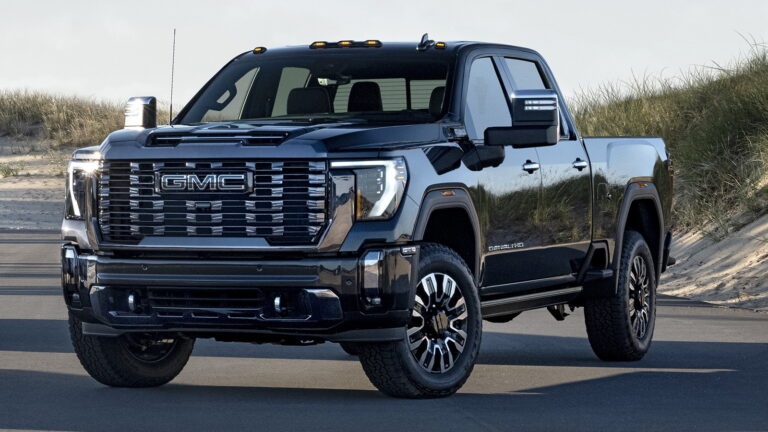
A "hot shot ready" truck is typically a heavy-duty pickup, designed to handle significant towing capacities. It boasts a robust frame, powerful engine, heavy-duty transmission, and often an enhanced braking system. Ignoring these foundational elements can lead to premature wear, safety hazards, and costly breakdowns.
Understanding Truck Classifications for Hot Shot Operations
The commercial trucking world categorizes vehicles by their Gross Vehicle Weight Rating (GVWR). For hot shot operations, you’ll primarily be looking at Class 3 to Class 5 trucks.
-
Class 3 Trucks (10,001 – 14,000 lbs GVWR): These include the top-tier 3/4-ton and most 1-ton single rear wheel (SRW) trucks like the Ford F-250/F-350, Ram 2500/3500, and Chevrolet Silverado/GMC Sierra 2500/3500.
- Pros: Often more comfortable for daily driving, better fuel economy when unloaded, and can be easier to maneuver. Lower initial cost and insurance.
- Cons: Limited in ultimate towing capacity compared to dually or medium-duty options. Can quickly reach their limits with heavier gooseneck trailers.
- Typical Use: Lighter hot shot loads, smaller gooseneck trailers, or bumper pull trailers.
- Pro Tip from us: While a 3/4-ton might seem appealing for its lower cost, based on my experience, many hot shot operators quickly outgrow its capabilities. A 1-ton truck, especially a dually, offers a significant jump in stability and towing power for a relatively small increase in price.
-
Class 4 Trucks (14,001 – 16,000 lbs GVWR): These are typically the chassis cab versions of 1-ton trucks, like the Ford F-450, Ram 4500, and Chevrolet Silverado/GMC Sierra 4500. They often come with a dually (dual rear wheel) configuration.
- Pros: Substantially increased towing and payload capacity. Excellent stability with heavy loads. Engineered for commercial duty.
- Cons: Higher purchase price, lower fuel economy, can be less comfortable as a daily driver.
- Typical Use: The sweet spot for many dedicated hot shot operations, handling heavier gooseneck trailers with ease.
-
Class 5 Trucks (16,001 – 19,500 lbs GVWR): Examples include the Ford F-550, Ram 5500, and Chevrolet Silverado/GMC Sierra 5500. These are purpose-built commercial chassis cabs.
- Pros: Maximum towing and payload capacity for a non-CDL hot shot operation (depending on trailer weight). Extreme durability and commercial-grade components.
- Cons: Highest initial cost, lowest fuel economy, often require specialized maintenance.
- Typical Use: Hauling the heaviest hot shot loads, often exceeding 20,000 lbs on the trailer. These are robust choices for operators consistently moving large equipment.
Key Truck Features to Prioritize
When searching for hot shot trucks for sale, don’t just look at the brand or year. Dig into the specifications that truly matter for heavy hauling.
-
Engine Type: Diesel vs. Gas
- Diesel Engines: The overwhelming choice for hot shot. They offer superior torque at lower RPMs, crucial for pulling heavy loads, and generally better fuel economy under load. Their longevity is legendary when properly maintained.
- Based on my experience: While diesel engines have higher upfront costs and more complex emissions systems, their performance, durability, and better resale value in the commercial market make them the undisputed champion for hot shot work.
- Gas Engines: Less common for dedicated hot shot. They have a lower initial cost and simpler maintenance. However, they typically lack the low-end torque for heavy loads and will consume significantly more fuel when working hard.
- Common mistakes to avoid are choosing a gas engine for a hot shot business with the expectation of hauling substantial weight consistently. You’ll quickly find it underpowered and inefficient.
- Diesel Engines: The overwhelming choice for hot shot. They offer superior torque at lower RPMs, crucial for pulling heavy loads, and generally better fuel economy under load. Their longevity is legendary when properly maintained.
-
Transmission:
- Automatic Transmissions: Modern heavy-duty automatics are incredibly sophisticated and durable. They offer smooth shifting, often with tow/haul modes and manual override features, making long hauls less fatiguing.
- Manual Transmissions: While some older hot shot trucks might feature manuals, they are increasingly rare. They can offer more direct control but require more driver input and can be tiring in stop-and-go traffic.
-
Axle Ratio: This influences the balance between towing power and fuel economy. A "lower" axle ratio (e.g., 3.73) generally favors fuel economy, while a "higher" ratio (e.g., 4.10 or 4.30) provides more pulling power but at higher engine RPMs and potentially lower MPG. For hot shot, a numerically higher ratio is often preferred for load handling.
-
Suspension:
- Leaf Spring Suspension: Standard on most heavy-duty pickups, known for its robustness and load-carrying ability.
- Air Ride Suspension: Becoming more popular, especially in the rear. Air ride offers a smoother ride, better load leveling, and reduced wear and tear on both the truck and the cargo. It’s a significant comfort upgrade for long-haul hot shot drivers.
-
Braking System:
- Integrated Trailer Brake Controller: An absolute must-have. This system seamlessly integrates with the truck’s brakes to apply braking force to the trailer, ensuring safe stops.
- Exhaust/Engine Brake: Found on most diesel trucks, this feature uses engine compression to slow the vehicle, reducing reliance on friction brakes and saving wear, especially on descents.
-
Interior Comfort and Features: Long hours on the road demand a comfortable and functional cabin. Look for comfortable seating, ample storage, a good infotainment system, and perhaps even an inverter for powering electronics.
New vs. Used Hot Shot Trucks: Making the Smart Investment
The choice between new and used hot shot trucks for sale is a critical one, impacting your initial capital outlay, warranty, and potential for downtime.
-
New Hot Shot Trucks:
- Pros: Full factory warranty, latest technology and safety features, complete customization options, and the peace of mind of knowing its full history. You get the latest in engine efficiency and comfort.
- Cons: Significantly higher upfront cost, rapid depreciation in the first few years.
- Pro Tip from us: If buying new, consider special financing offered by manufacturers or dealerships for commercial vehicles.
-
Used Hot Shot Trucks:
- Pros: Lower purchase price, less depreciation, and often well-equipped with features the original owner added. A well-maintained used truck can offer excellent value.
- Cons: No factory warranty (or limited remaining), potential for hidden issues, unknown maintenance history. You might inherit someone else’s problems.
- Inspection Checklist for Used Trucks:
- Full Service Records: Crucial for understanding past maintenance.
- Professional Mechanic Inspection: Get an independent mechanic specializing in diesel trucks to do a pre-purchase inspection. This is non-negotiable.
- Test Drive with a Load: If possible, test drive the truck with a heavy trailer attached to assess its true performance under load.
- Check for Rust: Especially on the frame, suspension components, and brake lines.
- Tire Condition: Look for uneven wear, which can indicate alignment or suspension issues.
- Fluid Leaks: Check under the hood and truck for any drips.
- Engine and Transmission Performance: Listen for unusual noises, feel for rough shifts, check for excessive smoke from the exhaust.
- Electrical System: Ensure all lights, gauges, and accessories work.
- DOT Inspection Status: Inquire about its last DOT inspection if it was previously used commercially.
The Workhorse: Selecting Your Hot Shot Trailer
While the truck provides the power, the trailer is where the actual work gets done. It needs to be robust, versatile, and legally compliant with the loads you intend to carry. Just like trucks, there are various types of hot shot trailers for sale, each suited for different tasks.
The most common type of hot shot trailer is a gooseneck flatbed, but understanding other options is important for specialized hauling.
Popular Types of Hot Shot Trailers
-
Gooseneck Flatbed Trailers:
- Description: These trailers connect to a ball hitch mounted in the truck bed, distributing weight more evenly over the truck’s rear axle and offering superior stability compared to bumper pull trailers. They come in various lengths, typically from 25 to 40 feet.
- Pros: Excellent stability, higher weight capacity, better maneuverability in tight spots, and a smoother towing experience. Ideal for heavy or long loads.
- Cons: Requires a gooseneck hitch installation in the truck bed, which takes up space.
- Key Features: Look for a durable steel frame, treated wood or steel deck, multiple axles (tandem or triple), robust ramps (spring-assisted or hydraulic), and ample tie-down points. Dovetail designs make loading easier.
-
Bumper Pull Flatbed Trailers:
- Description: These attach to a standard receiver hitch on the truck’s rear bumper. They are generally shorter and have lower weight capacities than goosenecks.
- Pros: Easier to connect and disconnect, no modifications needed to the truck bed. Lower initial cost.
- Cons: Less stable with heavy or long loads, lower tongue weight capacity on the truck, and can feel "pushy" in turns or braking.
- Typical Use: Lighter, shorter loads; often used by operators just starting out or those with occasional hot shot needs.
-
Lowboy/Drop-Deck Trailers:
- Description: Featuring a lower deck height than standard flatbeds, these are designed to haul tall equipment or machinery that would otherwise exceed height restrictions.
- Pros: Allows for transporting oversized equipment legally.
- Cons: More specialized, less versatile for general freight, higher cost.
- Typical Use: Hauling excavators, forklifts, agricultural machinery, or other tall industrial equipment.
-
Car Hauler Trailers:
- Description: Specifically designed with ramps, securement points, and often a tilt-deck feature for transporting vehicles. Can be gooseneck or bumper pull.
- Pros: Optimized for vehicle transport, efficient loading/unloading.
- Cons: Less versatile for general freight.
- Typical Use: Transporting multiple cars, trucks, or SUVs.
-
Enclosed Trailers:
- Description: Box trailers that protect cargo from weather and theft. Available in gooseneck and bumper pull configurations.
- Pros: Secure and weatherproof transport for sensitive or high-value goods.
- Cons: Heavier, less versatile for oversized loads, higher aerodynamic drag (affecting fuel economy).
- Typical Use: Furniture, electronics, antiques, motorcycles, or anything requiring environmental protection.
Essential Trailer Features to Consider
When evaluating hot shot trailers for sale, pay close attention to these details:
- Length and Width: Ensure the trailer is long enough for your typical loads but not so long it becomes unwieldy or exceeds legal limits for common routes. Most flatbeds are 102 inches wide (legal maximum).
- Axle Configuration and Rating:
- Tandem Axle: Two axles. Common for shorter, lighter trailers.
- Triple Axle: Three axles. Provides higher weight capacity and better load distribution, but also more tires to maintain and higher registration fees.
- Spread Axle: Axles are spaced further apart. This distributes weight over a larger area, which can be beneficial for bridge formulas and often allows for a higher legal weight capacity in some states.
- GVWR and GAWR: Always check the Gross Vehicle Weight Rating (GVWR) of the trailer and the Gross Axle Weight Rating (GAWR) for each axle. Ensure these ratings exceed the maximum weight you plan to haul.
- Deck Material:
- Treated Wood: Common, affordable, good friction. Can degrade over time.
- Steel: Very durable, but can be slippery when wet. Often has traction strips.
- Apitong: A dense, durable hardwood often used for heavy-duty trailers, offering excellent longevity and grip.
- Ramps:
- Spring-Assisted Ramps: Make loading easier by reducing the effort needed to lift and lower heavy ramps.
- Hydraulic Ramps: The easiest to use, but add cost and complexity.
- Dovetail: A sloped rear section of the deck that reduces the break-over angle for easier loading of low-clearance equipment.
- Tires and Wheels: Heavy-duty, load-rated tires are crucial. Always have a spare, and consider the tire rating (e.g., G-rated for heavier loads). Aluminum wheels can reduce weight but are more expensive.
- Braking System: Electric brakes are standard for most hot shot trailers. Ensure the system is robust and that all axles are equipped with working brakes. Air brakes are found on larger commercial trailers and require a truck equipped with an air brake system.
- Tie-Down Points and Winches: D-rings, stake pockets, and rub rails are essential for securing cargo. A hydraulic or electric winch can be invaluable for loading non-running equipment.
The Buying Process: Finding Your Hot Shot Equipment
Once you know what you’re looking for, the hunt for hot shot trucks and trailers for sale begins. The market is vast, offering numerous avenues to find your perfect match.
Where to Search
-
Online Marketplaces: These are often the first stop for many buyers.
- Commercial Truck-Specific Sites: TruckPaper.com, CommercialTruckTrader.com are excellent resources for both trucks and trailers.
- General Classifieds: eBay Motors, Craigslist, and Facebook Marketplace can yield private sellers with good deals, but require more caution and due diligence.
- Manufacturer Websites: For new trucks and trailers, checking directly with Ford, Ram, GM, PJ Trailers, Big Tex, etc., is essential.
-
Dealerships:
- New Commercial Truck Dealerships: Offer new trucks and sometimes new hot shot trailers. They provide warranties and financing options.
- Used Commercial Vehicle Dealerships: Specialize in pre-owned trucks and trailers. They often have a wide selection and may offer in-house financing or warranties.
-
Auctions:
- Physical Auctions: Can offer great deals, but require quick decision-making and thorough pre-inspection (if allowed).
- Online Auctions: Sites like Ritchie Bros. Auctioneers, IronPlanet, and GovPlanet often feature commercial vehicles and equipment.
-
Private Sellers: Buying directly from an owner can sometimes lead to better prices, but you bear more risk and must be diligent with inspections and paperwork.
Setting Your Budget and Financing
Your budget must account for more than just the purchase price.
-
Initial Cost: The price of the truck and trailer.
-
Insurance: Commercial insurance is significantly more expensive than personal auto insurance. Get quotes early.
-
Registration and Licensing: DOT numbers, IFTA permits, UCR, etc.
-
Maintenance Fund: Set aside money for unexpected repairs and routine servicing.
-
Fuel Costs: A major ongoing expense.
-
Accessories: Tarps, chains, binders, toolboxes, ELD, etc.
-
Financing Options:
- Bank Loans: Traditional financing through commercial lenders.
- Dealership Financing: Often convenient, sometimes with competitive rates.
- Leasing: Can offer lower monthly payments and tax advantages, but you don’t own the asset at the end.
- Rent-to-Own: Some companies offer this for used equipment, allowing you to build equity.
The Crucial Steps: Inspection and Test Drive
Never skip these steps, regardless of where you find hot shot trucks and trailers for sale.
- Thorough Inspection: Beyond what’s listed for used trucks, inspect the trailer’s frame for cracks, welds for integrity, tires for age and wear, brakes, lights, and wiring. Check the deck for soft spots or damage.
- Test Drive: Drive the truck both empty and, if possible, with a heavy trailer attached. Listen for unusual noises, check braking performance, feel for steering play, and test all functions. Ensure the trailer tracks straight.
Paperwork and Legalities
Once you’ve chosen your equipment, the administrative side begins.
- Titles and Registration: Ensure clear titles for both truck and trailer. Verify VINs.
- Bill of Sale: A detailed document outlining the transaction.
- DOT Requirements: Understand federal and state Department of Transportation regulations for commercial vehicles, including GVWR, operating authority, and Electronic Logging Devices (ELDs).
- IFTA (International Fuel Tax Agreement): If crossing state lines, you’ll need to report fuel usage.
- UCR (Unified Carrier Registration): An annual registration required for commercial vehicles operating interstate.
- External Link: For comprehensive information on federal regulations, always refer to the official FMCSA website: https://www.fmcsa.dot.gov/
Essential Accessories and Upgrades for Hot Shot Success
Beyond the truck and trailer, certain accessories are indispensable for efficiency, safety, and compliance.
- GPS and ELD: A truck-specific GPS with commercial routing is invaluable. An Electronic Logging Device (ELD) is federally mandated for most commercial operations to track Hours of Service.
- Securement Equipment: A full array of chains, binders, ratchet straps, corner protectors, and tarps are critical for securing diverse loads safely.
- Toolboxes: Mountable boxes on the truck or trailer provide secure storage for tools, spare parts, and emergency gear.
- Safety Equipment: Roadside triangles/flares, a fire extinguisher, first aid kit, and reflective vests are mandatory and life-saving.
- Communication Devices: A CB radio remains essential for truck-to-truck communication and traffic updates. A reliable cell phone with good coverage is also a must.
- Weight Distribution Hitches: While less common with gooseneck hot shot setups, a quality weight distribution hitch can significantly improve stability and handling for heavier bumper pull trailers.
Common Mistakes to Avoid When Buying Hot Shot Equipment
Based on my observations in the industry, several pitfalls often trip up new and even experienced operators.
- Underestimating GVWR/GCWR: Not understanding the combined weight limits of your truck and trailer, and the cargo. Exceeding these limits is illegal, unsafe, and can lead to hefty fines and accidents.
- Neglecting Pre-Purchase Inspections: Skipping a professional inspection on a used truck or trailer is a gamble that rarely pays off.
- Ignoring Maintenance History: A lack of service records for a used vehicle is a huge red flag. Proper maintenance is the key to longevity.
- Buying Based Solely on Price: The cheapest option isn’t always the best value. A slightly more expensive, well-maintained truck or a more robust trailer will save you money and headaches in the long run.
- Not Factoring in Operational Costs: Many new operators focus only on the purchase price and forget about insurance, fuel, maintenance, and licensing, leading to financial strain.
- Lack of Understanding DOT Regulations: Ignorance of commercial trucking rules is not an excuse. Fines, out-of-service orders, and legal issues can quickly derail your business.
Maintaining Your Investment: Ensuring Longevity
Once you’ve found your ideal hot shot trucks and trailers for sale and made the purchase, the work of maintenance begins. Consistent, preventative maintenance is paramount for maximizing uptime, ensuring safety, and preserving the value of your equipment.
- Regular Service Schedule: Adhere strictly to manufacturer recommendations for oil changes, filter replacements, and fluid checks. Diesel engines are robust but demand precise maintenance.
- Tire Care: Regularly check tire pressure, tread depth, and for any signs of damage on both truck and trailer tires. Rotate tires as recommended. Proper inflation saves fuel and prevents blowouts.
- Brake Inspections: Have your brakes inspected frequently. Worn brakes are a safety hazard and can lead to costly repairs if neglected.
- Fluid Checks: Monitor engine oil, transmission fluid, coolant, and brake fluid levels regularly.
- Professional Inspections: Beyond your daily checks, schedule periodic professional inspections for your truck and trailer to catch potential issues before they become major problems. This includes suspension, electrical, and structural components.
Conclusion: Driving Your Hot Shot Dream Forward
The world of hot shot trucking offers incredible opportunities for those willing to put in the work and make smart, informed decisions. Finding the right hot shot trucks and trailers for sale is the foundational step in building a successful and profitable operation. By understanding the different truck classes, prioritizing essential features, carefully evaluating new versus used options, and diligently inspecting any potential purchase, you can equip yourself for the long haul.
Remember, this isn’t just a transaction; it’s an investment in your future. Take your time, do your research, and don’t hesitate to seek expert advice. With the right equipment and a commitment to safety and smart business practices, the open road awaits your entrepreneurial spirit. Start your journey confidently, knowing you’ve made the best choices for your hot shot business.