Mastering Your Machine: The Ultimate Guide to Pickup Truck Part Names (and What They Do)
Mastering Your Machine: The Ultimate Guide to Pickup Truck Part Names (and What They Do) Typestruck.Guidemechanic.com
Every pickup truck is a marvel of engineering, a powerful blend of utility, strength, and design. Whether you’re a seasoned gearhead, a new truck owner, or simply curious, understanding the various pickup truck part names and their functions is incredibly valuable. It empowers you to communicate effectively with mechanics, troubleshoot minor issues, and even embark on your own DIY projects.
Based on my extensive experience in the automotive world, knowing your truck’s anatomy isn’t just about technical jargon; it’s about building a deeper connection with your vehicle. It’s about ensuring its longevity, optimizing its performance, and making informed decisions about maintenance and upgrades. This comprehensive guide will meticulously break down the essential components, from the exterior shell to the intricate systems under the hood and beneath the chassis, giving you the expertise you need.
Mastering Your Machine: The Ultimate Guide to Pickup Truck Part Names (and What They Do)
Pro tips from us: Always refer to your truck’s owner’s manual for specific part names and diagrams unique to your model. However, this article will equip you with a foundational understanding that applies to most modern pickup trucks. Let’s embark on this journey to decode the complex, yet fascinating, world of pickup truck parts.
I. The Exterior: Your Truck’s First Impression & Protection
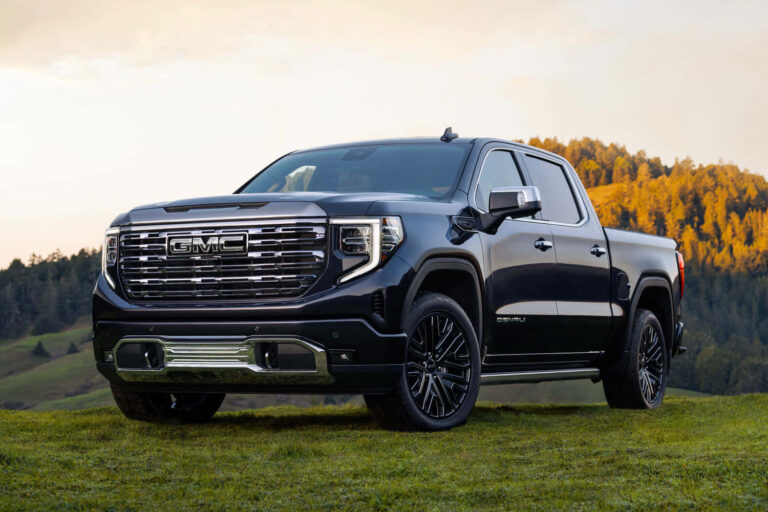
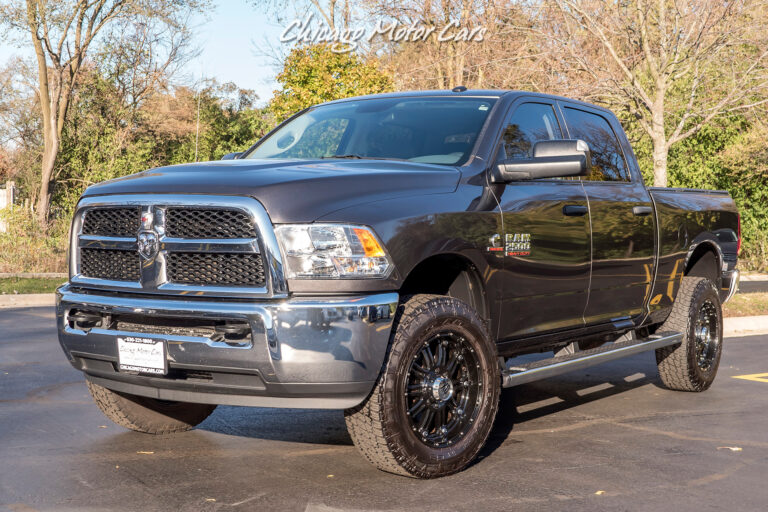
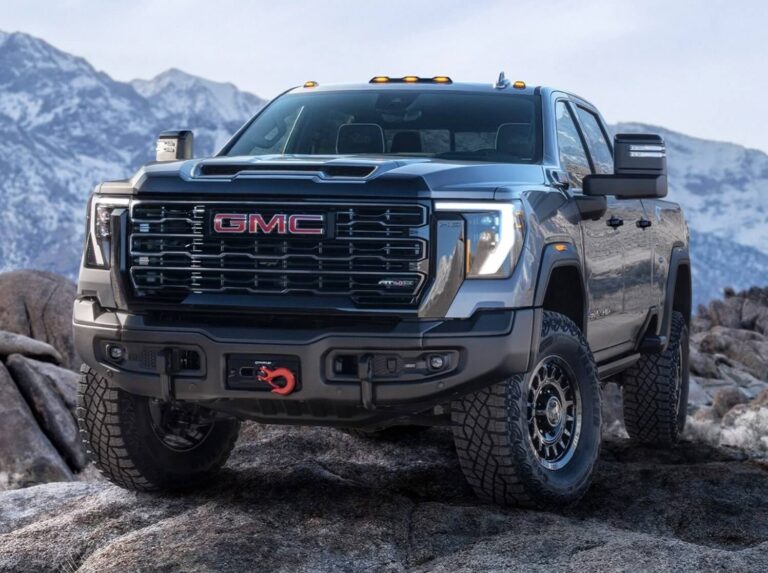
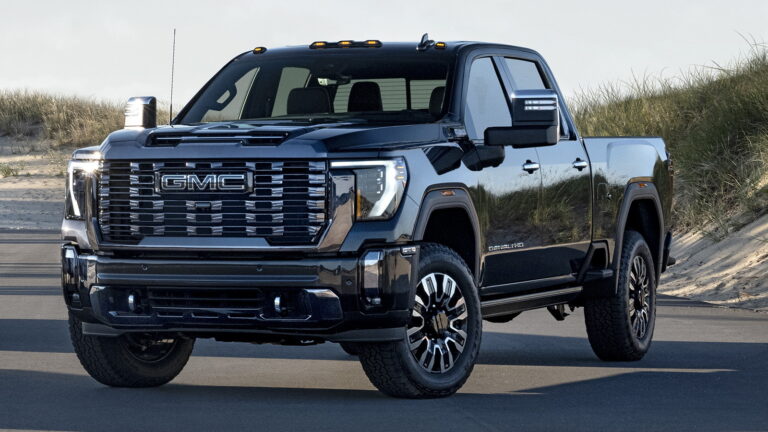
The exterior of your pickup truck is more than just aesthetics; it’s a carefully designed shell that provides protection, aerodynamics, and structural integrity. Understanding these pickup truck part names helps you appreciate the vehicle’s design and function.
Body Panels: The Truck’s Skin
Body panels form the visible structure of your truck, defining its shape and protecting its internal components. Each panel plays a crucial role in both appearance and safety.
- Fenders: Located over the wheels, fenders protect the engine, passenger compartment, and other components from debris kicked up by the tires. They are often among the first parts to show wear or damage from road hazards.
- Based on my experience, properly aligned fenders are vital not just for looks but also for preventing excessive road spray and potential rust in hidden areas.
- Hood (Bonnet): This hinged cover protects the engine bay, allowing access for maintenance and repairs. It’s designed to be lightweight yet strong enough to withstand various forces.
- Pro tips from us: Always ensure your hood latch is securely fastened before driving, as a loose hood can be a significant safety hazard.
- Doors: Providing access to the cab, doors are complex assemblies incorporating windows, locks, and often power controls. They are critical for passenger safety and security.
- Common mistakes to avoid are neglecting door seals, which can lead to water leaks and interior damage over time.
- Tailgate: A defining feature of a pickup truck, the tailgate is the hinged barrier at the rear of the truck bed. It allows for easier loading and unloading of cargo and often incorporates various features like steps or work surfaces.
- The strength and durability of the tailgate are paramount for hauling heavy loads, and many modern trucks feature assisted opening and closing mechanisms.
- Truck Bed: This open cargo area behind the cab is the primary utility feature of a pickup truck. It’s designed to carry tools, materials, and equipment.
- Based on my experience, investing in a good bed liner is crucial to protect the bed from scratches, dents, and corrosion, preserving your truck’s resale value.
- Cab: The passenger compartment where the driver and passengers sit. Cabs come in various configurations, such as Regular Cab, Extended Cab (King Cab, Quad Cab), and Crew Cab (Double Cab), each offering different seating and interior space.
- The cab is engineered with safety cages and crumple zones to protect occupants in the event of a collision.
Lighting System: Illuminating the Path
Effective lighting is paramount for safety, visibility, and compliance with regulations. Each light serves a specific purpose, making your truck visible to others and illuminating your path.
- Headlights: Essential for night driving, headlights illuminate the road ahead. Modern trucks often feature LED, HID, or halogen bulbs, with high and low beam settings.
- Pro tips from us: Regularly check your headlight alignment to ensure maximum visibility without blinding oncoming drivers.
- Taillights: Located at the rear, taillights indicate your truck’s presence, especially in low light conditions. They often integrate brake lights and turn signals.
- Properly functioning taillights are a legal requirement and critical for preventing rear-end collisions.
- Fog Lights: Mounted low on the front bumper, fog lights are designed to cut through fog, rain, or snow, providing better visibility in adverse weather conditions.
- They typically have a wider, flatter beam pattern than headlights.
- Turn Signals (Indicators): These flashing lights, located at the front, rear, and sometimes on the side mirrors, communicate your intentions to change lanes or turn.
- Common mistakes to avoid are neglecting a burnt-out turn signal bulb, as this can lead to dangerous misunderstandings on the road.
Bumpers: First Line of Defense
Bumpers are structural elements at the front and rear of the truck designed to absorb impact in low-speed collisions, protecting the more critical components of the vehicle.
- Front Bumper: Often houses fog lights, tow hooks, and sometimes sensors for advanced driver-assistance systems. It’s engineered to protect the engine and radiator.
- Rear Bumper: Besides impact protection, the rear bumper frequently integrates steps for bed access, trailer hitches, and license plate illumination.
- Based on my experience, aftermarket bumpers can offer enhanced protection and utility for off-road enthusiasts or those frequently towing heavy loads.
Grille: Airflow and Style
The grille is the slotted opening at the front of the truck, typically located between the headlights. Its primary function is to allow airflow to the radiator and engine, preventing overheating.
- Beyond functionality, the grille is a significant styling element, often defining the truck’s brand identity.
Mirrors: Your Eyes on the Road
Mirrors provide crucial visibility around your truck, aiding in safe driving and maneuvering.
- Side Mirrors (Wing Mirrors): Mounted on the sides of the cab, these mirrors provide a view of traffic to the sides and rear. Many modern trucks feature heated, power-folding, or integrated turn signal mirrors.
- Rearview Mirror: Located inside the cab, this mirror provides a direct view through the rear window, offering an immediate perspective of what’s behind you.
Wheels & Tires: Contact with the Road
These are the only parts of your truck that actually touch the road, making them critical for traction, handling, and safety.
- Wheels (Rims): The metal structures that the tires are mounted on. Wheels come in various sizes and materials (steel, aluminum alloy) and significantly impact a truck’s appearance and performance.
- Tires: Rubber components filled with air, providing grip and cushioning. Tires are specifically designed for different conditions (all-terrain, highway, mud-terrain) and load capacities.
- Pro tips from us: Regular tire rotation, proper inflation, and alignment are non-negotiable for maximizing tire life, fuel efficiency, and safety. Learn more about optimal tire care in our article on .
Running Boards/Side Steps: Accessibility and Style
These platforms are mounted along the side of the truck, below the doors, to provide an easier step up into the cab. They also add a stylistic element and can offer some protection against road debris.
Bed Liner & Tonneau Cover: Cargo Protection
- Bed Liner: A protective layer (usually plastic, rubber, or spray-on) applied to the inside of the truck bed to prevent scratches, dents, and rust from cargo.
- Tonneau Cover: A cover for the truck bed, available in various styles (roll-up, folding, retractable). It protects cargo from weather and theft, and can improve aerodynamics, potentially boosting fuel economy.
- Based on my experience, a good tonneau cover is an invaluable accessory for anyone regularly transporting items they wish to keep secure and dry.
II. Under the Hood: The Heart of Your Powerhouse
Beneath the hood lies a complex network of systems that power your pickup truck, control its movement, and ensure its safe operation. Understanding these intricate pickup truck part names is essential for any owner.
Engine Block & Components: The Power Generator
The engine is the heart of your truck, converting fuel into mechanical energy to propel the vehicle. Its components work in precise synchronization.
- Engine Block: The main structural component of the engine, typically made of cast iron or aluminum. It houses the cylinders, pistons, and crankshaft.
- Cylinders: Chambers within the engine block where combustion takes place. Most pickup trucks have V6, V8, or inline-4 engines.
- Pistons: Reciprocating components that move up and down within the cylinders, compressing the air-fuel mixture and transferring energy from combustion to the crankshaft.
- Crankshaft: A rotating shaft that converts the reciprocating motion of the pistons into rotational motion, which then powers the wheels.
- Camshaft: Controls the opening and closing of the engine’s intake and exhaust valves, ensuring proper timing for combustion.
- Cylinder Head: Sits atop the engine block, containing the valves, spark plugs (for gasoline engines), and often the camshaft.
- Pro tips from us: Regular oil changes using the correct type of oil are the single most important maintenance item for engine longevity.
Cooling System: Keeping it Cool
Engines generate immense heat, and the cooling system is vital to prevent overheating and maintain optimal operating temperatures.
- Radiator: A heat exchanger that dissipates heat from the engine coolant into the air. It’s usually located at the front of the vehicle.
- Water Pump: Circulates coolant throughout the engine and radiator.
- Hoses: Connect various components of the cooling system, allowing coolant to flow.
- Thermostat: Regulates engine temperature by controlling the flow of coolant to the radiator.
- Common mistakes to avoid are neglecting coolant flushes, which can lead to corrosion and reduced cooling efficiency over time.
Fuel System: Delivering the Energy
The fuel system stores and delivers fuel to the engine, where it’s mixed with air and ignited.
- Fuel Tank: Stores gasoline or diesel fuel.
- Fuel Pump: Draws fuel from the tank and sends it under pressure to the engine.
- Fuel Injectors: Precisely spray fuel into the engine’s combustion chambers or intake manifold.
- Fuel Filter: Removes contaminants from the fuel before it reaches the engine, protecting injectors and other components.
Air Intake System: Breathing Room
The engine needs a steady supply of clean air for combustion.
- Air Filter: Filters dust, dirt, and debris from the air before it enters the engine, preventing wear on internal components.
- Throttle Body: Controls the amount of air entering the engine in response to accelerator pedal input.
- Intake Manifold: Distributes the air (and sometimes fuel) evenly to each cylinder.
Exhaust System: Letting it Out
The exhaust system channels spent gases from the engine, reduces noise, and filters harmful emissions.
- Exhaust Manifold: Collects exhaust gases from the engine’s cylinders.
- Catalytic Converter: Converts harmful pollutants in the exhaust gases into less toxic substances. This is a critical emissions control device.
- Muffler: Reduces the noise produced by the engine’s exhaust.
- Tailpipe: The final section of the exhaust system, through which gases exit the vehicle.
Electrical System: Powering Everything
The electrical system powers everything from the engine’s ignition to the lights and infotainment.
- Battery: Provides the initial burst of power to start the engine and supplies power to electrical components when the engine is off.
- Alternator: Generates electricity to power the truck’s electrical systems and recharge the battery while the engine is running.
- Starter Motor: An electric motor that turns the engine’s crankshaft to initiate the combustion process.
- Spark Plugs (Gasoline) / Glow Plugs (Diesel): Ignite the air-fuel mixture in gasoline engines; heat the combustion chamber in diesel engines to aid starting in cold weather.
- Wiring Harness: The complex network of wires and connectors that transmit electrical signals and power throughout the vehicle.
- Based on my experience, a dying battery is a common culprit for many electrical issues. Regular battery checks, especially before winter, can save you from being stranded.
III. Underneath the Truck: The Foundation of Performance & Safety
The components beneath your truck are often out of sight but are fundamental to its stability, handling, and ability to traverse various terrains. These pickup truck part names are crucial for understanding ride quality and capability.
Chassis/Frame: The Backbone
The chassis or frame is the structural backbone of the pickup truck, to which all other components (engine, transmission, body, suspension) are attached. Most pickup trucks use a body-on-frame construction, known for its durability and towing capability.
- This robust structure is what gives pickup trucks their inherent strength for heavy-duty tasks.
Suspension System: Smooth Ride and Control
The suspension system absorbs bumps and vibrations from the road, providing a comfortable ride and maintaining tire contact with the road for optimal control.
- Shocks (Shock Absorbers): Dampen the up-and-down motion of the springs, preventing excessive bouncing.
- Struts: Combine the functions of a shock absorber and a coil spring into a single unit, often a structural component of the suspension.
- Leaf Springs: Common in the rear of pickup trucks, these are layered steel strips that provide support for heavy loads and absorb impacts.
- Coil Springs: Helical springs that support the vehicle’s weight and absorb road shocks. Often found in the front suspension of trucks.
- Control Arms (A-Arms/Wishbones): Connect the steering knuckle or wheel hub to the truck’s frame, allowing the wheel to move up and down while maintaining proper alignment.
- Ball Joints: Pivoting connections that allow the suspension and steering components to move freely while keeping the wheel attached to the suspension.
- Pro tips from us: Listen for clunking noises over bumps; this often indicates worn suspension components that need attention.
Drivetrain: Delivering Power to the Wheels
The drivetrain is the system that transmits power from the engine and transmission to the drive wheels.
- Driveshaft (Propeller Shaft): A rotating shaft that transmits power from the transmission to the differential (for rear-wheel-drive or 4×4 trucks).
- Differential: A gear assembly that allows the drive wheels to rotate at different speeds when turning, while still transmitting power. Essential for smooth cornering.
- Axles: Shafts that connect the differential to the wheels, transmitting power directly to make the wheels turn. Trucks have front and rear axles.
- Transfer Case (4×4 Trucks): Allows the driver to switch between two-wheel drive (2WD) and four-wheel drive (4WD) modes, distributing power to both front and rear axles.
- Based on my experience, proper differential fluid maintenance is often overlooked but critical for the longevity of your drivetrain, especially if you frequently tow or go off-road.
Braking System: Stopping Power
While some components are under the hood (master cylinder) or inside the wheels (calipers/rotors), the system’s effectiveness relies on its entire network. This system is crucial for safety.
- Master Cylinder: Converts pedal pressure into hydraulic pressure, which is then sent through the brake lines.
- Brake Lines: Steel or rubber hoses that carry hydraulic brake fluid from the master cylinder to the brake calipers or wheel cylinders.
- Brake Calipers (Disc Brakes): Clamp brake pads against the rotors to create friction and slow the wheel.
- Brake Rotors (Disc Brakes): Discs that rotate with the wheel; brake pads press against them to slow the vehicle.
- Brake Pads (Disc Brakes): Friction material that presses against the rotors.
- Brake Drums & Shoes (Drum Brakes): In drum brakes (often on the rear of older or some light-duty trucks), shoes press against the inside of a rotating drum to create friction.
- Common mistakes to avoid are ignoring squealing or grinding brake noises. These are clear indicators that your brakes need immediate inspection and potentially new pads or rotors. For more on vehicle safety, refer to trusted resources like the National Highway Traffic Safety Administration (NHTSA) website.
IV. The Interior: Your Command Center & Comfort Zone
The interior of your pickup truck is where you spend your time, designed for both functionality and comfort. These pickup truck part names contribute to the driving experience and connectivity.
Dashboard: The Information Hub
The dashboard is the primary interface between the driver and the truck’s systems, displaying vital information and housing controls.
- Instrument Cluster: Contains gauges (speedometer, tachometer, fuel gauge, temperature gauge) and warning lights that provide crucial operational information.
- Infotainment System: Typically includes a touchscreen display for navigation, audio, phone connectivity, and vehicle settings.
- HVAC Controls: Buttons and knobs for controlling the heating, ventilation, and air conditioning system.
Seats: Comfort and Support
Truck seats are designed for comfort during long drives and often feature various adjustments, heating, and ventilation options. They are also crucial safety components, integrating airbags and seatbelt anchors.
Steering Wheel & Column: Directional Control
- Steering Wheel: The primary control for directing the truck. It often incorporates controls for audio, cruise control, and phone calls.
- Steering Column: Connects the steering wheel to the steering gear, allowing the driver to turn the front wheels.
Pedals: Driver Input
- Accelerator Pedal: Controls engine speed and power output.
- Brake Pedal: Activates the braking system to slow or stop the truck.
- Clutch Pedal (Manual Transmission): Disengages the engine from the transmission, allowing for gear changes.
Door Panels & Controls: Convenience and Access
The inside of the doors contains various controls for windows, locks, and often mirror adjustments. They also provide storage pockets and comfortable armrests.
- Based on my experience, keeping the interior clean and organized not only enhances the driving experience but also helps maintain the truck’s overall value. Understanding these interior pickup truck part names allows for a more personalized and comfortable ride.
Conclusion: Empowering Your Pickup Truck Knowledge
Navigating the world of pickup truck part names might seem daunting at first, but with this comprehensive guide, you’re now equipped with a robust understanding of your vehicle’s anatomy. From the robust frame that underpins its strength to the sophisticated engine components that generate power, and the intuitive interior that defines your driving experience, every part plays a critical role.
Knowing these components empowers you as a truck owner. You can confidently discuss issues with technicians, identify potential problems early, and even tackle basic maintenance tasks yourself. This deeper knowledge fosters a greater appreciation for the engineering marvel that is your pickup truck, ultimately contributing to its longevity and your safety on the road.
We hope this pillar content has provided you with invaluable insights into your truck. What pickup truck part names surprised you the most, or which one do you find most interesting? Share your thoughts and experiences in the comments below!