Mastering Truck Rental With 5th Wheel Hitch: Your Comprehensive Guide to Safe & Confident Towing
Mastering Truck Rental With 5th Wheel Hitch: Your Comprehensive Guide to Safe & Confident Towing Typestruck.Guidemechanic.com
Embarking on an adventure with a large recreational vehicle (RV) or transporting heavy equipment often requires specialized towing capabilities. For many, the robust and stable connection offered by a 5th wheel hitch is the only way to go. But what if you don’t own a truck equipped for this powerful setup? The solution lies in truck rental with a 5th wheel hitch.
This isn’t just about grabbing any truck and hitting the road. Renting a vehicle capable of safely handling a 5th wheel trailer involves a deep understanding of specifications, safety protocols, and rental logistics. As an expert in heavy-duty towing and vehicle rentals, I’ve seen countless individuals navigate this process. My mission with this comprehensive guide is to empower you with the knowledge needed to make informed decisions, ensuring your towing experience is not just possible, but safe, efficient, and entirely stress-free.
Mastering Truck Rental With 5th Wheel Hitch: Your Comprehensive Guide to Safe & Confident Towing
We will delve into every facet of securing the right 5th wheel truck rental, from understanding the mechanics of the hitch itself to navigating rental agreements, ensuring vehicle compatibility, and mastering the art of safe towing. Prepare to become an expert yourself, ready to confidently tackle your next big haul.
Unpacking the Power of the 5th Wheel Hitch
Before we dive into the rental specifics, it’s crucial to grasp what a 5th wheel hitch is and why it’s the preferred choice for substantial loads. Unlike conventional bumper-pull hitches that attach to the rear of a vehicle, a 5th wheel hitch mounts directly into the bed of a pickup truck, typically over or slightly forward of the rear axle. This unique positioning is what gives it its superior strength and stability.
The mechanism mimics the coupling system found on semi-trucks, providing a robust, interlocking connection. A kingpin, extending from the trailer’s front, slides into a jaw or locking mechanism on the truck’s hitch plate. This design distributes a significant portion of the trailer’s weight directly onto the truck’s frame, rather than just the rear bumper. This central weight distribution dramatically reduces sway and offers a much smoother, more controlled towing experience, especially with larger and heavier trailers like grand RVs, car haulers, or even livestock trailers.
Why a 5th Wheel Outperforms Conventional Hitches for Heavy Loads
The advantages of a 5th wheel hitch, particularly when towing heavy loads, are undeniable. The primary benefit is enhanced stability. By placing the pivot point closer to the center of the tow vehicle, the risk of trailer sway, a common and dangerous issue with bumper-pull setups, is significantly minimized. This makes driving in crosswinds or passing semi-trucks much safer and less fatiguing.
Furthermore, a 5th wheel hitch allows for a much higher towing capacity. The structural integrity of the truck’s frame, combined with the central weight distribution, means the truck can comfortably handle greater pin weights and overall trailer weights. This is paramount for large RVs, which often have a Gross Vehicle Weight Rating (GVWR) exceeding what most conventional hitches can safely manage.
Why Opt for a Truck Rental with a 5th Wheel Hitch?
The decision to rent a truck equipped for a 5th wheel can stem from various practical scenarios. It’s a flexible and cost-effective solution for those who don’t regularly require heavy-duty towing capabilities but find themselves in a temporary need. Understanding these common situations can help you determine if renting is the right path for your specific requirements.
Occasional Use and Special Projects
Many individuals find themselves needing to tow a large 5th wheel trailer only a few times a year. This could be for an annual family RV vacation, moving a large utility trailer for a specific project, or assisting a friend with a significant haul. Purchasing and maintaining a dedicated heavy-duty truck for such infrequent use simply isn’t economically sensible. Renting provides the perfect solution, offering access to the right equipment without the long-term commitment and expense.
Testing the Waters Before a Major Purchase
Considering buying a 5th wheel RV or a heavy-duty truck? Renting offers an invaluable "try before you buy" opportunity. You can experience the towing dynamics, the maneuvering challenges, and the overall lifestyle associated with a 5th wheel setup. This firsthand experience, using a rented truck, can inform your purchasing decision, ensuring you invest wisely in equipment that truly meets your needs and comfort level.
Temporary Replacement for Your Own Truck
Life happens, and sometimes your personal tow vehicle might be out of commission due to maintenance, repairs, or an unexpected accident. When your livelihood or travel plans depend on towing a 5th wheel, a rental truck becomes an indispensable temporary replacement. It ensures continuity, allowing you to keep your plans on track without significant disruption.
Specialized Job Requirements
Businesses or contractors might encounter specific jobs that demand a 5th wheel setup, even if it’s not part of their regular fleet operations. Renting allows them to meet these unique project requirements without investing in a specialized vehicle they won’t use consistently. It’s about operational flexibility and efficiency, enabling them to bid on and execute diverse contracts.
Key Considerations Before Securing Your 5th Wheel Truck Rental
Renting a truck for 5th wheel towing is far more intricate than renting a standard pickup. A meticulous approach to planning and verification is essential for both safety and compliance. Based on my experience, overlooking any of these critical factors can lead to costly delays, unsafe towing conditions, or even legal issues.
Understanding Towing Capacity: Your Non-Negotiable Starting Point
This is arguably the single most important factor. You absolutely must match the truck’s towing capabilities to your trailer’s weight specifications. Never guess or assume; always verify the numbers.
- Gross Vehicle Weight Rating (GVWR) of the Trailer: This is the maximum permissible weight of the trailer itself when fully loaded with all cargo, water, and waste. You’ll find this on a placard or sticker on your trailer.
- Gross Combined Weight Rating (GCWR) of the Truck: This specifies the maximum permissible weight of the fully loaded tow vehicle and the fully loaded trailer combined. The rental truck must have a GCWR that comfortably exceeds your combined truck (with passengers and cargo) and trailer weight.
- Payload Capacity (Pin Weight): For 5th wheel towing, a significant portion of the trailer’s weight, known as the "pin weight," rests directly on the truck’s bed. The truck’s payload capacity – its maximum carrying capacity including occupants, cargo, and the pin weight – must be sufficient. A common rule of thumb is that pin weight is typically 15-25% of the trailer’s GVWR. Based on my experience, this is the most overlooked factor, leading to overloaded trucks that handle poorly and are dangerous. Always calculate your potential pin weight and ensure it falls well within the truck’s payload limits.
Truck Specifications: Beyond Just "Heavy-Duty"
Not all heavy-duty trucks are created equal, especially when it comes to 5th wheel towing. You need a truck designed for the task.
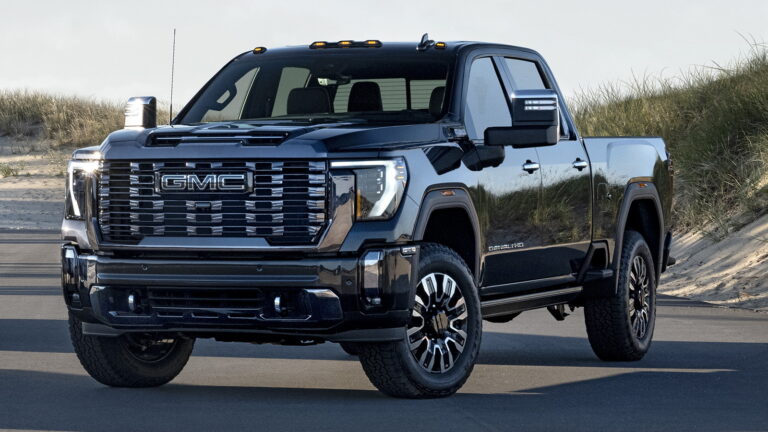
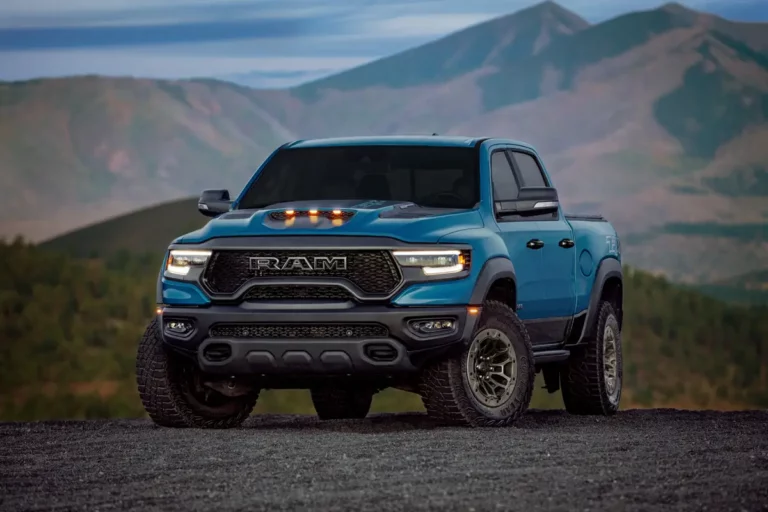
- Heavy-Duty vs. Super Duty Classification: Look for trucks in the 3/4-ton (e.g., Ford F-250, Ram 2500, Chevy Silverado 2500HD) or 1-ton (e.g., F-350, Ram 3500, Silverado 3500HD) categories. For very heavy 5th wheel trailers, a 1-ton dually (dual rear wheels) might be necessary for enhanced stability and payload.
- Engine Type: Diesel engines are generally preferred for heavy towing due to their higher torque at lower RPMs, which translates to better pulling power and fuel efficiency under load. While gas engines in heavy-duty trucks have improved significantly, diesel often provides a more relaxed and capable towing experience for larger 5th wheels.
- Axle Ratio: A "lower" (numerically higher) axle ratio (e.g., 3.73, 4.10) provides more torque to the wheels, making it easier to start from a stop and climb grades with heavy loads. Discuss this with the rental company if you have a particularly heavy trailer or plan to tow in mountainous terrain.
- Integrated Brake Controller: An absolute necessity. This system allows you to control the electric brakes on your trailer directly from the truck’s cabin. While some trucks might have aftermarket units, an integrated factory brake controller is often preferred for seamless operation and reliability. Ensure the rental truck has one and that it’s functioning correctly.
- Transmission Cooling: Heavy towing generates a lot of heat in the transmission. Trucks designed for towing will have robust transmission cooling systems to prevent overheating and extend transmission life.
Trailer Compatibility: Ensuring a Seamless Connection
The physical connection between your trailer and the rented truck is paramount.
- Kingpin Size: Standard 5th wheel kingpins are 2-inch in diameter, but some heavy commercial trailers use a 3.5-inch kingpin. Ensure the rental hitch matches your trailer’s kingpin.
- Bed Clearance (Short Bed vs. Long Bed): If your trailer has a standard front cap design and you’re renting a short-bed truck (typically 5.5 to 6.5 feet), you’ll likely need a "slider hitch." A slider hitch allows the hitch to move rearward in the truck bed, preventing the trailer’s front cap from hitting the truck’s cab during sharp turns. Long-bed trucks (8 feet) generally offer enough clearance without a slider. Always verify the truck’s bed length and the type of 5th wheel hitch installed.
Rental Company Policies: The Fine Print Matters
Don’t just sign on the dotted line. Thoroughly understand the rental company’s terms and conditions.
- Age Restrictions: Most companies require drivers to be at least 21, and sometimes 25, to rent heavy-duty trucks or for towing purposes.
- Insurance Requirements: Your personal auto insurance policy might not cover rented heavy-duty trucks, especially for towing, or might have specific exclusions. The rental company will offer their own insurance options (collision damage waiver, liability, etc.). Carefully review your coverage and decide what additional protection you need. Pro tips from us: Always call your personal auto insurance provider before renting to understand your existing coverage for rental trucks and towing.
- Mileage Limits and Fuel Policies: Some rentals include unlimited mileage, while others have strict limits with hefty per-mile charges thereafter. Understand the fuel type required (diesel is common for these trucks) and the refueling policy to avoid extra fees.
- One-Way Rental Options: If you’re planning a one-way trip, confirm if the company offers this service and be aware of potential additional charges.
Where to Find Truck Rental With 5th Wheel Hitch
Finding the right company that offers truck rental with 5th wheel hitch capabilities requires knowing where to look. Not all rental companies specialize in heavy-duty towing, so targeting the right providers is crucial.
Specialized RV and Trailer Rental Companies
These are often your best bet. Companies that rent out large RVs or commercial trailers often have a fleet of heavy-duty trucks specifically equipped for 5th wheel towing. They understand the nuances of the equipment and can usually provide comprehensive support. Look for businesses that focus on recreational vehicle rentals, often found near popular camping destinations or major highways. They are more likely to have properly maintained trucks with the correct hitch setups.
Commercial Truck Rental Companies
Major commercial truck rental outfits like Ryder and Penske are excellent resources. They cater to businesses that need to transport heavy loads, and their fleets often include 3/4-ton and 1-ton pickup trucks equipped for 5th wheel applications. These companies typically have robust maintenance schedules and a wide network of locations, which can be beneficial for one-way rentals.
- Note on U-Haul: While U-Haul is ubiquitous for moving truck rentals, they generally do not offer pickup trucks with integrated 5th wheel hitches for rent. Their focus is primarily on conventional towing with receiver hitches or their own moving trucks. Do not rely on U-Haul for a 5th wheel truck rental.
Local Independent Dealers or Specialized Towing Services
In some regions, smaller, independent rental companies or even specialized towing service providers might have a limited selection of 5th wheel capable trucks. These can sometimes offer more personalized service or unique pricing, but their availability might be less consistent. It’s worth a local search, but always vet their fleet thoroughly for maintenance and proper outfitting.
Peer-to-Peer Rental Platforms
Platforms like RVshare and Outdoorsy primarily focus on RV rentals from private owners. While their main offering is the RV itself, some owners might offer their tow vehicle (a truck with a 5th wheel hitch) as an add-on or a separate rental if you’re renting their 5th wheel trailer. This can be a more niche option but is worth exploring if you’re also looking for a specific 5th wheel trailer.
Pro tips from us: Don’t assume all rental companies are created equal. Prioritize those with a strong reputation for heavy-duty vehicle maintenance and clear communication regarding their towing policies and truck specifications. Always call ahead and speak directly with a representative to confirm the availability of a 5th wheel equipped truck that meets your exact needs.
The Rental Process: A Step-by-Step Guide for Confidence
Once you’ve identified potential rental providers, navigating the actual rental process efficiently and thoroughly is key. Following these steps will help ensure you secure the perfect fifth wheel truck rental without any unwelcome surprises.
Step 1: Define Your Exact Needs and Requirements
Before even contacting a rental company, have all your critical information ready.
- Trailer Specifications: Know your trailer’s GVWR, pin weight, length, and kingpin size.
- Towing Route: Have a general idea of your route, including any steep grades or challenging terrain.
- Rental Duration: Be clear about your pickup and drop-off dates and times.
- Passenger and Cargo Weight: Account for the weight of everyone and everything you’ll be putting in the truck, as this impacts the truck’s available payload capacity for the pin weight.
Step 2: Research and Compare Rental Companies
Contact several potential providers from the categories mentioned above.
- Inquire about specific truck models: Ask for the make, model, year, and engine type of the available trucks.
- Verify hitch type and features: Confirm it’s a 5th wheel hitch, the kingpin size it accommodates, and if it’s a slider hitch (if needed for a short bed).
- Get detailed quotes: Request a breakdown of daily/weekly rates, mileage charges, insurance options, and any additional fees (e.g., brake controller rental, hitch setup fee).
- Check availability: Confirm the truck you need is available for your desired dates.
Step 3: Verify Truck and Hitch Specifications Meticulously
Once you’ve narrowed down your choice, double-check everything the company tells you against your trailer’s requirements.
- Confirm all capacity ratings: Ensure the truck’s towing capacity, GCWR, and payload capacity are well above your trailer’s loaded weight and pin weight.
- Brake Controller: Reconfirm the presence and functionality of an integrated brake controller.
- Tire Condition: Inquire about the tire type and condition, as proper load-rated tires are crucial for safe towing.
Step 4: Understand Insurance and Liability
This is a critical step to protect yourself financially.
- Personal Auto Insurance: Contact your personal auto insurance provider to determine if your policy extends coverage to rented heavy-duty trucks and, specifically, to towing a 5th wheel trailer. Many personal policies have exclusions for commercial vehicles or for specific types of towing.
- Rental Company Options: Evaluate the rental company’s insurance offerings. They typically offer a Collision Damage Waiver (CDW) and supplemental liability insurance. While these can be expensive, they might be necessary if your personal policy falls short.
- Trailer Insurance: Ensure your trailer itself is insured, as the truck’s insurance won’t cover damage to your personal trailer.
Step 5: Conduct a Thorough Pre-Rental Inspection of the Truck
Before driving off the lot, perform a detailed inspection.
- Exterior: Check for any existing dents, scratches, or damage. Take photos or video documentation and ensure everything is noted on the rental agreement.
- Tires: Inspect tire pressure, tread depth, and look for any cuts or bulges. Ensure they are load-range E or higher, suitable for heavy towing.
- Fluid Levels: Briefly check engine oil, coolant, and brake fluid levels (if accessible).
- Lights: Verify all exterior lights (headlights, tail lights, turn signals, brake lights) are working.
- Hitch Condition: Inspect the 5th wheel hitch itself for any signs of damage, wear, or missing components. Ensure the locking jaws operate smoothly.
- Interior: Check for cleanliness and functionality of dashboard controls, including the brake controller.
Step 6: Hitching Up and Pre-Departure Checklist
Once you’re at your trailer, take your time with the hitching process.
- Pin Box Inspection: Ensure your trailer’s kingpin and pin box are in good condition.
- Proper Latching: Carefully back the truck under the trailer, ensuring the kingpin slides fully into the hitch and the jaws close securely around it. A visual and tactile check is essential. Many hitches have a visible indicator for a locked position.
- Safety Chains (if applicable): Some 5th wheel setups, particularly those with a gooseneck adapter or certain types of hitches, may require safety chains. Follow all local regulations.
- Breakaway Cable: Connect the trailer’s breakaway cable to the truck. This cable will activate the trailer brakes if it ever separates from the tow vehicle.
- Electrical Connection: Connect the truck’s 7-pin electrical connector to the trailer.
- Lights and Brakes Check: With the electrical connected, test all trailer lights (running lights, brake lights, turn signals) and the trailer brakes using the truck’s brake controller. Ensure the trailer brakes are engaging and disengaging properly.
- Final Walk-Around: Do one last walk-around to ensure everything is connected, secured, and nothing is left loose.
Driving and Towing Safely with Your 5th Wheel Rental
Towing a large 5th wheel trailer with a rental truck demands a heightened level of awareness and specific driving techniques. Even experienced drivers need to adjust to the specific dynamics of a new truck and trailer combination.
Weight Distribution and Trailer Loading
Properly loading your 5th wheel trailer is paramount for safe towing. Unevenly distributed weight can lead to dangerous sway or excessive stress on the truck.
- Front-Heavy is Best: Aim to have about 60% of your trailer’s cargo weight in the front half of the trailer, over or slightly forward of the axles. This helps maintain sufficient pin weight for stability.
- Secure All Cargo: Ensure everything inside the trailer is secured to prevent shifting during transit. Shifting cargo can dramatically alter the trailer’s balance.
Speed Management
Towing significantly increases your overall vehicle length and weight, impacting braking distances and maneuverability.
- Reduce Speed: Always drive slower than you would without a trailer. Many states have lower speed limits for vehicles towing trailers.
- Anticipate: Look further ahead than usual to anticipate traffic changes, turns, and stops, giving yourself ample time to react.
Braking Techniques
Stopping a heavy truck and trailer combination requires more distance and a different approach.
- Increased Stopping Distance: Be aware that your stopping distance will be much longer. Maintain generous following distances.
- Trailer Brakes: Utilize the trailer’s brakes via the integrated brake controller. Adjust the gain on the controller so the trailer brakes engage smoothly and effectively without locking up. You should feel the trailer assisting in the stop, not pushing the truck.
- Smooth Braking: Avoid sudden, hard braking whenever possible. Gradual, controlled braking is safer and prevents excessive wear on your brakes.
Turning and Maneuvering
The extended length of a 5th wheel combination requires careful consideration, especially in turns and tight spaces.
- Wider Turns: Always make wider turns to prevent the trailer wheels from cutting corners, potentially hitting curbs, signs, or other vehicles.
- Awareness of Trailer Swing: Be mindful of the trailer’s rear swing, especially when backing up or making sharp turns.
- Spotters: When backing up, always use a spotter if possible. Communication is key to avoid accidents.
Parking Strategies
Parking a 5th wheel combination, particularly in crowded areas, demands planning.
- Plan Ahead: Before entering a parking lot, scout for large, open spaces. Truck stops, large gas stations, and designated RV parking areas are your best bet.
- Avoid Tight Spots: Don’t attempt to squeeze into spaces that are too small or require complex maneuvers. It’s better to park further away and walk.
Weather Conditions
Adverse weather can significantly impact towing safety.
- Wind: High winds can cause severe trailer sway. Reduce speed or pull over if conditions become too dangerous.
- Rain/Snow/Ice: These conditions drastically reduce traction and increase stopping distances. Drive much slower and increase following distances. Consider postponing travel if conditions are severe.
Common Mistakes to Avoid Are:
- Overloading the Truck or Trailer: Always adhere to all GVWR, GCWR, and payload limits.
- Neglecting Pre-Trip Checks: Don’t skip inspecting tires, lights, and hitch connections before every drive.
- Speeding: Exceeding safe towing speeds is a recipe for disaster.
- Not Understanding Trailer Dynamics: Failing to account for the trailer’s length, width, and weight changes how the entire rig handles.
- Ignoring Warning Signs: Pay attention to unusual noises, smells, or handling characteristics. Pull over immediately to investigate.
Cost Breakdown & Budgeting for Your 5th Wheel Truck Rental
Understanding the financial commitment involved in a truck rental with 5th wheel hitch is crucial for effective budgeting. The total cost goes beyond just the daily rental rate.
Rental Rates
- Daily/Weekly Rates: These vary significantly based on the truck’s size, age, features, and the rental company. Heavy-duty 5th wheel capable trucks will be more expensive than standard pickups. Expect rates to range from $150 to $400+ per day, with weekly rates often offering a slight discount.
- Mileage Charges: Some rentals include unlimited mileage, while others impose a per-mile charge after a certain limit (e.g., $0.25 – $0.75 per mile). Carefully calculate your estimated mileage to avoid surprise costs.
Insurance Costs
As discussed, insurance can be a significant addition.
- Collision Damage Waiver (CDW): Often an additional $20-$50 per day, this covers damage to the rental truck itself.
- Supplemental Liability Insurance: This provides additional liability coverage beyond the state minimums, often another $10-$20 per day.
- Personal Policy Gaps: Budget for these if your personal insurance doesn’t cover all aspects of the rental.
Fuel Expenses
Heavy-duty trucks, especially diesel models, can have varying fuel economy, and towing a heavy 5th wheel will significantly decrease MPG.
- Diesel vs. Gas: Diesel fuel is often more expensive per gallon but can offer better mileage under load. Factor in fuel costs, which could be substantial for long trips.
- Lower MPG: Expect your fuel economy to drop to anywhere from 6-12 MPG when towing a large 5th wheel, depending on the truck, trailer, terrain, and driving style.
Potential Add-Ons and Fees
- Brake Controller Rental: If the truck doesn’t have an integrated unit and you don’t have your own, you might rent a portable unit for an additional daily fee.
- Hitch Rental/Setup Fee: Some companies might charge a separate fee for the 5th wheel hitch itself or for its installation/inspection.
- Environmental Fees, Taxes, etc.: Standard rental fees that can add 10-20% to the base rate.
- One-Way Fees: If applicable, these can be hundreds of dollars depending on the distance.
Deposit Requirements
Rental companies typically require a significant security deposit, often several hundred to over a thousand dollars, which is held on your credit card and refunded upon the truck’s safe return. Ensure you have sufficient credit available.
By meticulously breaking down these potential costs, you can create an accurate budget and avoid any financial surprises during your truck rental with 5th wheel hitch experience.
Conclusion: Towing with Confidence and Knowledge
Renting a truck equipped for a 5th wheel hitch opens up a world of possibilities, from epic RV adventures to crucial equipment transportation. However, it’s a specialized endeavor that demands thorough preparation and an unwavering commitment to safety. As we’ve explored, success hinges on understanding the unique dynamics of 5th wheel towing, meticulously verifying truck and trailer specifications, and navigating the rental process with informed precision.
The knowledge gained from this comprehensive guide will empower you to make intelligent decisions at every turn. From calculating the precise towing capacity needed to conducting thorough pre-trip inspections and mastering safe driving techniques, you are now equipped to handle the complexities. Remember, the goal is not just to rent a truck, but to embark on your journey with confidence, ensuring the safety of yourself, your cargo, and everyone else on the road.
Don’t let the technicalities intimidate you. With careful planning, diligent checks, and a respectful approach to the power of these heavy-duty machines, your truck rental with 5th wheel hitch will be a seamless and successful experience. So, take a deep breath, review your checklist, and get ready to hit the road – your next big adventure awaits!
Further Reading:
- Want to learn more about the specifics of towing capacity? Check out our guide on Understanding Your Vehicle’s Towing Capacity and Limits (Internal Link)
- Planning an extended trip? Our Essential RV Travel Tips for Beginners can help you prepare! (Internal Link)
- For official guidelines on safe towing, consult resources like the National Highway Traffic Safety Administration (NHTSA) or industry organizations such as RVIA – RV Industry Association. (External Link)