Finding Your Ultimate Workhorse: A Comprehensive Guide to 3/4 Ton Trucks For Sale
Finding Your Ultimate Workhorse: A Comprehensive Guide to 3/4 Ton Trucks For Sale Typestruck.Guidemechanic.com
The search for the perfect truck can feel overwhelming, especially when you need something more robust than a half-ton, but perhaps not a full-blown one-ton beast. This is precisely where 3/4 ton trucks come into their own, offering a compelling blend of power, capability, and versatility. If you’re currently looking for 3/4 ton trucks for sale, you’ve landed in the right place.
This in-depth guide will unravel everything you need to know about these heavy-duty pickups. We’ll explore what makes them unique, who they’re best suited for, and crucial considerations before you make that significant purchase. Our goal is to equip you with the knowledge to make an informed decision, ensuring you drive away with the truck that perfectly matches your needs.
Finding Your Ultimate Workhorse: A Comprehensive Guide to 3/4 Ton Trucks For Sale
What Exactly is a 3/4 Ton Truck? Unpacking the Numbers
The term "3/4 ton" is a historical designation that harks back to an era when pickup trucks were rated by their payload capacity. While the name suggests a 1,500-pound payload (three-quarters of a ton), modern 3/4 ton trucks far exceed this original benchmark, boasting significantly higher capabilities. This historical naming convention often causes confusion, but it essentially classifies them as "heavy-duty" light trucks.
Today, a 3/4 ton truck, often referred to as a Class 2b truck, is defined by its Gross Vehicle Weight Rating (GVWR). This critical number represents the maximum loaded weight of the truck, including the vehicle itself, passengers, cargo, and any accessories. For 3/4 ton models, the GVWR typically falls in the range of 8,501 to 10,000 pounds.
This classification places them squarely between lighter 1/2 ton pickups and the more industrial 1-ton trucks. Understanding the GVWR is paramount because it directly correlates to the truck’s true capabilities, particularly its payload and towing capacities. These modern vehicles are engineered for demanding tasks, offering a substantial upgrade in performance over their lighter counterparts.
Key Characteristics of a Heavy-Duty Workhorse
What truly sets 3/4 ton trucks apart are the robust components beneath their skin. They are purpose-built for strenuous work, featuring reinforced frames that provide superior rigidity and strength. This foundation is crucial for handling heavy loads and maintaining stability during towing.
The suspension systems on these trucks are significantly beefier than those found on 1/2 ton models. You’ll often find heavy-duty leaf springs, larger shock absorbers, and sometimes even optional air suspension systems designed to manage substantial weight without compromising ride quality or stability. These components are essential for maintaining control and comfort when hauling or towing near maximum capacity.
Engine options are another defining characteristic, typically offering a choice between powerful gasoline V8s and incredibly torquey diesel engines. Diesel options, in particular, are favored for their exceptional towing prowess and fuel efficiency under load. Furthermore, these trucks often come equipped with heavy-duty transmissions, larger brakes, and sometimes integrated trailer brake controllers, all designed to manage the increased demands of serious hauling.
Why Choose a 3/4 Ton Truck? The Ultimate Versatility
The decision to invest in a 3/4 ton truck often stems from a specific need for capabilities that a 1/2 ton simply cannot provide. These trucks are engineered for demanding tasks, offering a remarkable blend of power, durability, and versatility that makes them indispensable for a wide range of users. From construction professionals to avid RV enthusiasts, the appeal of a 3/4 ton lies in its ability to tackle big jobs with confidence.
Their enhanced capabilities mean less strain on the vehicle, even when operating close to maximum limits. This translates into greater safety, better performance, and ultimately, a longer lifespan for your truck. When you choose a 3/4 ton, you’re not just buying a vehicle; you’re investing in a reliable partner for your toughest endeavors.
Superior Towing Prowess
One of the primary reasons buyers seek out 3/4 ton trucks for sale is their exceptional towing capacity. These vehicles are designed to pull substantial weight, making them ideal for individuals or businesses that frequently tow large trailers. Unlike 1/2 ton trucks, which might struggle or be pushed to their limits with heavier loads, a 3/4 ton handles them with relative ease.
Towing capacities for modern 3/4 ton trucks can range anywhere from 12,000 pounds up to over 20,000 pounds, depending on the specific configuration, engine choice, and manufacturer. This massive capability opens up a world of possibilities, allowing you to confidently tow large travel trailers, fifth-wheel RVs, gooseneck livestock trailers, or heavy equipment like excavators and skid steers. The integrated towing technologies, such as trailer sway control and engine exhaust brakes, further enhance safety and control.
Impressive Payload Capacity
Beyond towing, 3/4 ton trucks also boast an impressive payload capacity, which refers to the maximum weight of cargo and passengers the truck can carry in its bed and cab. While towing often gets the spotlight, payload is equally crucial for many users, particularly those in trades or recreational activities.
Payload ratings for these trucks typically range from 2,500 to over 4,000 pounds. This substantial capacity allows for the transport of heavy materials such as multiple pallets of bricks, bags of concrete, large quantities of lumber, or a fully loaded utility bed with tools and equipment. They are also the go-to choice for safely carrying large truck campers, which often exceed the payload limits of 1/2 ton trucks. This ability to haul significant weight directly in the bed is a key differentiator.
Durability and Longevity
Heavy-duty trucks like the 3/4 ton variants are built to withstand considerable stress and strain over extended periods. Their robust construction, from the frame to the axles and suspension, means they are designed for a life of hard work. This inherent durability translates into a longer operational life and often higher resale value compared to lighter-duty trucks.
Based on my experience, owners of 3/4 ton trucks often find that these vehicles hold up remarkably well, even after years of demanding use. They are engineered with tougher components that are less prone to wear and tear under heavy loads, making them a wise long-term investment for those who truly need their truck to perform day in and day out. This focus on strength and endurance is a cornerstone of their design philosophy.
Navigating the Market: 3/4 Ton Trucks For Sale
The journey to finding the perfect 3/4 ton truck can be exciting, but it requires careful consideration of various factors. The market offers a wide array of options, from brand-new models loaded with technology to reliable used trucks that provide excellent value. Understanding your priorities and where to look will significantly streamline your search.
Making an informed decision involves weighing the pros and cons of different purchasing avenues and familiarizing yourself with the leading models. This preparatory work ensures you’re not just buying a truck, but the right truck for your specific needs and budget.
New vs. Used: Making the Right Choice
Deciding between a new or used 3/4 ton truck is one of the first major choices you’ll face. Each option presents distinct advantages and disadvantages that should be carefully weighed against your financial situation and specific requirements. New trucks offer the latest technology, full factory warranties, and the peace of mind of being the first owner. You get to customize it exactly how you want, from trim levels to optional packages.
However, new vehicles come with a higher price tag and experience significant depreciation in their first few years. Used 3/4 ton trucks, on the other hand, offer considerable savings and often allow you to get a higher trim level or more features for your money. While they might not have the latest tech or a full warranty, a well-maintained used truck can provide excellent reliability and value.
Top Manufacturers and Popular Models
The 3/4 ton truck segment is dominated by a few key players, each offering compelling models known for their power and capability. When you’re looking for 3/4 ton trucks for sale, you’ll primarily encounter options from the "Big Three" American manufacturers. These brands have a long-standing reputation for building robust and reliable heavy-duty pickups.
- Ford F-250 Super Duty: Renowned for its powerful engine options, including the iconic Power Stroke diesel, and impressive towing figures. Ford trucks often lead in innovation, offering advanced towing tech and comfortable interiors.
- Ram 2500 Heavy Duty: Praised for its coil-spring rear suspension (on most models) that offers a smoother ride than traditional leaf springs, as well as its luxurious interiors and formidable Cummins diesel engine.
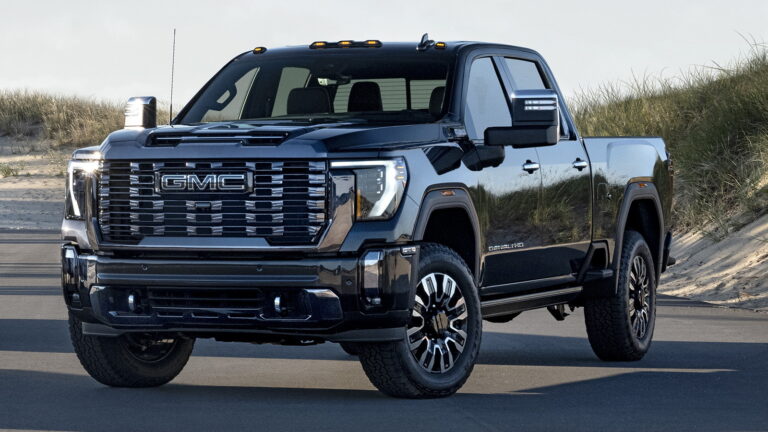
- Chevrolet Silverado 2500HD / GMC Sierra 2500HD: These sibling trucks share many components but offer distinct styling and trim levels. They are known for their strong Duramax diesel engines, comfortable cabins, and reliable performance. For detailed specifications and the latest models, you can visit the official Ford Super Duty website.
Where to Find Your Next 3/4 Ton Truck
Once you’ve narrowed down your preferences, knowing where to search for your truck is crucial. New 3/4 ton trucks are exclusively found at authorized dealerships, where you can explore various trim levels, financing options, and warranty details. Dealerships also often have a selection of certified pre-owned (CPO) trucks that come with extended warranties and rigorous inspections.
For used 3/4 ton trucks, your options expand significantly. Local dealerships, both brand-specific and independent used car lots, are a common source. Online marketplaces like AutoTrader, CarGurus, and even local classifieds websites like Craigslist (with caution) offer a vast inventory from both dealers and private sellers. Always arrange for a thorough inspection by a trusted mechanic and a comprehensive test drive before committing to a purchase from any source.
What to Consider Before Buying Your 3/4 Ton Truck
Purchasing a 3/4 ton truck is a significant investment, and careful consideration of your specific needs, budget, and future plans is essential. Rushing into a decision without proper research can lead to buyer’s remorse or, worse, a truck that doesn’t quite meet your demands. It’s not just about finding 3/4 ton trucks for sale; it’s about finding the right one.
Thinking through these key aspects will help you clarify your priorities and guide you toward a truck that will be a valuable asset for years to come. Each decision point influences the truck’s performance, cost of ownership, and overall suitability for your lifestyle or business.
Your Specific Needs and Usage
Before you even start looking at models, take an honest assessment of what you truly need the truck for. Will you be primarily towing a large fifth-wheel RV across the country, hauling heavy equipment to job sites daily, or simply using it for occasional heavy lifting and weekend projects? The frequency and intensity of use will heavily influence the specifications you require.
Consider the type of terrain you’ll be driving on most often, whether it’s paved roads, muddy job sites, or snowy mountain passes. Your answers to these questions will help determine critical factors like engine choice, drivetrain (2WD vs. 4WD), and even tire selection. Don’t overbuy if you don’t need the absolute maximum capability, but certainly don’t underbuy if you plan on pushing the limits regularly.
Engine Type: Gas vs. Diesel Power
This is arguably one of the most critical decisions for a 3/4 ton truck buyer. Both gasoline and diesel engines offer distinct advantages. Gasoline engines typically have a lower upfront cost, are generally cheaper to maintain, and perform well for occasional heavy loads or daily driving without a trailer. They also tend to warm up faster in cold weather.
Diesel engines, however, are the undisputed champions for heavy towing and hauling. They offer significantly more torque, better fuel economy when under load, and exceptional longevity when properly maintained. Based on my experience, if you plan on regularly towing trailers weighing over 10,000 pounds or carrying maximum payload, the diesel engine is almost always the superior choice, despite its higher initial cost and potentially more expensive maintenance. The added power and efficiency under strain are undeniable.
Drivetrain: 2WD vs. 4WD
The choice between a two-wheel-drive (2WD) or four-wheel-drive (4WD) drivetrain depends entirely on your expected driving conditions. 2WD trucks are generally lighter, less expensive, and offer slightly better fuel economy. They are perfectly adequate for paved roads and light-duty hauling in fair weather.
4WD, on the other hand, provides superior traction and control in challenging conditions such as snow, mud, sand, or off-road environments. It’s an essential feature for those who live in areas with harsh winters, frequent off-road excursions, or job sites with difficult access. While 4WD adds to the purchase price and can slightly reduce fuel efficiency, the added capability and peace of mind it offers are invaluable for many users.
Cab and Bed Configurations
3/4 ton trucks come in various cab and bed configurations, each impacting passenger space and cargo capacity.
- Regular Cab: Offers seating for two or three passengers and typically comes with an 8-foot long bed. Ideal for work trucks where maximum cargo space and minimal passenger needs are prioritized.
- Extended Cab (or Quad Cab): Provides a small rear seating area, often with suicide doors or smaller conventional doors, and can be paired with either a short (6.5-foot) or long (8-foot) bed. A good compromise for occasional extra passengers.
- Crew Cab: The most popular option, offering full-size rear doors and ample legroom for three adult passengers in the back. Available with short (6.5-foot) or long (8-foot) beds. Perfect for families or work crews.
Your choice should reflect how many passengers you’ll regularly carry and the type and volume of cargo you anticipate transporting.
Budgeting Beyond the Purchase Price
The sticker price is just the beginning of your truck ownership journey. It’s crucial to factor in ongoing costs when setting your budget. Insurance premiums for heavy-duty trucks can be higher than for smaller vehicles due to their size and potential for damage. Fuel costs will also be a significant consideration, especially with a powerful V8 gasoline engine or if you’re frequently towing.
Pro tips from us: Don’t forget about maintenance. Heavy-duty trucks require robust parts, and service, especially for diesel engines, can be more expensive. Tires for 3/4 ton trucks are larger and more durable, meaning replacement sets will cost more. Factor in registration fees, potential tolls, and any accessories you plan to add (like a fifth-wheel hitch or a toolbox). A holistic view of ownership costs will prevent unexpected financial strain.
Common Mistakes to Avoid When Buying a 3/4 Ton Truck
Navigating the market for 3/4 ton trucks for sale can be tricky, and even experienced buyers can fall into common pitfalls. Avoiding these mistakes will save you time, money, and potential headaches down the road. Being prepared and cautious throughout the buying process is key to a successful purchase.
Not Assessing True Needs
One of the most significant errors buyers make is either overestimating or underestimating their actual requirements. Buying a truck that’s too capable for your needs means you’re paying more for features and power you won’t use, while a truck that’s underpowered will constantly struggle and wear out prematurely. Always align the truck’s specifications with your primary intended use.
Skipping a Pre-Purchase Inspection
Especially when buying a used truck, neglecting a professional pre-purchase inspection (PPI) by an independent mechanic is a major risk. A PPI can uncover hidden issues, such as frame damage, engine problems, transmission wear, or electrical faults, that aren’t apparent during a quick test drive. This small investment can save you thousands in future repairs.
Ignoring Service History
A truck’s service history tells a vital story about its past care. A comprehensive service record indicates regular maintenance, oil changes, and prompt attention to repairs. Lack of records, on the other hand, could signal neglect and potential underlying problems. Always ask for service records and scrutinize them carefully.
Focusing Only on Price
While budget is important, making price the sole determining factor can lead to poor choices. A seemingly great deal might hide significant mechanical issues or indicate a truck that has been poorly maintained. Prioritize value, reliability, and suitability for your needs over simply finding the lowest price. Remember, the cheapest truck upfront can often be the most expensive to own in the long run.
Maintaining Your 3/4 Ton Truck: Ensuring Longevity
Owning a 3/4 ton truck means you possess a powerful and capable machine, but that capability comes with the responsibility of proper maintenance. Regular and diligent care is crucial for ensuring its longevity, reliability, and optimal performance, especially when you’re pushing its limits with heavy loads or towing. Neglecting maintenance can lead to costly repairs and a shortened lifespan for your valuable investment.
Just like any high-performance vehicle, a heavy-duty truck demands attention to its specific needs. Proactive maintenance is not just about fixing problems; it’s about preventing them before they start. For a detailed guide on heavy-duty truck maintenance schedules and tips, check out our article on "Essential Maintenance Tips for Heavy-Duty Pickups" (Internal Link 1).
Regular oil changes using the manufacturer’s recommended oil type and viscosity are non-negotiable, particularly for diesel engines, which often require specific synthetic formulations. Fluid checks for the transmission, differential, coolant, and brake fluid should be performed routinely, as these systems work harder in a 3/4 ton truck.
Tire care is also paramount; proper inflation, rotation, and alignment are essential for even wear, optimal handling, and fuel efficiency. Given the heavier loads these trucks carry, brake inspections and component replacements should be a priority to ensure safe stopping power. Furthermore, specialized services like fuel filter replacements (especially for diesels) and transmission fluid flushes at recommended intervals are vital for keeping your heavy-duty powertrain running smoothly.
The Future of 3/4 Ton Trucks
The automotive industry is in a constant state of evolution, and the heavy-duty truck segment is no exception. While the core mission of 3/4 ton trucks—towing and hauling—remains unchanged, how they accomplish this is continually being refined. We can anticipate even more sophisticated technologies aimed at enhancing capability, safety, and driver comfort.
Advanced towing aids, such as blind-spot monitoring for trailers, more comprehensive camera systems for hitching and maneuvering, and integrated scales to measure payload, are becoming standard or widely available. Safety features like adaptive cruise control, lane-keeping assist, and automatic emergency braking are also trickling down into these workhorses, making them safer for both the driver and others on the road.
While fully electric 3/4 ton trucks are still a relatively nascent concept due to the immense power and range required for heavy-duty applications, hybrid powertrains and more efficient diesel and gasoline engines are continuously being developed. Manufacturers are striving to balance raw power with improved fuel economy and reduced emissions. We can also expect further advancements in interior comfort and luxury, blurring the lines between a rugged work truck and a sophisticated daily driver.
Conclusion: Driving Forward with Confidence
Embarking on the journey to find 3/4 ton trucks for sale is a significant step, one that promises enhanced capability and versatility for both work and play. These heavy-duty pickups stand as true workhorses, bridging the gap between everyday half-tons and industrial-grade one-ton trucks, offering an unparalleled blend of power, payload, and towing capacity.
By understanding what a 3/4 ton truck truly represents, assessing your specific needs, and carefully considering the various options on the market, you can make a purchase that will serve you reliably for years to come. Remember to factor in not just the initial cost but also the long-term expenses of ownership and the importance of consistent maintenance. With the right research and a clear understanding of your requirements, you’ll drive away with confidence, knowing you’ve chosen the ultimate heavy-duty partner for whatever challenges lie ahead.