Embark on Adventure: The Ultimate Guide to Buying a Used Jeep Wrangler Sport
Embark on Adventure: The Ultimate Guide to Buying a Used Jeep Wrangler Sport Typestruck.Guidemechanic.com
The allure of a Jeep Wrangler is undeniable. It’s more than just a vehicle; it’s a symbol of freedom, adventure, and a vibrant community. For many, the iconic open-air experience and legendary off-road capability make it a dream machine. While brand new Wranglers can command a hefty price tag, a used Jeep Wrangler Sport offers an incredibly accessible entry point into this exhilarating world.
But buying any used vehicle, especially one as unique and often modified as a Wrangler, requires careful consideration. This comprehensive guide will equip you with everything you need to know, transforming you from a hesitant browser into a confident buyer ready to hit the trails or simply enjoy the unique daily drive. We’ll delve deep into what makes the Sport trim special, what to scrutinize during your search, common pitfalls to avoid, and how to ensure your used Wrangler Sport becomes a source of endless joy, not headaches.
Embark on Adventure: The Ultimate Guide to Buying a Used Jeep Wrangler Sport
Why Choose a Used Jeep Wrangler Sport? The Allure of the Open Road
The Sport trim, often considered the "base" model, is far from basic when it comes to the core Jeep experience. It embodies the rugged simplicity and legendary capability that defines the Wrangler brand. Opting for a used model amplifies these benefits, making it an incredibly smart choice for many adventurers.
First and foremost, the iconic status and heritage of the Jeep Wrangler are deeply ingrained in the Sport trim. You’re not just buying a car; you’re buying into a legacy that spans decades, known for its military roots and pioneering spirit. This connection to history gives the Wrangler an unparalleled character that few other vehicles can match, making every drive feel like an adventure.
Secondly, the off-road capability of the Sport model is genuinely impressive, right out of the factory. While it might lack some of the advanced features of higher trims like the Rubicon, the Sport still boasts robust solid axles, a capable 4×4 system, and ample ground clearance. It’s more than enough for most moderate trails and exploring unpaved roads, providing a thrilling experience without needing extensive modifications upfront.
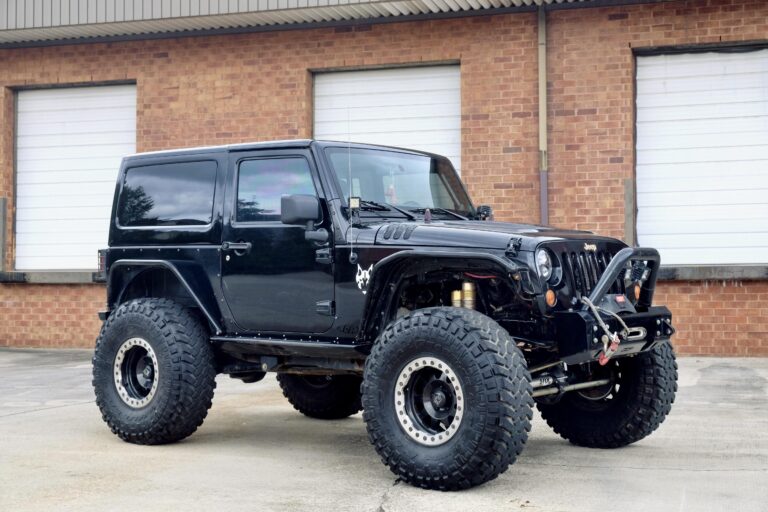
Thirdly, the modifiability and customization potential of a used Jeep Wrangler Sport are virtually limitless. The Sport trim is often seen as a blank canvas, perfect for owners who want to personalize their vehicle to suit their specific needs and tastes. From lift kits and larger tires to winches and custom interiors, the aftermarket support for Wranglers is immense, allowing you to build your dream rig over time.
Finally, the strong value retention of Jeep Wranglers, even used ones, is a significant advantage. They tend to hold their value remarkably well compared to many other vehicles, meaning your investment is more likely to depreciate slowly. This makes a used Wrangler Sport not just an exciting purchase, but also a financially sound one, offering peace of mind for future resale.
Understanding the Jeep Wrangler Sport Through the Years: A Brief Evolution
To truly appreciate a used Jeep Wrangler Sport, it’s helpful to understand the key generations that might be available on the used market. Primarily, you’ll encounter two main generations: the JK and the JL, each with its distinct characteristics and improvements. Knowing these differences can guide your search and help you identify the best fit for your needs.
The JK Generation (2007-2018) marked a significant evolution for the Wrangler, introducing the four-door Unlimited model for the first time. Early JK Sports (2007-2011) came with a 3.8-liter V6 engine, which, while reliable, was often criticized for being underpowered. From 2012 onwards, the JK received a substantial upgrade to the much-loved 3.6-liter Pentastar V6 engine, offering significantly more horsepower and torque, transforming its driving dynamics both on and off-road.
The JL Generation (2018-Present) represented another leap forward, blending modern technology and improved on-road manners with uncompromising off-road prowess. The JL Sport retains the classic Wrangler aesthetic but incorporates a host of refinements. Engine options expanded to include a more powerful and efficient 2.0-liter turbocharged four-cylinder, alongside the updated 3.6-liter Pentastar V6, often paired with an 8-speed automatic transmission. The JL also brought better interior ergonomics, updated infotainment systems, and enhanced safety features.
Pro Tip from us: When considering a used Jeep Wrangler Sport, focusing on late JK models (2012-2018) with the Pentastar engine or early JL models (2018-present) will generally provide the best balance of modern features, power, and value. These years often offer the most refined driving experience without the higher price tag of brand-new vehicles.
What to Look For When Buying a Used Jeep Wrangler Sport: Your Essential Checklist
Buying a used Jeep Wrangler Sport requires a meticulous approach. Because these vehicles are often used for off-roading or heavily modified, it’s crucial to go beyond a superficial glance. Our experience has shown that a thorough inspection can save you thousands in unexpected repairs down the line.
The Critical Pre-Purchase Inspection (PPI)
This is non-negotiable. Before finalizing any purchase, always arrange for a Pre-Purchase Inspection (PPI) by a trusted independent mechanic who specializes in 4x4s or Jeeps. They can spot issues that an untrained eye would miss. This small investment can provide immense peace of mind and leverage for negotiation.
Your mechanic should focus on key areas: the frame, suspension components, axles, and any signs of rust or previous accident damage. A professional can identify structural integrity issues that might compromise safety and future reliability, which is paramount for any vehicle, especially one intended for adventurous use.
Rust: The Silent Killer
Rust is arguably the biggest enemy of any used vehicle, and the Wrangler is no exception. Due to its body-on-frame construction and common use in varied environments, rust can be prevalent. Pay extremely close attention to the frame, especially around welds, body mounts, and suspension mounting points.
Also, check the rocker panels, wheel wells, and behind the bumpers. Surface rust on the exhaust is common and often benign, but deep, flaky rust on structural components is a major red flag. Common mistakes to avoid are overlooking subtle rust spots hidden under dirt or undercarriage coatings, which can quickly spread and compromise the vehicle’s integrity.
Suspension & Steering Components
Wranglers are built tough, but off-roading takes its toll. Carefully inspect all suspension components: tie rods, ball joints, control arms, and shock absorbers. Look for bent or damaged parts, torn boots, and excessive play. Listen for clunking noises during the test drive, which often indicate worn bushings or joints.
The steering system is another critical area. Check for excessive play in the steering wheel, which could point to a worn steering box or track bar. If the vehicle has a lift kit, ensure it was professionally installed with appropriate components. Improperly installed lifts can lead to handling issues, premature wear, and the dreaded "death wobble."
Drivetrain & Transmission
The heart of your Wrangler’s performance lies in its engine, transmission, and 4×4 system.
For the engine, look for any signs of fluid leaks (oil, coolant), unusual noises (ticking, knocking), or excessive smoke from the exhaust. Check fluid levels and condition.
When inspecting the transmission, whether automatic or manual, ensure smooth and consistent shifts. For automatics, listen for any slipping or harsh engagements. For manuals, check the clutch pedal feel for excessive play or stiffness, and ensure there’s no grinding when shifting gears.
Finally, engage the 4×4 system (both 4-high and 4-low) during your test drive if safe and permitted. Listen for any grinding, clunking, or difficulty in engagement. Inspect the transfer case and differentials for leaks and ensure their fluid levels are correct.
Electrical System & Interior
Jeeps, particularly older models or those with modifications, can sometimes have electrical quirks. Test every electrical component: all lights (headlights, tail lights, turn signals, brake lights), power windows, door locks, radio, air conditioning, and heater. Ensure all gauges on the dashboard function correctly.
Inside, look for signs of water intrusion, especially under the carpets and in the footwells. Water leaks are a known issue for Wranglers, particularly with removable tops and doors. Check for mildew smells or rust on interior metal components. This can indicate persistent leaks that could lead to electrical problems down the road.
Tires & Wheels
Examine the tires for even wear. Uneven wear patterns can indicate alignment issues, worn suspension components, or improper tire pressure. If the Wrangler has oversized tires, ensure they clear the fenders and suspension components without rubbing. Also, check the wheels for any cracks, bends, or significant curb rash, which could suggest hard off-road use or impact damage.
Common Issues and Known Quirks of the Used Jeep Wrangler Sport
Based on my experience, every vehicle has its peculiarities, and the Jeep Wrangler Sport is no exception. Being aware of these common issues upfront can help you make an informed decision and prepare for potential maintenance.
One widely discussed issue, particularly prevalent in JK models (2007-2018), is the infamous "Death Wobble." This terrifying phenomenon manifests as a violent, uncontrollable shaking of the steering wheel and front end, usually triggered by hitting a bump at highway speeds. It’s typically caused by worn or loose steering and suspension components like the track bar, ball joints, or tie rod ends. While fixable, it requires immediate attention and can be a significant repair.
Water leaks are another common complaint across various Wrangler generations. Due to their removable tops and doors, seals can degrade over time, leading to water entering the cabin during rain or car washes. While often minor, persistent leaks can cause mildew, interior damage, and even electrical problems. Carefully inspect the floorboards and carpet for any signs of moisture or mildew.
Rust, as mentioned before, is a pervasive concern. Beyond the frame, specific areas like the door hinges, hood hinges, and exhaust system are prone to developing rust, especially in regions with harsh winters or coastal environments. Regular cleaning and rust prevention treatments are essential for prolonging the life of your Wrangler.
For older JK models with the 3.8L engine (2007-2011), some owners reported issues with catalytic converters failing prematurely. Symptoms include a "check engine" light and reduced engine performance. While not universal, it’s something to be aware of.
Finally, with the 3.6L Pentastar V6 engine (found in late JKs and JLs), a known issue involves oil cooler leaks. The oil filter housing and oil cooler assembly, made of plastic, can crack and lead to oil leaks, often dripping onto the top of the engine. This is a common repair that many owners face around the 70,000-100,000 mile mark.
The Pros and Cons of Owning a Used Jeep Wrangler Sport
Understanding the full ownership experience is crucial before committing to a purchase. The used Jeep Wrangler Sport offers a unique blend of advantages and disadvantages that cater to a specific type of driver.
Pros:
- Unrivaled Off-Road Prowess: Even in Sport trim, the Wrangler’s capability to tackle challenging terrain is legendary, offering access to adventures few other vehicles can provide.
- Unique Open-Air Experience: With removable tops and doors, the Wrangler delivers an exhilarating connection to the outdoors, unmatched by nearly any other vehicle on the market.
- Immense Customization Potential: The aftermarket is flooded with parts, allowing owners to personalize their Wrangler Sport to their heart’s content, from mild upgrades to extreme builds.
- Strong Resale Value: Wranglers hold their value exceptionally well, making them a wise investment that depreciates slower than many other vehicles.
- Engaging Community & Lifestyle: Owning a Wrangler means joining a passionate, supportive community of fellow enthusiasts who share a love for adventure and the Jeep spirit.
Cons:
- Compromised On-Road Comfort and Refinement: Compared to modern SUVs, Wranglers can feel less refined on pavement, with a bouncier ride, more road noise, and less precise steering.
- Subpar Fuel Economy: Both the 3.6L Pentastar V6 and the 3.8L V6 are not known for their fuel efficiency, especially when paired with larger tires or lift kits. The 2.0L turbo in JLs offers better economy but still won’t compete with smaller crossovers.
- Security Concerns (Soft Tops): Soft-top Wranglers are more susceptible to theft and vandalism, as they are easier to break into than hard-top vehicles.
- Higher Maintenance Costs (Especially if Modified): While parts are plentiful, specialized repairs or those stemming from aggressive off-roading can become expensive. Heavily modified vehicles often require more frequent and specialized maintenance.
- Wind Noise: Particularly with soft tops or older hard tops, wind noise at highway speeds can be significant, impacting long-distance comfort.
Maintaining Your Used Jeep Wrangler Sport: Keeping the Adventure Alive
Owning a Jeep Wrangler Sport is a commitment, and proper maintenance is key to enjoying its legendary capabilities for years to come. Pro tips from us suggest a proactive approach, especially if you plan on taking your Jeep off the beaten path.
Regular oil changes and fluid checks are fundamental. Given the stresses a 4×4 system can undergo, paying attention to the condition and levels of differential, transfer case, and transmission fluids is critical. Following the manufacturer’s recommended service intervals, or even slightly shortening them if you frequently off-road, will pay dividends.
Tire rotation and balancing are also incredibly important, especially if you’re running larger, more aggressive tires. This helps ensure even wear and prolongs tire life. Beyond that, consistently checking tire pressure is essential for both on-road safety and optimal off-road performance.
Rust prevention should be a continuous effort. Regularly washing the undercarriage, especially after off-roading or driving in salty conditions, helps remove corrosive elements. Consider applying rust-inhibiting coatings or waxes to vulnerable areas to provide an extra layer of protection against the elements.
Finally, make it a habit to regularly inspect suspension and steering components yourself, or have your mechanic do so during routine service. Look for any loose bolts, worn bushings, or damaged parts. Paying attention to unusual noises, vibrations, or changes in handling can help you catch small issues before they escalate into major, costly repairs.
Is a Used Jeep Wrangler Sport Right for You? Daily Driver vs. Weekend Warrior
Deciding if a used Jeep Wrangler Sport is the right vehicle for you hinges heavily on your lifestyle and priorities. It’s a vehicle with immense character, but its unique attributes mean it’s not for everyone.
If you’re primarily seeking a daily driver for long commutes on paved roads, you might find the Wrangler Sport’s on-road manners a bit unrefined compared to traditional SUVs. Its fuel economy isn’t stellar, and the ride can be a bit bouncy. However, for those who value individuality, the open-air experience, and don’t mind a more "connected" driving feel, it can be a perfectly enjoyable daily companion.
For the weekend warrior and adventure seeker, the used Jeep Wrangler Sport truly shines. Its robust construction and 4×4 capabilities are tailor-made for exploring trails, camping trips, and challenging off-road excursions. It’s a vehicle that encourages you to seek out new experiences and is perfectly suited to a life of adventure. Consider your commute length, family needs, and off-roading aspirations carefully. If the call of the wild is strong, a used Wrangler Sport might just be your perfect match.
Navigating the Purchase: Tips for a Smooth Transaction
Once you’ve decided a used Jeep Wrangler Sport is for you, a smart approach to the buying process will ensure a positive outcome. Thorough preparation and due diligence are your best friends here.
Begin by researching thoroughly. Use the VIN (Vehicle Identification Number) to obtain a vehicle history report from services like Carfax or AutoCheck. This will reveal critical information such as accident history, service records, previous owners, and odometer discrepancies. This step is vital for uncovering potential hidden issues.
Next, test drive extensively. Don’t just take it around the block. Drive the Wrangler on various road conditions – city streets, highways, and if possible, some unpaved roads. Pay close attention to how it handles, listens for unusual noises, and feel for any vibrations or pulling. Engage the 4×4 system to ensure it works properly.
When it comes to negotiation, be prepared. Armed with your inspection report and market research on similar models, you’ll be in a strong position. Don’t be afraid to walk away if the deal doesn’t feel right or if the seller is unwilling to address concerns.
Finally, if you’re buying from a dealership, inquire about warranty options. While used Wranglers typically don’t come with a factory warranty, some dealerships offer extended service contracts. Weigh the cost against the potential peace of mind, especially if you’re concerned about possible repairs.
Conclusion: Your Adventure Awaits
The used Jeep Wrangler Sport offers an unparalleled blend of iconic style, genuine off-road capability, and endless customization potential, all at a more accessible price point than new models. It’s a vehicle that promises not just transportation, but an entire lifestyle filled with freedom and adventure. By understanding its unique characteristics, diligently inspecting potential purchases, and being aware of common issues, you can confidently navigate the market.
With the right preparation and a keen eye, you can find a used Jeep Wrangler Sport that will serve as your trusty companion for countless journeys, both on and off the pavement. So, take the plunge, embrace the spirit of adventure, and get ready to experience the world from a whole new perspective. Your open-air journey begins now!