Driving Tomorrow, Today: An In-Depth Look at General Motors Cars
Driving Tomorrow, Today: An In-Depth Look at General Motors Cars Typestruck.Guidemechanic.com
General Motors (GM) is more than just an automaker; it’s a titan of industry, a cultural touchstone, and a constant force in shaping the way we move. From its humble beginnings to its ambitious vision for an all-electric future, General Motors cars have consistently pushed the boundaries of automotive innovation, design, and performance. For over a century, GM vehicles have graced roads worldwide, embodying American ingenuity and global aspirations.
This comprehensive article delves deep into the world of GM cars, exploring their rich history, diverse brand portfolio, cutting-edge technology, and what it truly means to own one. Whether you’re a long-time enthusiast, a prospective buyer, or simply curious about one of the world’s largest automotive manufacturers, prepare for an insightful journey that will enhance your understanding of this iconic company and its enduring legacy. We aim to provide real value, offering perspectives that go beyond surface-level information, giving you a complete picture of why General Motors cars remain a significant player in the automotive landscape.
Driving Tomorrow, Today: An In-Depth Look at General Motors Cars
The Enduring Legacy: A Glimpse into GM’s Rich History
The story of General Motors is a compelling narrative of ambition, innovation, and resilience. Founded in 1908 by William C. Durant, GM initially brought together several independent car manufacturers, envisioning a diversified portfolio to cater to every segment of the market. This early strategy laid the groundwork for the multi-brand powerhouse we know today.
In its formative years, GM quickly expanded, acquiring pioneering brands like Buick, Oldsmobile, Cadillac, and Oakland (which later became Pontiac). This rapid consolidation allowed GM to leverage shared platforms and technologies while maintaining distinct brand identities. It was a revolutionary business model that transformed the nascent automotive industry, setting a precedent for future conglomerates.
The mid-20th century saw GM flourish, becoming the largest corporation in the world and an undeniable symbol of American industrial might. Iconic models like the Chevrolet Bel Air, Cadillac Eldorado, and GMC pickup trucks became cultural icons, representing prosperity and freedom. GM’s design studios, under the visionary leadership of Harley Earl, pioneered concepts like planned obsolescence and annual styling changes, keeping consumers eager for the latest models. This era truly cemented the global dominance of General Motors cars.
However, GM’s journey hasn’t been without its challenges. The energy crises of the 1970s, fierce international competition, and evolving consumer preferences forced the company to adapt. While it faced significant hurdles, including a government-backed restructuring in 2009, GM demonstrated remarkable resilience. Based on my experience tracing automotive history, this period of adversity ultimately forged a leaner, more focused company, ready to tackle the complexities of the 21st century.
The GM Portfolio: Brands That Drive the World
One of General Motors’ greatest strengths lies in its diverse brand portfolio, each meticulously crafted to appeal to a specific demographic and lifestyle. This multi-brand strategy ensures that whether you’re seeking rugged utility, luxurious comfort, or dependable family transport, there’s likely a GM car or truck designed for you. Understanding these brands is key to appreciating the breadth of GM’s offerings.
Chevrolet: The Everyman’s Brand
Chevrolet, often affectionately known as "Chevy," is arguably GM’s most recognizable and ubiquitous brand. Founded in 1911 by Louis Chevrolet and William C. Durant, it was conceived as a competitor to Henry Ford’s Model T, offering more features and style for a similar price. Over the decades, Chevrolet has become synonymous with value, reliability, and versatility, offering everything from subcompact cars to heavy-duty trucks and iconic sports cars.
Today, Chevrolet continues this tradition with popular models like the Silverado pickup, a perennial best-seller known for its capability and robust design. The Equinox and Traverse SUVs cater to families needing space and practicality, while the legendary Corvette and Camaro deliver exhilarating performance. Chevrolet is also at the forefront of GM’s electric revolution with the Bolt EV and the upcoming Silverado EV and Blazer EV, demonstrating its commitment to accessible electric vehicles. Pro tips from us: if you’re looking for a broad range of options from economical to high-performance, Chevrolet is an excellent starting point within the General Motors cars lineup.
Cadillac: American Luxury Redefined
Cadillac represents the pinnacle of American luxury and innovation within the GM family. Established in 1902, Cadillac quickly earned a reputation for precision engineering and elegant design, even winning the prestigious Dewar Trophy for interchangeable parts in 1908. It pioneered many automotive advancements, including the electric self-starter and the V8 engine, setting standards for the entire industry.
Modern Cadillacs continue to blend sophisticated design with advanced technology and powerful performance. Models like the XT4, XT5, and XT6 SUVs offer refined interiors and comfortable rides, while the iconic Escalade remains the benchmark for full-size luxury SUVs, boasting commanding presence and cutting-edge features. Cadillac is also leading GM’s charge into luxury EVs with the stunning Lyriq, a testament to its forward-thinking approach. For those seeking premium comfort and state-of-the-art features, Cadillac offers a distinct experience among GM cars.
GMC: Professional Grade Power
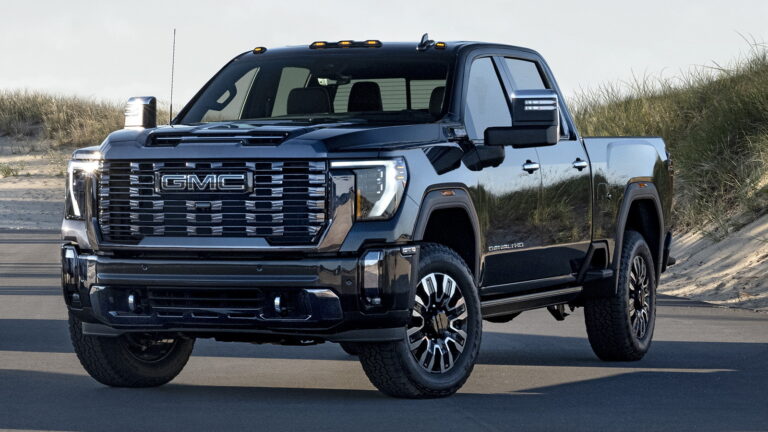
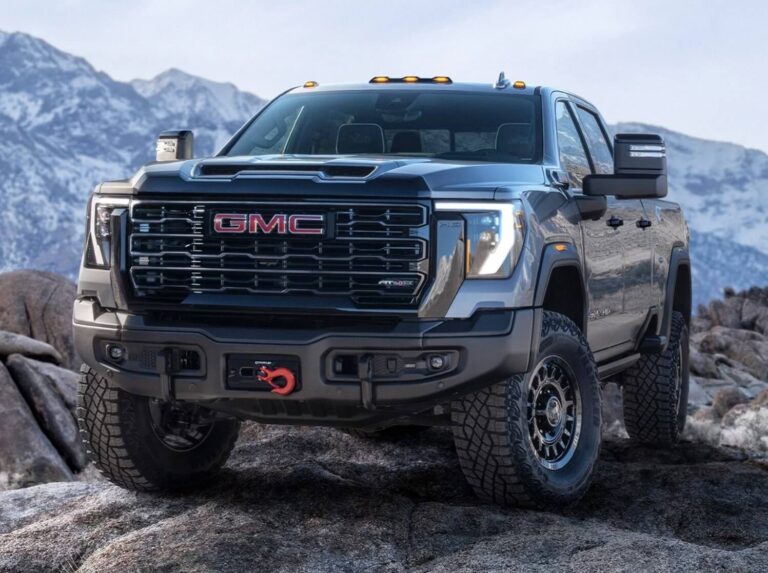
GMC, or General Motors Truck Company, specializes in trucks, SUVs, and vans that are engineered for capability and refined utility. While sharing platforms with Chevrolet, GMC vehicles are positioned as "Professional Grade," offering more upscale styling, premium features, and often higher trim levels. This distinction appeals to buyers who demand robustness for work or play, but also appreciate a touch of sophistication.
The GMC Sierra pickup truck is a prime example, providing robust towing and hauling capabilities alongside a more premium cabin experience compared to its Chevy counterpart. The Acadia, Terrain, and Yukon SUVs blend rugged aesthetics with comfortable interiors and advanced technology, making them popular choices for families and adventurers alike. GMC also offers the groundbreaking Hummer EV, an all-electric supertruck that pushes the boundaries of off-road performance and sustainable power.
Buick: Quiet Luxury and Refinement
Buick holds a unique place in the GM lineup, known for its "quiet luxury" and refined driving experience. Founded in 1903, Buick was one of GM’s earliest and most successful brands, establishing a reputation for elegant styling and smooth-riding cars. It often served as a step up from Chevrolet, offering more upscale features without reaching Cadillac’s full luxury price point.
Today, Buick focuses primarily on a lineup of premium SUVs, including the Encore GX, Envision, and Enclave. These vehicles emphasize comfort, advanced safety features, and a serene cabin environment. Buick cars are particularly popular in markets like China, where the brand symbolizes accessible luxury and prestige. For drivers who prioritize a smooth, comfortable ride and understated elegance, Buick remains a compelling choice within the General Motors cars family.
Innovation Under the Hood: Technology Shaping GM Cars
General Motors has consistently been at the forefront of automotive innovation, from pioneering automatic transmissions to developing advanced safety systems. Today, this commitment to technology is more evident than ever, particularly as the industry transitions towards electrification and autonomous driving. The technological advancements in GM cars are designed to enhance performance, safety, and connectivity.
Powertrain Advancements: Efficiency and Electrification
For decades, GM has refined its internal combustion engines (ICE), focusing on efficiency and power delivery. Technologies like Active Fuel Management (now Dynamic Fuel Management) allow engines to seamlessly deactivate cylinders under light loads, significantly improving fuel economy without sacrificing performance. EcoTec engines, found across various models, are renowned for their balance of power and efficiency.
However, the most significant powertrain innovation from GM in recent years is the Ultium Platform. This revolutionary electric vehicle architecture is central to GM’s "all-electric future" vision. Ultium is a highly flexible, modular battery and drive unit system designed to power a wide range of future General Motors cars, from compact crossovers to heavy-duty trucks. Its key features include:
- Pouch-Style Cells: These large-format battery cells can be stacked vertically or horizontally, allowing for optimized energy density and packaging flexibility.
- Scalability: Ultium batteries can be configured from 50 kWh to over 200 kWh, delivering estimated ranges of up to 450 miles on a full charge.
- 800-Volt Architecture: In some applications, Ultium supports 800-volt fast charging, enabling vehicles to gain significant range in minutes.
- Interchangeable Drive Units: Ultium-powered EVs can have front-wheel drive, rear-wheel drive, or all-wheel drive, using various motor configurations.
This platform is already powering exciting new GM cars like the Cadillac Lyriq, GMC Hummer EV, and will be foundational for upcoming Chevrolet Silverado EV and Blazer EV models. It represents a monumental shift in how GM designs and produces vehicles.
Safety Features: Guarding Every Journey
Safety has always been a core tenet of GM vehicle design, evolving from robust chassis construction to sophisticated electronic systems. Modern GM cars are equipped with comprehensive safety suites designed to prevent accidents and protect occupants.
A standout innovation is Super Cruise, GM’s hands-free driver-assistance system. Available on select Cadillac, Chevrolet, and GMC models, Super Cruise allows for hands-free driving on compatible highways, using a combination of LiDAR map data, GPS, cameras, and radar sensors. It represents a significant step towards autonomous driving, offering enhanced convenience and reduced driver fatigue.
Beyond Super Cruise, most new General Motors cars feature the brand’s specific safety suites (e.g., Chevy Safety Assist, Cadillac Smart System). Common features include:
- Automatic Emergency Braking with Pedestrian Detection
- Lane Keep Assist with Lane Departure Warning
- Forward Collision Alert
- Following Distance Indicator
- IntelliBeam auto high-beam assist
- Rear Vision Camera and Rear Park Assist
Common mistakes to avoid when evaluating car tech are focusing solely on flashy features. Always prioritize fundamental safety systems that actively protect you and your passengers.
Infotainment & Connectivity: A Seamless Experience
GM has also invested heavily in creating intuitive and connected in-car experiences. Modern GM cars often feature large, customizable touchscreen infotainment systems with seamless smartphone integration through Apple CarPlay and Android Auto. Many models now offer Google Built-in, integrating Google Maps, Google Assistant, and the Google Play Store directly into the vehicle’s system.
OnStar services, a GM subsidiary, provide a suite of connectivity and safety features, including automatic crash response, roadside assistance, turn-by-turn navigation, and remote vehicle commands via a smartphone app. This comprehensive connectivity ensures drivers and passengers stay safe and entertained on the road.
The Driving Experience: What It’s Like Behind the Wheel of a GM Car
Stepping into a General Motors car offers a diverse range of experiences, reflecting the varied personalities of its brands. However, several core characteristics often define the ride and feel across the lineup, tailored to each vehicle’s purpose. Based on countless test drives and years of observing automotive trends, there are consistent threads that run through the GM driving experience.
One consistent theme is a focus on comfort and ergonomics. GM interiors are generally designed with user-friendliness in mind, featuring well-placed controls and intuitive layouts. Seats are typically supportive, especially on longer journeys, and adjustability is often generous. This attention to detail contributes to a pleasant environment, whether commuting or embarking on a road trip.
Ride quality is another area where GM often excels. Even entry-level models tend to offer a composed and compliant ride, absorbing road imperfections effectively. Higher-end models and luxury vehicles, particularly from Cadillac and Buick, prioritize a smooth, quiet cabin experience. Advanced suspension systems, sound-deadening materials, and active noise cancellation contribute to this refined feel, insulating occupants from the outside world.
When it comes to performance and handling, the experience varies significantly across the GM portfolio. Chevrolet performance cars like the Corvette deliver exhilarating acceleration and precise handling, engineered for the track and spirited road driving. On the other hand, a GMC Sierra is built for robust capability, offering confident towing and hauling with a stable, albeit truck-like, ride. Buick models prioritize effortless cruising, while Cadillacs strike a balance between luxury comfort and responsive dynamics, especially in their sportier trims.
Interior design and materials have seen significant upgrades across the GM lineup in recent years. While some past models faced criticism, current GM cars boast more upscale materials, improved fit and finish, and thoughtful design touches. Large infotainment screens, digital gauge clusters, and ambient lighting are becoming increasingly common, enhancing the modern aesthetic and functionality of the cabin.
Finally, practicality and versatility are hallmarks of many General Motors cars, particularly their strong SUV and truck offerings. Generous cargo space, clever storage solutions, and flexible seating arrangements make them ideal for families, adventurers, and those needing robust utility. This focus on real-world usability ensures that GM vehicles integrate seamlessly into diverse lifestyles.
Owning a GM Car: Maintenance, Reliability, and Value
Deciding to purchase a vehicle is a significant investment, and understanding the ownership experience is crucial. Owning a General Motors car generally comes with a predictable maintenance schedule, good parts availability, and an improving reputation for reliability. These factors contribute to the long-term value and satisfaction of your purchase.
Maintenance schedules and costs for GM vehicles are typically competitive with other major manufacturers. Modern GM cars often have oil life monitoring systems, which help optimize oil change intervals based on driving conditions, reducing unnecessary service. Regular maintenance, such as tire rotations, fluid checks, and filter replacements, is straightforward and can be performed at any certified GM dealership or independent mechanic. For more detailed insights into general car maintenance, check out our guide on .
Parts availability is a significant advantage of owning a GM vehicle. Given the company’s vast production volumes and extensive dealer network, finding replacement parts, whether for routine maintenance or repairs, is rarely an issue. This widespread availability helps keep repair costs reasonable and minimizes downtime for your vehicle.
Regarding reliability, GM has made considerable strides in recent years. While some older models may have faced criticism, contemporary GM cars consistently rank well in various consumer reliability surveys. Investments in quality control, advanced manufacturing processes, and robust engineering have paid off, leading to more dependable vehicles. It’s important to remember that individual reliability can vary based on model, maintenance habits, and driving conditions.
Resale value considerations for General Motors cars are generally solid, particularly for popular truck and SUV models like the Chevrolet Silverado, Tahoe, and GMC Sierra. These vehicles tend to hold their value well due to strong demand and their reputation for durability. While sedans typically depreciate faster across the industry, GM’s strong market presence ensures a robust secondary market for most of its products.
All new General Motors cars come with a comprehensive warranty package, typically including a bumper-to-bumper limited warranty and a powertrain limited warranty, providing peace of mind during the initial years of ownership. Understanding the terms and coverage of your specific vehicle’s warranty is always a smart move.
The Road Ahead: GM’s Vision for the Future
General Motors is not merely resting on its laurels; it is actively shaping the future of mobility with an ambitious and clear vision. The company is committed to a world with zero crashes, zero emissions, and zero congestion, and its current strategies are meticulously designed to achieve these transformative goals. This forward-looking approach ensures that General Motors cars will remain relevant and innovative for decades to come.
The cornerstone of GM’s future strategy is its unwavering commitment to electric vehicles (EVs). Building on the Ultium platform, GM plans to launch dozens of new EVs across all its brands by 2025, aiming for an all-electric lineup for many of its core brands in the coming years. This isn’t just about producing more EVs; it’s about making them accessible, desirable, and capable across various segments, from performance cars to heavy-duty trucks. This aggressive electrification plan positions GM as a leader in the global EV transition.
Autonomous driving ambitions are another critical pillar of GM’s future. Through its Cruise subsidiary, GM is developing and deploying self-driving robotaxis in major cities, moving beyond mere driver assistance systems towards fully autonomous vehicles. The integration of this technology into consumer GM cars is on the horizon, promising to revolutionize personal transportation by enhancing safety and convenience while reducing traffic congestion.
Furthermore, GM is deeply invested in sustainable manufacturing and operations. The company is working towards sourcing 100% renewable energy for its U.S. facilities by 2025 and global facilities by 2035. This commitment extends to exploring circular economy principles, reducing waste, and using sustainable materials throughout its supply chain. This holistic approach to sustainability underscores GM’s responsibility as a global corporate citizen.
Finally, GM is exploring new mobility services and business models. This includes everything from subscription services for features to potential car-sharing platforms and last-mile delivery solutions using autonomous vehicles. These initiatives aim to diversify GM’s revenue streams and adapt to changing consumer preferences for transportation. You can explore GM’s official future vision and sustainability goals on their corporate website: .
Conclusion
From its foundational role in establishing the modern automotive industry to its bold leap into an all-electric, autonomous future, General Motors cars have consistently shaped how we experience transportation. This deep dive has explored GM’s rich history, its diverse and strategic brand portfolio, the cutting-edge technology defining its current and future vehicles, and what it truly means to be a GM owner.
General Motors remains a powerful force, not just in manufacturing vehicles but in driving innovation and setting new standards for sustainability and safety. Its commitment to the Ultium platform and advanced autonomous systems signifies a clear path toward a more efficient, safer, and cleaner future. Whether you’re drawn to the rugged dependability of a Chevrolet, the professional grade capability of a GMC, the quiet luxury of a Buick, or the cutting-edge sophistication of a Cadillac, the vast world of GM cars offers something for everyone.
As the automotive landscape continues its rapid transformation, General Motors is positioned to lead the charge, ensuring that its vehicles continue to inspire, innovate, and move the world forward for generations to come. If you’re considering a new vehicle, our article on might be helpful in navigating your options.