Conquer Any Load: Your Ultimate Guide to Finding Dual Wheel Trucks For Sale
Conquer Any Load: Your Ultimate Guide to Finding Dual Wheel Trucks For Sale Typestruck.Guidemechanic.com
The roar of a powerful engine, the undeniable stance of a wide rear axle, and the confidence that comes with knowing you can handle virtually any task – these are the hallmarks of a dual wheel truck. Often simply called "duallys," these titans of the road are more than just vehicles; they are indispensable tools for serious haulers, ranchers, contractors, and anyone who demands uncompromising strength and stability.
If you’re in the market for a workhorse that won’t back down, you’ve landed on the definitive guide. This comprehensive article will navigate the intricate world of dual wheel trucks for sale, helping you understand their unique advantages, what to look for, and how to make the smartest purchase. Based on my extensive experience in the heavy-duty truck market, we’ll dive deep into every aspect, ensuring you’re equipped with all the knowledge needed to make an informed decision.
Conquer Any Load: Your Ultimate Guide to Finding Dual Wheel Trucks For Sale
What Exactly Are Dual Wheel Trucks (Duallys)? Unpacking the Powerhouse
At its core, a dual wheel truck is distinguished by having two wheels on each side of its rear axle, totaling four wheels at the back instead of the standard two. This setup gives the truck its characteristic wide rear stance, a visual cue that immediately signals its enhanced capabilities. This isn’t just an aesthetic choice; it’s a fundamental engineering decision designed to dramatically increase the vehicle’s capacity and stability.
The primary purpose of this dual-wheel configuration is to distribute heavy loads more effectively over a larger contact area with the road. Imagine the weight of a massive fifth-wheel camper, a fully loaded horse trailer, or a substantial utility trailer. A dually truck handles such immense pressures with greater ease and safety than its single-rear-wheel counterpart. This design is crucial for preventing tire overload, improving traction, and significantly boosting overall vehicle control when under duress.
The Unrivaled Advantages of Owning a Dually Truck
Choosing a dual wheel truck isn’t just about buying a bigger vehicle; it’s about investing in superior capability and peace of mind. The benefits extend far beyond mere aesthetics, impacting performance, safety, and even your long-term operational costs.
Superior Towing Capacity: Haul with Confidence
One of the most compelling reasons to opt for a dually is its unparalleled towing capacity. These trucks are engineered to handle the heaviest trailers, from large RVs and fifth-wheel campers to multi-car haulers and industrial equipment. The additional rear wheels provide the necessary stability and load distribution to manage the immense forces exerted by such loads.
This increased capability is reflected in the truck’s Gross Combined Weight Rating (GCWR) and Gross Vehicle Weight Rating (GVWR), which are significantly higher than those of single-rear-wheel trucks. Whether you’re pulling a gooseneck trailer for commercial purposes or embarking on an ambitious cross-country RV trip, a dually ensures you can do so safely and within legal limits. Pro tips from us: always check the specific tow ratings for the exact model and configuration you are considering, as these can vary even within the same truck series.
Enhanced Stability and Control: A Rock-Solid Foundation
The wider footprint of a dually truck translates directly into superior stability and control, particularly when towing heavy loads or navigating challenging conditions. The extra tires dramatically reduce sway, making the truck less susceptible to crosswinds, trailer wag, and the unsettling push from passing semi-trucks. This stability is critical for safety, especially at highway speeds.
Imagine driving a large rig and feeling the trailer trying to dictate your direction. A dually minimizes this sensation, providing a much more predictable and secure driving experience. This enhanced control isn’t just about comfort; it’s a vital safety feature that can prevent dangerous situations.
Increased Payload Capacity: Carry More, Worry Less
Payload capacity refers to the maximum weight a truck can carry in its bed, including passengers and cargo. Dual wheel trucks consistently offer significantly higher payload capacities compared to their single-rear-wheel counterparts. This is directly attributable to the stronger rear axle, suspension components, and the load-spreading ability of the extra tires.
For contractors hauling tools, materials, or even a slide-in camper, this increased payload capacity is invaluable. It means fewer trips, greater efficiency, and the ability to transport heavier equipment without exceeding the truck’s limits. Common mistakes to avoid are underestimating your actual payload needs; always factor in the weight of your passengers and any aftermarket accessories in addition to your primary cargo.
Improved Tire Durability and Safety: Redundancy for Reliability
With four tires across the rear axle instead of two, the weight is distributed over more rubber. This reduces the stress on individual tires, leading to better wear patterns and potentially longer tire life under heavy loads. Furthermore, a critical safety advantage emerges: tire blowouts.
Should one of the rear tires experience a blowout, the remaining three tires on that axle can still support the load, often allowing the driver to maintain control and safely pull over. This redundancy is a huge benefit, offering an extra layer of safety that single-rear-wheel trucks simply cannot provide. It can be the difference between a minor inconvenience and a major accident.
Professional Appearance and Resale Value: A Statement of Capability
There’s no denying the imposing and professional look of a dually truck. It conveys an immediate impression of serious capability and readiness for work. For businesses, this can enhance their image and instill confidence in clients regarding their ability to handle large-scale projects.
Moreover, dual wheel trucks often hold their value well in the used market, especially those with diesel engines and desirable features. Their specialized utility ensures a consistent demand among those who genuinely need their capabilities. When it comes time to sell, a well-maintained dually often commands a respectable price.
Key Factors to Consider Before You Buy Your Dually
Purchasing a dual wheel truck is a significant investment, and careful consideration of various factors will ensure you choose the right vehicle for your specific needs. Don’t rush into a decision; doing your homework now will save you headaches and expenses later.
Your Specific Needs: Define Your Mission
Before you even start looking at dual wheel trucks for sale, clearly define what you need the truck for. What will you be hauling or towing? How heavy are your typical loads? How frequently will you be using its full capacity?
For instance, a recreational RVer pulling a large fifth-wheel will have different priorities than a construction company needing to transport heavy equipment daily. Understanding your primary use case will guide your choices in engine, transmission, and even cab configuration. Don’t overbuy if a smaller truck will suffice, but definitely don’t underbuy and find yourself limited.
New vs. Used: Weighing the Options
- New Dually Trucks:
- Pros: Latest technology, full factory warranty, customizable options, pristine condition.
- Cons: Higher initial cost, rapid depreciation in the first few years.
- Pro tip: New trucks often come with attractive financing rates from the manufacturer.
- Used Dually Trucks:
- Pros: Significantly lower purchase price, depreciation has already occurred, wider selection of models and years.
- Cons: Potentially higher mileage, out of warranty, unknown maintenance history, may require more immediate repairs.
- Based on my experience, a pre-purchase inspection by a trusted mechanic is non-negotiable for used trucks.
Engine Type: Diesel vs. Gas – A Critical Choice
This is perhaps one of the most important decisions you’ll make when considering dual wheel trucks for sale. Each fuel type offers distinct advantages and disadvantages.
- Diesel Engines:
- Pros: Unmatched torque for heavy towing, better fuel economy (especially when loaded), greater durability and longevity (often lasting 300,000+ miles), better resale value for heavy haulers.
- Cons: Higher initial purchase price, more expensive and complex maintenance, higher fuel costs per gallon, potential for costly emissions system repairs (DEF fluid, DPF).
- Pro tip: Diesel engines truly shine when consistently working hard; short trips and light loads can actually be detrimental to their emissions systems.
- Gas Engines:
- Pros: Lower initial purchase price, simpler and cheaper maintenance, generally quieter operation, quicker warm-up times.
- Cons: Less torque (can struggle with the absolute heaviest loads), lower fuel economy (especially when towing), typically shorter lifespan than a well-maintained diesel.
- Gas engines are an excellent choice if your towing needs are significant but not always at the absolute maximum, or if your budget is a primary concern.
Transmission: The Heart of Power Delivery
Modern dual wheel trucks primarily feature robust automatic transmissions, often with multiple gears (6-speed, 8-speed, 10-speed). These automatics are incredibly sophisticated, providing smooth shifts and optimizing power delivery for towing and hauling. Manual transmissions are increasingly rare in heavy-duty trucks but can still be found in some older or specialized models.
For most users, an automatic transmission is the practical and preferred choice due to its ease of use and advanced towing features like tow/haul mode. If considering an older manual, ensure the clutch is in excellent condition, as replacement can be costly.
Cab Configuration: Space and Comfort
- Regular Cab: Two doors, single row of seating. Best for work-focused applications where extra passenger space isn’t needed. Maximizes bed length for a given wheelbase.
- Extended Cab (Quad Cab/SuperCab): Two full-size front doors and two smaller, rear-hinged doors. Offers limited rear seating, often suitable for occasional passengers or extra storage.
- Crew Cab (SuperCrew/Mega Cab): Four full-size doors, ample rear legroom. Ideal for families, work crews, or anyone needing significant passenger comfort and interior storage. This is the most popular configuration for personal use duallies.
Bed Length: Utility vs. Maneuverability
- Short Bed (approx. 6.5 feet): Better maneuverability, easier to park. Less common on duallies, as long beds are often preferred for their utility.
- Long Bed (approx. 8 feet): Standard for duallies, essential for fifth-wheel and gooseneck hitches, as it provides necessary clearance. Offers maximum cargo space.
4×2 vs. 4×4: Where Will You Go?
- 4×2 (Two-Wheel Drive): Lighter, slightly better fuel economy, lower cost. Ideal for paved roads and light-duty off-road use.
- 4×4 (Four-Wheel Drive): Essential for off-road, muddy job sites, snow, or adverse weather conditions. Adds weight, complexity, and cost but provides invaluable traction when needed.
Budget: Beyond the Sticker Price
Your budget needs to encompass more than just the purchase price. Consider:
- Fuel Costs: Especially for gas duallies or heavy-hauling diesels.
- Insurance: Can be higher due to the vehicle’s size and value.
- Maintenance: Tires are a significant cost (six of them!), and heavy-duty components can be more expensive to service.
- Registration and Licensing: GVWR can impact these fees.
- Aftermarket Accessories: Hitches, bed liners, toolboxes, etc.
GVWR and GCWR: Understanding the Numbers
These are critical ratings for dual wheel trucks.
- Gross Vehicle Weight Rating (GVWR): The maximum allowable weight of the fully loaded truck, including fuel, passengers, cargo, and any accessories.
- Gross Combined Weight Rating (GCWR): The maximum allowable weight of the fully loaded truck PLUS any attached trailer and its cargo.
Always stay within these limits for safety and legality. Overloading can lead to dangerous handling, premature wear, and even legal fines.
Popular Dual Wheel Truck Models and Manufacturers
The heavy-duty truck market is dominated by a few key players, each offering robust dual wheel options that compete fiercely on power, features, and capability.
- Ford Super Duty (F-350, F-450): Ford’s F-Series Super Duty trucks are legendary for their "Built Ford Tough" reputation. The F-350 dually is a popular choice, while the F-450 dually often offers class-leading towing and hauling numbers, particularly with its powerful Power Stroke diesel engine. Ford offers a range of innovative tech features and luxurious interior options.
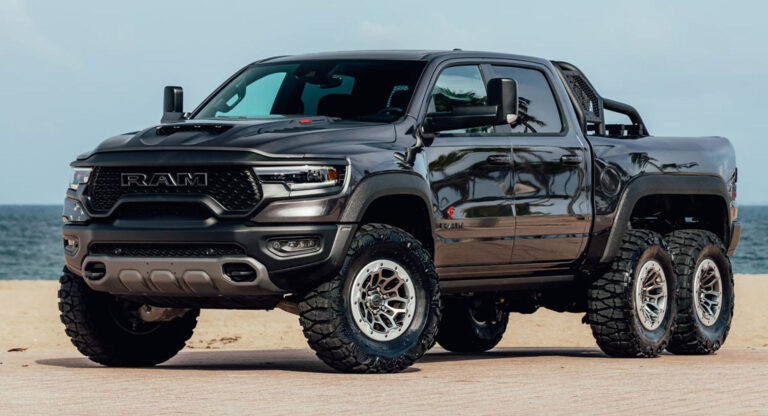
- Ram Heavy Duty (3500, 4500): Ram trucks, especially the 3500 dually, are celebrated for their Cummins diesel engine, renowned for its incredible torque and durability. Ram also stands out with its refined interiors, advanced infotainment systems, and coil-spring rear suspension (on some models) that offers a smoother ride than traditional leaf springs.
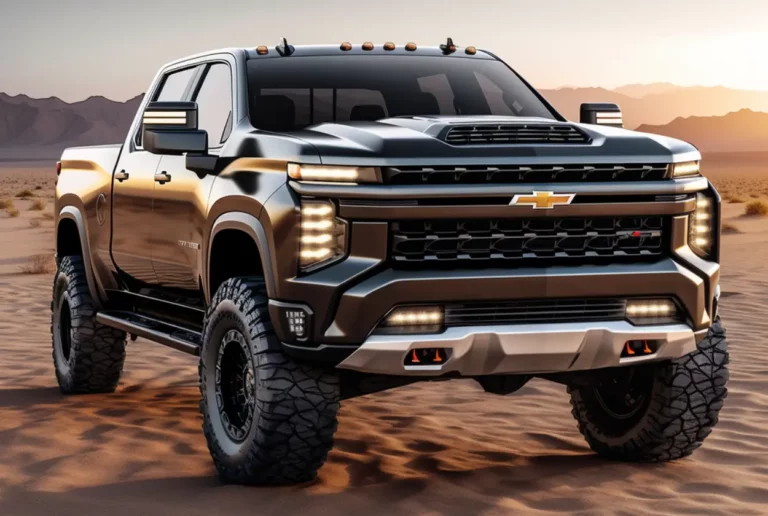
- Chevrolet Silverado HD (3500HD): The Silverado 3500HD dually is a formidable contender, powered by either a robust gasoline V8 or the venerable Duramax diesel engine paired with an Allison transmission. Chevy trucks are known for their strong performance, functional interiors, and extensive trailering technology.
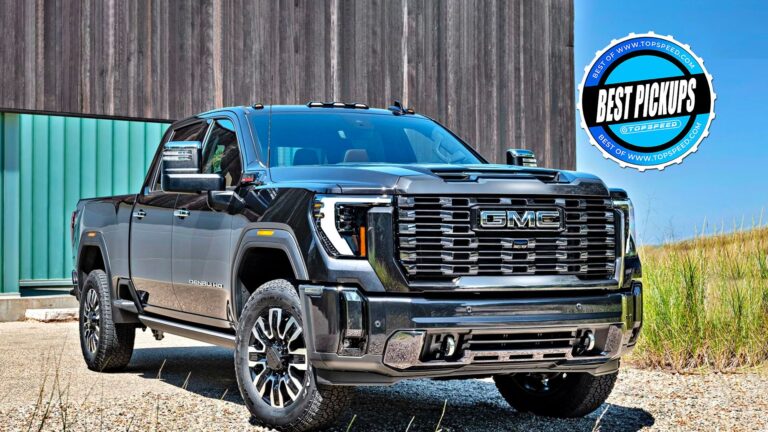
- GMC Sierra HD (3500HD): GMC’s Sierra 3500HD dually shares its underlying platform with the Silverado but often presents a more upscale aesthetic and additional premium features. Like its Chevy counterpart, it offers the Duramax/Allison powertrain, making it a powerful and reliable choice for heavy-duty work and recreation.
Each manufacturer has its loyal following, and all offer highly capable dual wheel trucks for sale. Your personal preference for styling, specific features, and dealer experience will likely guide your final choice.
Where to Find Dual Wheel Trucks For Sale
Once you’ve narrowed down your preferences, it’s time to start the hunt for your ideal dually. Several avenues can lead you to your next heavy-duty truck.
- Dealerships (New and Used):
- Pros: Access to new models with warranties, certified pre-owned options, financing assistance, trade-in options.
- Cons: Higher prices, potential for sales pressure.
- Visiting dealerships allows you to see multiple trucks in person and test drive them.
- Online Marketplaces:
- Pros: Vast selection, ability to filter by specific criteria (make, model, year, mileage, price), convenient browsing from home.
- Examples: AutoTrader, Cars.com, eBay Motors, CarGurus, Facebook Marketplace, and dedicated heavy-duty truck forums.
- Pro tip: Be wary of deals that seem too good to be true and always verify seller credibility.
- Private Sellers:
- Pros: Often lower prices than dealerships, direct negotiation with the owner.
- Cons: No warranty, "as-is" sales, less recourse if issues arise, requires more personal vetting of the vehicle and seller.
- Based on my experience, private sales require the most due diligence, including a professional pre-purchase inspection and a thorough vehicle history report.
- Auctions:
- Pros: Potential for significant savings, especially on fleet vehicles or repossessions.
- Cons: "Buyer beware" environment, often no opportunity for test drives or detailed inspections before bidding, vehicles sold as-is.
- This route is best for experienced buyers or those with a trusted mechanic on standby.
The Buying Process: A Step-by-Step Guide
Navigating the purchase of a dual wheel truck can be complex, but following a structured approach will streamline the process and help you secure the best deal.
- Research and Define Your Needs: As discussed earlier, this is your foundational step. Know your towing/hauling requirements, budget, and desired features before you start looking at specific dual wheel trucks for sale.
- Set a Realistic Budget: Include not just the purchase price but also taxes, registration, insurance, and initial maintenance. Factor in potential upgrades or accessories you might want immediately.
- Inspect the Vehicle Thoroughly:
- Exterior: Look for rust, body damage, uneven tire wear (a red flag for alignment issues), and signs of previous accidents. Check the condition of the bed, especially if it’s been used for heavy hauling.
- Interior: Check for wear and tear, functionality of all electronics, and any strange odors.
- Engine Bay: Look for leaks, frayed belts, or any signs of neglect.
- Underneath: Inspect the frame for damage, the suspension components, and the exhaust system.
- Pro tip: For used trucks, a pre-purchase inspection (PPI) by an independent, certified mechanic is paramount. It’s a small investment that can save you thousands.
- Test Drive:
- Drive the truck on various road types: highway, city, and if possible, with a load similar to what you’ll be hauling.
- Listen for unusual noises (engine, transmission, differential).
- Check brake performance, steering responsiveness, and overall ride comfort.
- Test all gears, including reverse and 4×4 if applicable.
- Check Vehicle History Report: Services like CARFAX or AutoCheck provide crucial information about a vehicle’s past, including accident history, flood damage, title issues, previous owners, and service records. This is especially vital for used dual wheel trucks for sale.
- Negotiation Strategies:
- Be prepared to walk away if the deal isn’t right.
- Research market values for comparable trucks.
- Highlight any flaws you found during inspection to justify a lower offer.
- Common mistakes to avoid are focusing solely on the monthly payment; always negotiate the total price of the truck first.
- Financing and Insurance:
- Shop around for financing before you visit the dealership; having pre-approval gives you leverage.
- Get insurance quotes for the specific truck you’re considering, as rates can vary significantly.
- Paperwork and Transfer of Ownership:
- Ensure all titles, registrations, and sales agreements are correctly filled out and signed.
- Verify VIN numbers match on all documents.
- Understand any warranties or guarantees being offered.
Owning a Dually: Maintenance, Costs, and Tips
Owning a dual wheel truck comes with specific responsibilities and considerations, primarily due to its heavy-duty nature and the demands placed upon it. Proper maintenance is key to longevity and reliability.
Tire Care: Critical for Duallys
With six tires to manage, tire maintenance is paramount.
- Rotation: Regular tire rotation is crucial to ensure even wear across all six tires, extending their lifespan.
- Pressure: Maintaining correct tire pressure is vital for safety, fuel economy, and tire longevity. Under-inflated tires on a dually can lead to overheating and blowouts, especially under load.
- Alignment: Proper wheel alignment is essential to prevent premature and uneven tire wear.
- Pro tips from us: Invest in a good quality tire pressure gauge and check your tires frequently, especially before a long trip or heavy tow.
Engine Maintenance: Diesel vs. Gas Specifics
- Diesel: Adhere strictly to oil change intervals, use manufacturer-recommended diesel-specific oil, and pay attention to fuel filter replacements. Monitor Diesel Exhaust Fluid (DEF) levels if applicable. Common mistakes to avoid include using non-spec fluids or neglecting emissions system warnings.
- Gas: Follow standard oil change intervals, spark plug replacement, and air filter checks.
- Regardless of engine type, regular fluid checks (coolant, brake fluid, power steering fluid) are essential.
Brake System: Heavy-Duty Considerations
Dually trucks work hard, and their braking systems are designed for it. However, heavy loads put immense strain on brakes. Regular inspection of pads, rotors, and brake fluid is critical. Consider upgrading to performance brakes if you frequently tow at the upper limits of your truck’s capacity.
Suspension: Built for Burden
The suspension system on a dually is robust, but it still needs attention. Inspect leaf springs, shock absorbers, and bushings for wear or damage. Maintaining the suspension ensures a stable ride and proper load distribution.
Fuel Economy: Real-World Expectations
Don’t expect car-like fuel economy from a dually. While diesels offer better mileage than gas engines, especially when towing, they are still heavy vehicles. Real-world fuel economy will vary significantly based on load, terrain, driving style, and whether you’re towing. Plan your budget accordingly.
Insurance Costs: Factor Them In
Due to their higher value, repair costs, and potential for causing more damage in an accident, insurance premiums for dual wheel trucks can be higher than for standard pickups. Get quotes before purchasing to avoid surprises.
Registration and Licensing: GVWR Implications
Depending on your state or province, the high GVWR of a dually might place it in a different registration class, potentially requiring commercial plates or different licensing if used for business purposes. Always check local regulations.
Maximizing Your Investment: When It’s Time to Sell
When the time comes to upgrade or move on from your dually, a little preparation can significantly boost its resale value and make the selling process smoother.
- Preparing Your Dually for Sale:
- Thorough Cleaning: Detail the interior and exterior. A clean truck makes a strong first impression.
- Minor Repairs: Fix any small issues like burned-out bulbs, small dents, or squeaky brakes.
- Maintenance Records: Gather all service records. A documented maintenance history adds immense value and trust.
- Address Major Issues: Consider fixing any significant mechanical problems. Selling a truck "as-is" with known issues will severely depress its value.
- Determining the Right Price:
- Research comparable dual wheel trucks for sale in your area (same make, model, year, mileage, condition, features).
- Use online valuation tools (e.g., Kelley Blue Book, NADA Guides) as a starting point.
- Be realistic about your truck’s condition and market demand.
- Marketing Your Truck:
- Take high-quality photos from multiple angles, showcasing the interior, exterior, and any key features.
- Write a detailed, honest description highlighting its best features, recent maintenance, and any known flaws.
- Advertise on online marketplaces, local classifieds, and possibly through specialized truck forums.
- Handling Inquiries and Showings:
- Be prompt and polite in responding to potential buyers.
- Be prepared to answer questions honestly.
- Always meet in a safe, public place for showings and test drives.
- Finalizing the Sale:
- Have all necessary paperwork ready (title, bill of sale).
- Ensure payment clears before transferring ownership.
- Follow all local regulations for title transfer and registration.
- Pro tip: A simple, well-written bill of sale protects both buyer and seller.
Conclusion: Your Journey to Dually Ownership
Investing in a dual wheel truck is a commitment to unparalleled capability, safety, and reliability. Whether you’re a seasoned professional hauling heavy equipment or an adventurous RVer embarking on cross-country journeys, a dually provides the robust platform you need to conquer any load with confidence.
By understanding the distinct advantages, carefully evaluating your specific needs, and navigating the buying process with diligence, you can find the perfect dual wheel truck for sale that will serve you faithfully for years to come. Remember, the right dually isn’t just a purchase; it’s an investment in your productivity, your passions, and your peace of mind.
(Internal Link Suggestion 1: For more in-depth advice on maintaining your heavy-duty vehicle, check out our guide on Heavy Duty Truck Maintenance Tips.)
(Internal Link Suggestion 2: Curious about specific technical terms? Our article on Understanding Truck Specifications: GVWR, GCWR, and More can help clarify.)
(External Link Suggestion: For official vehicle safety information and regulations, you can always refer to trusted sources like the National Highway Traffic Safety Administration (NHTSA).)